When Maspeth Basements Flood Here's What Happens Next
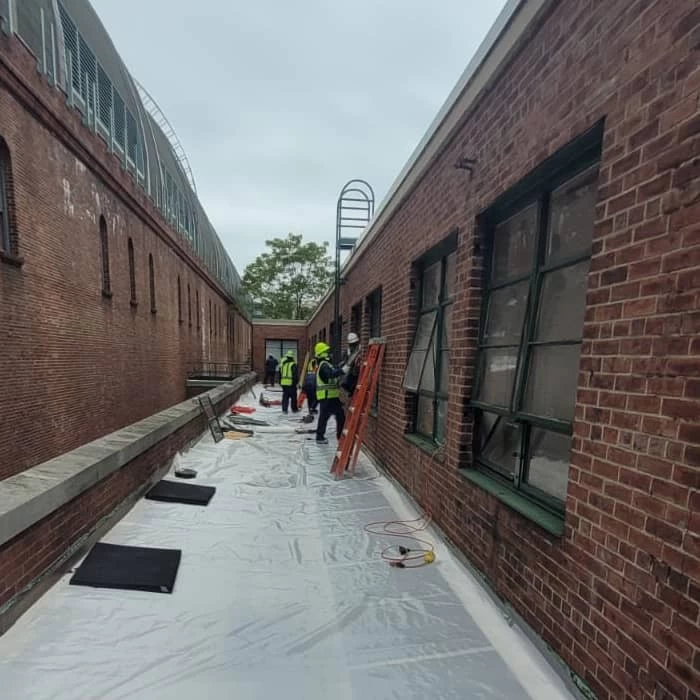
When the sewer backs up on 64th Street or a nor’easter overwhelms the drains on Grand Avenue, you don’t have hours to figure out who to call. We respond 24/7 with licensed crews ready to handle the cleanup from start to finish no handoffs, no gaps.
I needed a professional consultation explanation of procedure for safe removal of Asbestos in my apartment complex. Without having an account yet, I was very impressed with the caring, knowledgeable and generous advice offered by Jessica, and will look forward to doing business in the future. Thank you so much! I feel much more informed about a sometimes scary endeavor. Peace. Nancy Silva Mineola, NY.
Mia Munoz
Used this company to clean up some water flood in my house. They were fast and easy to work with.very professional, Would recommend to anyone!
Nini Valle
Great company, had a flood and they responded quickly and efficiently. Billed my insurance company directly. I highly recommend this company!
joe colapietro, jr
I had pipe freeze in my basement right before a snow storm and they made to within an hour to help start the clean up process. They we by our side throughout the entire process and even helped with the insurance company. They did such a great job with the cleanup, repair, remidiation, I contracted them to perform the repairs and finishes in the basement. They came with enough manpower and material to get the job done. Leo and Jessica were nothing but a pleasure to deal with!!
Cristian Arredondo c
I had some water damage in my home and Green Island was able to take care of my issue quickly and effectively. I am very pleased with the work they did. They responded quickly and were very professional.
Michael M
Outstanding service! From the office to the field crew everyone was friendly, helpful and responsive. I highly recommend Green Island Group.
What Your Basement Looks Like When the Job Is Actually Done Right
Most Maspeth homeowners who’ve dealt with basement flooding before know the feeling the water’s gone, the floor looks dry, and three months later there’s mold growing inside the walls. That’s what happens when a crew extracts the water but doesn’t address what the water left behind. In a neighborhood where brick rowhouses built in the 1930s absorb moisture differently than modern construction, “dry on the surface” and “actually dry” are two very different things.
When we finish the job, your basement is structurally dry confirmed with thermal imaging, not just a visual check. The contamination is gone, not masked. If your flooding came from a sewer backup, which is common in Maspeth given the combined sewer system that serves this part of Queens, that means full Category 3 black water decontamination, not just a mop and a fan. Your walls, subfloor, and foundation have been checked for hidden moisture pockets that would otherwise turn into a mold problem you’d find six months from now.
The end result isn’t just a cleaner basement. It’s a basement you can actually use again finished, safe, and documented properly for your insurance claim. No loose ends. No follow-up contractors. No wondering what’s still wet behind the drywall.
Every License This Job Legally Requires We Hold Them All
We’re a New York environmental remediation and restoration company with over 30 years of combined experience. We’re not a franchise with a territory map. We’re a team that has worked in western Queens, knows what Maspeth homes are made of, and understands what flooding here actually looks like because it’s not the same as coastal flooding in the Rockaways or storm drain overflow in eastern Queens. The Newtown Creek tributary system and Maspeth’s aging combined sewer infrastructure create a specific flooding problem that requires specific credentials to handle legally.
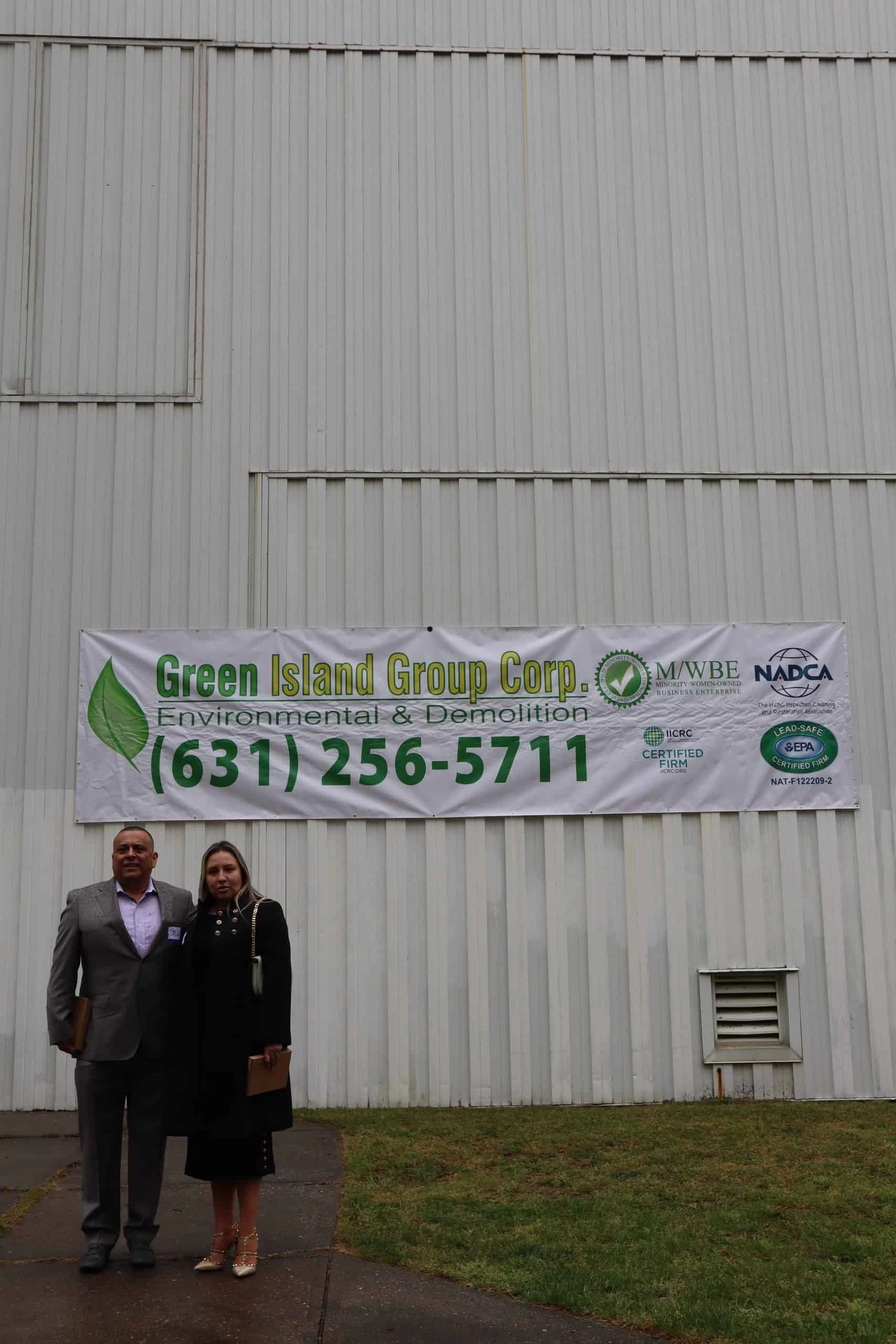
That’s not a small detail. New York State law requires an active NYS DOL Mold License for any professional performing mold remediation. We hold it. We also carry NYS DOL Asbestos certification, USEPA Lead certification, IICRC Water/Fire Damage certification, and a NYC General Contractor license because in a neighborhood where most homes predate 1970, those aren’t optional. They’re the legal baseline for doing this work correctly. When you call us, you’re not rolling the dice on whether the crew showing up is actually licensed to touch what’s in your basement.
From the First Call to a Finished Basement No Gaps in Between
It starts the moment you call. Our crew is dispatched immediately no appointment window, no callback queue. When they arrive, the first priority is assessing what type of water you’re dealing with. In Maspeth, that assessment matters more than most places. If your basement flooded during a heavy rainstorm and the water came up through the floor drain, there’s a real chance it’s sewage-contaminated Category 3 black water because of how the combined sewer system works in this part of Queens. That changes the entire approach to extraction, decontamination, and disposal, and it has to be handled by a licensed crew under NYC DEP regulations.
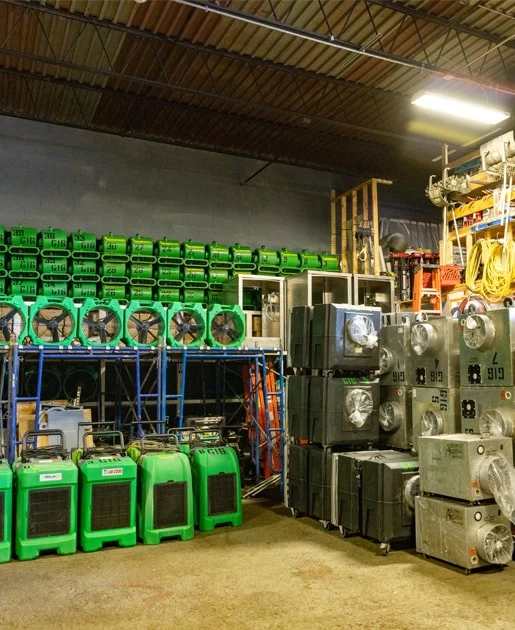
Once the water is out, we don’t just set up fans and leave. We use thermal imaging to map moisture inside your walls, under your floors, and in your structural framing areas where water hides in older Maspeth rowhouses long after the visible flooding is gone. Structural drying is monitored and documented. If there’s any indication of mold beginning, we address it before it becomes a remediation project of its own. If your home has pre-1980 pipe insulation or pre-1978 paint which describes most of the housing stock on streets like 58th Avenue and 69th Street we handle the hazardous materials protocols that other companies aren’t even licensed to manage.
From there, we move into reconstruction. Drywall, flooring, framing, finished basement work whatever the flood took, we restore it. And throughout the entire process, we handle the insurance documentation directly, so you’re not left translating damage reports for an adjuster on your own.
Built for Maspeth's Basements Not a Generic Restoration Checklist
What’s included in a flooded basement cleanup in Maspeth isn’t the same as what gets included in a suburb with newer construction and a modern storm sewer system. The city has spent over $106 million upgrading Maspeth’s sewer infrastructure and Phase 3 doesn’t even begin until 2026. Until that work is complete, the flooding that’s been hitting this neighborhood for decades isn’t going away. That means the service has to account for what Maspeth flooding actually brings into a basement: sewage contamination, moisture trapped in century-old brick, and potential hazardous materials in pre-war construction.
Our flooded basement cleanup in Maspeth includes emergency water extraction, Category 3 black water decontamination where applicable, thermal imaging moisture detection, structural drying with monitoring, mold prevention treatment, asbestos and lead materials protocols for pre-1970 homes, content assessment and restoration, and full basement reconstruction. We also handle all insurance documentation and work directly with your adjuster a step that matters significantly when you’re filing a sewer backup claim and need the paperwork done right the first time.
This isn’t a tiered menu where you pick what you can afford and hope the rest gets handled. It’s a complete scope of work managed by one licensed team from the first hour to the finished result. One call. One crew. No handoffs to a second or third contractor who doesn’t know what the first one did.
My Maspeth basement flooded with sewage is that more serious than regular water damage?
Yes, and significantly so. When flooding comes from a sewer backup which is common in Maspeth given that the neighborhood’s combined sewer system carries both stormwater and sanitary waste in the same pipes the water entering your basement is classified as Category 3, or black water. That means it contains bacteria, pathogens, and contaminants that make it a biohazard, not just a water damage situation.
The cleanup process for Category 3 flooding is fundamentally different from a clean water event. It requires full decontamination of every surface the water touched, proper disposal of contaminated materials under NYC DEP regulations, and documentation that your insurance carrier will need to process the claim correctly. Attempting to clean sewage-contaminated flooding with household products or hiring an unlicensed crew isn’t just ineffective it leaves biological hazards behind that can affect your family’s health for months. If your basement flooded during a storm and the water came up through a floor drain, assume it’s contaminated until a licensed crew tells you otherwise.
How quickly does mold start growing after a basement floods in an older Maspeth home?
Mold can begin colonizing inside wall cavities within 24 to 48 hours of a flood event sometimes faster in older homes with plaster walls and brick foundations, which retain moisture differently than modern drywall and poured concrete. In Maspeth’s pre-war and mid-century housing stock, the structural materials that make these homes durable are the same ones that make moisture harder to eliminate completely after a flood.
The 72-hour window is the critical threshold. After that point, mold remediation costs increase substantially typically $2,000 to $8,000 or more on top of the original cleanup cost and your insurance claim becomes more complicated because the damage is now classified differently. The most important thing you can do after a basement flood is get a licensed crew on-site immediately, not after you’ve had a chance to assess it yourself. Hidden moisture inside walls won’t show up on a visual inspection, and by the time you can see mold, it’s already been growing for a while.
My home was built in the 1940s does that affect how the basement cleanup is handled?
It does, and this is one of the most important questions a Maspeth homeowner can ask. Homes built before 1980 frequently contain asbestos in pipe insulation, floor tiles, and joint compound. Homes built before 1978 commonly have lead paint on basement walls, trim, and window frames. In a neighborhood where the majority of the housing stock was constructed between 1910 and 1969, these aren’t rare edge cases they’re standard features of the homes on streets like Calamus Avenue, 58th Road, and 69th Street.
When a basement floods and cleanup begins, those materials can be disturbed. Cutting into drywall, removing flooring, or pulling out damaged pipe insulation without proper hazardous materials protocols can expose your family to asbestos fibers or lead dust and it can also expose you to significant liability. New York State law requires specific certifications to legally handle asbestos and lead in a remediation context. We hold NYS DOL Asbestos certification and USEPA Lead certification, which means we’re equipped to identify these materials, handle them safely, and document the process correctly something many water damage companies in the Queens market simply aren’t licensed to do.
Does homeowners insurance cover flooded basement cleanup in Maspeth, NY?
It depends on the cause of the flooding, and the answer is more nuanced than most insurance company summaries make it sound. Standard homeowners insurance policies typically cover sudden, accidental water damage like a burst pipe but exclude flooding from external sources like storm surge or groundwater. Sewer backup coverage is often a separate add-on rider, and many Maspeth homeowners don’t realize they have or don’t have it until they’re already standing in a flooded basement.
If your flooding came from a combined sewer overflow which is the most common cause of basement flooding in Maspeth during heavy rain events whether that’s covered depends entirely on your specific policy and whether you added sewer backup coverage. The documentation your restoration company provides is also critical. Insurance carriers require specific formats for damage reports, moisture readings, and remediation logs. We handle the insurance documentation directly and work with your adjuster throughout the process, which significantly reduces the chance of a claim being denied or underpaid due to incomplete paperwork.
How long does flooded basement cleanup and restoration take from start to finish?
The timeline depends on the severity of the flooding, the type of water involved, and how much reconstruction is needed afterward. For a straightforward clean water event in a partially finished basement, the extraction and drying phase typically takes three to five days before reconstruction can begin. For a Category 3 sewage backup in a fully finished basement which is a realistic scenario for many Maspeth homeowners after a major storm the full process from initial cleanup through finished reconstruction can take two to four weeks or longer.
What extends timelines in Maspeth specifically is the age of the housing stock. Older brick and plaster construction holds moisture longer than modern materials, which means the structural drying phase can’t be rushed without risking mold growth inside the walls later. Thermal imaging lets us confirm when the structure is genuinely dry rather than guessing based on surface readings. If hazardous materials like asbestos pipe insulation need to be properly abated before reconstruction can proceed, that adds additional time but it’s time that protects both your family and the integrity of the finished work.
Why should I call a licensed company instead of a general handyman for basement flood cleanup?
In New York State, performing mold remediation without an active NYS DOL Mold License is illegal not just inadvisable, but legally prohibited. If an unlicensed contractor cleans up your flooded basement and mold is later discovered, your insurance carrier can deny the remediation claim on the grounds that the prior work was performed without the required license. You’d be starting over, paying out of pocket, and dealing with a mold problem that was never properly addressed in the first place.
Beyond the licensing issue, Maspeth’s older housing stock adds another layer of risk. A general handyman cutting into a wall in a 1940s rowhouse near Grand Avenue may not know or may not care that the pipe insulation behind it contains asbestos. Disturbing that material without proper protocols creates a health hazard and a legal liability that falls on you as the homeowner. The cost difference between a licensed, certified restoration company and an unlicensed handyman looks smaller before the job than it does after when you’re managing a failed insurance claim, a mold return, or an asbestos exposure situation that could have been avoided entirely.