When Your Bay Wood Basement Floods, You Need Someone Who Answers the Phone
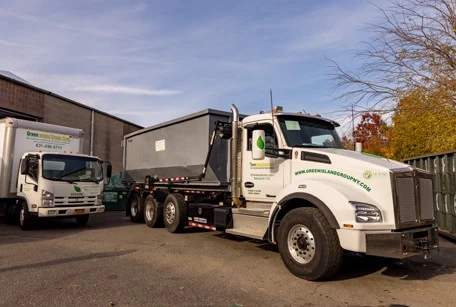
When the groundwater table rises and your basement takes on water, you need someone who picks up the phone and shows up not a callback four hours later. We respond to flooded basements across Bay Wood and the Town of Islip, day or night. Most Bay Wood homes were built in the 1950s and 1960s, which means your foundation was never designed to handle the sustained groundwater pressure that comes with modern storm patterns and seasonal water table fluctuations. When it happens, speed matters. Moisture that sits for hours turns into mold that takes weeks to remediate.
I needed a professional consultation explanation of procedure for safe removal of Asbestos in my apartment complex. Without having an account yet, I was very impressed with the caring, knowledgeable and generous advice offered by Jessica, and will look forward to doing business in the future. Thank you so much! I feel much more informed about a sometimes scary endeavor. Peace. Nancy Silva Mineola, NY.
Mia Munoz
Used this company to clean up some water flood in my house. They were fast and easy to work with.very professional, Would recommend to anyone!
Nini Valle
Great company, had a flood and they responded quickly and efficiently. Billed my insurance company directly. I highly recommend this company!
joe colapietro, jr
I had pipe freeze in my basement right before a snow storm and they made to within an hour to help start the clean up process. They we by our side throughout the entire process and even helped with the insurance company. They did such a great job with the cleanup, repair, remidiation, I contracted them to perform the repairs and finishes in the basement. They came with enough manpower and material to get the job done. Leo and Jessica were nothing but a pleasure to deal with!!
Cristian Arredondo c
I had some water damage in my home and Green Island was able to take care of my issue quickly and effectively. I am very pleased with the work they did. They responded quickly and were very professional.
Michael M
Outstanding service! From the office to the field crew everyone was friendly, helpful and responsive. I highly recommend Green Island Group.
A Dry Basement and No Mold Growing Behind the Walls
When the water is gone, what you’re really left with is a question: did everything get dry enough? That’s where most cleanup jobs fall apart. Water wicks into wall cavities, soaks into subfloor material, and hides behind drywall long after the floor looks fine. If it doesn’t get fully dried scientifically, not visually mold starts within 24 to 48 hours. In Bay Wood’s humid south shore summers, that clock moves fast.
Bay Wood’s housing stock is predominantly post-war construction from the 1950s and 1960s. That means your basement walls, floor tiles, and pipe insulation may contain asbestos or lead materials that become a real hazard the moment floodwater disturbs them. A company that only handles water and walks away is leaving you with an incomplete job. You need someone licensed to handle what’s behind the walls, not just what’s on the floor.
What you get on the other side of a properly handled basement flood is straightforward: a fully dried, documented, and safe space. No lingering moisture readings. No mold growth discovered three weeks later. No second contractor to track down for the reconstruction. That’s what this process is actually supposed to deliver and that’s what we’re built to do.
Licensed Basement Flooding Remediation, Suffolk County
Every License This Job Requires Under One Roof in Bay Wood
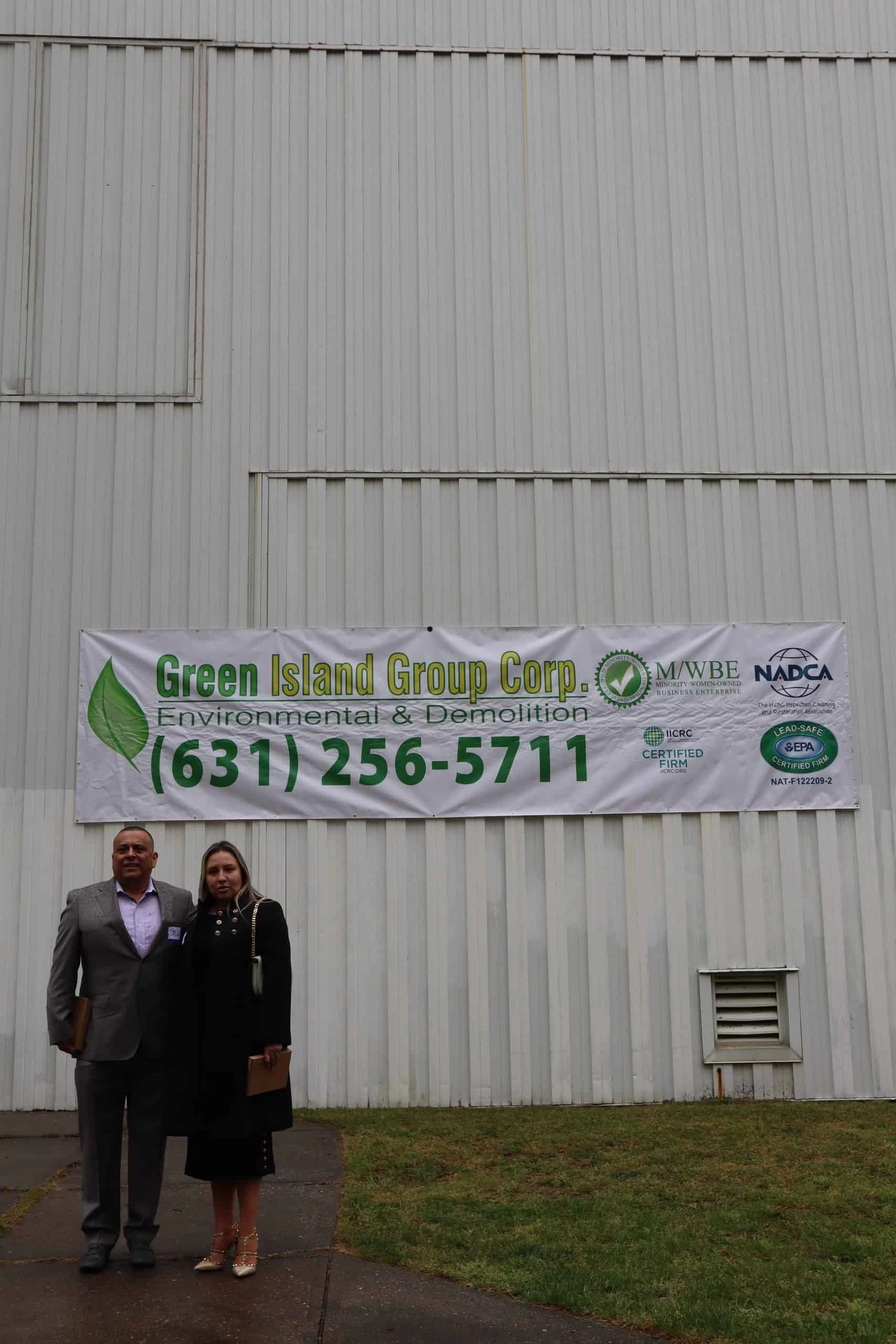
We’ve been handling water damage, mold remediation, and environmental restoration across Suffolk County and Long Island for over 12 years, with more than 5,000 completed projects across New York State. Our team is led by CEO Jessica Dussan and VP Leo Torres real people whose names show up in customer reviews, not just on a website.
For Bay Wood homeowners, the licensing stack matters. We hold a Suffolk County General Contractor license, a NYS DOL Mold license, a NYS DOL Asbestos license, and USEPA Lead and RRP certifications. In a community where most homes were built before 1978 many before 1965 those credentials aren’t a bonus. They’re the baseline for doing this job safely and legally. We’re also an approved emergency response contractor for the NYS Office of General Services and are certified by New York State as both an MBE and WBE.
You won’t find that combination at a franchise operation. And when the job is done, we bill your insurance directly a detail that every Bay Wood homeowner who’s been through a flood knows is worth more than it sounds.
What Actually Happens From Your First Call to a Finished Bay Wood Basement
It starts with a phone call that gets answered. We operate 24/7/365, and our response to Bay Wood and the surrounding Town of Islip corridor is fast customers have confirmed arrival times under an hour, including during nor’easters and severe weather events. When our crew arrives, the first priority is stopping any ongoing water intrusion and assessing the source. In Bay Wood, that’s often groundwater pushing through an aging foundation slab or a sump pump that couldn’t keep pace with a south shore storm not always the obvious pipe burst that’s easier to diagnose.
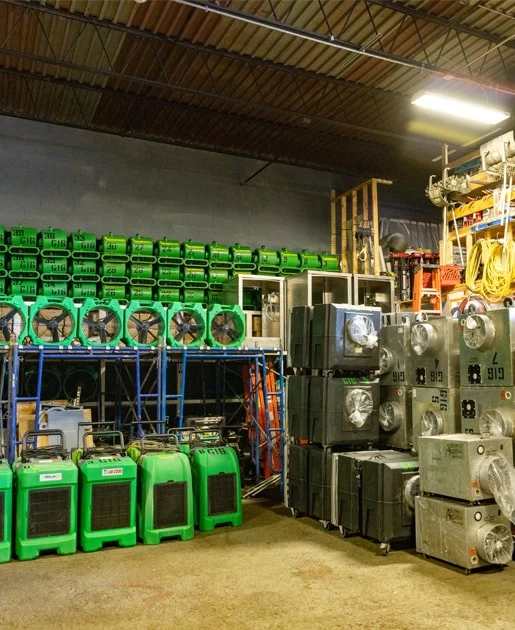
Once the source is identified, industrial water extraction equipment goes to work. After the standing water is removed, the real drying process begins air movers, industrial dehumidifiers, and thermal imaging to locate moisture hidden inside wall assemblies and under flooring. Moisture readings are logged throughout, which matters for your insurance documentation and for confirming the job is actually done. If any materials show signs of mold, or if disturbed building materials test positive for asbestos or lead common in Bay Wood’s older housing stock that remediation happens under our same licensed team, not a separate contractor you have to coordinate yourself.
If reconstruction is needed, our Suffolk County General Contractor license means we can pull the required Town of Islip building permits and manage the full rebuild. One company, one process, start to finish.
Basement Flooding Remediation Services, Bay Wood NY
Built for the Specific Mess a Bay Wood Basement Flood Leaves Behind
Flooded basement cleanup in Bay Wood isn’t a one-size situation. Our service covers emergency water extraction, structural drying with documented moisture monitoring, mold assessment and remediation, sewage backup decontamination, and full reconstruction depending on what the job actually requires. Sewage backup is more common in this corridor than most homeowners realize. Bay Wood’s aging sewer infrastructure, combined with the drainage stress of a major storm event, can push Category 3 contaminated water into your basement. That’s not a mop-and-disinfectant situation. It requires hazmat-level protocols, proper containment, and licensed disposal all of which we’re equipped and certified to handle.
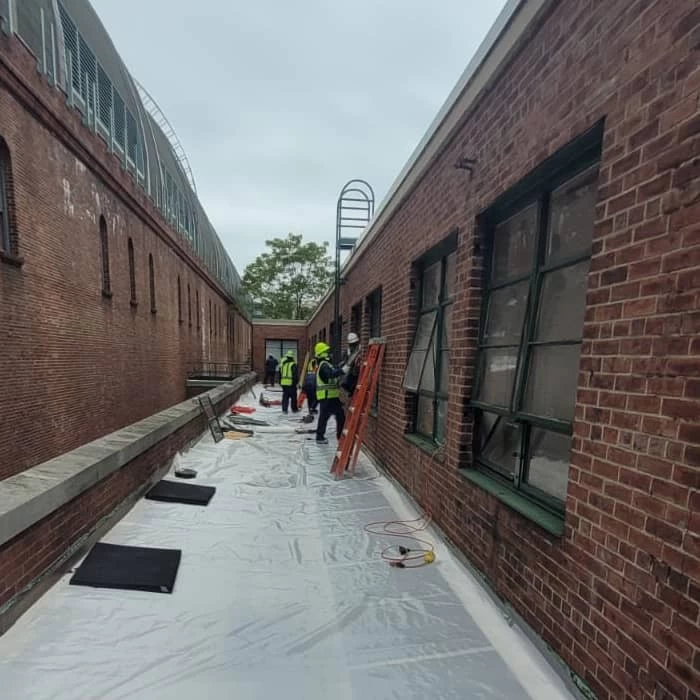
For homes along the Bay Shore and Bay Wood corridor built in the 1950s and 1960s, every flood event carries the potential for asbestos and lead exposure. Our environmental licensing covers the full scope: identification, containment, and remediation of hazardous materials that most water damage companies aren’t legally authorized to touch. That’s not a minor distinction it’s the difference between a safe home and a liability.
Throughout the entire process, we work directly with your insurance carrier. Whether you’re filing through a standard homeowners policy or an NFIP flood insurance policy which applies to many properties in the Town of Islip’s flood-mapped areas the documentation, adjuster communication, and billing are handled on your behalf. You focus on your home.
Does homeowners insurance cover flooded basement cleanup in Bay Wood, NY?
It depends on the cause of the flooding, and that distinction matters a lot. Standard homeowners insurance typically covers sudden and accidental water damage a burst pipe, a failed water heater, or an appliance malfunction. What it usually does not cover is flooding from external sources like groundwater intrusion or storm surge, which is exactly the type of flooding that affects a significant number of Bay Wood homes during nor’easters and heavy rain events.
For that kind of flooding, you’d need a separate flood insurance policy through FEMA’s National Flood Insurance Program (NFIP). Many properties in the Town of Islip carry NFIP policies because of the area’s documented flood zone designations. If you’re not sure what you have or what’s covered, we can help you work through the documentation process. Our crew assesses the damage, captures everything your adjuster needs, and bills your carrier directly regardless of whether it’s a standard homeowners claim or an NFIP flood claim.
How fast does mold actually grow after a basement floods in Bay Wood?
Mold can begin growing within 24 to 48 hours of a flooding event under the right conditions and on Bay Wood’s south shore, the conditions are often right. Bay Wood sits in a humid coastal corridor, and summer basement temperatures combined with trapped moisture create an environment where mold establishes quickly, especially in wall cavities and under flooring where air circulation is limited.
The bigger issue is that mold doesn’t always start on visible surfaces. It often begins inside wall assemblies, behind baseboards, or underneath subfloor material places that look dry to the eye but still hold enough moisture to support growth. That’s why we use thermal imaging and calibrated moisture meters throughout the drying process, not just a visual check. The job isn’t done when the floor looks dry. It’s done when the readings confirm it.
What causes basement flooding in Bay Wood homes even when it hasn't rained heavily?
This is one of the more common and confusing situations Bay Wood homeowners run into. The south shore of Suffolk County has a shallow, tidal-influenced groundwater table that sits close to the surface year-round. During sustained wet periods, or even after moderate rainfall following a dry stretch, groundwater pressure can build against aging foundation walls and slabs and push water through cracks and joints even without any active surface flooding or visible storm activity.
Bay Wood’s predominantly post-war housing stock makes this worse. Foundations from the 1950s and 1960s weren’t built to the same waterproofing standards as modern construction, and decades of settling and seasonal expansion create pathways for groundwater that weren’t there originally. A sump pump that’s been running fine for years can also be overwhelmed by a sustained groundwater event in a way that a short, heavy rain never triggered. If your basement is taking on water and you can’t identify an obvious source, groundwater intrusion is often the answer and it needs professional assessment to diagnose and address correctly.
Do I need a permit for basement water damage repairs in the Town of Islip?
For surface-level cleanup water extraction, drying, and removing damaged personal property you generally don’t need a permit. But once the work moves into structural territory, the answer changes. If the flooding has damaged framing, if drywall needs to come out and be replaced, or if any part of the basement’s finished structure is being rebuilt, the Town of Islip’s Department of Public Works requires a building permit for that work.
This is an area where hiring an unlicensed contractor creates real risk. Work done without a required permit can complicate your insurance claim, create issues when you sell the home, and leave you liable for code violations. We hold a Suffolk County General Contractor license, which means we can pull the necessary permits directly and manage the full scope of reconstruction work in compliance with Town of Islip requirements. You don’t have to figure out the permit process on your own it’s part of how the job gets done correctly.
Should I be worried about asbestos or lead if my Bay Wood basement flooded?
If your home was built before 1978 which describes the majority of Bay Wood’s housing stock it’s a legitimate concern worth taking seriously, not panicking over. Asbestos was commonly used in floor tiles, pipe insulation, drywall joint compound, and ceiling materials in homes built from the 1940s through the late 1980s. Lead paint was standard in any home built before 1978. When floodwater disturbs these materials, it can release fibers or particles that create an exposure risk during cleanup.
The key is making sure whoever handles the cleanup is actually licensed to identify and remediate these materials not just to extract water. We hold NYS DOL Asbestos, NYS DOL Mold, USEPA Lead, and USEPA RRP certifications. Before any demolition or material removal begins, our team assesses what’s present. If hazardous materials are identified, they’re handled under proper containment and disposal protocols. Most water damage companies operating in the Bay Shore and Bay Wood area are not licensed to do this. They’ll clean the water and leave the rest behind.
How does Green Island Group handle the insurance claim process after a basement flood?
The short version is that you don’t have to manage it yourself. We document the damage thoroughly from the moment our crew arrives photos, moisture readings, material assessments, and a detailed scope of work. That documentation is exactly what your insurance adjuster needs to process the claim, and we communicate with your carrier directly throughout the job.
For Bay Wood homeowners with NFIP flood insurance policies, the claims process has specific documentation requirements that differ from a standard homeowners claim. Our team is familiar with both. Multiple independent customer reviews confirm that the direct billing process works it’s not a promise made on a website, it’s something homeowners have experienced firsthand. If there’s any dispute about scope or coverage, having a licensed general contractor with proper documentation behind the claim gives you a much stronger position than a cleanup crew with a work order and a dehumidifier receipt.