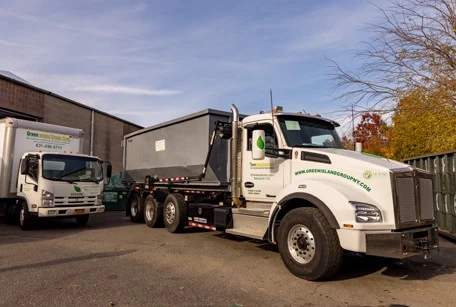
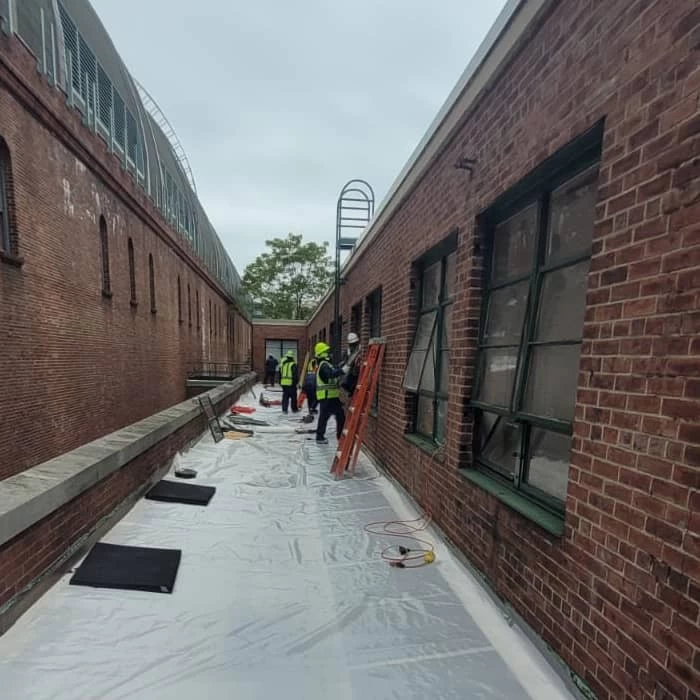
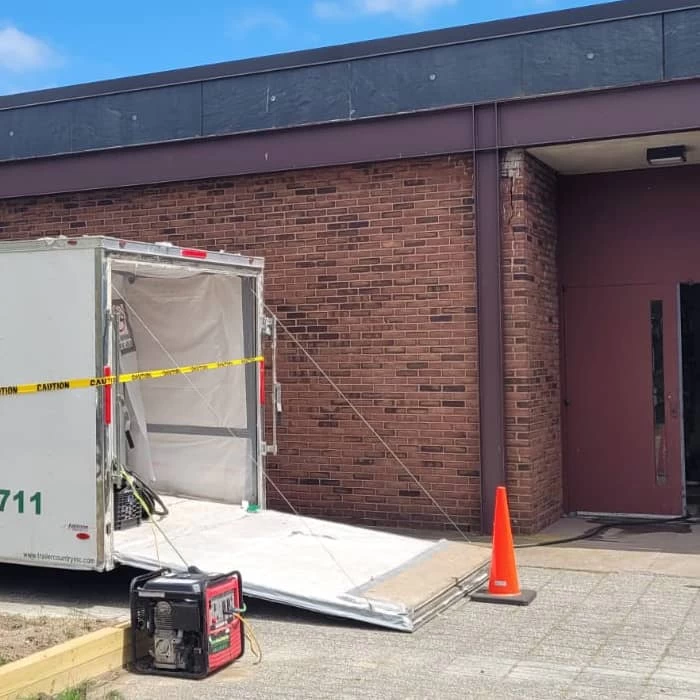
East Northport’s older homes and sandy North Shore soil don’t leave much room for error when a storm hits. We respond fast, handle everything including the hazards hiding in pre-1978 walls and bill your insurance directly.
I needed a professional consultation explanation of procedure for safe removal of Asbestos in my apartment complex. Without having an account yet, I was very impressed with the caring, knowledgeable and generous advice offered by Jessica, and will look forward to doing business in the future. Thank you so much! I feel much more informed about a sometimes scary endeavor. Peace. Nancy Silva Mineola, NY.
Mia Munoz
Used this company to clean up some water flood in my house. They were fast and easy to work with.very professional, Would recommend to anyone!
Nini Valle
Great company, had a flood and they responded quickly and efficiently. Billed my insurance company directly. I highly recommend this company!
joe colapietro, jr
I had pipe freeze in my basement right before a snow storm and they made to within an hour to help start the clean up process. They we by our side throughout the entire process and even helped with the insurance company. They did such a great job with the cleanup, repair, remidiation, I contracted them to perform the repairs and finishes in the basement. They came with enough manpower and material to get the job done. Leo and Jessica were nothing but a pleasure to deal with!!
Cristian Arredondo c
I had some water damage in my home and Green Island was able to take care of my issue quickly and effectively. I am very pleased with the work they did. They responded quickly and were very professional.
Michael M
Outstanding service! From the office to the field crew everyone was friendly, helpful and responsive. I highly recommend Green Island Group.
When the water is gone, the job isn’t over. The real risk in a flooded basement isn’t the standing water you can see it’s the moisture trapped inside walls, under flooring, and behind insulation that you can’t. Left alone, that hidden moisture becomes a mold problem within 24 to 48 hours, and in a home built in the 1940s or 1950s, mold doesn’t stay contained. It spreads through wall cavities that were never designed to stop it.
East Northport’s housing stock makes this especially important. The Cape Cods, colonials, and split-levels throughout the community were built before modern waterproofing standards existed. The basements in these homes weren’t sealed the way newer construction is, and many still rely on original drainage systems and aging sump pump setups that were never meant to handle today’s rainfall intensity. When a nor’easter rolls in off Long Island Sound and the power cuts out, those sump pumps stop and the water doesn’t.
What you get when the job is done right: moisture readings that confirm the space is actually dry, not just dry-looking. Documented damage assessment for your insurance adjuster. A clear picture of what was found, what was done, and what was remediated. That documentation matters, especially in a home where disturbed materials may involve regulated hazards like asbestos or lead both common in East Northport’s pre-1978 building stock.
Basement Flooding Remediation Company East Northport
Licensed for the Full Scope Not Just the Water
We’ve been handling environmental restoration and remediation across Long Island and New York City for over 12 years, with more than 5,000 completed projects across New York State. Suffolk County is core territory for us not a distant dispatch area. We hold a Suffolk County General Contractor license, a NYS DOL Mold Remediation license, a NYS DOL Asbestos license, and USEPA Lead and RRP certifications. That combination matters in East Northport, where a flooded basement in a pre-1978 home can quickly go beyond water damage into regulated hazmat territory.
Most water damage companies operating in this area aren’t licensed to handle asbestos or lead. They clean up the water and leave. When disturbed floor tiles, pipe insulation, or wall materials test positive for regulated substances which happens regularly in the housing stock common throughout East Northport and the broader Huntington area those contractors are legally required to stop and refer you elsewhere. We don’t hand you off. We carry the job through from emergency extraction to full remediation under one license and one contract.
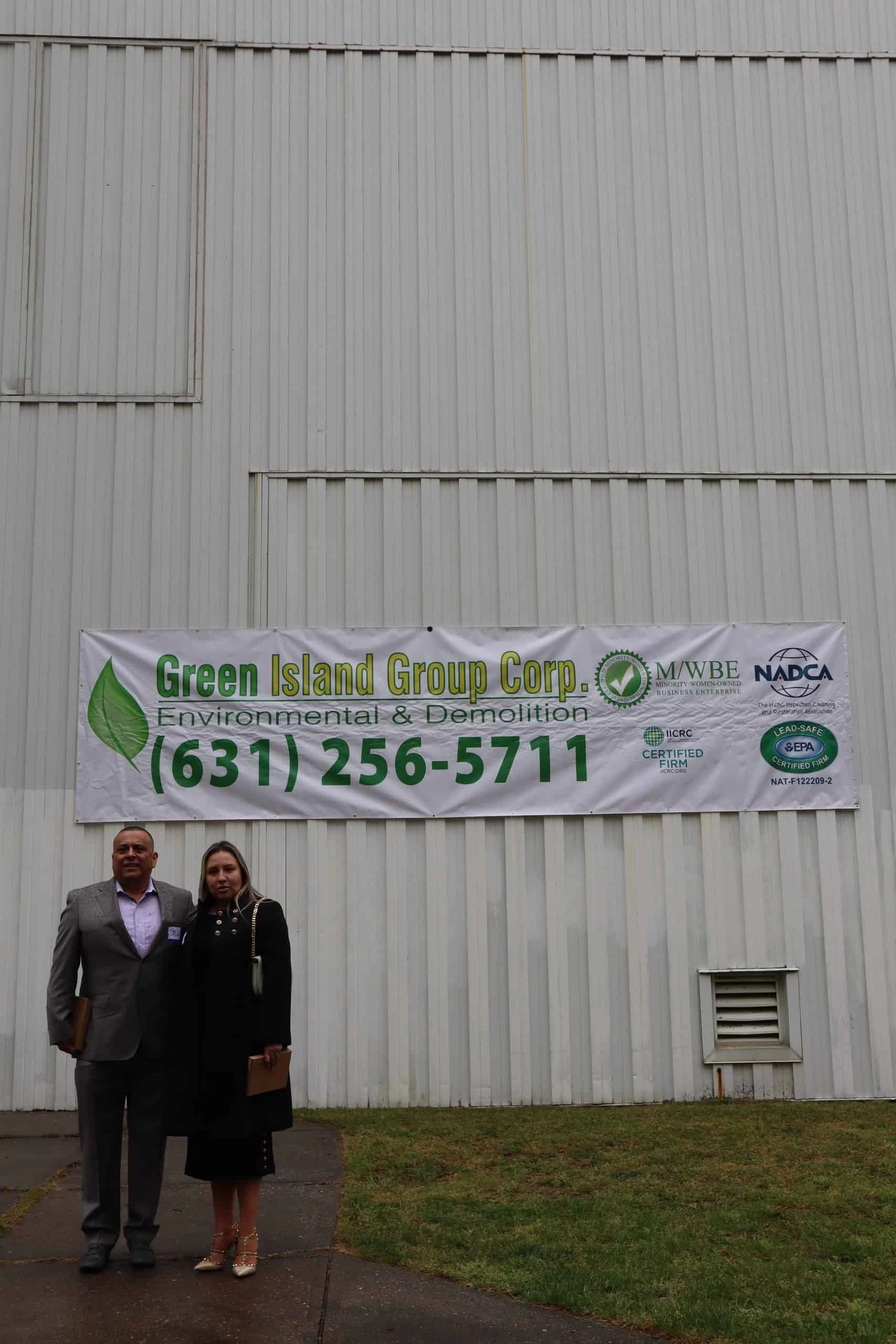
We’re also an approved emergency response contractor for the NYS Office of General Services and certified as a Minority and Woman-Owned Business Enterprise by New York State both independently verified credentials, not self-declared claims.
Emergency Basement Water Removal East Northport, NY
What Actually Happens From the First Call to the Final Clearance
When you call, you reach someone who can make decisions not a call center routing your job to whoever is available. We operate 24 hours a day, every day of the year, and our response to East Northport is measured in under an hour, not in business hours. That timeline matters because mold colonization can begin within 24 hours of a flood event, and every hour of standing water increases the cost and complexity of the cleanup.
Once on-site, we start with a full assessment before any equipment goes in. In East Northport’s older homes, that assessment includes checking for asbestos-containing materials floor tiles, pipe wrap, ceiling tiles that are common in pre-1978 construction and can be disturbed during water damage and the demolition that follows. If regulated materials are present, we handle them under our NYS DOL Asbestos license before proceeding. Same with lead paint, which is standard in homes built before 1978 under USEPA RRP rules.
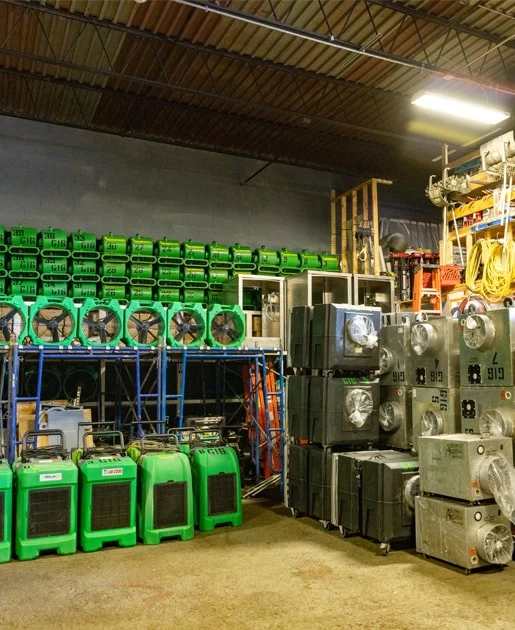
From there, we extract standing water, deploy industrial-grade dehumidifiers and air movers calibrated to your basement’s specific conditions, and monitor moisture levels until the readings confirm the space is genuinely dry. If structural materials drywall, framing, flooring need to come out and be replaced, we handle that too under our Suffolk County General Contractor license. Town of Huntington building permits are pulled when required. Throughout the process, we document everything for your insurance adjuster and handle billing directly with your carrier wherever coverage applies.
Flooded Basement Cleaning Service East Northport, NY
One Company Handles What Most Can't Touch
Flooded basement cleanup in East Northport isn’t a single-step job. Depending on what the water disturbed and how long it sat, the scope can range from straightforward water extraction and structural drying to full environmental remediation and reconstruction. We’re equipped to handle all of it which is not something most contractors in the Huntington area can honestly say.
Water extraction and emergency drying is where every job starts. Industrial pumps, truck-mounted extraction units, commercial dehumidifiers, and air movers go in fast. We don’t use residential equipment for commercial-scale problems. Moisture monitoring continues until readings confirm the space meets dry standards not just until it looks dry to the eye. If mold is already present, remediation follows under our NYS DOL Mold license and in full compliance with New York State Article 32.
For homes in East Northport’s pre-1978 building stock which is most of the community we include a hazmat assessment as part of the process. Asbestos surveys, lead paint evaluation, and proper handling of any regulated materials are conducted under our NYS DOL Asbestos license and USEPA Lead/RRP certification. If reconstruction is needed after materials are removed, our Suffolk County General Contractor license covers the rebuild. We also handle the insurance documentation and billing process directly, so you’re not left managing adjusters and paperwork on top of everything else. One call, one company, one complete job.
Why does my East Northport basement keep flooding every time it rains hard?
East Northport sits on Long Island’s glacially deposited sandy soils, which absorb water quickly but also saturate quickly. During heavy rain events especially the nor’easters that come off Long Island Sound the ground can reach full saturation within a few hours, and once that happens, water has nowhere to go except through the path of least resistance: your foundation walls and basement floor slab. Homes built in the 1940s and 1950s, which make up the majority of East Northport’s housing stock, were constructed before modern waterproofing membranes and drainage tile systems existed. Many still have original sump pump pits with aging equipment that was never sized for today’s storm intensity.
If your basement floods repeatedly during heavy rain, you’re most likely dealing with a combination of groundwater pressure pushing through the foundation and an overwhelmed or failing sump pump. A professional assessment can tell you whether the issue is the pump, the drainage, the foundation, or all three. Addressing the root cause not just cleaning up after each event is how you stop the cycle.
How quickly does mold grow after a basement flood, and why does it matter?
Mold can begin colonizing within 24 to 48 hours of a flood event. Basements in East Northport’s older homes check all the boxes for mold growth: moisture, organic material, and warm air. Original drywall, wood framing, and decades of accumulated material inside wall cavities give mold exactly what it needs to establish quickly, and once it’s behind a wall, it doesn’t stay contained.
The practical implication is that every hour of delay between the flood and the start of professional cleanup increases both the probability of mold growth and the cost of dealing with it. A basement that gets extracted and dried within the first 12 hours has a very different outcome than one that sits overnight or through a weekend. Delaying cleanup past 72 hours can add thousands of dollars to the remediation cost on top of the baseline water damage repair. Calling immediately even in the middle of the night is genuinely the right move.
Does homeowners insurance cover flooded basement cleanup in New York?
It depends entirely on the source of the water, and this is where a lot of homeowners in East Northport get caught off guard. Standard homeowners insurance typically covers sudden and accidental water damage from internal sources a burst pipe, a failed water heater, an appliance leak. That type of damage is usually covered. Groundwater intrusion, which happens when water pushes up through your foundation slab or seeps through foundation walls during heavy rain or high water table conditions, is generally not covered under standard homeowners insurance. Neither is flooding from an external storm event. Those scenarios typically require separate flood insurance through FEMA’s National Flood Insurance Program.
The documentation you submit to your adjuster matters enormously in determining what gets covered. Clear photos, moisture readings, a written damage assessment, and a detailed scope of work all strengthen your claim. We handle that documentation as part of the job and bill insurance carriers directly where coverage applies, which removes the most stressful part of the process for most homeowners.
Is asbestos really a concern during basement flood cleanup in East Northport?
Yes and it’s one of the most overlooked risks in this type of work. East Northport’s dominant housing stock was built in the 1940s and 1950s, during a period when asbestos-containing materials were standard in residential construction. Floor tiles, pipe insulation, ceiling tiles, and joint compound in homes of this era frequently contain asbestos. Under normal conditions, intact asbestos-containing materials don’t pose an immediate risk. But a flood event changes that. Water damage, the removal of wet flooring, and the demolition of damaged walls can disturb those materials and release fibers.
Under New York State Industrial Code Rule 56, any renovation or demolition that could disturb asbestos-containing materials requires a survey by a certified inspector and work by a licensed asbestos contractor. A water damage company that isn’t licensed for asbestos is legally required to stop work when regulated materials are found and refer you to a separate contractor which means delays, additional costs, and a second vendor to manage during an already difficult situation. We hold a NYS DOL Asbestos license and handle this as part of the same project, without interruption.
What should I do immediately after my basement floods while waiting for help to arrive?
The most important thing you can do is stop additional water from entering if possible, and avoid the space if there’s any chance of electrical hazard. If your electrical panel is in the basement and the area is flooded, don’t go in call your utility provider to shut off power before anyone enters. Once the space is safe to enter, don’t run fans or open windows thinking it will help dry things out faster. Without professional-grade dehumidification, moving air through a wet basement can actually spread moisture to areas that weren’t affected and increase the conditions for mold growth.
Document everything before anything is moved or removed. Photos and video of the water level, the affected materials, and any visible damage create the baseline your insurance adjuster will need. Don’t throw anything away yet even damaged materials may need to be assessed as part of the claim. Then call for professional extraction as quickly as possible. The sooner industrial equipment goes in, the better your outcome. In East Northport, where power outages during nor’easters are common and sump pump failures often affect multiple homes simultaneously, getting a crew on-site before the backlog builds is worth the immediate call.
How do I know the basement is actually dry and not just dry-looking after cleanup?
This is the right question to ask, and the honest answer is that you can’t tell by looking. A basement floor can feel dry to the touch while the wall cavity behind it holds moisture levels that will produce mold within days. Professional moisture assessment uses calibrated meters that measure moisture content inside walls, subfloor materials, and structural framing not just surface conditions. Thermal imaging can identify cold spots where moisture is hiding behind finished surfaces that would otherwise look completely normal.
In East Northport’s older homes, this matters more than it does in newer construction. Original drywall, plaster walls, and wood framing absorb and retain moisture differently than modern materials, and the limited ventilation in many mid-century basements slows the drying process even when equipment is running. We monitor moisture readings throughout the drying phase and don’t clear a job until the numbers not just the appearance confirm the space meets dry standards. That final clearance is documented, which also protects you if a mold issue surfaces later and there’s a question about whether the original cleanup was completed properly.