Baldwin's Aging Homes Deserve More Than a Wrecking Crew
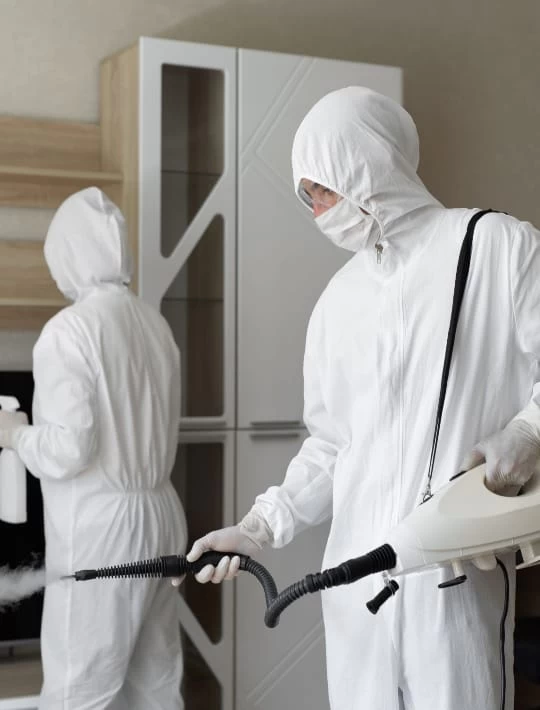
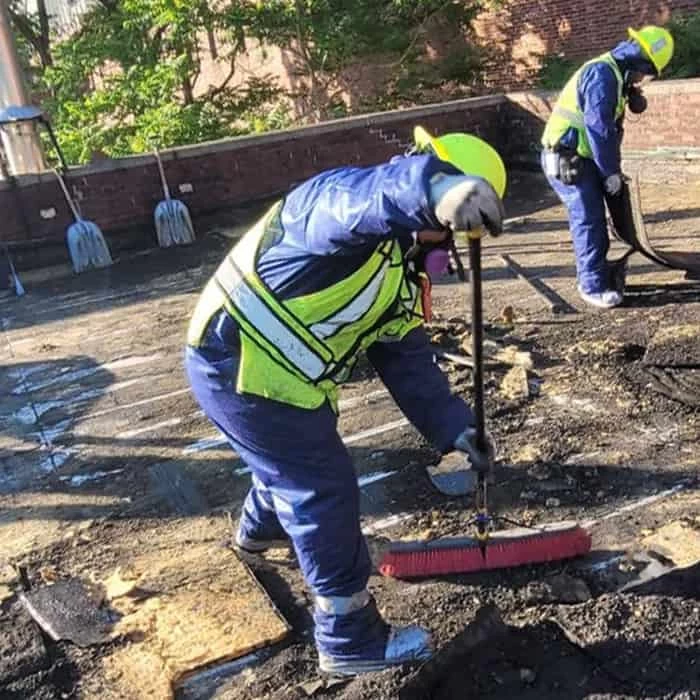
Most Baldwin homes were built before 1975 — and what’s behind those walls matters. We handle the assessment, abatement, and demolition so nothing gets missed and nothing comes back on you.
I needed a professional consultation explanation of procedure for safe removal of Asbestos in my apartment complex. Without having an account yet, I was very impressed with the caring, knowledgeable and generous advice offered by Jessica, and will look forward to doing business in the future. Thank you so much! I feel much more informed about a sometimes scary endeavor. Peace. Nancy Silva Mineola, NY.
Mia Munoz
Used this company to clean up some water flood in my house. They were fast and easy to work with.very professional, Would recommend to anyone!
Nini Valle
Great company, had a flood and they responded quickly and efficiently. Billed my insurance company directly. I highly recommend this company!
joe colapietro, jr
I had pipe freeze in my basement right before a snow storm and they made to within an hour to help start the clean up process. They we by our side throughout the entire process and even helped with the insurance company. They did such a great job with the cleanup, repair, remidiation, I contracted them to perform the repairs and finishes in the basement. They came with enough manpower and material to get the job done. Leo and Jessica were nothing but a pleasure to deal with!!
Cristian Arredondo c
I had some water damage in my home and Green Island was able to take care of my issue quickly and effectively. I am very pleased with the work they did. They responded quickly and were very professional.
Michael M
Outstanding service! From the office to the field crew everyone was friendly, helpful and responsive. I highly recommend Green Island Group.
Know Exactly What You're Getting Into Before Demo Starts
Baldwin’s post-war housing stock — the cape cods, ranches, and split-levels that define nearly every block in this hamlet — was built during an era when asbestos was standard and lead paint was everywhere. That’s the reality of owning or renovating a home here, and it shapes everything about how demolition should be handled.
When you hire a contractor who can only swing a hammer, you’re one wall cavity away from a project that stops cold. Licensed asbestos handling isn’t something every demolition company brings to the table in Nassau County — and when they don’t, you’re the one left coordinating a second contractor, waiting on their schedule, and absorbing the delay. Getting it handled under one roof from the start means your timeline stays intact and your project doesn’t stall at the worst possible moment.
Baldwin Harbor homeowners face an additional layer here. Canal-front properties with direct tidal exposure get hit hard by nor’easters and heavy rain events — the August 2024 storm that dropped over nine inches in a single day is a recent example of what South Shore flooding looks like in practice. Water-damaged walls in a pre-1980 home don’t just need demo — they often uncover soaked asbestos materials that have to be handled before anything else moves forward. That’s exactly the kind of situation where having one team licensed to do both makes the difference between a clean project and a regulatory headache.
We’re a full-service environmental contracting and demolition company serving residential and commercial clients across Long Island, with deep roots in Baldwin and the surrounding South Shore communities. What sets us apart in a market like Baldwin isn’t just experience — it’s the specific combination of credentials we hold. The NYS Department of Labor Asbestos Handling Contractor License is a state-mandated credential that most general demolition contractors don’t carry. We do, and it means we can legally assess, abate, and demolish in the same project without subcontracting the regulated work to someone else.
Baldwin falls under Town of Hempstead jurisdiction, and the permit process here has real moving parts — utility disconnection documentation, Nassau County rodent inspection certificates that expire in ten days, asbestos notification filings, and building department coordination. We know this process because we’ve worked through it on Nassau County South Shore projects before. We’re not new to Baldwin — we’ve handled jobs on the Grand Avenue corridor and Baldwin Harbor canal properties.
No Surprises — Here's What the Process Actually Looks Like
It starts with an on-site assessment. Before anything is touched, our team evaluates the scope of work and identifies whether hazardous materials are present. For Baldwin homes built before 1980 — which is most of them — this step isn’t optional. New York State law requires that asbestos-containing materials be identified and properly handled before demolition begins. Skipping it creates a liability that follows the property, not the contractor.
If asbestos or lead is found, abatement happens first. Our licensed team removes and disposes of the material with a documented chain of custody — a manifest that tracks everything from your property to a licensed disposal facility. That paperwork matters when you sell the home, when you pull future permits, or when a buyer’s attorney starts asking questions.
Once the hazmat work is cleared and documented, demolition proceeds. We pull permits through the Town of Hempstead Building Department in our name, schedule and manage inspections, and coordinate the rodent inspection certificate timing — which expires just ten days from issuance — so it doesn’t create a scheduling gap. When the work is done, you get post-project clearance testing that confirms the space is safe, not just that it looks finished.
Built for Baldwin's Housing Stock, Not a Generic Job List
We handle residential demolition across the full range of what Baldwin homeowners actually need — kitchen gut-outs, bathroom teardowns, basement demolition, interior wall removal, and full structural teardown. Given that virtually every home in the 11510 ZIP code falls within the pre-1978 lead paint threshold and the pre-1980 asbestos threshold, every residential project we take on is approached with environmental assessment built in from the start. That’s not an add-on — it’s how we do the work.
On the commercial side, Baldwin’s active revitalization along Grand Avenue and the Sunrise Highway corridor means there’s real demand for interior commercial demolition — tenant buildouts, retail gut renovations, and commercial kitchen teardowns. We carry the bonding capacity and insurance coverage that commercial property owners and landlords need before a contractor sets foot in a multi-tenant building. Our municipal project experience backs that up.
For Baldwin Harbor properties specifically, the combination of high-value waterfront homes, narrow canal lots, and elevated flood exposure creates a demolition environment that requires more than standard residential experience. Water-damaged framing, mold behind soaked walls, and asbestos materials disturbed by flooding are common scenarios in this part of the hamlet. Our ability to handle remediation and demolition together — without splitting the work between two companies — is what makes the difference on those jobs.
Do I need asbestos testing before demolishing a wall in my Baldwin home?
If your Baldwin home was built before 1980, the answer is almost certainly yes — and New York State law backs that up. The NYS Department of Labor requires that asbestos-containing materials be identified and properly handled before any demolition work begins. In Baldwin, where the overwhelming majority of the housing stock dates to the post-WWII building boom of the late 1940s through the early 1970s, this applies to nearly every renovation project that involves opening walls, removing flooring, taking down ceilings, or disturbing pipe insulation.
The materials that commonly contain asbestos in Baldwin-era homes include vinyl floor tiles, textured ceiling coatings, joint compound, pipe wrap, and roofing shingles. You won’t know what’s there just by looking at it — that’s what testing is for. Skipping this step doesn’t just create a health risk; it creates legal exposure for you as the property owner if materials are disturbed without proper documentation. We can coordinate the testing, handle the abatement if needed, and provide the clearance documentation before demolition moves forward.
Who pulls the demolition permit in Baldwin, NY — me or the contractor?
Demolition permits in Baldwin are issued through the Town of Hempstead Building Department, since Baldwin is an unincorporated hamlet — not a village with its own building office. A licensed contractor can and should pull the permit in their own name as the contractor of record. That’s how it works when you hire a properly licensed demolition company, and it protects you from being personally responsible for permit compliance during the project.
The Town of Hempstead permit process has several moving parts that trip up contractors who don’t work in Nassau County regularly. The application requires photographs of all building elevations, a survey with spot elevations, and documentation of PSEG electric disconnection. It also requires a Nassau County Department of Health Certificate of Rodent Free Inspection — which expires just ten days from the date it’s issued. If the contractor doesn’t plan around that window, it creates a scheduling gap that delays the project. We’ve pulled permits in this jurisdiction enough times to know how to sequence these requirements so nothing stalls.
What's the difference between interior demolition and full structural demolition?
Interior demolition means removing specific components inside a structure — walls, flooring, ceilings, cabinetry, fixtures — while the building itself stays standing. This is what most Baldwin homeowners are dealing with when they’re renovating a 1960s kitchen, gutting a basement after flooding, or opening up a floor plan in a post-war cape or ranch. The structure stays; the interior gets cleared to a defined scope.
Full structural demolition means taking the entire building down to the foundation or grade. This is less common in residential projects but does happen — particularly when a home has sustained severe storm or flood damage that makes renovation impractical, or when a property is being redeveloped entirely. Both types of demolition in Baldwin require permits through the Town of Hempstead Building Department, and both require hazardous materials assessment before work begins if the structure was built before 1980. The scope of the project determines which permit track applies and what documentation is required, but the environmental assessment requirement is consistent across both.
How does flooding in Baldwin affect a demolition project?
Baldwin’s South Shore location puts it in a consistent pattern of coastal storm surge, tidal flooding, and heavy rainfall that overwhelms local drainage. The hamlet’s high water table — a baseline condition throughout the area, especially near Milburn Creek and the canal-front neighborhoods of Baldwin Harbor — means that basements and below-grade spaces are particularly vulnerable. When water gets into a pre-1980 home, it doesn’t just damage drywall and framing. It can disturb asbestos-containing floor tiles, soak pipe insulation, and saturate wall assemblies that contain materials requiring licensed abatement before demolition can proceed.
This is why post-flood demolition in Baldwin is more complex than it looks. What appears to be a straightforward basement gut-out can involve asbestos floor tiles that were lifted and broken by hydrostatic pressure, mold growing behind water-damaged walls, and structural framing that needs to be assessed before removal. A contractor who handles only the demolition — and not the environmental component — leaves you coordinating a second company on an urgent timeline. Our combined licensing covers both, which is what makes the process manageable when you’re already dealing with a stressful situation.
Can I stay in my home during interior demolition in Baldwin?
It depends on the scope of work and whether hazardous materials are involved. For limited interior demolition — removing a non-load-bearing wall, gutting a single bathroom — it’s often possible to remain in the home if the work area is properly contained and isolated. We use physical barriers and negative air pressure systems to keep dust and debris from migrating into occupied areas of the house.
If the project involves asbestos abatement, the answer changes. During active asbestos removal, the affected area must be sealed and access restricted. Depending on how large the abatement area is and how it connects to the rest of the home, temporary relocation may be necessary for that phase of the project. After abatement is complete, independent air clearance testing confirms that airborne fiber counts are below regulatory thresholds before the space is reoccupied or opened back up. We address this during the initial assessment so there are no surprises when the work begins.
Does Green Island Group handle demolition projects along Baldwin's Grand Avenue commercial corridor?
Yes. Baldwin’s commercial core along Grand Avenue and Sunrise Highway is an active market right now — the hamlet received a $10 million Downtown Revitalization grant, and the Nassau County Complete Streets project is reshaping the corridor in ways that are already driving tenant turnover and commercial buildout activity. Interior commercial demolition — gutting a retail space for a new tenant, tearing out a commercial kitchen, clearing a storefront for a full renovation — is a regular part of our project scope.
Commercial demolition in a multi-tenant building or an occupied corridor like Grand Avenue requires a different level of coordination than a standalone residential job. Insurance coverage, bonding capacity, containment planning to protect adjacent tenants, and permit compliance with the Town of Hempstead Building Department all have to be managed simultaneously. Our municipal and commercial project background means we bring the infrastructure that commercial property owners and landlords need — not just the labor. If you’re a property owner or business operator on the Grand Avenue corridor with a demolition or buildout project in the pipeline, the process starts the same way it does for every project: an on-site assessment and a clear scope before anything else moves forward.