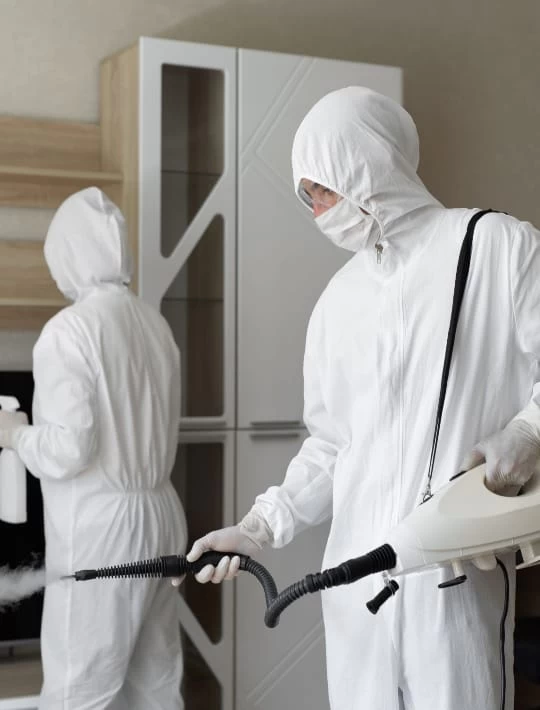
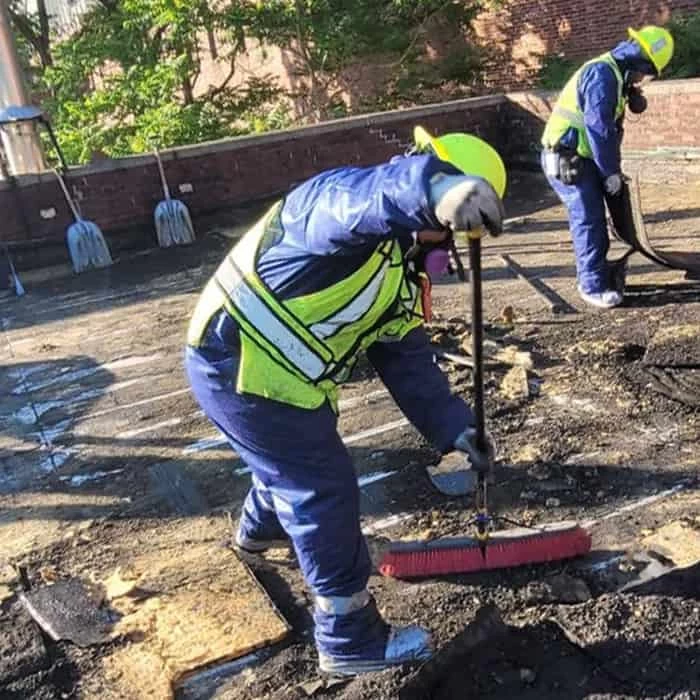
When your walls are coming down in a pre-war Five Towns home, what’s behind them matters as much as the work itself. We handle demolition, hazardous materials, and permits — all under one roof.
I needed a professional consultation explanation of procedure for safe removal of Asbestos in my apartment complex. Without having an account yet, I was very impressed with the caring, knowledgeable and generous advice offered by Jessica, and will look forward to doing business in the future. Thank you so much! I feel much more informed about a sometimes scary endeavor. Peace. Nancy Silva Mineola, NY.
Mia Munoz
Used this company to clean up some water flood in my house. They were fast and easy to work with.very professional, Would recommend to anyone!
Nini Valle
Great company, had a flood and they responded quickly and efficiently. Billed my insurance company directly. I highly recommend this company!
joe colapietro, jr
I had pipe freeze in my basement right before a snow storm and they made to within an hour to help start the clean up process. They we by our side throughout the entire process and even helped with the insurance company. They did such a great job with the cleanup, repair, remidiation, I contracted them to perform the repairs and finishes in the basement. They came with enough manpower and material to get the job done. Leo and Jessica were nothing but a pleasure to deal with!!
Cristian Arredondo c
I had some water damage in my home and Green Island was able to take care of my issue quickly and effectively. I am very pleased with the work they did. They responded quickly and were very professional.
Michael M
Outstanding service! From the office to the field crew everyone was friendly, helpful and responsive. I highly recommend Green Island Group.
What Changes When Demolition Is Done Right in Cedarhurst
Most homeowners in Cedarhurst don’t call a demolition contractor because they want demolition. They call because a renovation is waiting on the other side — a kitchen that finally opens up, a basement that stops flooding every nor’easter, a bathroom stripped down so it can be built back better. The demolition is just the part that has to happen first, and it has to happen cleanly.
Here’s where things go sideways in the Five Towns. A significant portion of Cedarhurst’s housing stock was built before 1960. That means floor tiles, pipe insulation, ceiling texture, and joint compound from an era when asbestos was standard. When a contractor who isn’t licensed to handle it disturbs those materials — even accidentally — you’re looking at a stop-work order, an emergency remediation bill, and a project that’s now weeks behind. The right contractor identifies it, handles it legally, and keeps your timeline intact.
The other thing Cedarhurst homeowners know well is water. Proximity to Jamaica Bay, a high water table, and aging infrastructure near Cedarhurst Park mean that basement flooding isn’t a one-time event — it’s a recurring reality. When water damage gets bad enough to require demolition, you need a contractor who can take the space from gutted to ready without handing you off to a second company and a second timeline.
One License Covers What Most Contractors Can't Touch
We’re a Long Island-based environmental contracting and demolition company. We hold the NYS Department of Labor Asbestos Handling Contractor License — the specific credential required by New York State law to legally remove asbestos-containing materials. That’s not a general contractor license. It’s a separate, regulated credential, and most contractors advertising demolition in Nassau County don’t have it.
What that means for you practically: when something is found behind a wall in your Cedarhurst home — and in homes built before 1960, something usually is — we handle it in-house. No subcontractors. No project pause while you wait for a third party to be scheduled. No gap in accountability between who did the demolition and who handled the hazmat.
We’ve worked throughout the Five Towns and understand what Cedarhurst projects actually involve — from the Village Building Department’s permit process to Nassau County’s rodent-free certification requirement to the flooding patterns that affect properties along Rockaway Turnpike and near Cedarhurst Park. That local knowledge isn’t incidental. It’s what keeps your project moving.
No Surprises — Here's How a Cedarhurst Project Runs
It starts with a site assessment. Before any work begins, we walk the property to understand the full scope — what’s coming down, what’s staying, and what the structure looks like beneath the surface. In a pre-war or mid-century Cedarhurst home, this step includes an evaluation for asbestos-containing materials and lead paint, because skipping it isn’t just risky — it’s a regulatory violation in New York State.
From there, permits get pulled. In Cedarhurst, that means a Village of Cedarhurst building permit through the village’s own Building Department, plus a Nassau County demolition permit. Nassau County also requires a rodent-free certification before demolition of any residential or commercial building — a requirement that catches a lot of homeowners off guard when they try to manage the permit process themselves. We handle all of it as part of the standard project scope.
Once permits are in place, the work begins in a controlled, sequenced order. If hazardous materials are present, abatement happens first, with proper containment and disposal documentation that follows the material from your property to a licensed facility. Structural demolition follows. The job site is maintained daily — in a village as dense as Cedarhurst, where your neighbors are close and the community is tight-knit, a clean and organized site isn’t optional. When the work is done, you receive the disposal manifests and documentation you’ll need if you ever sell the property or pull another permit.
Demolition That Covers the Full Scope — Not Just the Easy Parts
We handle residential interior demolition, full structural demolition, and commercial demolition — including buildout and renovation work along Central Avenue’s commercial corridor, where retail and office spaces turn over and require gut demolition before reconstruction can begin. Whatever the scope, the licensing and insurance coverage travel with the job.
For residential projects, the most common work in Cedarhurst involves selective interior demolition — taking down a kitchen wall, stripping a bathroom to the studs, clearing a basement after flooding. This kind of work requires precision, not just force. Load-bearing elements need to stay where they are. Adjacent finishes that aren’t part of the project need to stay intact. And in a home where you’re still living during the renovation, the difference between a manageable project and an uninhabitable one comes down to how carefully the demolition is executed.
For commercial clients on Central Avenue or elsewhere in the Five Towns, we carry the bonding capacity and insurance coverage that commercial projects require. Nassau County Fire Marshal permits, commercial occupancy considerations, and the additional regulatory layers that come with commercial work are part of what we manage — not something you figure out after the contract is signed. Every project, residential or commercial, ends with full disposal documentation. In a community where homes are selling for $500,000 to well over $1,000,000, that paper trail protects your investment long after the renovation is finished.
Do I need a permit for interior demolition in Cedarhurst, NY?
Yes — and in Cedarhurst, you’re dealing with two separate permit authorities, not one. The Village of Cedarhurst has its own Building Department with its own permit process, its own Building Official, and its own inspection schedule. That’s separate from Nassau County’s demolition permit requirements. Nassau County also requires a rodent-free certification before demolition of any residential or commercial building — a requirement many homeowners in the Five Towns don’t know exists until a project gets flagged for it.
The short answer is: don’t assume interior demolition is permit-free just because walls aren’t coming down on the outside. In an incorporated village like Cedarhurst, the village has active code enforcement and takes permit compliance seriously. A contractor who pulls the permit in their own name as the licensed contractor of record is the one who’s accountable for the work meeting code — and that accountability protects you as the property owner if anything comes up later.
What happens if asbestos is found during a demolition project in my Cedarhurst home?
Work stops on the affected area until the material is properly handled. Under New York State law, a contractor needs a NYS Department of Labor Asbestos Handling Contractor License to legally disturb, remove, or dispose of asbestos-containing materials. That’s not a general contractor license — it’s a specific, separate credential. If your contractor doesn’t hold it, they legally cannot continue the work, and you’re now looking at bringing in a licensed abatement company on short notice, which adds time and cost to a project that’s already mid-stream.
In Cedarhurst, where a large portion of the housing stock predates 1960, finding asbestos in floor tiles, pipe insulation, ceiling texture, or joint compound isn’t unusual — it’s the realistic expectation. The better approach is to work with a contractor who holds the abatement license from the start, so that if something is found, the project doesn’t stop. We handle asbestos abatement in-house, which means no subcontractors, no scheduling gaps, and no finger-pointing between the demo crew and the abatement crew.
How much does a demolition project typically cost in the Cedarhurst area?
It depends heavily on the scope, the condition of the structure, and what’s found during the assessment. A selective interior demolition — a kitchen gut or bathroom strip-down in a single-family home — typically runs differently than a full structural project or a post-flood basement clearance. Permit fees for the Village of Cedarhurst and Nassau County add to the total, and if asbestos abatement is required, that’s a separate line item with its own disposal and documentation costs.
What’s worth understanding in the Five Towns market specifically is that the cost of skipping proper abatement or permit compliance doesn’t disappear — it just shows up later, usually as a stop-work order, an emergency remediation bill, or a complication when you go to sell a home worth $700,000 or more. The contractors who quote low by skipping those steps aren’t saving you money. They’re moving the cost to a worse place. A detailed written estimate that breaks out permit fees, testing, abatement if applicable, and demolition labor separately is the clearest way to understand what you’re actually paying for.
What is a rodent-free certification, and do I need one for demolition in Nassau County?
A rodent-free certification is exactly what it sounds like — documentation confirming that the property is free of active rodent infestation before demolition begins. Nassau County requires this certification prior to demolition of any residential, commercial, or industrial building. It’s not optional, and it applies to projects in Cedarhurst just as it does anywhere else in Nassau County.
This requirement catches a lot of homeowners off guard because it’s not something you’d think to look for on your own. The certification needs to be obtained before the demolition permit is issued, which means if you’re managing the permit process yourself and you don’t know about this step, you’ll hit a wall at the county level and lose time on your project timeline. A contractor who handles the full permit process — including the rodent-free certification — as part of their standard scope removes that bottleneck entirely. It’s one of those things that sounds minor until it’s the reason your project is delayed two weeks.
My Cedarhurst basement flooded — do I need demolition before restoration can start?
In most cases, yes. After significant water intrusion, drywall, insulation, and sometimes framing absorb moisture to the point where they can’t be dried out effectively — they have to come out. Leaving wet materials in place creates a mold environment within 24 to 48 hours, and mold remediation on top of water damage restoration is a more complicated and expensive project than if the damaged materials are removed promptly.
Cedarhurst’s proximity to Jamaica Bay, combined with the area’s high water table and aging infrastructure, means basement flooding is a recurring issue for a lot of homeowners in the Five Towns — not a one-time event. Properties near Cedarhurst Park are particularly prone to water intrusion due to older drainage infrastructure. The most efficient path from flooded to finished is a contractor who handles both the demolition of damaged materials and the restoration work that follows, under a single contract. That eliminates the scheduling gap between a demo crew finishing and a restoration crew starting, which is often where projects stall and mold gets a foothold.
How do I know if a demolition contractor in Cedarhurst is actually licensed for the work?
The most important credential to verify for demolition work in New York is the NYS Department of Labor Asbestos Handling Contractor License, which is publicly searchable through the NYS DOL website. This is separate from a general contractor license or a home improvement license — it’s the specific credential required to legally remove or disturb asbestos-containing materials, which is a realistic possibility in virtually any Cedarhurst home built before 1980.
Beyond that, confirm that the contractor pulls permits in their own name as the licensed contractor of record — not in yours. When a contractor pulls the permit, they’re accepting legal accountability for the work meeting code. If they ask you to pull the permit yourself, that’s a signal worth paying attention to. You should also ask for proof of general liability insurance and workers’ compensation coverage before any work begins. In a dense, close-knit village like Cedarhurst, where homes sit close together and the community takes both reputation and property value seriously, working with a contractor who is fully licensed, insured, and permit-compliant isn’t just about following rules — it’s about protecting a significant asset.