When the Walls Come Down, the Hazards Come With Them
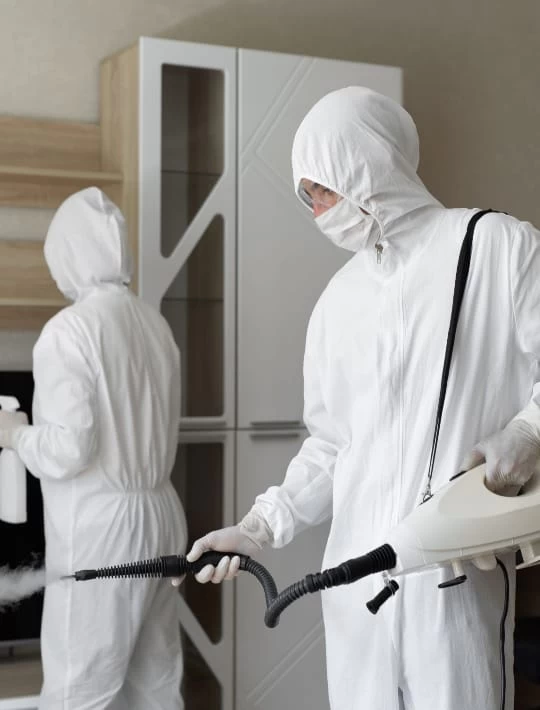
Most East Massapequa homes were built before 1980 — and behind those walls is often more than drywall. We handle demolition and licensed asbestos abatement together, so nothing gets missed and nothing gets left on you.
I needed a professional consultation explanation of procedure for safe removal of Asbestos in my apartment complex. Without having an account yet, I was very impressed with the caring, knowledgeable and generous advice offered by Jessica, and will look forward to doing business in the future. Thank you so much! I feel much more informed about a sometimes scary endeavor. Peace. Nancy Silva Mineola, NY.
Mia Munoz
Used this company to clean up some water flood in my house. They were fast and easy to work with.very professional, Would recommend to anyone!
Nini Valle
Great company, had a flood and they responded quickly and efficiently. Billed my insurance company directly. I highly recommend this company!
joe colapietro, jr
I had pipe freeze in my basement right before a snow storm and they made to within an hour to help start the clean up process. They we by our side throughout the entire process and even helped with the insurance company. They did such a great job with the cleanup, repair, remidiation, I contracted them to perform the repairs and finishes in the basement. They came with enough manpower and material to get the job done. Leo and Jessica were nothing but a pleasure to deal with!!
Cristian Arredondo c
I had some water damage in my home and Green Island was able to take care of my issue quickly and effectively. I am very pleased with the work they did. They responded quickly and were very professional.
Michael M
Outstanding service! From the office to the field crew everyone was friendly, helpful and responsive. I highly recommend Green Island Group.
Why East Massapequa Homeowners Need One Contractor for Demo and Abatement
When you hire a demolition contractor who isn’t licensed for asbestos abatement, the project stops the moment something hazardous turns up. That’s not a hypothetical in East Massapequa — it’s a near-certainty. The Cape Cods and ranch homes that line the streets between Merrick Road and the Southern State Parkway were built during the exact era when asbestos-containing materials were standard: floor tiles, pipe insulation, textured ceilings, joint compound. Opening those walls without the right licensing isn’t just a health risk — it’s a federal violation.
We hold both the demolition licensing and the NYS Department of Labor Asbestos Handling Contractor License. That means when asbestos shows up mid-project — and it often does in East Massapequa — the same team that started the job finishes it. No three-week pause waiting for a separate abatement subcontractor. No gap in accountability. No finger-pointing between two different companies when something doesn’t go as planned.
For homeowners near the southern end of East Massapequa, closer to the bay, there’s another layer to consider. Flooding from nor’easters and storm surges has affected streets south of Merrick Road more than once. Water damage moves fast, and mold follows close behind. When demolition is part of a storm recovery, speed and proper containment matter just as much as the demo work itself. We handle both — and we’ve done it across Nassau County’s South Shore communities before.
We’re a full-service environmental contracting and demolition firm based in Bohemia, NY, serving Long Island and the greater New York City metro area. We’re not a general contractor who added demolition to our list — environmental abatement is the core of what we do, and demolition is built around it.
For East Massapequa specifically, that distinction matters. This is a Town of Oyster Bay jurisdiction, which means demolition permits go through the Town’s Building Division — with the closest annex right on Hicksville Road in Massapequa. We pull permits in our own name as the licensed contractor of record. That’s not standard across the industry. Contractors who ask you to pull your own permit are usually telling you something about their licensing without saying it out loud.
Our review record reflects the kind of experience that keeps people referring us to neighbors: fast responses, clear communication, staff members who make an impression by name. In a category where going silent after the estimate is practically a cliché, that track record is worth something real.
How We Run a Demolition Project in East Massapequa From Start to Finish
It starts with an assessment. Before any demo work begins, we evaluate the scope of the project and the age of the materials involved. For pre-1980 homes — which describes the overwhelming majority of East Massapequa’s residential stock — that means identifying any suspect materials that require testing or licensed abatement before demolition can legally proceed. This isn’t a delay tactic. It’s the step that keeps you legally protected and keeps the project from stopping cold halfway through.
If hazardous materials are confirmed, abatement happens first, on the same project timeline, with the same crew. No handoff, no scheduling gap, no waiting on a separate company to clear the site. Once abatement is complete and post-project air clearance testing confirms the space is clean, demolition moves forward. The permit — filed with the Town of Oyster Bay — is pulled in our name before work begins, and all disposal documentation, waste manifests, and clearance certificates are provided to you at the end of the project.
That paperwork matters more than most homeowners realize at the time. East Massapequa is a high-value real estate market. When you eventually sell, a buyer’s attorney will ask about permits, inspections, and — in any pre-1980 home — asbestos abatement records. Having that full paper trail is an asset. We build it into every job as a standard, not an add-on.
Commercial Demolition Contractors Nassau County NY
What's Included in Our Demolition Services for East Massapequa
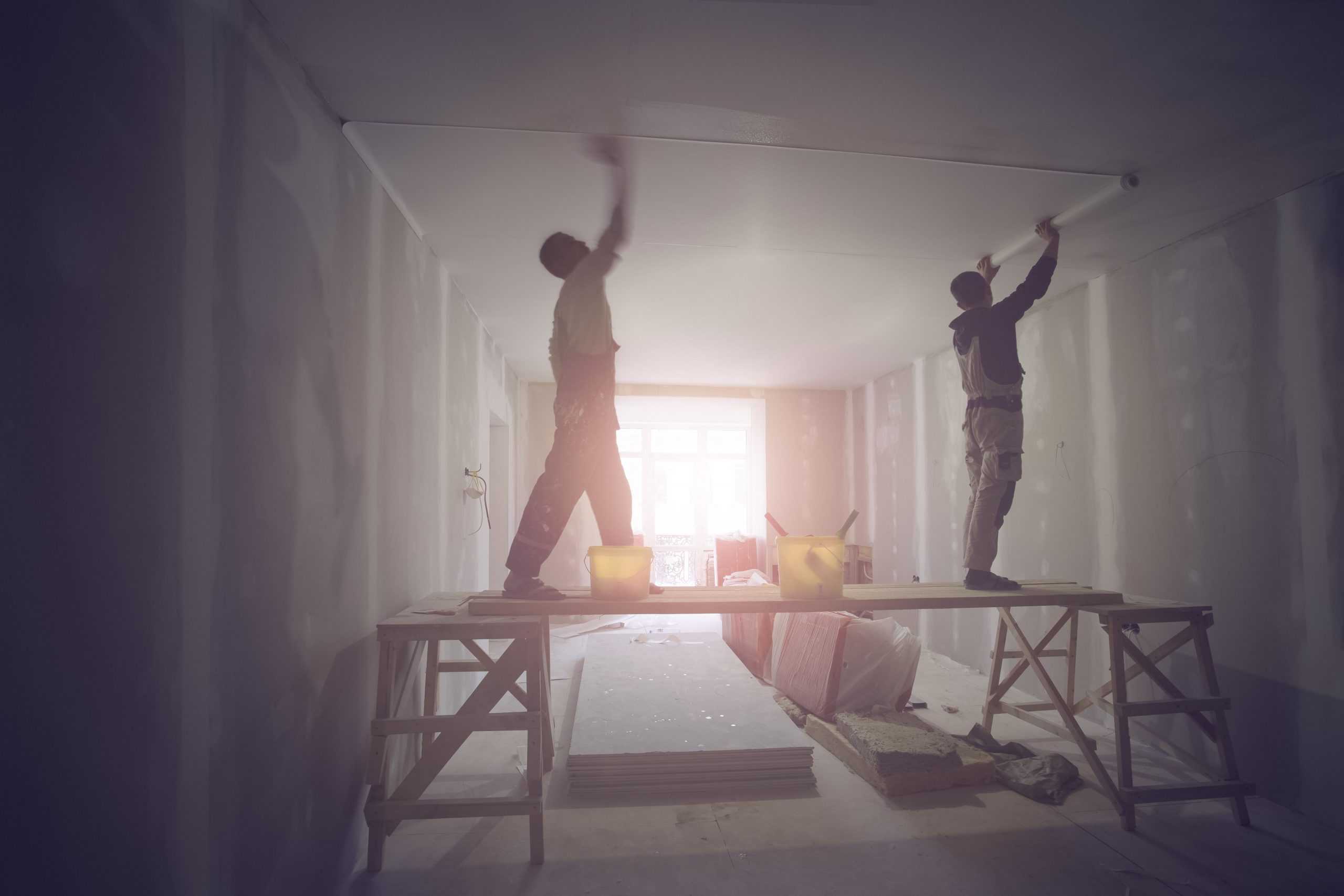
Whether you’re gutting a kitchen in a 1960s Cape Cod off Merrick Road, converting a basement, removing a load-bearing wall, or handling a full interior demo before a major renovation, the scope of work is built around what your specific project actually requires — not a one-size package. Residential demolition in East Massapequa almost always involves an environmental component, and our services reflect that reality: hazardous materials assessment, NYS DOL-licensed asbestos abatement, mold remediation when water damage is part of the picture, full demolition, debris removal, and post-project clearance testing.
For commercial projects along the Sunrise Highway corridor or near the Carmans Road commercial strip, we carry the bonding capacity and insurance coverage that commercial property owners and property managers require. A contractor whose entire background is residential work often doesn’t have the systems or the coverage for a commercial job — we handle both without a different team or a different process.
Every project includes permit filing with the Town of Oyster Bay in our name, complete disposal documentation for any hazardous materials removed, and air clearance testing after abatement. You’re not left to chase down paperwork after the crew leaves. Everything is documented, delivered, and ready for your records — whether you’re staying in the house for another twenty years or planning to list it.
Do I need a permit for demolition work in East Massapequa, NY?
Yes — and in East Massapequa, that permit comes from the Town of Oyster Bay, not a local village office. Because East Massapequa is an unincorporated hamlet, there’s no separate village government handling building permits. Everything goes through the Town of Oyster Bay’s Building Division, with the closest annex located at 977 Hicksville Road in Massapequa. Under Town of Oyster Bay code, it’s unlawful to demolish any structure — with very limited exceptions for small storage sheds under 100 square feet — without a building permit in place first.
The permit needs to be filed by the licensed contractor of record, not the homeowner. If a contractor asks you to pull your own demolition permit, that’s worth asking about directly — it can mean they’re not licensed to pull it themselves, which shifts the legal accountability for the work onto you. We file the permit in our own name on every job, so that responsibility stays where it belongs.
Does my East Massapequa home need asbestos testing before demolition starts?
If your home was built before 1980, the honest answer is: probably yes, and you should find out before anyone swings a hammer. East Massapequa’s housing stock is predominantly post-war construction from the late 1940s through the 1970s — exactly the era when asbestos-containing materials were standard in residential building. Nine-inch vinyl floor tiles, textured ceiling coatings, pipe insulation in utility areas, roofing felt, and joint compound used in walls during that period routinely contained asbestos. You can’t tell by looking at them.
Under EPA NESHAP regulations, demolition that disturbs asbestos-containing materials above threshold quantities without a licensed abatement contractor on-site is a federal violation — and the liability doesn’t fall on the contractor alone. We conduct a hazardous materials assessment before any demolition begins, so you know exactly what you’re dealing with before the project starts. If abatement is needed, we’re already licensed to handle it without bringing in a separate company or pausing the job.
What's the difference between a demolition contractor and an abatement contractor?
A general demolition contractor is licensed to remove and dispose of standard building materials — drywall, wood framing, concrete, tile. An abatement contractor holds a separate, specific license — in New York State, that’s the NYS Department of Labor Asbestos Handling Contractor License — that authorizes them to legally disturb, remove, and dispose of asbestos-containing materials. These are two different licenses, and most contractors only hold one of them.
In practice, what that means for a homeowner in East Massapequa is this: if you hire a demolition-only contractor and they find asbestos mid-project, they have to stop. They can’t legally touch it. You then need to find and schedule a separate abatement contractor, wait for them to clear the site, and restart the demo — often weeks later. We hold both licenses, which means the project doesn’t stop when something hazardous turns up. The same team handles it and keeps moving.
How much does interior demolition typically cost in Nassau County?
The honest answer is that it depends heavily on the scope, the age of the home, and what’s found during the initial assessment. A straightforward interior demo — one room, no hazardous materials — will cost significantly less than a full gut renovation in a pre-1980 home where asbestos abatement is required. In Nassau County, where the housing stock skews older and environmental components are common, getting a quote that doesn’t account for the possibility of asbestos or mold is often a quote that’s going to change.
What you’re really paying for in a project like this is compliance and documentation — the licensed abatement work, the proper disposal manifests, the air clearance testing, and the permit filing. Contractors who quote significantly lower than the market often aren’t including those pieces. In a high-value real estate market like East Massapequa, cutting those corners creates liability that follows the property, not the contractor. The better question to ask any contractor is: what does your quote include if asbestos is found?
My home flooded after a storm — do I need demolition before repairs can start?
In most cases, yes. When a home floods — whether from a nor’easter, a bay surge event, or a backed-up drain — water saturates wall cavities, insulation, and subfloor materials quickly. Mold can begin developing within 24 to 48 hours in those conditions. Before any repair or reconstruction can happen, the water-damaged materials typically need to come out: drywall, insulation, flooring, and sometimes framing depending on the extent of the damage.
For East Massapequa homes south of Merrick Road — the area that’s seen the most significant flooding during major storm events — this is a real and recurring scenario, not a hypothetical. The complication in older homes is that the materials being demolished may contain asbestos, which means the demolition can’t legally proceed without licensed abatement first. We handle both the emergency demolition response and the abatement work, so you’re not trying to coordinate two separate contractors while your house is sitting wet. Speed matters in these situations, and having one team that can do both cuts days off the timeline.
How do I know if a demolition contractor is actually licensed for asbestos work in New York?
New York State makes this verifiable. The NYS Department of Labor maintains a public database of licensed asbestos contractors, and you can search it by company name to confirm whether a contractor holds an active Asbestos Handling Contractor License. A general contractor license does not cover asbestos work — they are separate credentials with separate requirements, and not every demolition company in Nassau County holds both.
It’s worth checking before you sign anything, especially in East Massapequa where the age of the housing stock makes asbestos a realistic part of almost any major demolition project. Ask the contractor directly: do you hold a NYS DOL Asbestos Handling Contractor License, and can you provide the license number? A legitimate contractor will give you that answer without hesitation. We hold this license and pull all required permits in our own name — so the documentation trail is clean from the first day of the project to the last.