When Your 1950s East Norwich Home Needs to Come Down Right
Most homes in East Norwich were built decades before anyone worried about what was inside the walls. We handle demolition and whatever comes with it — asbestos, lead paint, mold — so your project doesn’t stop the moment something gets discovered.
I needed a professional consultation explanation of procedure for safe removal of Asbestos in my apartment complex. Without having an account yet, I was very impressed with the caring, knowledgeable and generous advice offered by Jessica, and will look forward to doing business in the future. Thank you so much! I feel much more informed about a sometimes scary endeavor. Peace. Nancy Silva Mineola, NY.
Mia Munoz
Used this company to clean up some water flood in my house. They were fast and easy to work with.very professional, Would recommend to anyone!
Nini Valle
Great company, had a flood and they responded quickly and efficiently. Billed my insurance company directly. I highly recommend this company!
joe colapietro, jr
I had pipe freeze in my basement right before a snow storm and they made to within an hour to help start the clean up process. They we by our side throughout the entire process and even helped with the insurance company. They did such a great job with the cleanup, repair, remidiation, I contracted them to perform the repairs and finishes in the basement. They came with enough manpower and material to get the job done. Leo and Jessica were nothing but a pleasure to deal with!!
Cristian Arredondo c
I had some water damage in my home and Green Island was able to take care of my issue quickly and effectively. I am very pleased with the work they did. They responded quickly and were very professional.
Michael M
Outstanding service! From the office to the field crew everyone was friendly, helpful and responsive. I highly recommend Green Island Group.
Your East Norwich Renovation Moves Forward Without Surprise Delays
Here’s what most East Norwich homeowners don’t realize until they’re already mid-project: their contractor found something behind the walls, and now everything is on hold. The demo crew can’t touch it. The abatement company can’t come out for two weeks. And you’re left managing a half-torn-apart kitchen in a home you’ve lived in for twenty years.
That’s the problem we were built to solve. When you’re renovating a Norwich Green cape or gutting a Pine Hollow split-level, the odds are high that your home contains asbestos-containing materials — floor tiles, pipe insulation, joint compound, ceiling texture. Homes in ZIP code 11732 were primarily built in the 1940s and 1950s, which puts virtually every gut renovation in East Norwich squarely in regulated territory under New York State Industrial Code Rule 56.
What changes when you work with a contractor who holds the NYS Department of Labor Asbestos Handling Contractor License and performs demolition in-house? Your project doesn’t stop. The assessment happens first, the abatement happens next, and the demo follows — all under one contract, one timeline, and one team that already knows what they’re walking into.
Residential Demolition Contractors Serving East Norwich
One License, One Team, One Less Thing to Manage
Green Island Group is a full-service environmental contracting and demolition company serving Long Island and the greater New York City metro area. We’re not a junk removal company that added “demo” to our website. We hold the licensing, the insurance, and the operational depth to handle the full scope of what demolition in an aging East Norwich home actually requires.
East Norwich sits within the Town of Oyster Bay, which means every structural demolition project here runs through the Oyster Bay Building Division at 74 Audrey Avenue. We navigate that permit process as the licensed contractor of record — pulling permits in our own name, managing inspections, and delivering fully documented projects that protect your property record.
With a 4.7-star Google rating and reviews that name specific staff members by name, our track record speaks for itself. When your home is worth close to a million dollars, the contractor you hire matters.
What Actually Happens from First Call to Final Clearance
It starts with a site assessment. Before any walls come down in an East Norwich home, a NYS DOL-certified inspector evaluates the property for asbestos-containing materials, lead paint, and mold — because New York State law requires it, and because knowing what’s there before demolition starts is the only way to keep your project on schedule.
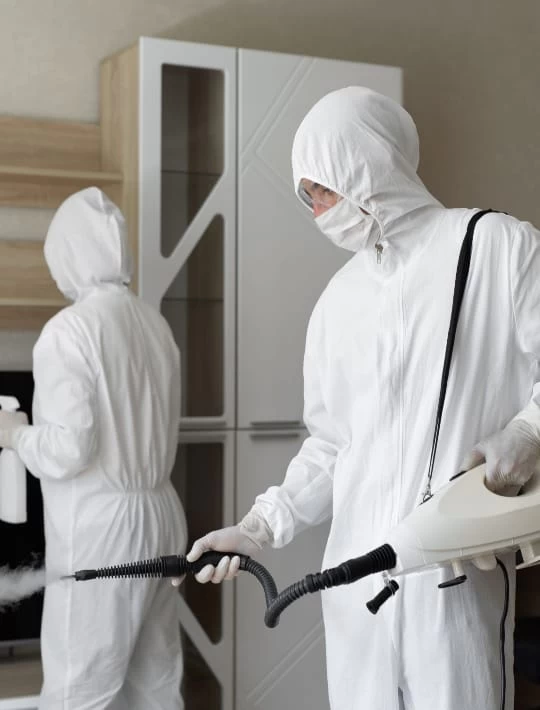
If hazardous materials are present, abatement happens first. Our licensed crew handles removal and disposal using proper containment, certified disposal manifests, and post-abatement air clearance testing. That last part matters: you get documentation proving the space is clean — not a verbal assurance, but a clearance certificate you can hold onto and show at resale.
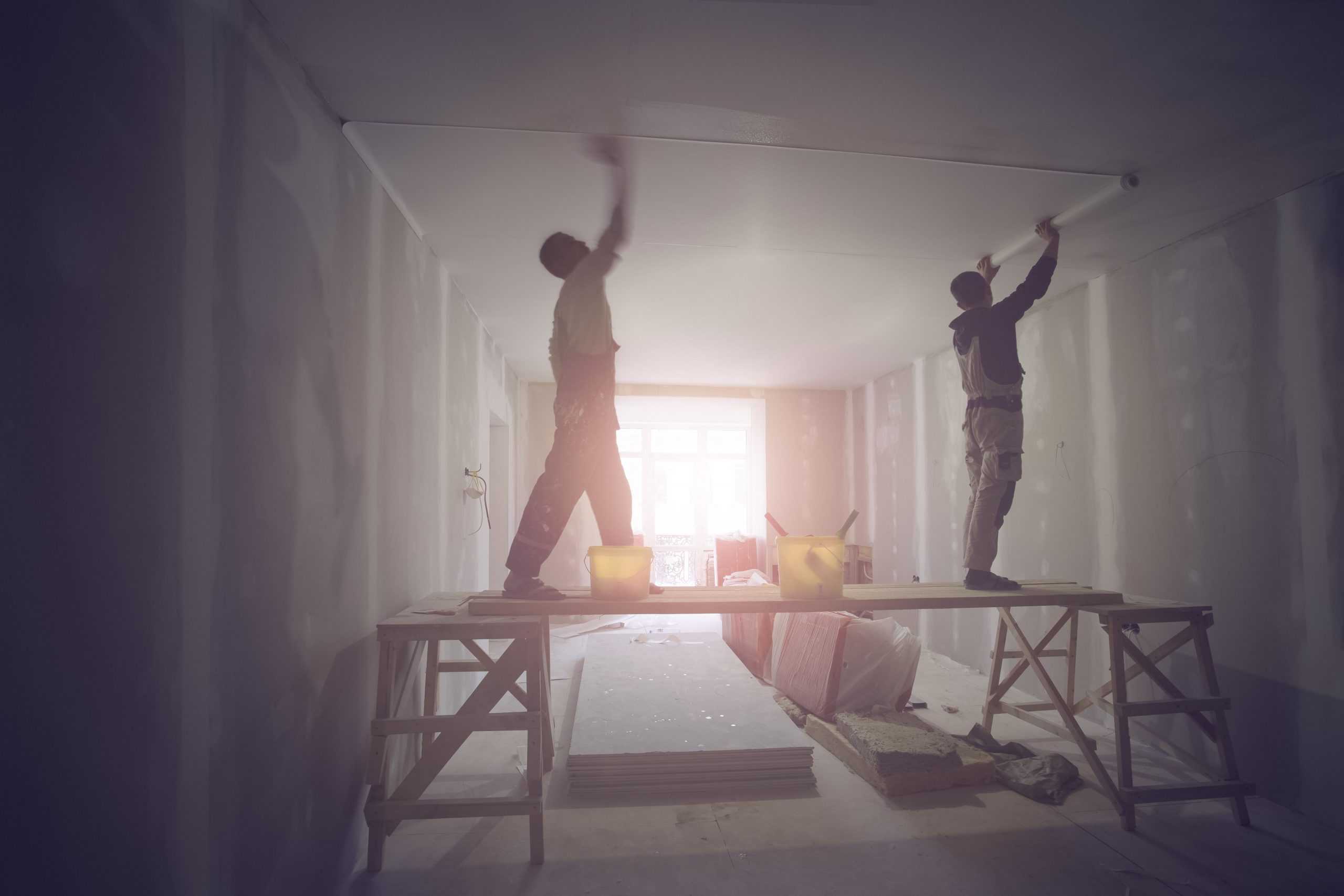
Once the space is clear, demolition proceeds — whether that’s selective interior demo on a single room, a full gut renovation, or complete structural teardown. The Town of Oyster Bay permit is already pulled. The inspection schedule is already managed. By the time we’re done, you have a clean, documented, fully permitted project ready for the next phase of your renovation.
We handle selective interior demolition, full structural demolition, asbestos abatement, lead paint removal, mold remediation, and post-project restoration. For East Norwich homeowners — whether you’re in The Hollows off Route 25A, the Radcliff Drive neighborhood, or one of the older Norwich Green capes behind Rothmann’s — that full scope under one roof is what keeps your project from falling apart when something unexpected turns up.
The homes in this hamlet were built across several decades, and each era carries its own hazardous materials profile. The 1940s and 1950s builds in Norwich Green and Radcliff Drive are high-probability asbestos sites. The 1960s Pine Hollow homes add lead paint to that picture. Even the 1970s Hollows development sits at the tail end of asbestos use in residential construction — close enough that testing is always the right call before any assumption of clearance.
Beyond residential work, we also serve commercial property owners and managers in the broader Oyster Bay corridor. The bonding, insurance depth, and project management infrastructure are already in place for larger-scale work — so whether it’s a tenant buildout near the Pine Hollow shopping center or a full residential teardown-and-rebuild, the capacity is there.
Do I need a permit to demolish walls or rooms in my East Norwich home?
Yes — and the permit comes from the Town of Oyster Bay, not Nassau County directly. East Norwich falls within Oyster Bay’s jurisdiction, which means any structural demolition, removal, or significant alteration requires a building permit through the Town of Oyster Bay Building Division at 74 Audrey Avenue in Oyster Bay. This applies to gut renovations, room-level demo, and full structural teardowns alike.
The good news is that a licensed contractor can pull that permit in their own name as the contractor of record, which means you don’t have to navigate the Building Division process yourself. We handle permitting as a standard part of every project — the permit is pulled before work starts, inspections are scheduled and managed, and you receive a fully documented, permitted project at the end. Unpermitted demolition work in East Norwich can create real problems at resale, particularly on homes valued near or above $1 million where buyer attorneys look closely at the property record.
How do I know if my East Norwich home has asbestos before starting demolition?
The honest answer is: you don’t know until it’s tested. And in East Norwich, where the majority of homes were built in the 1940s through the 1970s, the probability is high enough that testing isn’t optional — it’s legally required. New York State Industrial Code Rule 56 mandates a certified asbestos survey by a NYS DOL-certified inspector before any renovation or demolition that could disturb suspect materials. That survey has to happen before the first wall comes down.
Asbestos was used in dozens of common building materials throughout the decades when East Norwich’s housing stock was built — floor tiles, ceiling texture, pipe insulation, joint compound, roofing materials, and boiler wrap were all common applications. The materials don’t look dangerous. They often look like perfectly ordinary building components. That’s exactly why the survey matters. Our certified inspectors assess the property, identify suspect materials, collect samples, and provide lab-confirmed results before any demolition work begins.
What happens if asbestos is found during demolition in Nassau County?
Work stops — but only if your contractor isn’t licensed to handle it. That’s the critical distinction. If you hired a general contractor or a demo crew that doesn’t hold a NYS DOL Asbestos Handling Contractor License, they are legally prohibited from touching the material. The project goes on hold while you find a licensed abatement company, coordinate schedules, and wait for clearance before demo can resume. That process can add weeks and thousands of dollars to a project that was supposed to be straightforward.
When we’re on the job, the discovery doesn’t stop the project. Our licensed abatement crew handles containment, removal, and certified disposal in-house — following NYS ICR 56 protocols, using proper waste manifests, and completing post-abatement air clearance testing before demolition resumes. For East Norwich homeowners managing renovation timelines around school calendars, contractor dependencies, and busy work schedules, that continuity isn’t a minor convenience. It’s the difference between a project that finishes in the expected window and one that drags on indefinitely.
How much does a demolition project typically cost in East Norwich, NY?
Demolition costs in East Norwich vary based on the scope of work, the size of the structure or space, and — critically — what hazardous materials are present. A selective interior demolition of a single kitchen or bathroom in a pre-1980 East Norwich home will cost less than a full gut renovation or structural teardown, but any project in this area should budget for the possibility of asbestos abatement, lead paint removal, or both.
For a typical interior demolition with asbestos abatement in a mid-century East Norwich home, costs generally range from a few thousand dollars for a contained single-room project to significantly more for full-floor or whole-house scope. Full structural demolition of a residential property — the kind that precedes a teardown-and-rebuild — runs higher still, particularly when disposal, permitting, and environmental documentation are factored in. The most reliable way to get an accurate number is a site assessment, which we provide before any work is scoped or priced. There are no guesses on a project like this — the assessment drives the number.
Can a tree or storm damage to my East Norwich home require emergency demolition?
Yes, and it happens more often than most homeowners expect. East Norwich’s mature, wooded landscape — the same tree canopy that defines the hamlet’s character along Highwood Road and the interior residential streets — creates real structural risk during nor’easters, ice storms, and high-wind events. When a large tree comes through a roof or a major limb compromises a load-bearing wall, the damaged structure often needs to be safely cleared before any restoration work can begin.
Emergency demolition in this context isn’t just about removing debris. If the impact disturbed building materials in a pre-1980 home — dislodged ceiling tiles, broken pipe insulation, cracked floor materials — there’s a real possibility that asbestos-containing materials were disturbed in the process. That changes the regulatory picture immediately. We can respond to storm damage situations, assess for any hazardous material exposure created by the damage, handle any required abatement, and clear the structure safely — all before the restoration phase begins. Having one team that can do all of that in sequence matters when you’re dealing with an urgent situation.
Why should I hire a licensed demolition contractor instead of a general handyman in East Norwich?
Because in East Norwich, the legal and financial exposure of hiring an unlicensed operator is real and it follows the property. New York State requires that any contractor disturbing asbestos-containing materials hold a valid NYS DOL Asbestos Handling Contractor License. A general handyman or unlicensed demo crew working in a pre-1980 East Norwich home without that license is in violation of state law — and the liability for improper asbestos disturbance or disposal doesn’t disappear when the job is done. It surfaces in home inspections, in title searches, and in conversations with buyers’ attorneys when a $970,000 home changes hands.
Beyond the legal exposure, there’s the practical reality of what happens when an unlicensed contractor hits something they can’t handle. The project stops. You’re left finding a licensed abatement company mid-renovation, managing two separate contractors, and absorbing the cost and delay of a situation that a properly licensed contractor would have anticipated and handled as part of the original scope. For a community where homes are valued at close to a million dollars and buyers are represented by attorneys who ask detailed questions, doing the job correctly from the start isn’t just the right call — it’s the financially sound one.