Kings Point’s estates weren’t built yesterday — and tearing into them without the right credentials is how projects go sideways fast. We handle demolition and hazardous material abatement under one roof, so nothing stops mid-project.
I needed a professional consultation explanation of procedure for safe removal of Asbestos in my apartment complex. Without having an account yet, I was very impressed with the caring, knowledgeable and generous advice offered by Jessica, and will look forward to doing business in the future. Thank you so much! I feel much more informed about a sometimes scary endeavor. Peace. Nancy Silva Mineola, NY.
Mia Munoz
Used this company to clean up some water flood in my house. They were fast and easy to work with.very professional, Would recommend to anyone!
Nini Valle
Great company, had a flood and they responded quickly and efficiently. Billed my insurance company directly. I highly recommend this company!
joe colapietro, jr
I had pipe freeze in my basement right before a snow storm and they made to within an hour to help start the clean up process. They we by our side throughout the entire process and even helped with the insurance company. They did such a great job with the cleanup, repair, remidiation, I contracted them to perform the repairs and finishes in the basement. They came with enough manpower and material to get the job done. Leo and Jessica were nothing but a pleasure to deal with!!
Cristian Arredondo c
I had some water damage in my home and Green Island was able to take care of my issue quickly and effectively. I am very pleased with the work they did. They responded quickly and were very professional.
Michael M
Outstanding service! From the office to the field crew everyone was friendly, helpful and responsive. I highly recommend Green Island Group.
What Changes When the Right Contractor Shows Up First
Most Kings Point homes were built between the 1920s and 1970s. That means asbestos in the floor tiles, lead paint behind the walls, and pipe insulation that hasn’t been touched in decades. When you hire a demolition contractor who isn’t licensed for abatement, you’re not saving money — you’re creating a liability that follows the property.
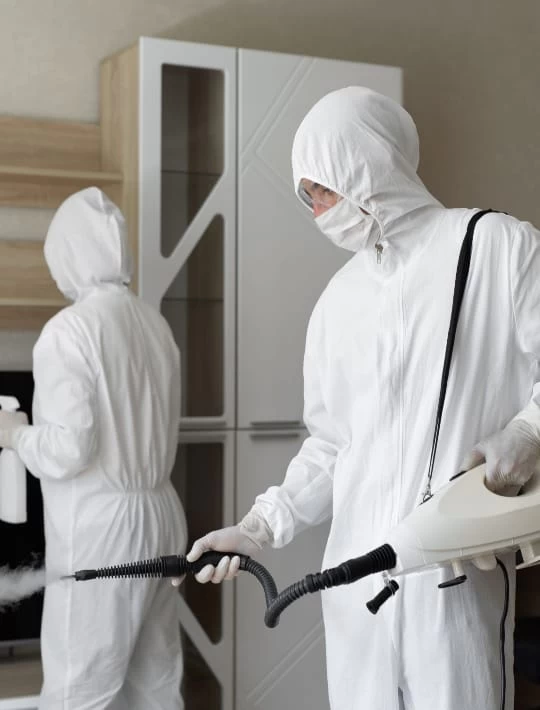
When we come in, the hazardous materials assessment happens before anything is disturbed. If asbestos or lead paint is found — and in this housing stock, it usually is — the same licensed team handles it. No stopping the project. No calling in a third party. No gap in accountability between the abatement crew and the demo crew.
Kings Point’s position on Long Island Sound also means flood exposure is real. Whether you’re dealing with a post-storm gut-out on a waterfront property or a planned teardown on a Great Neck Peninsula estate, you need a contractor who can handle what’s behind the walls — not just what’s in front of them. That’s exactly what this process is built around.
We’re a Long Island-based environmental contracting and demolition firm. The reason clients in Kings Point and across Nassau County keep coming back is straightforward — we hold the NYS Department of Labor Asbestos Handling Contractor License, which means we can legally do what most demolition contractors in this area cannot: handle the full scope of a project without farming out the hazardous materials work to someone else.
That matters a lot in a village like Kings Point, where a Tudor Revival estate from 1928 and a post-war Cape Cod from 1955 both carry the same risk profile. We’ve worked across the Great Neck Peninsula and understand the local building stock, the Village of Kings Point’s own building department, and what it takes to keep a high-value renovation on schedule.
Our 4.7-star Google rating isn’t built on flashy marketing — it’s built on showing up, communicating clearly, and finishing what we started.
How a Kings Point Demolition Project Actually Runs
It starts with an assessment. Before anything is touched, we evaluate the structure for asbestos-containing materials, lead paint, and any other hazardous materials that need to be addressed before demolition begins. In Kings Point, where the overwhelming majority of homes predate 1980, this step isn’t optional — it’s required by New York State law and federal EPA regulations.
Once the assessment is complete, abatement comes first if needed. Our licensed team removes and disposes of hazardous materials with full chain-of-custody documentation — disposal manifests that track everything from your property to a licensed facility. This paperwork matters more than most homeowners realize, especially in an active real estate market where a buyer’s attorney will ask for it at closing.
Then demolition proceeds — whether that’s selective interior demo, a full structural teardown, or anything in between. The Village of Kings Point has its own building department and its own permit requirements, including a $25,000 cash bond for demolition work. We pull permits in our own name as the licensed contractor of record and handle that process so you don’t have to navigate it yourself. When the work is done, you get complete documentation and a clear path to whatever comes next.
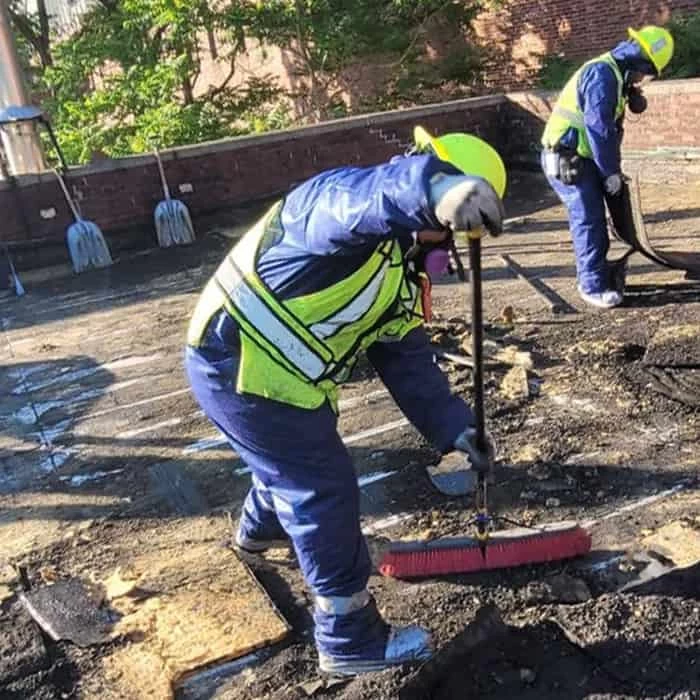
Our work in Kings Point covers the full range of what demolition actually involves in an older, high-value residential market. Interior selective demolition for gut renovations — where specific walls, ceilings, or floors come down while the surrounding structure and finishes stay intact — is handled with the precision that a $3 million home demands. Full structural teardowns for lot redevelopment, which is a regular part of the Kings Point real estate cycle, are managed from permit to final cleanup.
Asbestos abatement, lead paint removal, and mold remediation are integrated into the same project scope — not subcontracted out. For waterfront properties along Long Island Sound where post-storm flood damage has created mold behind walls, that matters. You’re not waiting on a second contractor to schedule their own site visit before the demo work can continue.
The service also covers everything the Village of Kings Point’s code requires: temporary fencing during demolition and excavation, curb cut crossing permits, and compliance with the village’s hurricane-prone region designation under the NYS building code. Every project comes with the regulatory documentation — clearance certificates, disposal manifests, permit records — that protects you both during the project and long after it’s done.
Do I need a permit to demolish a wall or structure in Kings Point, NY?
Yes — and in Kings Point specifically, the permit process goes through the Village’s own building department, not just the Town of North Hempstead. The Village of Kings Point requires a building permit for any demolition work, with a base fee of $500 plus $11 for every $1,000 of estimated project cost. For full structural demolitions, a $25,000 cash bond is also required, along with a curb cut crossing permit.
There’s also an enforcement provision worth knowing: if demolition of substantially all structures on a residential lot begins and the owner hasn’t filed a building permit within 90 days, the Village imposes a $5,000 penalty. That’s an active enforcement posture. Working with a contractor who pulls permits in their own name and knows the Village’s requirements from the start is the straightforward way to avoid that exposure entirely.
Does my Kings Point home need asbestos testing before demolition or renovation starts?
If your home was built before 1980 — which describes the vast majority of Kings Point’s housing stock, from the Gold Coast estates of the 1920s to the post-war ranches and Cape Cods of the 1950s and 60s — then yes, a hazardous materials assessment is required before demolition work begins. New York State law requires that any contractor disturbing asbestos-containing materials hold a NYS Department of Labor Asbestos Handling Contractor License. A general contractor license does not cover this.
Federal EPA NESHAP regulations also require advance notification before demolishing structures where asbestos is present above certain threshold quantities — with a mandatory 10-day notice period before work begins. Skipping the assessment doesn’t eliminate the risk; it just means you find out about the asbestos after it’s already been disturbed, which creates a significantly more complicated and expensive situation. The assessment is the first step, not an optional add-on.
What happens if asbestos or mold is found during demolition in my home?
With a contractor who only does demolition, finding asbestos or mold mid-project typically means stopping work, calling in a separate abatement company, waiting for their availability, and then restarting. In a market like Kings Point, where renovation timelines are tied to architect schedules, permit windows, and homeowners who may be living in the property during the work, that kind of unplanned stoppage is a real problem.
When we’re on the project, the same licensed team handles it. Asbestos abatement, lead paint removal, and mold remediation are part of our scope — not something we hand off. The project keeps moving. All hazardous materials are removed and disposed of with full documentation, and clearance testing is performed before demolition continues in the affected area. For the older homes throughout Kings Point, this isn’t a hypothetical scenario — it’s a routine part of what the work actually involves.
How long does a demolition project typically take in Kings Point?
Timeline depends on the scope of the project, but there are a few factors specific to Kings Point that are worth understanding upfront. The Village’s permit process — including the building permit application, the $25,000 cash bond, and any required inspections — needs to be factored into the schedule before physical work begins. If asbestos abatement is required, federal EPA NESHAP regulations mandate a 10-day advance notification period before demolition can start on structures where asbestos is present above threshold quantities.
For interior selective demolition on a gut renovation, the physical work itself may take anywhere from a few days to a few weeks depending on the size of the home and what’s encountered behind the walls. Full structural teardowns on larger Kings Point estates typically run one to two weeks for the demolition itself, with additional time for debris removal, site cleanup, and final documentation. Getting the assessment and permit process started early is the most effective way to keep the overall project timeline on track.
What documentation will I receive after demolition and abatement are completed?
This is one of the most important questions to ask any contractor before you hire them, and it’s especially relevant in Kings Point’s real estate market where properties change hands at high values and buyer’s attorneys conduct thorough due diligence.
We provide complete chain-of-custody disposal manifests for all asbestos and hazardous waste removed from the property — documentation that tracks materials from your home to a licensed disposal facility. You’ll also receive clearance testing results confirming that the affected areas meet regulatory standards after abatement, along with permit records and inspection sign-offs from the Village of Kings Point’s building department. If you ever sell the property, refinance, or apply for future permits, this paperwork is what demonstrates that the work was done correctly and legally. Contractors who skip the documentation are creating a future problem for the property owner. The paperwork is part of the job.
Can Green Island Group handle emergency demolition after storm or flood damage in Kings Point?
Yes. Kings Point’s location on the Great Neck Peninsula — surrounded by Long Island Sound to the north and east and Little Neck Bay to the west — puts waterfront and near-waterfront properties in a genuinely elevated risk position when nor’easters or tropical weather systems move through the North Shore. FEMA flood hazard zones extend into residential areas of the village, and post-storm water damage in this community is not a rare event.
Emergency demolition after flooding typically involves removing water-saturated walls, flooring, and structural materials quickly to prevent mold from establishing — and in Kings Point’s older homes, those same materials often contain asbestos or lead paint. A contractor who can only do the demolition and not the abatement creates a compliance problem in the middle of an already stressful situation. We hold both the demolition and the environmental abatement credentials, respond quickly, and can handle the full scope of post-storm work without requiring you to coordinate multiple contractors while you’re already dealing with the aftermath of a flood.