One Team Handles What Lakeview's Older Homes Actually Require
Most of Lakeview’s housing stock was built in the 1950s and 60s — and those homes don’t just need demolition. They need a licensed demolition contractor who can legally handle what’s inside the walls.
I needed a professional consultation explanation of procedure for safe removal of Asbestos in my apartment complex. Without having an account yet, I was very impressed with the caring, knowledgeable and generous advice offered by Jessica, and will look forward to doing business in the future. Thank you so much! I feel much more informed about a sometimes scary endeavor. Peace. Nancy Silva Mineola, NY.
Mia Munoz
Used this company to clean up some water flood in my house. They were fast and easy to work with.very professional, Would recommend to anyone!
Nini Valle
Great company, had a flood and they responded quickly and efficiently. Billed my insurance company directly. I highly recommend this company!
joe colapietro, jr
I had pipe freeze in my basement right before a snow storm and they made to within an hour to help start the clean up process. They we by our side throughout the entire process and even helped with the insurance company. They did such a great job with the cleanup, repair, remidiation, I contracted them to perform the repairs and finishes in the basement. They came with enough manpower and material to get the job done. Leo and Jessica were nothing but a pleasure to deal with!!
Cristian Arredondo c
I had some water damage in my home and Green Island was able to take care of my issue quickly and effectively. I am very pleased with the work they did. They responded quickly and were very professional.
Michael M
Outstanding service! From the office to the field crew everyone was friendly, helpful and responsive. I highly recommend Green Island Group.
Your Lakeview Renovation Doesn't Stall When We're Involved
Here’s what most Lakeview homeowners don’t find out until they’re already mid-project: their demolition contractor can’t legally touch the asbestos floor tiles, the popcorn ceiling, or the pipe insulation they just uncovered. So the job stops. A second company gets called. The schedule falls apart. That’s not how this works with us.
The Cape Cods and expanded ranches throughout Lakeview — the ones built between the late 1940s and early 1970s — were constructed during the era when asbestos-containing materials were standard. Floor tiles, joint compound, roofing, insulation. It’s not rare to find these materials. It’s expected. Because we hold a NYS Department of Labor Asbestos Handling Contractor License, the same crew that does your demolition can legally handle the abatement. No handoffs. No waiting on a second contractor’s schedule.
And for homeowners near the Hempstead Lake watershed — where basement flooding, high water tables, and storm-related water damage are documented recurring issues — demolition often follows water damage. We handle both. You call once, and the full scope gets managed from assessment through final cleanup.
Licensed Demolition Contractors Serving Lakeview, NY
Local Knowledge Backed by Every License That Actually Matters Here
We’re a Long Island-based environmental contracting and demolition firm with direct experience in Lakeview. We’ve completed flood restoration projects throughout the community that gave us firsthand knowledge of Lakeview’s specific conditions: older building stock, high water tables, and the kind of water damage that follows a hard storm near the Hempstead Lake corridor.
What separates us from a standard demolition company is the licensing stack. Asbestos abatement, mold remediation, lead paint removal, and structural demolition — all under one contractor, one contract, and one team that stays accountable from start to finish. In a community like Lakeview, where the housing stock almost guarantees a hazmat encounter during any serious renovation, that’s not a bonus. It’s the baseline of doing the job right.
We know the Town of Hempstead permit process. We pull permits in our name. We provide disposal manifests and post-abatement clearance documentation. When you sell that Lakeview home — and at a median value of $570,005, it matters — that paperwork protects you.
What a Lakeview Demolition Project Actually Looks Like, Start to Finish
It starts with an assessment. Before anything is touched, we evaluate the scope of the project and the structure itself. For Lakeview homes built before 1980, that includes identifying any asbestos-containing materials, lead paint, or mold that would need to be addressed before or during demolition. This isn’t optional — OSHA requires a written engineering survey before demolition begins, and in Nassau County’s pre-1980 housing stock, skipping the hazmat evaluation is how projects go sideways.
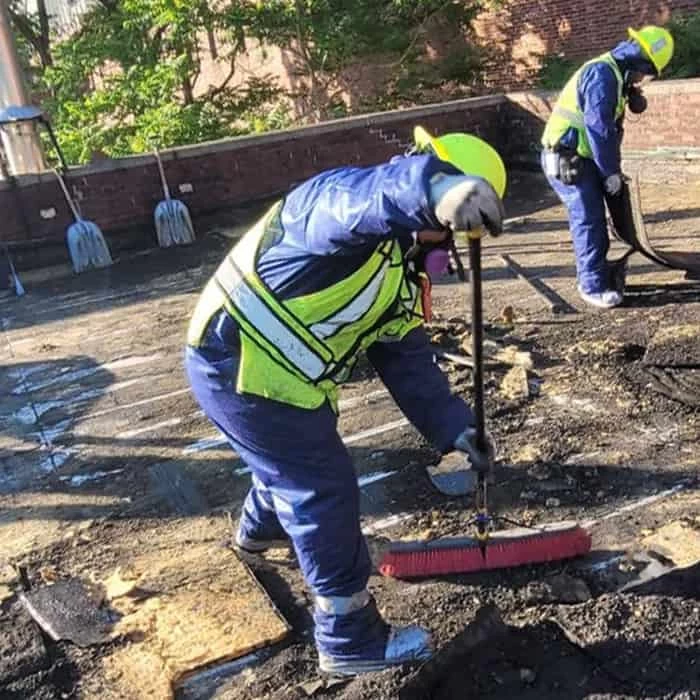
From there, permits get pulled through the Town of Hempstead Building Department. That’s a step we handle as the licensed contractor of record. If a contractor ever asks you to pull your own demolition permit, that’s worth pausing on — it often means they’re not licensed to pull it themselves. Once the permit is issued and any abatement work is cleared, structural demolition proceeds. Debris is removed, the site is cleaned, and all hazardous waste is disposed of with documented disposal manifests.
The last step is documentation. Clearance testing certificates, disposal records, and permit paperwork — all of it gets handed to you. For a Lakeview homeowner with real equity in their property, that file is what proves the work was done legally and safely when it’s time to sell or refinance.
This isn’t a demo crew that shows up, swings a sledgehammer, and leaves you to figure out the rest. For Lakeview properties — particularly the Cape Cods, ranches, and Colonials throughout the 11552 zip code — our demolition service covers the full scope that these homes actually require.
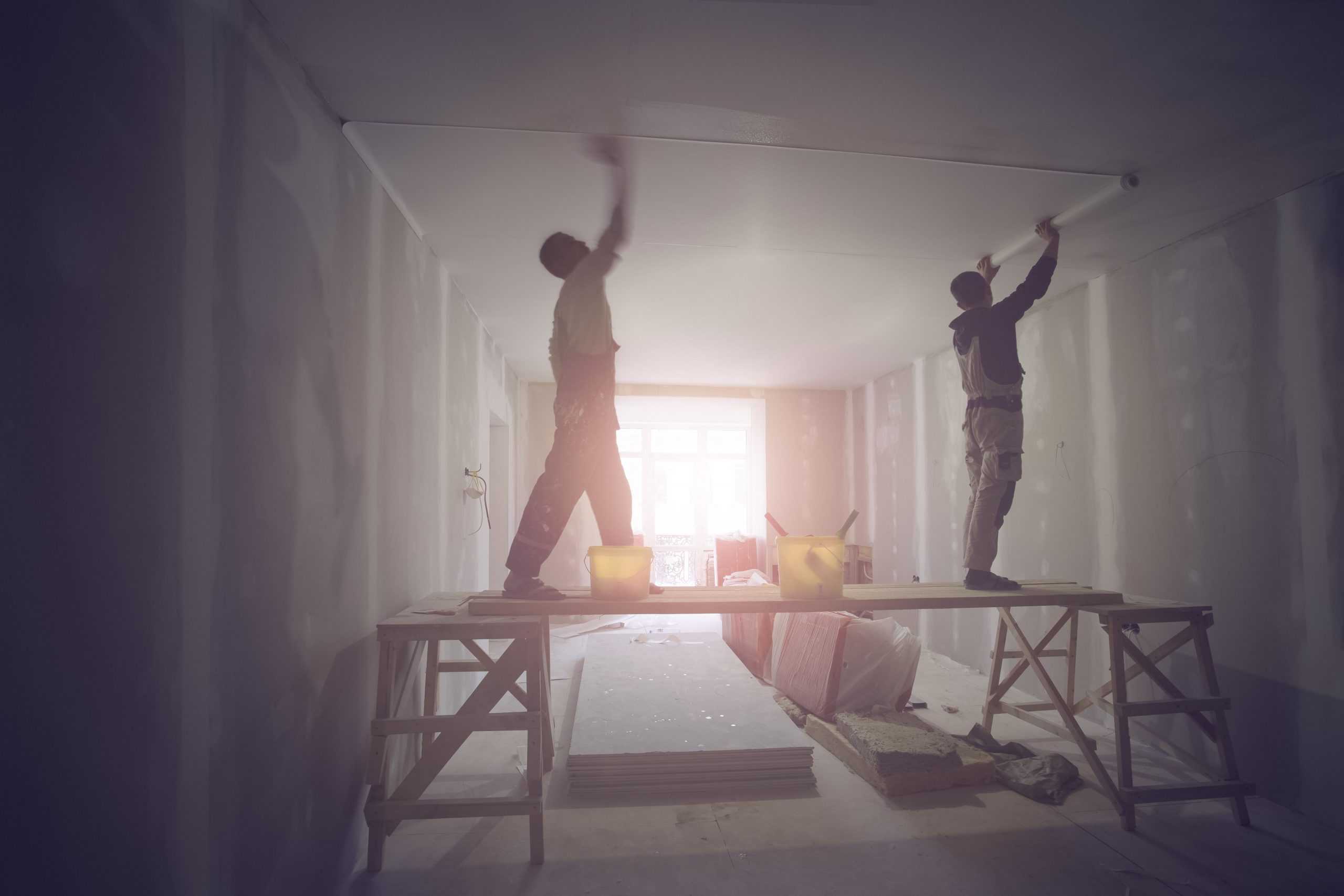
That means hazardous materials assessment before work begins, licensed asbestos and lead paint abatement if materials are present, structural demolition, debris removal, and all required Town of Hempstead permit filings. For properties that have experienced water damage — a common situation in Lakeview given the proximity to the Hempstead Lake watershed — we handle mold remediation in the same project without bringing in a separate contractor. Interior demolition for kitchen and bathroom gut renovations, basement overhauls, and wall removal are all within scope, as is commercial demolition for mixed-use or investment properties in the area.
Every project comes with written documentation: disposal manifests for any hazardous materials removed from your property, post-abatement clearance testing results, and permit records. In a market where Lakeview homes are valued at over half a million dollars and buyers’ attorneys will ask about this paperwork, having it ready isn’t a formality. It’s how you protect what you’ve built.
Do I need a demolition permit for my Lakeview, NY renovation project?
Yes — and this applies to more than just tearing down a whole structure. The Town of Hempstead Building Department requires a permit for any demolition of a building, structure, or portion of one. That includes interior work like removing load-bearing walls, gutting a basement, or taking down structural elements as part of a kitchen or bathroom renovation. The Town recently launched an online permit portal through hempsteadny.gov, but navigating the application, required documentation, and inspection process takes time and familiarity with the system.
We pull the permit as the licensed contractor of record on your project. That matters for a few reasons. First, it means you’re not managing a bureaucratic process on top of an already stressful renovation. Second, it means the permit is tied to a licensed, insured contractor — not a workaround. And third, when you go to sell your Lakeview home, that permit is part of the public record. It’s documentation that the work was done above board, and in this market, that’s worth protecting.
My Lakeview home was built in the 1960s — does it have asbestos?
It very likely contains asbestos-containing materials somewhere. Homes built between the late 1940s and late 1970s — which describes the majority of Lakeview’s residential housing stock — were constructed during the period when asbestos was used widely in floor tiles, ceiling texture, pipe insulation, joint compound, roofing materials, and siding. You won’t know for certain until testing is done, but in a 1960s Cape Cod or ranch in Lakeview, it would be unusual not to find any.
The critical thing to understand is that asbestos removal in New York State requires a separate NYS Department of Labor Asbestos Handling Contractor License. A general contractor license does not cover this work. If your demolition contractor doesn’t hold that license, they cannot legally remove those materials — and if they do it anyway, the liability lands on you as the property owner. We hold the required NYS DOL asbestos license, which means when these materials are found during your project, the work doesn’t stop and you don’t need to find a second company. It gets handled by our team, under one contract.
How does flooding near Hempstead Lake affect demolition projects in Lakeview?
It’s a real and recurring issue for Lakeview residents. Lakeview sits adjacent to the Hempstead Lake watershed, and the area has documented patterns of basement flooding from high water tables, burst pipes in older buildings, and storm-related water intrusion. The state has invested over $47 million in flood resilience improvements at Hempstead Lake State Park specifically because the surrounding communities face meaningful and ongoing water risk — not just from major storms, but from the kind of routine seasonal conditions that come with being near a large freshwater system.
When a flooding event damages a basement, walls, or flooring, demolition is often the next step — removing water-damaged drywall, flooring, insulation, and framing before mold takes hold. If mold is already present, that needs to be addressed before or during demolition, not after. We handle both the water damage remediation and the subsequent demolition under one project. That matters in Lakeview because waiting for two separate contractors to coordinate schedules is exactly how a water damage situation turns into a mold problem.
What does interior demolition typically cost for a Lakeview home?
The honest answer is that it depends on scope, and in Lakeview’s pre-1980 housing stock, scope almost always includes a hazmat component. A straightforward interior demolition — gutting a kitchen, removing a bathroom, or opening up a basement — will be priced differently than a project where asbestos abatement or lead paint removal is required before structural work can begin. The abatement adds cost, but it’s not optional. It’s legally required, and skipping it creates liability that follows the property.
What you’re really paying for in a project like this is the full, legal execution of every phase: assessment, abatement if needed, demolition, debris removal, and documentation. Contractors who quote significantly lower than others are often excluding one or more of those phases — usually the ones that require licensing. In Nassau County’s current market, where Lakeview homes are valued around $570,000, the cost of cutting corners on a demolition project shows up later: in failed inspections, in disclosure issues at closing, or in a remediation bill that dwarfs what you saved upfront. We provide a written scope of work before any project begins so you know exactly what’s included.
Can a demolition contractor in Lakeview also handle mold and asbestos, or are those separate companies?
Most demolition contractors cannot legally handle asbestos or mold remediation — those require separate licensing, and most general demolition companies don’t hold them. That’s a real problem in Lakeview, where the combination of older housing stock and recurring water damage from the Hempstead Lake watershed means that asbestos, mold, and structural demolition frequently show up in the same project.
We’re licensed across all three: asbestos abatement under NYS DOL, mold remediation, and demolition. That means when your gut renovation uncovers a mold-affected wall cavity or asbestos floor tiles under the linoleum — which happens regularly in Lakeview homes of this vintage — the project doesn’t stop. There’s no waiting on a separate abatement company to get scheduled, no gap in accountability between one contractor finishing and another starting. Our team handles the full scope, which keeps the project moving and keeps you from managing multiple contractors with competing schedules.
What documentation should I expect after a demolition project in Lakeview, NY?
At minimum, you should receive a copy of the pulled demolition permit from the Town of Hempstead, disposal manifests for any hazardous materials removed from your property, and post-abatement clearance testing certificates if asbestos or lead paint was addressed. These documents aren’t just paperwork — they’re the legal record that your project was handled correctly, by licensed contractors, with proper disposal through a certified facility.
In Lakeview’s real estate market, this matters more than most homeowners realize until they’re at the closing table. A buyer’s attorney will ask about permits and hazmat abatement on any pre-1980 home. If the documentation doesn’t exist, the deal can stall or fall apart — or you may be required to make representations about the condition of the property that you can’t fully back up. We provide all of this documentation as a standard part of every project. It’s not an add-on. It’s part of what you’re hiring a licensed demolition contractor to deliver.