Malverne's Pre-War Homes Deserve More Than a Sledgehammer
When your home was built before World War II, what’s behind the walls matters as much as the walls themselves. We handle demolition in Malverne with the licensing to manage whatever comes up — asbestos, mold, lead — without stopping the job.
I needed a professional consultation explanation of procedure for safe removal of Asbestos in my apartment complex. Without having an account yet, I was very impressed with the caring, knowledgeable and generous advice offered by Jessica, and will look forward to doing business in the future. Thank you so much! I feel much more informed about a sometimes scary endeavor. Peace. Nancy Silva Mineola, NY.
Mia Munoz
Used this company to clean up some water flood in my house. They were fast and easy to work with.very professional, Would recommend to anyone!
Nini Valle
Great company, had a flood and they responded quickly and efficiently. Billed my insurance company directly. I highly recommend this company!
joe colapietro, jr
I had pipe freeze in my basement right before a snow storm and they made to within an hour to help start the clean up process. They we by our side throughout the entire process and even helped with the insurance company. They did such a great job with the cleanup, repair, remidiation, I contracted them to perform the repairs and finishes in the basement. They came with enough manpower and material to get the job done. Leo and Jessica were nothing but a pleasure to deal with!!
Cristian Arredondo c
I had some water damage in my home and Green Island was able to take care of my issue quickly and effectively. I am very pleased with the work they did. They responded quickly and were very professional.
Michael M
Outstanding service! From the office to the field crew everyone was friendly, helpful and responsive. I highly recommend Green Island Group.
What Changes When Your Contractor Can Handle All of It
Most demolition jobs in Malverne don’t stay simple. The village has one of the highest concentrations of pre-World War II homes on Long Island — homes built when asbestos was standard, lead paint was common, and nobody was thinking about what a future renovation crew would find. When a contractor opens up those walls and isn’t licensed to handle what’s inside, the project stops. You’re left waiting while they find someone else, re-schedule, and re-quote. That delay costs you time, money, and a lot of unnecessary stress.
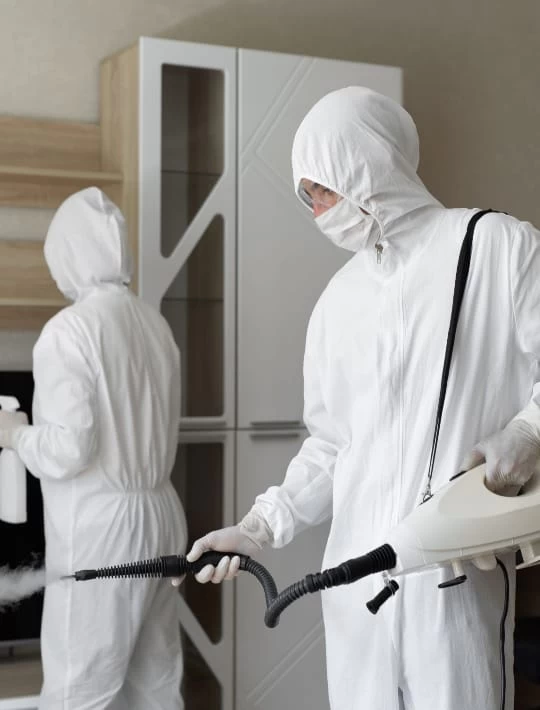
When your demolition contractor holds their own asbestos abatement license — not just a general contractor’s license — the project keeps moving. We hold a NYS Department of Labor Asbestos Handling Contractor License, which means we assess, remove, and dispose of hazardous materials in-house. That means no third-party handoffs, no project gaps, and no surprise stop-work orders mid-demo.
Malverne’s documented high water table is another factor most contractors don’t account for. Basement and lower-level demolition in this village regularly turns up mold or moisture damage that’s been sitting behind finished walls for years. Because we also handle mold remediation, you’re not calling two companies, managing two schedules, and hoping they coordinate. You’re making one call, and the work gets done.
We are an environmental contracting firm based on Long Island, serving Malverne and surrounding Nassau County communities. Our work here isn’t just demolition — it’s the full scope of what older homes in Malverne actually require: hazardous materials assessment, asbestos abatement, mold remediation, and demolition handled by the same licensed team from start to finish.
Malverne is a village where the housing stock tells the story. Homes built by the Amsterdam Development Corporation in the early 1900s line streets that were laid out before modern building codes existed. That history is part of what makes this village worth investing in — and it’s also why the contractor you hire matters more here than it might somewhere else.
We carry a 4.7-star Google rating, and the reviews are specific. Clients name staff members. They describe projects that were explained clearly, started on time, and finished without shortcuts. That kind of track record doesn’t happen by accident — it’s the result of a team that treats every project like the documentation will matter later, because in Malverne, it will.
No Surprises — Here's Exactly How the Work Unfolds
Before anything gets touched, we conduct a written assessment of the structure. This isn’t a formality — OSHA requires it, and in a village as dense as Malverne, where homes sit close together and neighboring foundations are often just feet away, it’s the only responsible way to start. The assessment identifies load-bearing elements, utility locations, proximity risks, and any hazardous materials that need to be addressed before demolition begins.
If asbestos or mold is found — and in a pre-1940 Malverne home, there’s a real chance of both — we handle it in-house before the demo crew moves forward. No outside contractors, no scheduling gaps. The abatement happens under our NYS DOL license, and clearance testing is completed before the space is opened up further.
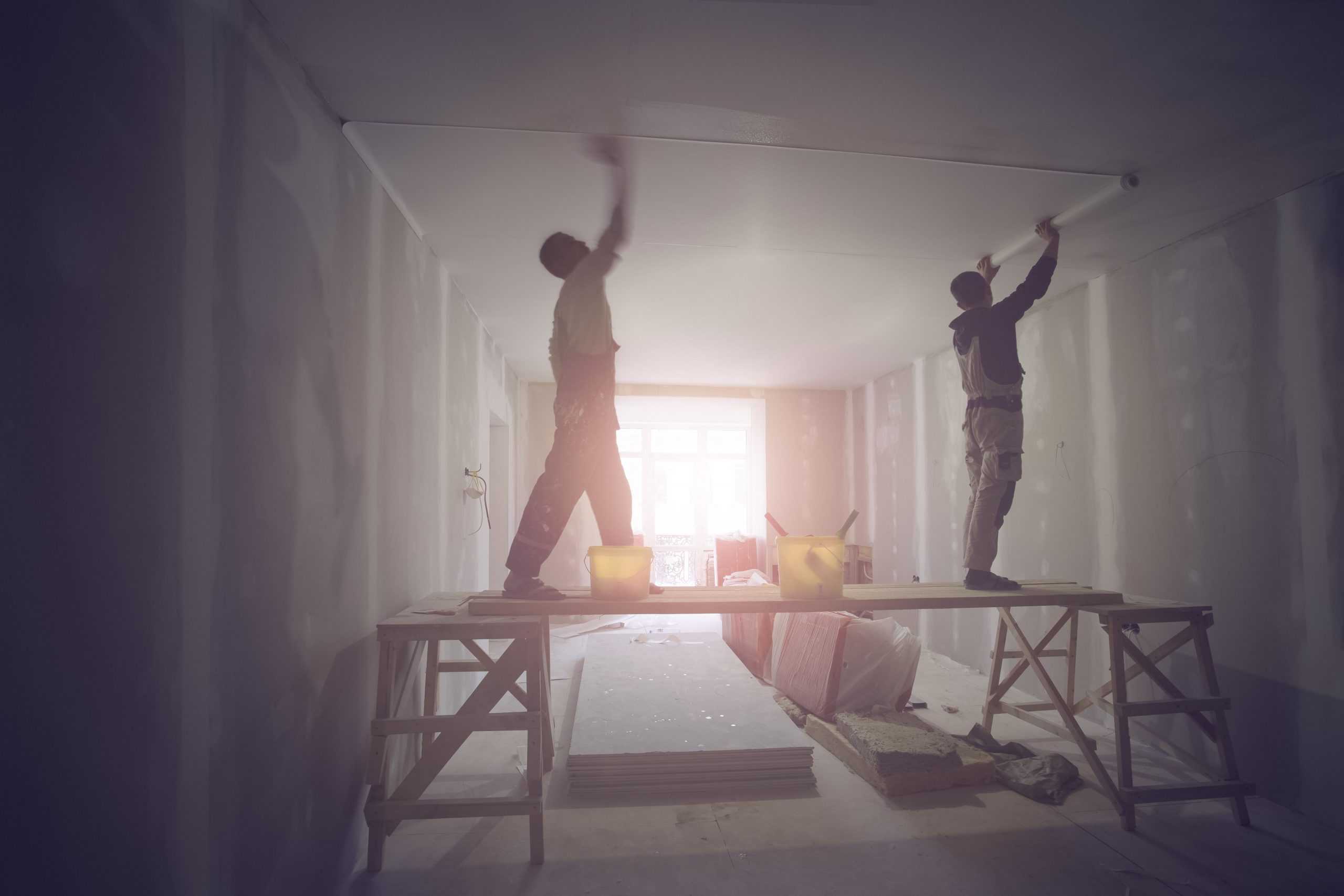
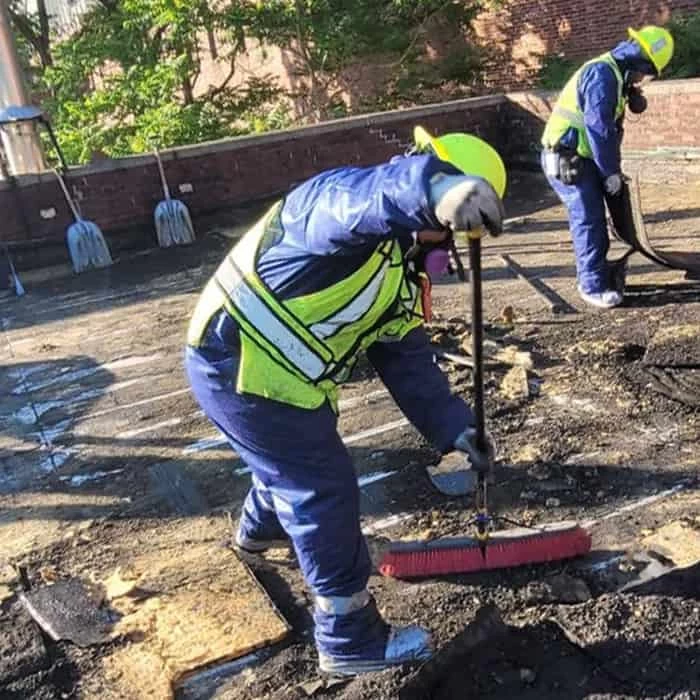
Once the hazardous materials phase is cleared, demolition proceeds on the agreed scope — whether that’s a full gut, selective interior demo, a basement clearout, or structural removal. When the job is done, you receive disposal manifests documenting where every material went and how it was handled. In a village where home values sit near $790,000 and buyers and lenders ask questions, that paperwork protects you. We also handle the Village of Malverne demolition permit — filed with the Superintendent of Buildings under Chapter 265 of the village code — so you’re covered from the first call to the final sign-off.
What's Included When Malverne's History Comes Into Play
We handle residential and commercial demolition across Malverne and the surrounding Nassau County communities — Lynbrook, Valley Stream, West Hempstead, Rockville Centre, and beyond. The scope of what we include goes further than most demolition companies can offer, because our licensing goes further.
On the residential side, that means interior demolition for kitchen and bathroom renovations, full basement gut-outs, selective structural removal, and whole-house teardown when the project calls for it. Given Malverne’s housing age and the high water table conditions specific to this village, basement work almost always involves an environmental assessment before the first wall comes down. That assessment is included in our process — it’s not an add-on, and it’s not outsourced.
For commercial projects in Malverne and the surrounding area, we manage interior demolition, facility decommissioning, and full structural removal with the same licensed, documented approach. Every commercial project includes the required EPA NESHAP advance notification for asbestos above threshold quantities — a federal requirement that many smaller contractors either don’t know about or skip. Nassau County’s Home Improvement Contractor licensing requirements are met, village-level permits are pulled directly, and post-project documentation is provided as a standard deliverable. You’re not chasing paperwork after the fact — it’s part of what you get.
Do I need a permit to demolish a wall or room in Malverne, NY?
Yes — and the permit process in Malverne is specific to the village, not just Nassau County. Under Chapter 265 of the Malverne Village Code, no structure can be demolished without a building permit approved by the Superintendent of Buildings and issued by the Village Clerk at Village Hall on Church Street. This applies to full demolitions and to significant interior structural work. The Malverne Building Department enforces this actively — stop-work orders and Village Court penalties are written directly into the code.
The permit application has to be filed in duplicate, sworn to by the applicant or an authorized agent, and accompanied by existing survey documents. It’s not complicated if you know the process, but it’s easy to miss steps if you’ve never pulled a permit in Malverne before. We handle the permit filing in the contractor’s name, so you don’t have to navigate the Building Department yourself. The permit is pulled before work begins, and the documentation stays with your project file when it’s done.
How do I know if my Malverne home has asbestos before starting demolition?
You can’t tell by looking. Asbestos-containing materials don’t look different from materials that don’t contain it — the only way to know is to test. In Malverne, where NeighborhoodScout identifies an unusually large concentration of pre-World War II architecture, the odds are significant. Homes built before 1940 routinely contained asbestos in floor tiles, pipe insulation, ceiling texture, joint compound, roofing felt, and more. Even homes built through the 1970s can have it in certain materials.
The right move before any demolition in an older Malverne home is a professional bulk sampling assessment — a licensed contractor collects material samples, sends them to an accredited lab, and you get a written report of what’s present and where. If asbestos is found above regulatory thresholds, it has to be abated by a NYS DOL-licensed asbestos handling contractor before demolition can proceed. We hold that license and conduct the assessment in-house, so the testing, abatement, and demolition are all managed by one team on one timeline.
What happens if mold is found during a demolition project in Malverne?
It’s more common than most homeowners expect, especially in Malverne. The village has a documented high water table — historical records note that flooded basements were a problem during original home construction and continued to affect residents through normal rain events. That kind of persistent moisture, sitting behind finished walls or under flooring for years, creates conditions where mold grows quietly and gets discovered only when a renovation or demolition opens up the space.
When mold is found mid-project, a contractor who isn’t licensed for remediation has to stop work and bring in a separate company. That means a new assessment, a new quote, a new schedule, and a gap in your project timeline that can stretch weeks. We handle mold remediation in-house alongside demolition, so when something is found — and in a Malverne basement, there’s a real chance it will be — the project doesn’t stall. The remediation is assessed, addressed, and documented before the demo continues, and you receive clearance testing results at the end.
How much does a demolition contractor typically cost in Malverne, NY?
Demolition costs vary based on scope, structure size, and what’s found during the pre-project assessment. A straightforward interior demolition — removing a kitchen, gutting a bathroom, or clearing a basement — typically runs differently than a full structural teardown or a project that involves hazardous materials abatement alongside the demo work. In Malverne, where the housing stock skews older and pre-war homes are common, it’s realistic to budget for the possibility that asbestos or mold abatement will be part of the project cost.
What matters more than the base demo price is understanding the full scope before work begins. A low initial quote that doesn’t account for hazmat handling, permit fees, or disposal costs can balloon quickly once the walls open up. We provide a written scope of work before any project starts — so you know what’s included, what the permit process will involve, and what the documentation will look like when the job is done. For a property worth close to $790,000, which is where Malverne home values sit, getting that clarity upfront protects your investment.
Can a demolition contractor in Malverne handle asbestos removal and demo together?
Most can’t — at least not legally. A standard general contractor license in New York does not authorize asbestos abatement. That requires a separate NYS Department of Labor Asbestos Handling Contractor License, and not every demolition company holds one. The practical consequence is that many contractors who take on demo work in older Malverne homes either skip the testing entirely — which creates liability for the homeowner — or stop the project when asbestos is found and subcontract the abatement out to someone else.
We hold the NYS DOL Asbestos Handling Contractor License, which means asbestos assessment, removal, and disposal are handled in-house under our own license — not subcontracted. This matters for your project timeline because there’s no waiting on a third party to schedule, quote, and mobilize. It also matters for your documentation: the disposal manifests and clearance testing reports come from one licensed source, which is exactly what a future buyer, lender, or permit office will want to see.
Is interior demolition in Malverne different from demo work in newer Long Island towns?
In practice, yes — and the difference comes down to what’s inside the walls. Malverne is not a postwar subdivision. It’s a pre-war village with a housing stock that NeighborhoodScout specifically identifies as having an unusually large proportion of pre-1940 architecture — homes built before asbestos was regulated, before lead paint was restricted, and before modern moisture barriers were standard. That’s a fundamentally different environment than doing demo work in a 1960s Levittown Cape or a 1980s Plainview colonial.
In Malverne, the pre-project assessment carries more weight. The likelihood of finding hazardous materials is higher, the village’s high water table adds a moisture and mold dimension that newer construction doesn’t typically have, and the density of the neighborhood — over 3,000 homes in a single square mile — means neighboring structures are close enough that containment and structural precautions matter more. A contractor who treats a Malverne job the same way they’d treat a demo in a newer community is skipping steps that this housing stock genuinely requires. Our process is built around what’s actually in these homes, not what’s easiest to assume.