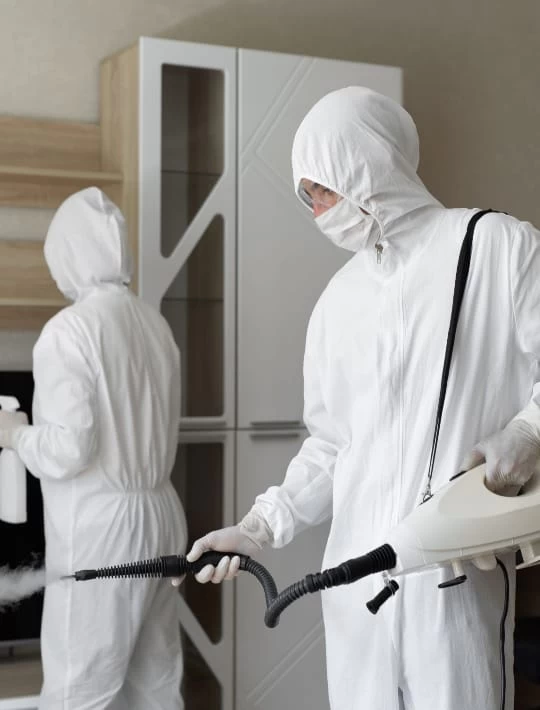
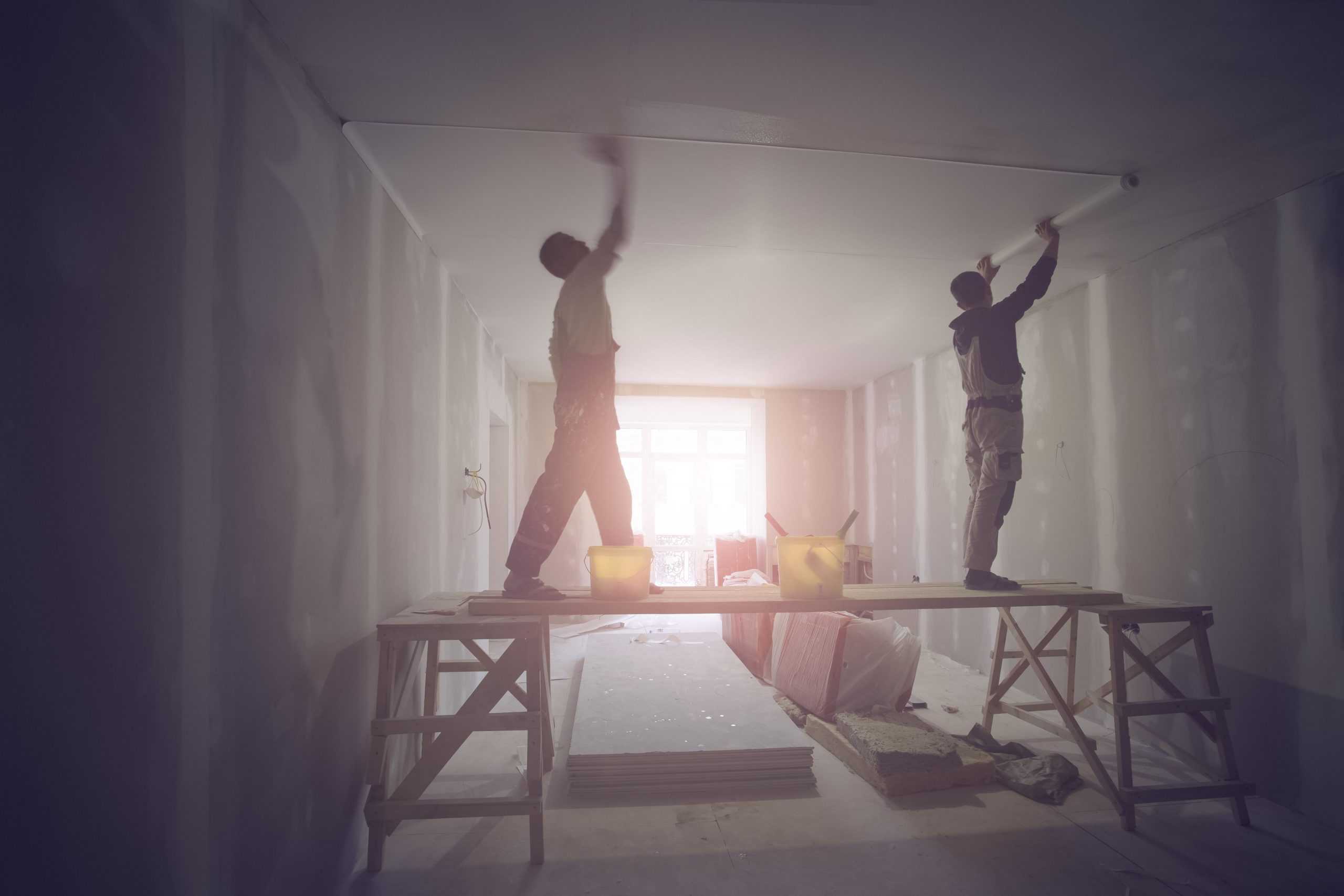
Most homes in Massapequa Park were built in the mid-1950s — and what’s behind those walls requires more than brute force. We handle demolition and hazardous material removal together, so your project doesn’t stall when something unexpected turns up.
I needed a professional consultation explanation of procedure for safe removal of Asbestos in my apartment complex. Without having an account yet, I was very impressed with the caring, knowledgeable and generous advice offered by Jessica, and will look forward to doing business in the future. Thank you so much! I feel much more informed about a sometimes scary endeavor. Peace. Nancy Silva Mineola, NY.
Mia Munoz
Used this company to clean up some water flood in my house. They were fast and easy to work with.very professional, Would recommend to anyone!
Nini Valle
Great company, had a flood and they responded quickly and efficiently. Billed my insurance company directly. I highly recommend this company!
joe colapietro, jr
I had pipe freeze in my basement right before a snow storm and they made to within an hour to help start the clean up process. They we by our side throughout the entire process and even helped with the insurance company. They did such a great job with the cleanup, repair, remidiation, I contracted them to perform the repairs and finishes in the basement. They came with enough manpower and material to get the job done. Leo and Jessica were nothing but a pleasure to deal with!!
Cristian Arredondo c
I had some water damage in my home and Green Island was able to take care of my issue quickly and effectively. I am very pleased with the work they did. They responded quickly and were very professional.
Michael M
Outstanding service! From the office to the field crew everyone was friendly, helpful and responsive. I highly recommend Green Island Group.
When you hire a demolition contractor in Massapequa Park, you’re not just paying someone to knock things down. You’re paying someone to navigate what’s actually inside a home built during the peak era of asbestos use — floor tiles, pipe insulation, joint compound, ceiling texture — materials that require a licensed abatement contractor before a single wall comes down. If the person you hire can’t legally handle that, your project stops the moment something gets found.
The South Shore adds its own layer. Homes here have absorbed decades of coastal humidity, and properties south of Sunrise Highway sat directly in Sandy’s flood path. Water gets into walls, soaks subflooring, and creates conditions that change what demolition actually looks like. A contractor who’s never dealt with post-flood demo in a 1950s Cape Cod is going to run into things they weren’t expecting.
What you actually get when this is handled correctly is a project that moves from assessment to completion without gaps, delays, or emergency calls to a third-party abatement company. You also get documentation — disposal manifests, permit records — that protects you when this home eventually sells in a market where buyers and their attorneys are thorough.
Demolition Specialists Serving Massapequa Park, NY
One Company Handles What Others Hand Off
We are a full-service environmental contracting and demolition firm based on Long Island. We hold the NYS Department of Labor Asbestos Handling Contractor License — the state-issued credential required to legally remove asbestos-containing materials in New York — along with the licensing to handle mold remediation, lead paint removal, and post-demolition restoration. Most contractors hold one or the other. We hold both, and we use them on the same project.
We’ve worked across Nassau County’s South Shore, including Massapequa Park and the surrounding communities, on everything from kitchen and bathroom gut jobs to post-flood structural demolition. We know the Village of Massapequa Park has its own Building Department at 151 Front Street — separate from Nassau County and the Town of Oyster Bay — and we pull permits through the right office, in our name, before work begins.
Our reviews consistently call out our responsiveness and the clarity of our communication. When you’re dealing with a project that touches hazardous materials and local permits, not hearing back from your contractor is its own kind of problem.
It starts with an assessment. Before anything is scheduled or priced, we look at what you’re working with. In Massapequa Park, that means accounting for the age of the structure — the median home here was built in 1956 — and identifying whether asbestos-containing materials, lead paint, or other hazardous materials are present. If they are, we handle abatement first with our licensed team, complete with air monitoring and documentation as required by New York State law.
Once the site is cleared for demo, we pull the necessary permits through the Village of Massapequa Park Building Department. This is not optional, and it’s not a formality — work started without a village permit is subject to a fee of three times the normal cost when caught, and unpermitted work creates disclosure problems at resale. We handle the permit so that’s not your problem.
Then demolition proceeds — selective, structural, or full, depending on your scope. If the project involves interior work in a densely settled neighborhood like Massapequa Park, we plan around neighboring properties and shared lot lines. When the work is done, you receive disposal documentation for any hazardous materials removed, along with a clean site ready for whatever comes next.
Commercial and Residential Demolition Contractor Nassau County
Built for the Older Homes and Tighter Lots of Massapequa Park
Massapequa Park sits at roughly 7,800 people per square mile, and nearly every home in the village is a single-family detached house on a modest lot. That density matters during demolition. Work near a shared property line, a neighbor’s foundation, or a tight side yard requires planning that a contractor used to wide-open suburban sites won’t automatically apply. We account for that from the start.
For residential clients, our scope typically includes hazardous material testing and abatement, interior selective demolition, full structural demolition, and site cleanup — all under one contract. The Sears Roebuck kit homes scattered through Massapequa Park are among the structures most likely to contain asbestos insulation and original lead paint, and we’ve worked in enough of them to know what to look for before the demo crew arrives.
For commercial clients along the Sunrise Highway and Merrick Road corridors, we handle tenant interior demolition, selective structural work, and full building demolition with the bonding and insurance coverage commercial projects require. Whether it’s a single bathroom gut or a full building takedown, the process is the same: assess first, permit correctly, document everything, and leave the site clean.
Do I need a permit for demolition work in Massapequa Park, NY?
Yes — and the permit comes from the Village of Massapequa Park’s own Building Department, not Nassau County or the Town of Oyster Bay. Massapequa Park is an incorporated village with its own local government at 151 Front Street, which means it administers its own permitting process independently. This catches a lot of homeowners off guard, especially those who assume all Nassau County permits flow through the same office.
The practical consequence of skipping this step is significant. Work started without a village permit is subject to a fee of three times the normal permit cost once discovered, and unpermitted demolition work creates a disclosure problem that follows the property through every future sale. Buyers’ attorneys in this market are thorough. We pull permits in our name, through the correct office, before any work begins — so you’re covered from the start.
How do I know if my Massapequa Park home has asbestos before renovating?
The honest answer is: you don’t, until it’s tested. If your home was built before 1980 — which describes the overwhelming majority of Massapequa Park’s housing stock, given the 1956 median construction year — there’s a meaningful probability that asbestos-containing materials are present somewhere in the structure. Floor tiles, textured ceilings, pipe insulation, joint compound, and roofing materials were all routinely manufactured with asbestos through the late 1970s.
The only way to know for certain is a professional assessment before demolition begins. New York State law requires a licensed contractor to handle any confirmed asbestos removal — you cannot legally disturb it without proper containment, documentation, and disposal. We conduct pre-demolition assessments as part of our process, so if something is found, it gets handled correctly by the same team doing the demo. You don’t need to stop the project and find a second contractor.
What happens if asbestos is found during a demolition project in my home?
If asbestos is identified during a demolition project, work in the affected area stops until the material is properly abated. Under New York State law, removal must be performed by a contractor holding a valid NYS Department of Labor Asbestos Handling Contractor License — and individual workers must hold NYS DOL asbestos handler certifications. Air monitoring during abatement must be conducted by a separately licensed NYS DOL Air Monitor. These are legal requirements, not optional precautions.
For most homeowners in Massapequa Park, the bigger concern is what happens to the project timeline when this occurs mid-job. If your demolition contractor doesn’t hold an asbestos license, they have to stop work and bring in a third party — which means scheduling delays, a gap in accountability between two separate companies, and a project that may sit open for weeks. Because we hold both the demolition and abatement licensing, we handle it in-house and keep the project moving without handing it off.
How does flood or storm damage affect a demolition project in Massapequa Park?
It changes what you’re dealing with significantly. Homes south of Sunrise Highway in Massapequa Park sat directly in Hurricane Sandy’s evacuation zone, and the August 2024 flooding event — which dropped over nine inches of rain on Long Island in a single day — is a reminder that South Shore flood risk is ongoing, not historical. When water gets into a pre-1980 home, it doesn’t just damage drywall. It saturates insulation that may contain asbestos, creates conditions for mold growth behind walls, and compromises subflooring and structural elements in ways that aren’t always visible from the surface.
Post-flood demolition in a home like this requires assessment before removal. You need to know what’s wet, what’s grown, and what’s hazardous before the demo crew starts pulling things apart. We handle mold remediation and asbestos abatement alongside demolition, so when a flood-damaged project turns into something more complicated — which it often does in this housing stock — the same team handles it without stopping the clock.
What's the difference between selective demolition and full demolition?
Selective demolition means removing specific elements of a structure while leaving the rest intact — a kitchen gut, a bathroom teardown, removing a wall to open a floor plan, or clearing a basement to the studs. It’s surgical work that requires planning, especially in a densely settled village like Massapequa Park where neighboring homes are close and structural walls in 1950s construction aren’t always where you’d expect them to be. Done correctly, selective demo sets up a renovation cleanly. Done carelessly, it creates structural issues and regulatory problems.
Full demolition means taking an entire structure down to the foundation. This triggers additional regulatory requirements, including EPA NESHAP notification — federal rules that require 10 working days’ advance notice before demolition of a structure containing asbestos above certain thresholds. Both types of work require permits through the Village of Massapequa Park Building Department. We handle both scopes, and we’ll tell you clearly which one your project actually requires based on what you’re trying to accomplish.
How much does a demolition contractor cost in Massapequa Park, NY?
It depends on the scope, and in Massapequa Park specifically, the age of the housing stock is a real cost factor. A straightforward interior selective demolition — a bathroom or kitchen gut in a home without hazardous materials — might run a few thousand dollars. Once asbestos abatement or lead paint removal enters the picture, which it frequently does in pre-1980 homes here, the cost increases to account for licensed removal, air monitoring, and documented disposal. A full structural demolition on a residential lot will typically run significantly higher depending on size, site conditions, and what’s found during assessment.
What’s worth understanding is that the price difference between a fully licensed contractor and a cheaper alternative often reflects skipped regulatory steps — not greater efficiency. In a village where homes are selling at or above $700,000 and buyers’ attorneys review disclosure documents carefully, unpermitted work or undocumented asbestos removal creates liability that costs far more than the original savings. We provide written estimates with a clear scope before any work begins, so you know exactly what you’re paying for and why.