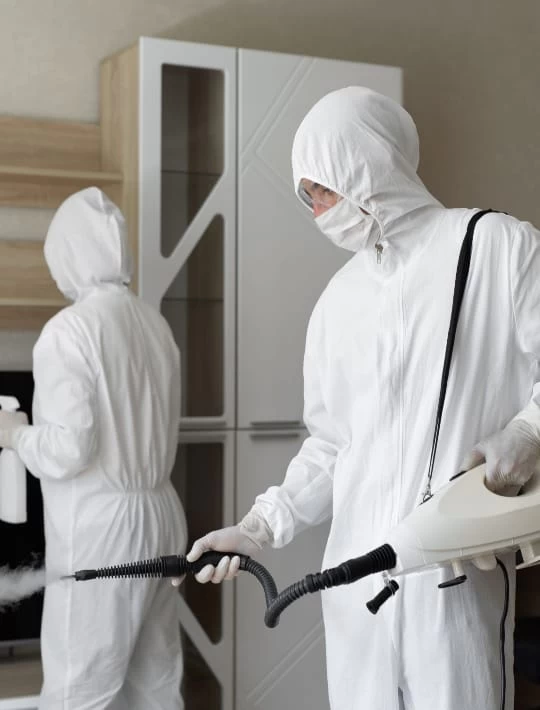
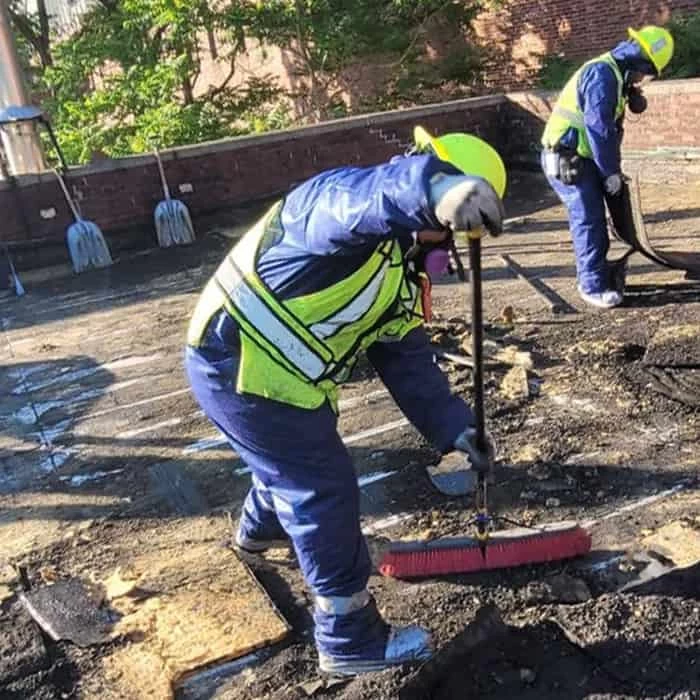
University Gardens has some of the oldest homes on Long Island — and behind those walls is often more than drywall. We handle demolition and hazardous material abatement under one license, one contract, and one team.
I needed a professional consultation explanation of procedure for safe removal of Asbestos in my apartment complex. Without having an account yet, I was very impressed with the caring, knowledgeable and generous advice offered by Jessica, and will look forward to doing business in the future. Thank you so much! I feel much more informed about a sometimes scary endeavor. Peace. Nancy Silva Mineola, NY.
Mia Munoz
Used this company to clean up some water flood in my house. They were fast and easy to work with.very professional, Would recommend to anyone!
Nini Valle
Great company, had a flood and they responded quickly and efficiently. Billed my insurance company directly. I highly recommend this company!
joe colapietro, jr
I had pipe freeze in my basement right before a snow storm and they made to within an hour to help start the clean up process. They we by our side throughout the entire process and even helped with the insurance company. They did such a great job with the cleanup, repair, remidiation, I contracted them to perform the repairs and finishes in the basement. They came with enough manpower and material to get the job done. Leo and Jessica were nothing but a pleasure to deal with!!
Cristian Arredondo c
I had some water damage in my home and Green Island was able to take care of my issue quickly and effectively. I am very pleased with the work they did. They responded quickly and were very professional.
Michael M
Outstanding service! From the office to the field crew everyone was friendly, helpful and responsive. I highly recommend Green Island Group.
Residential Demolition Services University Gardens NY
What You're Actually Getting Rid Of Goes Deeper Than Drywall
The University Gardens subdivision was established in 1927, and most of its 218 homes were built between the late 1920s and the early 1960s. That era of construction almost always includes asbestos — in pipe insulation, floor tiles, boiler wrap, textured plaster, and joint compound. You cannot see it. You cannot smell it. And you cannot legally remove it without a licensed abatement contractor on-site.
What makes University Gardens different from newer Nassau County communities is that the hazardous materials question here isn’t “if” — it’s “where.” Homes this old, on the North Shore, with original infrastructure still in place, will have something that needs to be handled before a single wall comes down. The problem isn’t the asbestos itself. The problem is hiring a demolition contractor who isn’t licensed to deal with it, then watching the project stop cold while you scramble to find someone who is.
When you work with us, that scenario doesn’t happen. Assessment, abatement, and demolition are handled in-house. The project keeps moving. You get one timeline and one point of contact from the first site visit to the final permit sign-off — which matters a lot when you’re commuting 46 minutes each way to the city and don’t have time to manage a contractor handoff mid-project.
One Team Handles the Whole Job — No Subcontractor Surprises
We are a full-service environmental contracting and demolition company based on Long Island, actively serving University Gardens and the broader Great Neck peninsula, including Russell Gardens, Kings Point, and the Town of North Hempstead. We hold a NYS Department of Labor Asbestos Handling Contractor License, a Nassau County Home Improvement Contractor License, and the bonding and insurance required to pull demolition permits directly from the North Hempstead Building Department.
What that means in practice is that you’re not hiring a demo crew that hands off the job the moment asbestos shows up. You’re hiring a team that can handle the full scope — environmental assessment, hazardous material abatement, structural demolition, and post-project documentation — without breaking stride. That’s not common in this industry. Most demolition contractors either skip the compliance piece or subcontract it out, which creates scheduling gaps, liability gray areas, and paperwork problems that follow a property for years.
Our 4.7-star rating reflects something specific: reviewers consistently name individual staff members and describe a team that communicates without being chased. For a University Gardens homeowner managing a renovation around a Manhattan work schedule, that responsiveness isn’t a bonus — it’s the baseline expectation.
From the First Call to the Final Clearance Test — Here's the Process
It starts with a site assessment. Before any permits are filed or any work begins, our team walks the property, identifies the scope of demolition, and tests for asbestos-containing materials and lead paint. In a pre-1960 University Gardens home, this step is not optional — it’s required by the Town of North Hempstead’s own demolition permit application, which explicitly mandates written certification that a licensed abatement contractor will be used if hazardous materials are found. Skipping this step doesn’t save time. It creates a stop-work order later.
Once the assessment is complete, we handle permit filing with the North Hempstead Building Department. If your property is within the University Gardens subdivision, there’s an additional layer: the UGPOA Board requires plan submission and approval before construction or demolition work begins. The Board has 30 days to respond. We are familiar with this process and help clients sequence the UGPOA review and Town permit applications so nothing falls through the cracks.
After permits are in place and any hazardous materials are abated, demolition proceeds. When the work is done, you receive a complete documentation package: disposal manifests for any asbestos or hazardous waste removed, air clearance test results, permit records, and inspection sign-offs. That paperwork protects your property’s value and satisfies any disclosure requirements when you eventually sell — a real consideration when your home is worth close to $870,000.
Commercial Demolition Contractors Nassau County NY
Every Scope Covered — Residential, Commercial, and Everything In Between
We handle the full range of demolition work that University Gardens generates — gut renovations in the covenant subdivision, interior selective demolition for kitchen and bathroom remodels, basement conversions, and structural teardowns on properties changing hands through estate sales or investment purchases. We also serve the commercial row along Northern Boulevard, where Route 25A runs through the community and office buildings, medical suites, and retail spaces face the same pre-1980 construction issues as the residential stock — often with the added complexity of tenant occupancy and commercial permitting requirements.
Every residential project includes asbestos and lead paint assessment as standard practice, not an upsell. If hazardous materials are found, abatement is handled in-house under the NYS DOL Asbestos Handling Contractor License — no separate contractor, no new contract, no delay. For commercial projects along the Northern Boulevard corridor, we coordinate with Nassau County Planning and the North Hempstead Building Department to ensure all approvals are in sequence before work begins.
Post-project documentation is included with every job: waste disposal manifests, air clearance certificates, permit records, and inspection sign-offs from the Town of North Hempstead. For homeowners in University Gardens where median property taxes run $10,001 a year and homes average close to $870,000, that documentation isn’t a formality — it’s a direct protection of your investment.
Do I need UGPOA approval before starting demolition in University Gardens?
If your property is within the University Gardens subdivision — the original 218-home covenant community established in 1927 — yes. The University Gardens Property Owners Association Board requires that complete construction and demolition plans be submitted for review and approval before any work begins. The Board has 30 days to respond; if they don’t respond within that window, approval is considered granted. This is a separate process from your Town of North Hempstead building permit, and it runs on its own timeline.
The practical implication is that you need to sequence both approvals before scheduling your contractor. Many homeowners — and some contractors — are caught off guard by this layer because it doesn’t exist in most other Long Island communities. We are familiar with the UGPOA review process and can help you understand what documentation the Board typically expects so the submission is complete the first time. Starting the UGPOA review and the permit application in parallel, rather than sequentially, is usually the fastest path to a project start date.
What permits are required for demolition work in the Town of North Hempstead?
Demolition work in University Gardens requires a permit from the Town of North Hempstead Building Department. The permit application requires the contractor to present current insurance and license documentation, and it includes a written certification requirement: if asbestos is encountered during the project, the contractor must certify that a licensed asbestos removal company will be used to handle and dispose of it in accordance with all applicable regulations. This is a formal, written requirement on the application itself — not an informal expectation.
Beyond the Town permit, Nassau County requires a Home Improvement Contractor License for residential work. If the project involves asbestos abatement, the contractor must hold a valid NYS Department of Labor Asbestos Handling Contractor License. Federal EPA NESHAP regulations also require advance written notification — at least 10 working days before demolition begins — for projects involving threshold quantities of asbestos-containing materials. A contractor who pulls the permit in their own name, as the licensed contractor of record, is the professional standard. If a contractor asks you to pull your own permit, that’s worth asking about directly.
How do I know if my University Gardens home has asbestos before demolition?
You don’t — not without testing. Asbestos-containing materials are not visually identifiable in the field. They look exactly like non-asbestos pipe insulation, floor tile, ceiling texture, or joint compound. The only way to confirm presence or absence is laboratory testing by a licensed inspector. In University Gardens, where the subdivision’s oldest homes date to 1927 and a significant portion of the housing stock was built before 1960, the probability of asbestos in at least one material category is very high — not a remote possibility.
The materials most commonly found to contain asbestos in homes of this era include pipe and boiler insulation, 9-inch vinyl floor tiles and their adhesive, textured plaster and “popcorn” ceiling coatings, roofing felt and shingles, window glazing compound, and joint compound used in drywall installation. A pre-demolition assessment by a licensed inspector tests samples from suspect materials and returns lab results that tell you exactly what you’re dealing with and where. That information shapes the abatement scope, the permit application, and the project timeline — and it’s required before any licensed contractor will proceed with structural demolition.
What happens if asbestos is found after demolition has already started?
If asbestos is discovered mid-project by a contractor who is not licensed for abatement, work stops. The contractor cannot legally continue until a licensed abatement company is brought in, a new contract is negotiated, a new schedule is established, and the hazardous material is removed and documented. In practice, this can add days to weeks to a project timeline and creates a liability gap — a period where disturbed asbestos-containing material may have been exposed without proper containment or air monitoring.
This is one of the most common ways demolition projects go sideways on Long Island’s North Shore, where the housing stock makes mid-project asbestos discovery a routine occurrence rather than a rare event. The way to avoid it is straightforward: hire a contractor who holds both the demolition license and the NYS DOL Asbestos Handling Contractor License before the project starts, and complete a thorough pre-demolition assessment of the full scope. We hold both licenses and conduct environmental assessments as a standard first step — specifically because stopping a project mid-demo in a University Gardens home is a much more expensive problem than testing before the first wall comes down.
How long does a typical demolition project take in University Gardens?
Timeline depends on scope, but for a typical interior gut renovation in a pre-1960 University Gardens home, you’re generally looking at a pre-demolition assessment and testing phase of a few days, a permit and UGPOA approval process that can take two to four weeks depending on submission timing and Board response, asbestos or lead paint abatement if materials are found, and then the demolition work itself — which for a full interior gut can run anywhere from a few days to a couple of weeks depending on the size of the home and the complexity of the scope.
The UGPOA approval layer is the variable that surprises most homeowners. Because the Board has 30 days to respond, and because the Town of North Hempstead permit process runs on its own timeline, the pre-construction phase in University Gardens is longer than in communities without covenant review. Starting both processes in parallel — and submitting complete, well-documented plans the first time — is the most effective way to compress the overall timeline. Our familiarity with both the North Hempstead permit office and the UGPOA submission requirements is directly useful here.
Why does demolition in University Gardens cost more than in other Nassau County towns?
A few factors drive costs higher in University Gardens specifically. The age of the housing stock — homes dating to the 1920s through 1960s — means pre-demolition asbestos and lead paint assessment is almost always necessary, and abatement is frequently required. Licensed abatement adds real cost: proper containment, air monitoring by a NYS DOL-licensed monitor, and disposal at a licensed facility are not cheap, but they are legally required and non-negotiable. Cutting that cost means cutting the compliance, which creates a liability problem that follows the property.
The UGPOA covenant review process also adds time, and time has a cost in any construction project. The dual-approval requirement — Town of North Hempstead permit plus UGPOA Board review — is unique to the University Gardens subdivision and doesn’t exist in most other Nassau County communities. Beyond that, University Gardens homes tend to be architecturally distinct from the post-WWII ranch and Cape Cod stock that dominates the rest of the county. Older framing systems, plaster walls, and original infrastructure require more careful, experienced demolition work than a standard 1960s build. For a home worth close to $870,000, the cost of doing it right is a straightforward investment compared to the cost of doing it wrong.