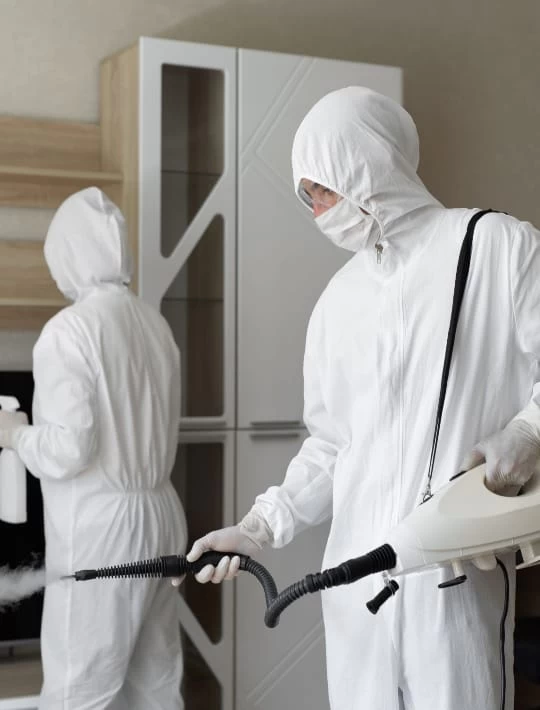
Westbury's Older Homes Deserve More Than a Sledgehammer
Most homes in Westbury were built before 1960 — and what’s behind those walls matters. We handle demolition and hazardous material removal together, so your project doesn’t stop when something unexpected shows up.
I needed a professional consultation explanation of procedure for safe removal of Asbestos in my apartment complex. Without having an account yet, I was very impressed with the caring, knowledgeable and generous advice offered by Jessica, and will look forward to doing business in the future. Thank you so much! I feel much more informed about a sometimes scary endeavor. Peace. Nancy Silva Mineola, NY.
Mia Munoz
Used this company to clean up some water flood in my house. They were fast and easy to work with.very professional, Would recommend to anyone!
Nini Valle
Great company, had a flood and they responded quickly and efficiently. Billed my insurance company directly. I highly recommend this company!
joe colapietro, jr
I had pipe freeze in my basement right before a snow storm and they made to within an hour to help start the clean up process. They we by our side throughout the entire process and even helped with the insurance company. They did such a great job with the cleanup, repair, remidiation, I contracted them to perform the repairs and finishes in the basement. They came with enough manpower and material to get the job done. Leo and Jessica were nothing but a pleasure to deal with!!
Cristian Arredondo c
I had some water damage in my home and Green Island was able to take care of my issue quickly and effectively. I am very pleased with the work they did. They responded quickly and were very professional.
Michael M
Outstanding service! From the office to the field crew everyone was friendly, helpful and responsive. I highly recommend Green Island Group.
Here’s what most Westbury homeowners don’t find out until it’s too late: the demo contractor they hired isn’t licensed to touch what’s behind the walls. Asbestos shows up in a floor tile, a pipe wrap, or a ceiling texture — and suddenly the project is on hold while they scramble to find a separate abatement company. That gap costs weeks, sometimes more.
When you work with us, that gap doesn’t exist. Demolition and licensed asbestos abatement are handled by the same team, under the same contract. If something turns up mid-project, the job keeps moving. No handoff. No waiting. No second round of negotiations with a contractor you’ve never met.
Westbury’s housing stock makes this more relevant here than almost anywhere else in Nassau County. With a median construction year of 1955 and a significant share of homes built before 1940, the odds that your renovation will encounter asbestos-containing materials are high — not hypothetical. The same goes for lead paint. A contractor who can legally handle both, from the first assessment through final clearance, is not a luxury in this market. It’s the practical choice.
Licensed Demolition Contractors Serving Westbury, NY
One Team Accountable for the Whole Job
We’re a Long Island-based environmental contracting and demolition firm. We hold the licensing to perform demolition, asbestos abatement, mold remediation, and environmental testing — not as separate divisions farming work out to subcontractors, but as a single, integrated team operating under one project structure.
We’ve worked across Nassau and Suffolk counties long enough to know that Westbury isn’t a generic Nassau County suburb. The Village of Westbury has its own building department, its own permit requirements, and a demolition code that includes a security deposit obligation most contractors have never heard of. The neighborhoods here — from the post-war Cape Cods near New Cassel to the older blocks closer to Post Avenue — each carry their own risk profile. That local knowledge shows up in how we scope, price, and execute every project.
Our customers consistently highlight the same thing in reviews: specific staff members, by name, who answered questions quickly and kept the project moving. That’s not an accident. It’s how we operate.
What Actually Happens From First Call to Final Clearance
It starts with a site assessment. Before any work is scoped or priced, our team evaluates the property — what’s being demolished, what’s adjacent to it, and what the structure is likely to contain given its age. For most homes in Westbury, that means a formal hazardous materials survey. If asbestos or lead paint is found, that finding shapes the project plan from the start rather than becoming a mid-project crisis.
From there, permitting is handled directly. We pull demolition permits in our own name as the licensed contractor of record with the Village of Westbury Building Department. That includes managing the security deposit requirement codified in the village’s building administration code — a step that catches contractors unfamiliar with Westbury’s specific process off-guard. You don’t have to figure out what the village requires. That’s already accounted for.
Once permits are in place, the work begins in the correct sequence: containment and abatement first if hazardous materials are present, then demolition, then debris removal and site restoration. After the job is complete, you receive the full documentation package — disposal manifests, air clearance results, and permit records. That paperwork matters when you eventually sell. Buyers’ attorneys in Nassau County ask for it, and having it ready protects your position at closing.
Demolition Specialists in Westbury and Nassau County
Full-Scope Demo Work Built for Pre-1960 Properties
We handle the full range of residential and commercial demolition work in Westbury — interior selective demo, kitchen and bathroom gut work, basement demolition, partial structural removal, and full building teardown. For commercial clients, particularly those along the Post Avenue corridor where Westbury’s Downtown Revitalization Initiative has driven active redevelopment, we have the bonding capacity and project management infrastructure to handle larger, more complex scopes.
What makes our service different here isn’t just the range of work — it’s what’s built into it. Every project in Westbury’s pre-1980 housing stock starts with a hazardous materials assessment. That’s not an upsell. It’s the legally correct starting point for any demolition in a home of this age, and skipping it creates real liability. The NYS Department of Labor requires a valid Asbestos Handling Contractor License to disturb, remove, or dispose of asbestos-containing materials. We hold that license. We also carry the EPA RRP certification required for lead paint work in pre-1978 homes.
For homeowners in New Cassel, near the LIRR station on Post Avenue, or anywhere else in the 11590 ZIP code, the process is the same: one point of contact, one contract, and a team that doesn’t hand your project off when it gets complicated.
Do I need a permit for demolition work in the Village of Westbury?
Yes — and the Village of Westbury’s process is more specific than most people expect. Because Westbury is an incorporated village with its own building department, permits are pulled through the Village of Westbury directly, not through the Town of North Hempstead. That’s a distinction that trips up contractors who aren’t familiar with how Nassau County’s municipal structure works.
Beyond the permit itself, the village code requires a security deposit — in the form of cash, a certified check, or a performance bond — filed with the Village Treasurer before the permit is issued. This deposit ensures debris removal and site restoration after the work is complete. The published fee schedule sets residential demolition permits at $250 and commercial at $500. We handle all of this on your behalf, pulling permits in our own name as the licensed contractor of record, so you’re not left navigating a process you’ve never dealt with before.
How do I know if my Westbury home has asbestos before starting demolition?
The honest answer is: you don’t, until it’s tested. Visual inspection isn’t reliable for asbestos. Materials that contain it — floor tiles, ceiling texture, pipe insulation, joint compound, roofing felt — don’t look any different from materials that don’t. The only way to know is a formal bulk sample collection and lab analysis conducted before demolition begins.
In Westbury, this step is essentially standard. The median construction year for homes in the village is 1955, and approximately 16% of the housing stock was built before 1940. That places the overwhelming majority of Westbury properties within the high-risk window for asbestos-containing materials. New York State law requires that only a contractor holding a valid NYS DOL Asbestos Handling Contractor License can legally disturb or remove those materials. We conduct pre-demolition hazardous materials surveys as part of our standard project intake, so you know exactly what you’re dealing with before any walls come down.
What happens if asbestos is found in the middle of a demolition job?
If you’re working with a contractor who isn’t licensed for asbestos abatement, the project stops. They’re legally required to halt work, and you’re left finding a separate abatement company, waiting for their availability, and restarting the job from a partial demo state. In a dense neighborhood like Westbury — where your house is close to your neighbors and a half-demolished kitchen isn’t a sustainable situation — that kind of delay is genuinely disruptive.
When we’re running the project, a mid-job asbestos discovery doesn’t trigger a stoppage. Because we hold the NYS DOL Asbestos Handling Contractor License and the demolition license under the same company, we pivot to containment and abatement without bringing in a third party. The scope adjusts. The timeline adjusts. The project keeps moving. That integrated capability is the specific reason single-source contracting matters in Westbury’s pre-1960 housing market — it’s not a theoretical benefit, it’s the difference between a two-week delay and none at all.
How much does interior demolition typically cost in Westbury, NY?
Interior demolition costs in Westbury vary based on the scope of work, the size of the space, and — critically — whether hazardous materials are present. A straightforward kitchen gut in a post-war ranch home is a different project than the same scope in a pre-1940 house near the village center where asbestos in the floor tiles or ceiling adds an abatement phase to the job.
As a general range, interior selective demolition for a single room typically runs between $1,500 and $5,000 depending on size and complexity. If asbestos abatement is required, that adds to the cost — but it’s a cost that exists whether you account for it upfront or discover it mid-project with an unlicensed contractor. The difference is that discovering it mid-project is more expensive and more disruptive. Getting a quote that includes a hazardous materials assessment from the start gives you an accurate number, not a lowball figure that balloons later. We provide itemized estimates that break out each phase of the work so you understand what you’re paying for.
Can a demolition contractor handle both asbestos removal and demo in New York State?
Only if they hold both licenses. In New York State, a general contractor’s license does not authorize asbestos abatement. The NYS Department of Labor issues asbestos handling contractor licenses separately, under Industrial Code Rule 56, and the DOL’s Asbestos Control Bureau actively inspects demolition and renovation projects to verify compliance. Individual workers performing abatement must also hold their own NYS DOL handler certifications, and air monitoring during abatement must be conducted by a licensed air monitor.
This is a layer of regulation that most homeowners aren’t aware of — and some contractors are quietly counting on that. If you’re getting quotes for demolition in Westbury and a contractor doesn’t mention asbestos at all when your home was built in 1955, that’s worth asking about directly. We hold the required NYS DOL Asbestos Handling Contractor License alongside our demolition credentials, which means we are legally authorized to perform both scopes of work. That’s not a common combination among the contractors showing up in local Westbury search results.
What documentation should I receive after demolition work in Westbury is complete?
You should receive a complete paper trail, and if a contractor isn’t offering it, that’s a problem worth addressing before the job starts. The documentation that matters most includes: disposal manifests confirming that any asbestos-containing materials were removed by a licensed contractor and disposed of at a licensed facility, air clearance test results from a licensed NYS DOL air monitor confirming the space is safe for reoccupancy, and permit records from the Village of Westbury Building Department showing the work was performed with proper authorization.
This documentation becomes critically important when you sell. Buyers’ attorneys in Nassau County routinely ask for evidence that demolition and abatement work was done correctly, and a gap in the paper trail can delay or complicate a closing on a property worth $700,000 or more. Westbury homeowners who skip this step aren’t saving money — they’re creating a liability that surfaces at the worst possible time. We provide the full documentation package as a standard part of every project, not as an add-on.