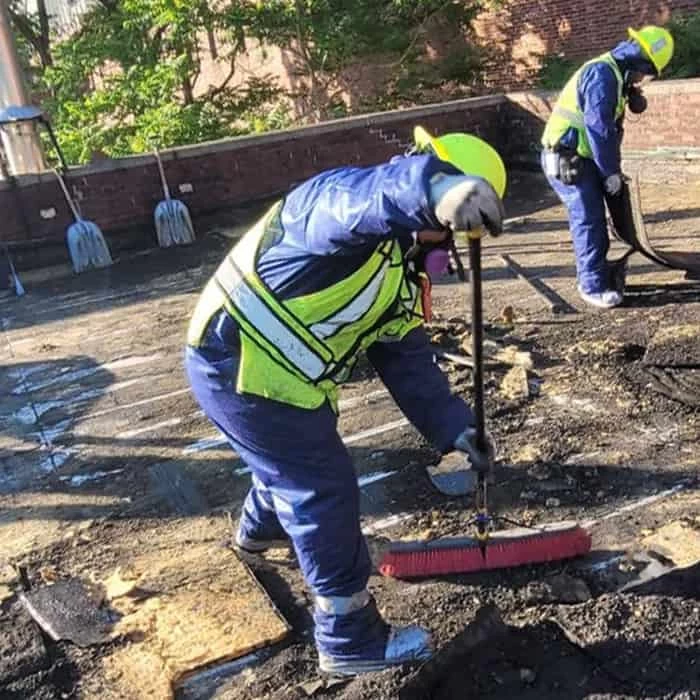
Woodmere Homes Built in the 1950s Need More Than a Sledgehammer
Most homes in Woodmere were built in the 1950s and 60s — and what’s behind those walls requires a licensed demolition contractor who can handle it all, not just the easy parts.
I needed a professional consultation explanation of procedure for safe removal of Asbestos in my apartment complex. Without having an account yet, I was very impressed with the caring, knowledgeable and generous advice offered by Jessica, and will look forward to doing business in the future. Thank you so much! I feel much more informed about a sometimes scary endeavor. Peace. Nancy Silva Mineola, NY.
Mia Munoz
Used this company to clean up some water flood in my house. They were fast and easy to work with.very professional, Would recommend to anyone!
Nini Valle
Great company, had a flood and they responded quickly and efficiently. Billed my insurance company directly. I highly recommend this company!
joe colapietro, jr
I had pipe freeze in my basement right before a snow storm and they made to within an hour to help start the clean up process. They we by our side throughout the entire process and even helped with the insurance company. They did such a great job with the cleanup, repair, remidiation, I contracted them to perform the repairs and finishes in the basement. They came with enough manpower and material to get the job done. Leo and Jessica were nothing but a pleasure to deal with!!
Cristian Arredondo c
I had some water damage in my home and Green Island was able to take care of my issue quickly and effectively. I am very pleased with the work they did. They responded quickly and were very professional.
Michael M
Outstanding service! From the office to the field crew everyone was friendly, helpful and responsive. I highly recommend Green Island Group.
The Right Contractor Protects What Your Woodmere Home Is Worth
When your Woodmere home is worth over a million dollars, the contractor you hire for demolition isn’t a minor decision. A bad call here — unpermitted work, disturbed asbestos, improper disposal — doesn’t just create a headache. It creates liability that follows your property through every future sale, refinance, and inspection.
Woodmere’s housing stock tells the story clearly. The median construction year here is 1959. That means floor tiles, ceiling textures, pipe insulation, and joint compound from an era when asbestos was standard in residential construction. In New York State, disturbing those materials without the right license isn’t just risky — it’s illegal. Most demolition contractors advertising in the Five Towns don’t hold that license.
What you actually get when the job is done right: a clean scope of work before anything starts, proper containment during the work, licensed disposal with a documented chain of custody, and clearance documentation when it’s done. That paperwork matters in Woodmere’s real estate market. It’s the difference between a smooth closing and a deal that falls apart over questions nobody can answer.
We’re a full-service environmental contracting and demolition firm serving Nassau County and the broader Long Island area. What separates us from most contractors in the Woodmere and Five Towns market is simple: we hold licensing across asbestos abatement, mold remediation, lead paint removal, demolition, and restoration — all under one roof.
That matters in a community like Woodmere. When a project in a 1957 Cape Cod turns up asbestos tile or mold behind a wet wall — and it happens more than people expect — the same licensed team handles it. No stopping work. No bringing in a third party. No gap in accountability between one contractor and the next.
We’ve been serving the South Shore Nassau County corridor long enough to know Woodmere and the surrounding area well. The Town of Hempstead permit process, the post-Sandy PDA complications, the flooding vulnerabilities along the Five Towns coastline — this is familiar territory, not a learning curve. We understand how these factors affect your project timeline and what documentation you’ll need.
From First Call to Final Clearance — Here's Our Process
It starts with an assessment. Before any work begins, we evaluate the structure, identify potential hazardous materials, and put together a written scope of work. In Woodmere, where virtually every home falls within the pre-1980 asbestos and lead paint risk window, this step isn’t optional — it’s what determines whether the project can proceed legally and safely.
From there, we pull permits through the Town of Hempstead Building Department in our name, as the licensed contractor of record. If you’ve ever been asked by a contractor to pull your own demolition permit, that’s a signal worth paying attention to. A licensed contractor pulls their own permits — always.
Once the assessment is complete and permits are in hand, the demolition work begins. We set up containment to protect finished areas of your home. If hazardous materials are present, we remove them using our licensed abatement team before demolition proceeds — not after, and not by someone who isn’t certified to touch them. When the job is done, you receive disposal manifests and post-project clearance documentation. That’s the paper trail that protects you when it matters most.
Residential demolition in Woodmere covers a wide range of project types — interior gut renovations, selective wall removal, kitchen and bathroom teardowns, basement clearouts, and full structural demolition. Whatever the scope, every project starts with a written assessment and ends with documentation you can keep on file.
For homes along the lower-lying sections of Woodmere — the streets that saw flooding after Sandy, the properties near Motts Creek, the basements that have taken on water through more than one nor’easter — storm damage demolition and mold remediation are often part of the same project. We handle both. The team that assesses the water damage is the same team that removes the mold and tears out the compromised structure, so nothing falls through the cracks between service categories.
We also offer commercial demolition for property owners and managers along Peninsula Boulevard and the Five Towns business corridors. Whether it’s a tenant buildout requiring selective interior demolition or a multi-unit property needing a full gut, the same licensed, insured, and bonded team handles it. Every project — residential or commercial — includes proper permitting through the Town of Hempstead, hazardous material handling where applicable, and disposal documentation as a standard deliverable.
Do I need a permit for demolition work in Woodmere, NY?
Yes — and the permit needs to be pulled by the licensed contractor doing the work, not by you as the homeowner. Woodmere is an unincorporated hamlet within the Town of Hempstead, which means all demolition permits are issued and enforced by the Town of Hempstead Building Department. The permit must list a licensed contractor as the responsible party of record.
This is one of the clearest ways to vet a contractor before you hire them. If someone asks you to pull your own demolition permit, it usually means they don’t hold the licenses required to pull it themselves — and that’s a problem that will follow the project from start to finish. We handle the entire permit process through the TOH Building Department, including any inspection scheduling and documentation required before the job closes out.
How do I know if my Woodmere home has asbestos before starting demolition?
The honest answer is that you don’t know until it’s tested — but the odds in Woodmere are high. The median construction year for homes in this community is 1959, and asbestos-containing materials were used throughout residential construction well into the 1970s. Floor tiles, ceiling texture, pipe insulation, joint compound, roofing materials — all of it was standard. If your Woodmere home was built before 1980, asbestos testing before any demolition work is the responsible move, not an optional one.
In New York State, a licensed asbestos inspector must collect and submit samples for lab analysis. If asbestos is confirmed above regulated thresholds, it must be removed by a contractor holding a NYS Department of Labor Asbestos Handling Contractor License before demolition can proceed. We hold this license and can manage the testing, abatement, and demolition under one contract — so the discovery of asbestos doesn’t stop your project in its tracks.
What happens if asbestos or mold is found during a demolition project?
If you’re working with a contractor who isn’t licensed for asbestos abatement or mold remediation, the answer is: the project stops. They’re legally prohibited from touching regulated materials, so they have to bring in a third party, coordinate a handoff, and restart — which means delays, cost overruns, and a gap in accountability between contractors.
If you’re working with us, the project keeps moving. We hold the licenses to handle asbestos abatement and mold remediation alongside demolition. When something is found behind a wall in a 1960s Woodmere Colonial — and it happens regularly in this housing stock — it gets handled by the people already on site, under the same contract. That continuity matters both for the timeline and for the documentation. You end up with one clear record of what was found, how it was handled, and where the materials were disposed of.
How does flooding history in Woodmere affect demolition and renovation projects?
It affects them more than most homeowners expect. After Hurricane Sandy, the Town of Hempstead issued Preliminary Damage Assessment reports for properties in flood-affected areas — and for some Woodmere homeowners, those PDA reports created complications when applying for renovation and demolition permits years after the storm. If your property received a PDA designation, you may need to address outstanding structural or flood-related damage before the Town will issue permits for other renovation work.
Beyond the Sandy legacy, Woodmere’s South Shore location means ongoing exposure to nor’easters, tidal flooding, and heavy rainfall events that can cause water intrusion, structural damage, and mold growth — particularly in basements and lower levels. Homes near Motts Creek and the lower-lying sections of the hamlet are especially familiar with this pattern. Our storm damage demolition and remediation work is specifically designed for these conditions, and we understand how the TOH permit process intersects with flood damage history in ways that affect project timelines.
How long does interior demolition typically take in a Woodmere home?
It depends on the scope, but for a typical interior gut renovation in a Woodmere home — a kitchen teardown, a bathroom demolition, or a first-floor wall removal — the physical demolition work itself often takes one to three days. What adds time is the front end of the process: the hazardous materials assessment, the permit application through the Town of Hempstead, and any asbestos abatement that needs to happen before demolition begins.
In a community where the housing stock is almost entirely pre-1980, the assessment phase is not something to rush or skip. Skipping it doesn’t save time — it creates the kind of mid-project discovery that stops everything. When the front end is handled correctly, the demolition phase runs cleanly, and you’re not waiting on a third-party abatement contractor to come in and take over. A realistic timeline for a permitted, compliant interior demolition project in Woodmere — from first assessment to cleared site — typically runs one to two weeks depending on permit processing and project complexity.
Can we handle both the demolition and the asbestos removal in Woodmere?
Yes — and that’s exactly the point. Most demolition contractors in the Nassau County market hold a general contractor license, which gives them no legal authority to touch asbestos-containing materials. When they find something during a project, they stop, bring in a separate abatement firm, and hand the project off. You’re now coordinating two contractors, two schedules, and two sets of documentation for one job.
We hold a NYS Department of Labor Asbestos Handling Contractor License alongside our demolition credentials. That means one team assesses your property, handles any abatement, and completes the demolition — with a single chain of documentation from start to finish. For Woodmere homeowners dealing with pre-1960 homes where asbestos is a near-certainty rather than a remote possibility, having both capabilities under one contract isn’t a luxury. It’s what keeps the project on track and keeps you protected.