Bellaire's Pre-War Homes Deserve More Than a Sledgehammer
When your home was built before 1939, demolition isn’t just about tearing things down it’s about knowing what’s behind the walls before anyone swings. We handle the full picture for Bellaire homeowners: asbestos abatement, permits, and demolition under one roof.
I needed a professional consultation explanation of procedure for safe removal of Asbestos in my apartment complex. Without having an account yet, I was very impressed with the caring, knowledgeable and generous advice offered by Jessica, and will look forward to doing business in the future. Thank you so much! I feel much more informed about a sometimes scary endeavor. Peace. Nancy Silva Mineola, NY.
Mia Munoz
Used this company to clean up some water flood in my house. They were fast and easy to work with.very professional, Would recommend to anyone!
Nini Valle
Great company, had a flood and they responded quickly and efficiently. Billed my insurance company directly. I highly recommend this company!
joe colapietro, jr
I had pipe freeze in my basement right before a snow storm and they made to within an hour to help start the clean up process. They we by our side throughout the entire process and even helped with the insurance company. They did such a great job with the cleanup, repair, remidiation, I contracted them to perform the repairs and finishes in the basement. They came with enough manpower and material to get the job done. Leo and Jessica were nothing but a pleasure to deal with!!
Cristian Arredondo c
I had some water damage in my home and Green Island was able to take care of my issue quickly and effectively. I am very pleased with the work they did. They responded quickly and were very professional.
Michael M
Outstanding service! From the office to the field crew everyone was friendly, helpful and responsive. I highly recommend Green Island Group.
No Hidden Hazards. No Stalled Projects. No Second Contractor.
Most homes in Bellaire were built before 1939. That’s not a small detail it means almost every renovation or teardown you start will run into asbestos floor tiles, lead paint, or pipe insulation that nobody told you about. When that happens mid-project with the wrong contractor, work stops. You’re suddenly coordinating two companies, managing two timelines, and watching costs climb.
When you work with a contractor who handles both abatement and demolition in-house, that scenario doesn’t happen. The hazardous material survey happens before the first wall comes down. The scope is accurate from day one. And the project keeps moving because there’s one team, one contract, and one person accountable for all of it.
Bellaire’s housing stock is also why the NYC permitting process matters as much as the physical work itself. The DOB won’t issue a full demolition permit without a completed ACP-5 form and that form requires a DEP-certified asbestos investigator to sign off first. If your contractor doesn’t handle that, you’re handling it yourself. We manage the entire regulatory sequence so you don’t have to figure out what an ACP-5 form even is.
340 Projects In. We Know What's Behind Bellaire's Walls.
We’ve been working in the New York metro area for over 12 years, and a significant portion of that work has been in eastern Queens the pre-war brick and frame homes that line the residential blocks between Hillside Avenue and Hollis Avenue, exactly like the ones in Bellaire. That experience isn’t just a number. It means our team has already encountered the complications that catch other contractors off guard: original lath-and-plaster walls, asbestos pipe insulation, knob-and-tube wiring, and cast iron plumbing that changes the entire teardown plan.
We’re licensed by the NYC Department of Buildings, certified under NYS DOL Industrial Code Rule 56, and compliant with USEPA NESHAP air quality standards. That’s three separate regulatory bodies and most contractors don’t hold all three. We also bill insurance carriers directly, which matters a great deal when you’re dealing with fire or water damage and the last thing you need is more paperwork.
What Actually Happens From Your First Call to a Clear Site
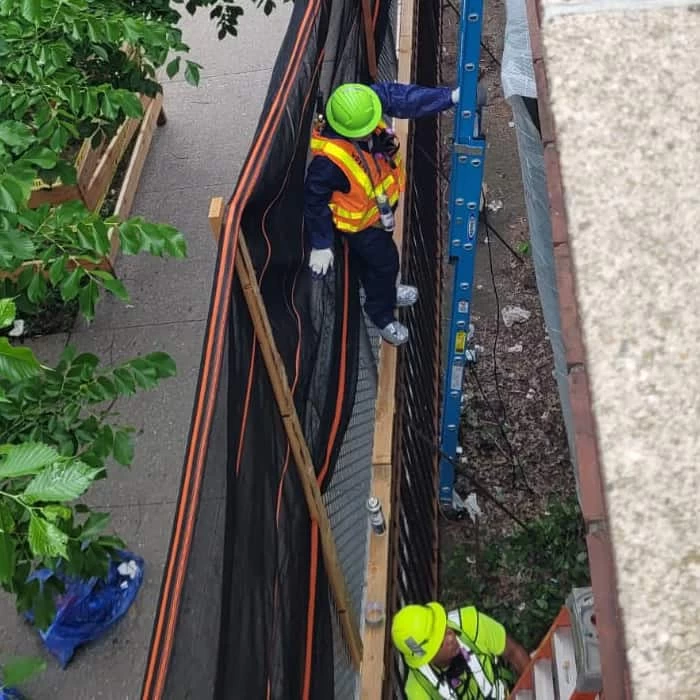
It starts with a site assessment. Before anything is touched, we survey the structure for asbestos-containing materials, lead paint, and mold the three things most commonly found in Bellaire homes built before 1940. This isn’t optional in New York City. The DOB requires an ACP-5 form completed by a DEP-certified investigator before a full demolition permit is issued, and that process starts here.
Once the hazardous material picture is clear, the permit applications go in. In NYC, that typically means a four-to-eight-week timeline depending on the scope of work and the borough office queue. If abatement is required, the NYC DEP gets notified at least seven days in advance that’s a legal requirement, not a suggestion. We handle all of that filing so you’re not tracking deadlines across three different agencies.
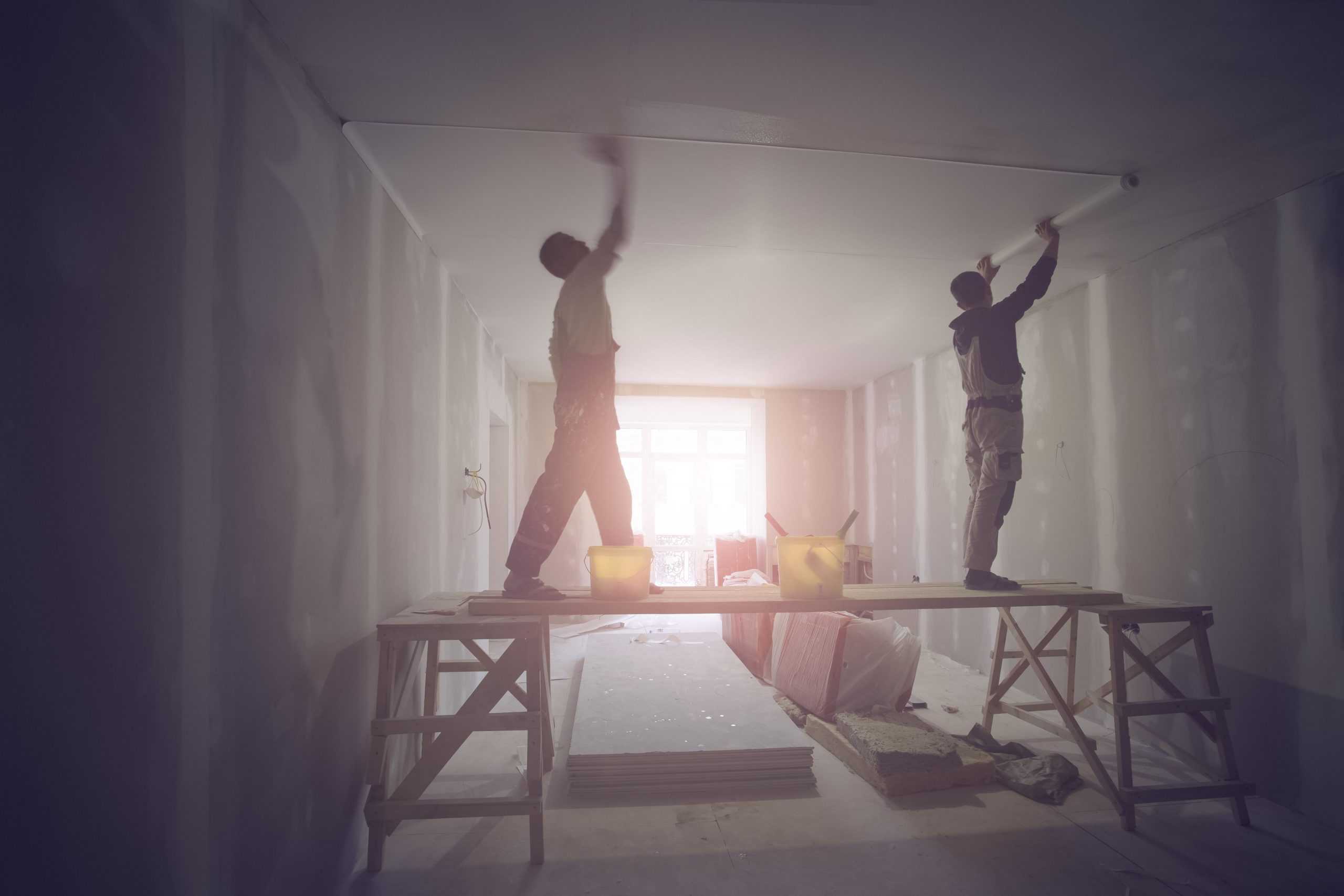
When permits are approved and any abatement is complete, the physical demolition begins. Whether it’s a kitchen gut, a basement teardown, or a full structural demolition, our crew works with containment systems to control dust on Bellaire’s tight residential streets. Debris is removed and recyclable materials concrete, metal, structural wood are sorted and hauled. When the job is done, the site is clean and ready for whatever comes next.
Everything Bellaire Homeowners Actually Need in One Contract
We offer full-service residential and commercial demolition across Queens, including interior selective demolition, gut renovations, and complete structural teardowns. For Bellaire homeowners, the most common work is interior kitchen and bathroom gut-outs, basement teardowns, and wall removal in pre-war homes where every layer of material has to be assessed before it’s touched. That’s a different kind of job than demolishing a postwar structure, and it requires a team that’s done it before.
Every project includes a pre-demolition hazardous material survey, permit management, licensed asbestos and lead abatement if needed, the physical demolition work, debris removal, and site preparation for the next phase of construction. There are no separate invoices for the abatement portion and the demolition portion it’s one scope, one team, one bill. For homeowners in the 11429 zip code dealing with a renovation in a home that’s pushing 90 years old, that kind of clarity in pricing and responsibility is genuinely hard to find.
For fire and water damage situations which happen regularly in older homes with aging plumbing and electrical systems we respond 24 hours a day, seven days a week, and bill insurance carriers directly. If a burst pipe floods your finished basement on a Sunday night, you’re not waiting until Monday morning for a callback.
Do I need a permit for demolition work in Bellaire, Queens, NY?
Yes any structural demolition in Bellaire requires a permit from the NYC Department of Buildings, and the process is more involved than most homeowners expect. Before the DOB will issue a full demolition permit, you need a completed ACP-5 form signed by a DEP-certified asbestos investigator confirming that the building is either free of asbestos-containing material or that all ACM has been properly abated. This is required by NYC Local Law 76, and it applies to every demolition project in the five boroughs no exceptions based on building size or scope.
For Bellaire specifically, where the majority of homes were built before 1939, the asbestos investigation step is almost always going to find something that needs to be addressed before the permit can move forward. That’s not a worst-case scenario it’s just the reality of pre-war construction. A contractor who manages this process for you, from the initial survey through the ACP-5 filing and DEP notification, will save you weeks of confusion and potential stop-work orders down the road.
My Bellaire home was built in the 1930s does it definitely have asbestos?
Not definitively, but the probability is high enough that it should be assumed until a certified investigator says otherwise. Homes built before 1980 may contain asbestos in floor tiles, ceiling tiles, pipe and boiler insulation, roofing materials, and joint compound. Homes built in the 1920s and 1930s which describes most of Bellaire’s housing stock are particularly likely to have asbestos in multiple locations, sometimes in materials that look completely ordinary.
The only way to know for certain is a professional asbestos survey conducted by a DEP-certified investigator. Samples are taken from suspect materials and sent to a lab. If ACM is found in areas that will be disturbed during demolition, it has to be abated by NYS DOL-certified workers before any structural work begins. This isn’t optional, and it isn’t something a general contractor without the proper certifications can handle. Once abatement is complete and documented, the project moves forward cleanly no lingering liability, no air quality issues, no regulatory exposure for you as the property owner.
How long does the demolition permit process take in NYC?
Generally speaking, the DOB permit process for demolition in New York City takes anywhere from four to eight weeks from the time the application is submitted sometimes longer depending on the complexity of the project and the current volume at the Queens Borough Office. That timeline assumes the ACP-5 form has already been completed and filed, which is a prerequisite. If asbestos abatement is required, add at least seven days for the mandatory DEP advance notification before abatement work can legally begin.
The timeline can stretch further if the application has errors, if the project triggers additional safety review, or if utility disconnections aren’t confirmed before the permit is processed. A contractor who has pulled DOB demolition permits regularly in Queens knows how to submit a complete, accurate application the first time which is the single biggest factor in keeping the timeline on track. For Bellaire homeowners planning a renovation around a specific move-in date or sale closing, understanding this timeline upfront is essential to setting realistic expectations.
What is the difference between selective demolition and a full teardown?
Selective demolition sometimes called interior demolition means removing specific elements of a structure while leaving the rest intact. In Bellaire, this is the most common type of work: gutting a kitchen down to the studs, removing a bathroom, tearing out a finished basement, or opening up walls between rooms. The goal is to clear the space for renovation without affecting the structural integrity of the rest of the building.
A full teardown means the entire structure comes down to the foundation. This is less common in Bellaire’s established residential landscape, but it does happen typically when a home has deteriorated beyond cost-effective renovation, or when a property owner wants to build new on an existing lot. Full teardowns in NYC involve a more intensive permitting process, neighbor notification requirements, and a detailed safety and dust control plan submitted to the DOB. Both types of work require the same upfront hazardous material assessment, since disturbing any part of a pre-war structure can expose ACM or lead paint regardless of how much of the building is being removed.
Does homeowners insurance cover demolition after fire or water damage?
In most cases, yes if the demolition is directly tied to a covered loss like a fire, burst pipe, or storm damage, your homeowners insurance policy will typically cover the cost of the necessary demolition as part of the overall claim. The key word is “necessary” the demolition has to be documented as required to remediate the damage and restore the property, not just a renovation you wanted to do anyway.
For Bellaire homeowners, this comes up most often after kitchen fires or water damage from aging plumbing in pre-war homes. A 90-year-old cast iron supply line or original knob-and-tube wiring isn’t a question of if something eventually fails it’s when. When it does, having a contractor who bills insurance carriers directly and documents the scope of damage thoroughly from the start makes the claims process significantly less painful. We handle the insurance coordination side of emergency demolition work so you’re focused on getting your home back, not navigating paperwork between a contractor and an adjuster.
How do I find a licensed demolition contractor near Bellaire, Queens?
The most important credential to verify is NYC Department of Buildings licensing for demolition work. This is not the same as a general contractor license it’s specific to demolition, and it’s what allows a contractor to pull DOB permits directly in Queens. Without it, the contractor either can’t legally perform the work or has to subcontract the permit filing to someone else, which adds cost and removes accountability.
Beyond the DOB license, look for NYS DOL certification under Industrial Code Rule 56 for any project involving asbestos, and confirm the contractor carries adequate liability insurance. In Bellaire, where virtually every home predates 1940, a demolition contractor who isn’t also certified for asbestos abatement is going to hit a wall literally the moment the survey comes back positive. The contractors who serve Bellaire well are the ones who can handle the full sequence: survey, abatement, permits, demolition, debris removal, and site prep, without handing you off to someone else in the middle of the job.