College Point's Older Homes Don't Forgive Incomplete Demolition Work
When your home was built in 1962 or earlier tearing into it without the right licensed demolition contractor means uncovering asbestos, lead, and decades of hidden damage mid-project. We handle it all before the first wall comes down.
I needed a professional consultation explanation of procedure for safe removal of Asbestos in my apartment complex. Without having an account yet, I was very impressed with the caring, knowledgeable and generous advice offered by Jessica, and will look forward to doing business in the future. Thank you so much! I feel much more informed about a sometimes scary endeavor. Peace. Nancy Silva Mineola, NY.
Mia Munoz
Used this company to clean up some water flood in my house. They were fast and easy to work with.very professional, Would recommend to anyone!
Nini Valle
Great company, had a flood and they responded quickly and efficiently. Billed my insurance company directly. I highly recommend this company!
joe colapietro, jr
I had pipe freeze in my basement right before a snow storm and they made to within an hour to help start the clean up process. They we by our side throughout the entire process and even helped with the insurance company. They did such a great job with the cleanup, repair, remidiation, I contracted them to perform the repairs and finishes in the basement. They came with enough manpower and material to get the job done. Leo and Jessica were nothing but a pleasure to deal with!!
Cristian Arredondo c
I had some water damage in my home and Green Island was able to take care of my issue quickly and effectively. I am very pleased with the work they did. They responded quickly and were very professional.
Michael M
Outstanding service! From the office to the field crew everyone was friendly, helpful and responsive. I highly recommend Green Island Group.
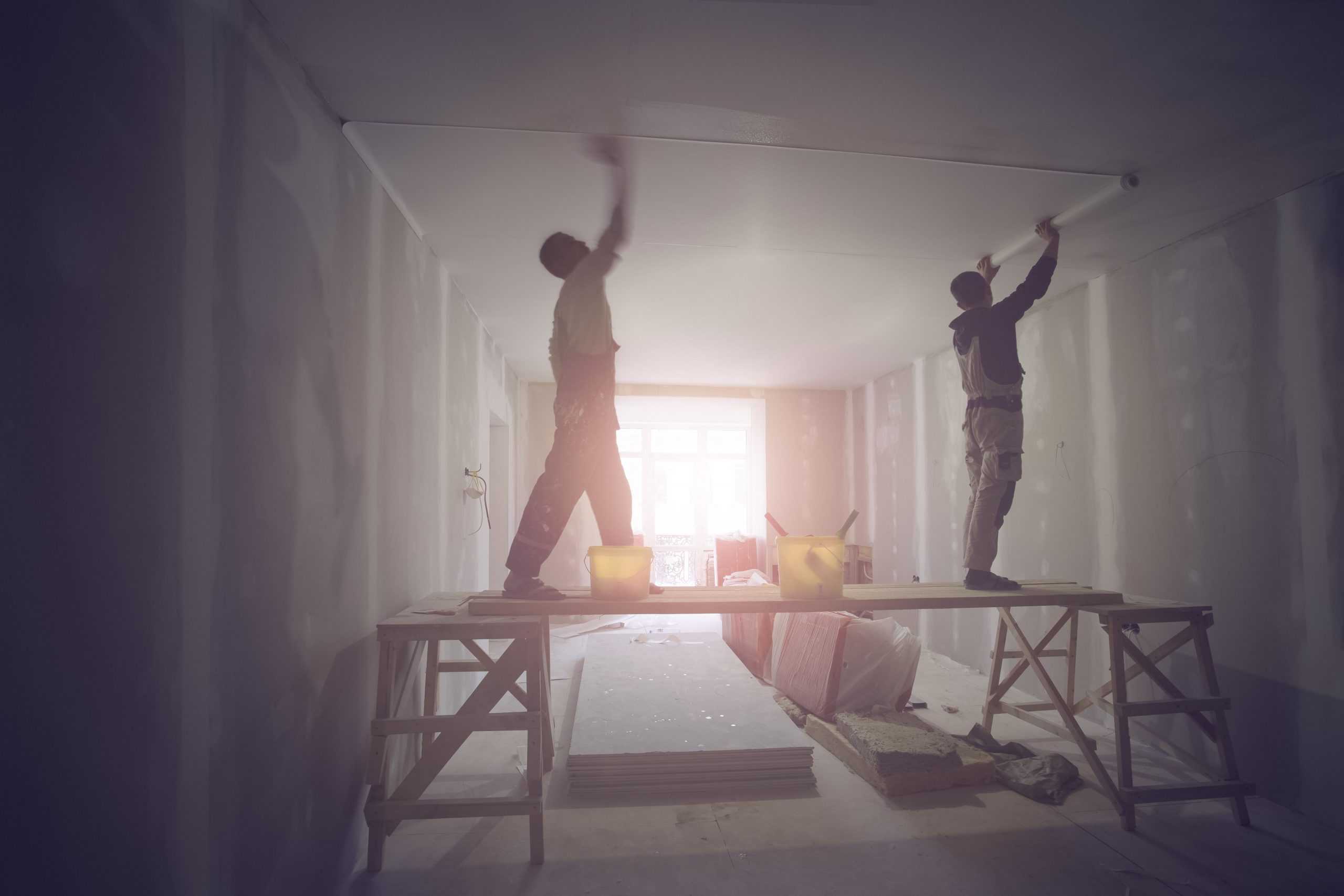
Most demolition problems in College Point don’t start with the demo itself. They start when a contractor shows up without testing for hazardous materials, pulls a permit that’s missing the NYC DEP asbestos clearance, and suddenly the job is stopped, the timeline is blown, and you’re fielding calls from two separate companies who are pointing fingers at each other.
When you hire a contractor who handles asbestos abatement, lead removal, and demolition under one roof, the project moves in a straight line. No waiting for one crew to finish before the next can start. No gaps in accountability. College Point’s housing stock where the median construction year is 1962 and nearly a quarter of homes predate the 1940s almost guarantees that hazardous materials are present. The question isn’t whether they’re there. It’s whether your contractor found them before the work started or after.
The flooding history here adds another layer. Years of water intrusion through basements, crawl spaces, and wall cavities leave behind mold, structural deterioration, and contaminated materials that require more than a standard teardown. A contractor who only does demolition isn’t equipped for what College Point properties actually look like on the inside. One who handles the full scope assessment, abatement, remediation, and demolition gives you a clear path from start to finish.
340+ Projects Across Queens. Zero Shortcuts on Licensing.
We’ve been operating across Queens and the New York metro area for over 12 years. Our work covers asbestos abatement, lead abatement, mold remediation, water and fire damage restoration, and full structural demolition all under one license, one contract, and one team. That’s not a convenience pitch. In a neighborhood like College Point, where the regulatory requirements span the NYC Department of Buildings, the NYC Department of Environmental Protection, and the NYS Department of Labor simultaneously, having one contractor who’s credentialed across all three frameworks is the only way a project moves without interruption.
College Point’s peninsula layout accessible only through College Point Boulevard, 20th Avenue, 14th Avenue, and Linden Place creates real logistical demands that contractors unfamiliar with northern Queens consistently underestimate. We’ve worked in this borough long enough to know how to stage equipment, schedule debris haul-out, and keep a project on track without turning your block into a bottleneck. With 340+ completed projects and a 4.7-star rating, the track record speaks for itself.
From the First Call to Final Site Clearance Here's the Sequence
It starts with a site assessment. Before any permit is pulled or any work is scheduled, our team walks the property and identifies what’s there asbestos-containing materials, lead paint, mold, water damage, structural conditions that affect how the demolition needs to be sequenced. In College Point, where pre-1980 construction is the norm and flooding has worked its way into a significant portion of the housing stock, this step regularly turns up conditions that would have caused major delays if they’d been discovered mid-project instead.
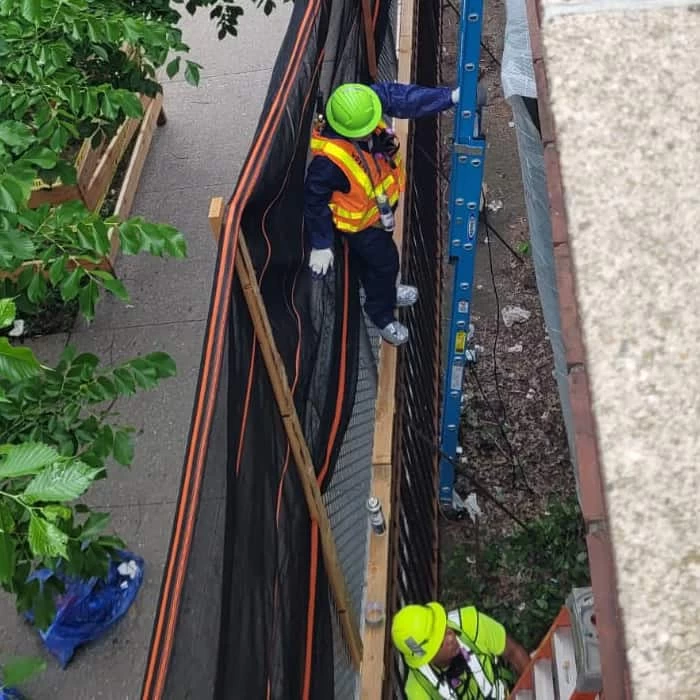
Once the assessment is complete, the hazardous material abatement is handled first. NYC Local Law 76 requires a full asbestos investigation before any renovation or demolition work begins in the five boroughs no exceptions. The NYC DEP asbestos clearance has to be in place before the NYC Department of Buildings will issue a demolition permit. We manage that entire sequence in-house, so you’re not chasing paperwork between two separate companies. After abatement is complete and permits are issued, the demolition proceeds interior selective work, partial structural removal, or full teardown, depending on the scope.
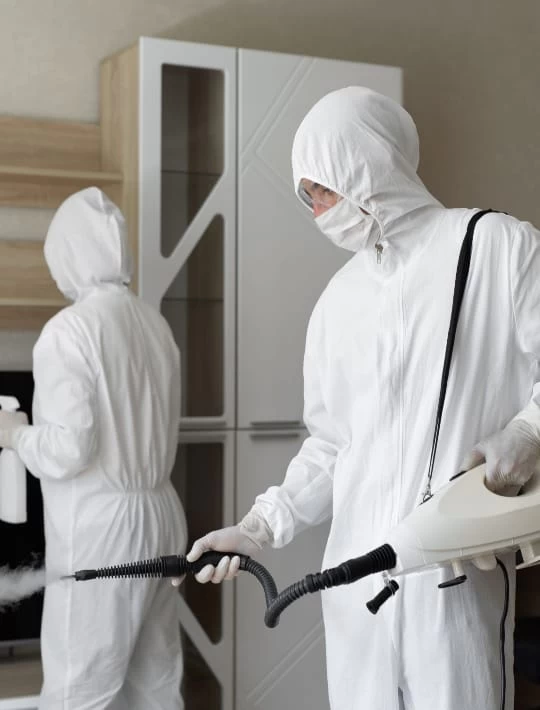
The final stage is site clearance and documentation. Air quality testing confirms that abatement was successful. Debris is removed and disposed of through licensed channels. The site is left clean, documented, and ready for whatever comes next whether that’s a renovation, a rebuild, or a sale. For properties with insurance claims tied to water or fire damage, we bill the carrier directly, which removes one more thing from your plate during an already complicated process.
Residential and Commercial Demolition in College Point
Every Scope Covered Including What's Behind the Walls
We handle the full range of demolition work that College Point properties actually require. For residential projects gut renovations, interior selective demolition, full teardowns our integrated approach means asbestos abatement and lead removal happen before the structural work begins, not as a surprise add-on when something is found mid-project. For commercial properties in the College Point Corporate Park or along the College Point Boulevard corridor, we’re equipped for larger-scale industrial and commercial demolition with the same regulatory compliance framework that NYC projects demand.
Our services include pre-demolition hazardous material testing, licensed asbestos abatement under NYS DOL Industrial Code Rule 56, NYC DEP-certified lead abatement, mold remediation, water damage restoration, fire damage restoration, and structural demolition from selective interior work to complete building removal. Every project includes permit filing through the NYC DOB NOW system, after-hours variance management when the schedule requires it, and air clearance testing upon completion. With the former Flushing Airport site slated for 3,000 new residential units just off 20th Avenue and Linden Place, and the neighborhood’s infrastructure overhaul complete, College Point is in an active building cycle and teardown and site-prep demand is only increasing.
If your project involves an insurance claim, we work directly with your carrier. You get one point of contact, one project timeline, and a contractor who already knows what’s in a 1960s-era Queens home before we open the first wall.
Do I need an asbestos test before demolition on my College Point home?
Yes and it’s not optional. NYC Local Law 76 requires a full asbestos investigation before any renovation or demolition work in all five boroughs, including College Point. This isn’t a recommendation. It’s a legal requirement, and the NYC Department of Buildings won’t issue a demolition permit until the NYC DEP asbestos clearance is satisfied.
In College Point specifically, this matters more than in most neighborhoods. The median home here was built in 1962, and nearly a quarter of the housing stock predates the 1940s. The NYC Department of Environmental Protection states that asbestos can be found in almost all buildings constructed before 1989 which covers virtually every home and commercial building in this neighborhood. Floor tiles, ceiling tiles, pipe insulation, joint compound, roofing materials these are all common sources. We handle the investigation and abatement as part of the demolition scope, so you’re not managing two separate processes or two separate timelines.
What permits are required for demolition work in College Point, NY?
All demolition in College Point falls under NYC Department of Buildings jurisdiction. Permits are filed through the DOB NOW system, and the specific permit type depends on the scope a full demolition permit for complete structural teardowns, or an Alt2 permit for interior demolition and gut renovations that don’t affect the building’s use classification or egress.
Before the DOB issues any demolition permit, you need to demonstrate that asbestos abatement requirements have been satisfied through the NYC DEP. That’s a pre-condition, not an afterthought. If any work needs to happen before 7 AM, after 6 PM, or on weekends, an after-hours variance is required separately. The demolition permit itself must be posted at the site 24 hours before work begins and must remain visible throughout the project. We handle the permit process in-house including the asbestos clearance step which keeps the timeline from stalling between regulatory steps.
My College Point basement flooded repeatedly does that affect the demolition scope?
Almost always, yes. Repeated water intrusion doesn’t just damage surfaces it works into wall cavities, floor assemblies, and structural framing over time, creating conditions that go well beyond what a standard demolition scope anticipates. In College Point, where residents lived in fear of the rain during storm season and even minor storms flooded homes and storefronts for years, this is a common scenario rather than an edge case.
The issue is that flood-damaged materials saturated drywall, deteriorated insulation, compromised wood framing often harbor mold growth that requires licensed remediation before and during demolition. If the flooding involved sewage backup, which was a documented problem in College Point’s combined sewer system prior to the $139 million infrastructure overhaul completed in 2024, the contamination profile is more serious and requires specific handling protocols. We handle mold remediation and demolition together, addressing both problems in one coordinated project rather than requiring you to sequence two separate scopes with two separate companies.
How long does a typical interior demolition project take in Queens, NY?
For a standard interior gut renovation in a single-family or two-family home, the physical demolition work itself typically takes one to three days once the site is prepped and permits are in place. The overall project timeline from initial assessment through permit issuance, asbestos abatement, demolition, and final air clearance is usually two to four weeks, depending on the scope and the results of the hazardous material assessment.
The variable that most often extends timelines in Queens is the regulatory sequence. The NYC DEP asbestos clearance has to precede the DOB permit, and the DOB permit has to be issued before structural work begins. If asbestos abatement is required which it is for the vast majority of pre-1989 buildings in College Point that adds time to the front end of the project. Getting the assessment done early is the single most effective way to keep the overall timeline on track.
Does Green Island Group handle demolition that's part of an insurance claim?
Yes. When demolition is part of a water damage, flood damage, fire damage, or mold remediation claim, we work directly with your insurance carrier. You don’t have to manage the back-and-forth between your insurer and the contractor the billing goes directly to the carrier, and the documentation the insurer needs is handled on our end.
This is particularly relevant in College Point, where a meaningful portion of demolition work is tied to water and flood damage rather than planned renovation. Storm surge from Flushing Bay, tidal backup, and the years of drainage problems that preceded the city’s 2024 infrastructure investment left a lot of properties with accumulated damage. If your project involves an active insurance claim or if you’re not sure whether your damage qualifies the assessment process will document conditions in a way that supports the claim. Having a contractor who understands the insurance process, not just the construction process, removes a significant amount of administrative burden from an already stressful situation.
Can a demolition contractor work in College Point without NYC DOB authorization?
No and this is worth understanding clearly before you hire anyone. Demolition work in College Point, as in all five boroughs, requires the contractor to be authorized through the NYC Department of Buildings. A contractor who holds only a New York State license or a Long Island contractor registration is not automatically authorized to pull permits and perform demolition work within New York City limits. These are separate credential layers, and the distinction matters.
If an unlicensed or improperly credentialed contractor performs demolition on your property and the DOB issues a stop-work order, the liability doesn’t stay with the contractor it follows the property. That means fines, delays, and potential complications when you go to sell or refinance. In College Point, where virtually every project also involves the NYC DEP asbestos certification layer and the NYS DOL Industrial Code Rule 56 framework, you need a contractor who is compliant across all three regulatory bodies simultaneously. Asking to see license numbers before signing anything is not an unreasonable request it’s the right one.