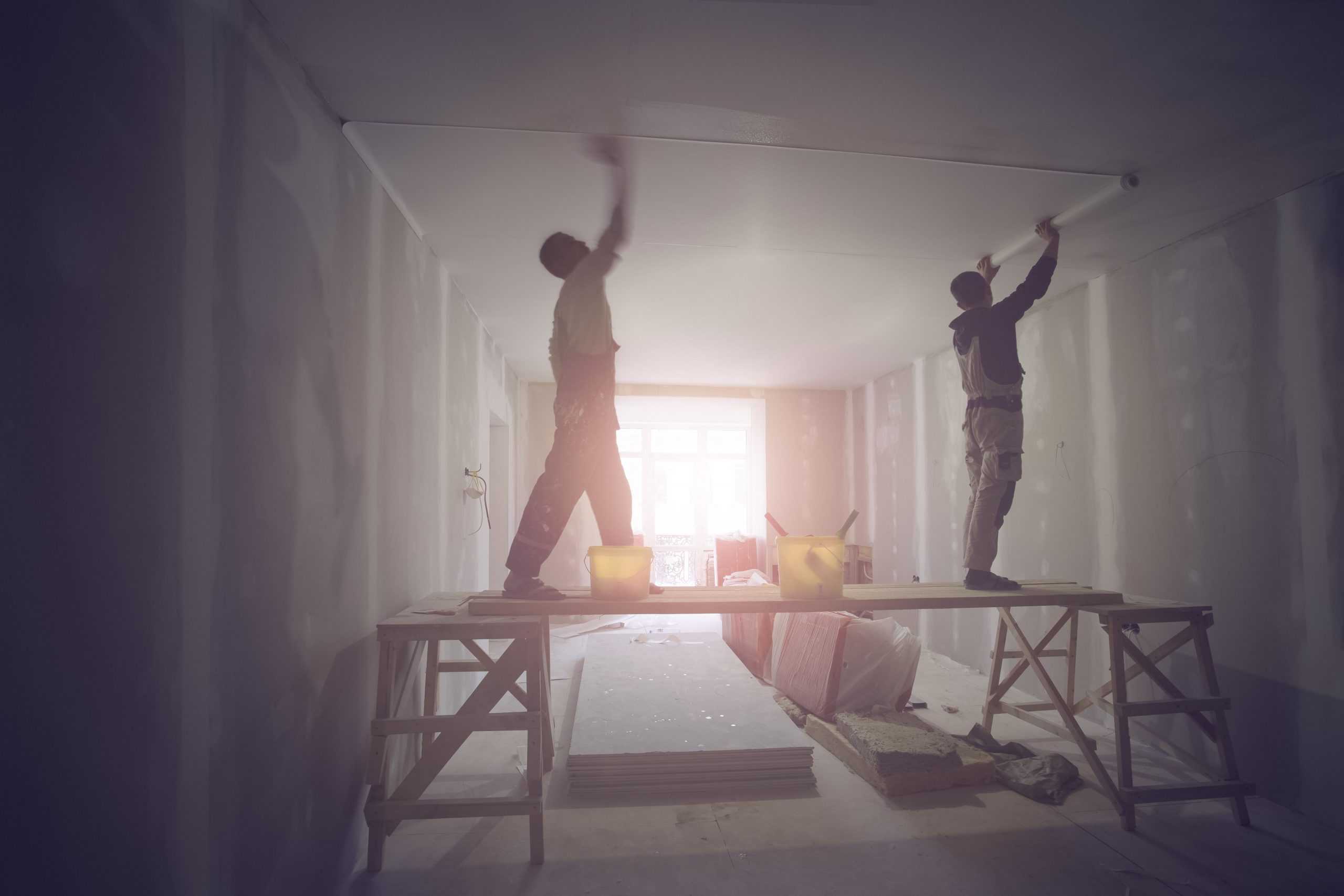
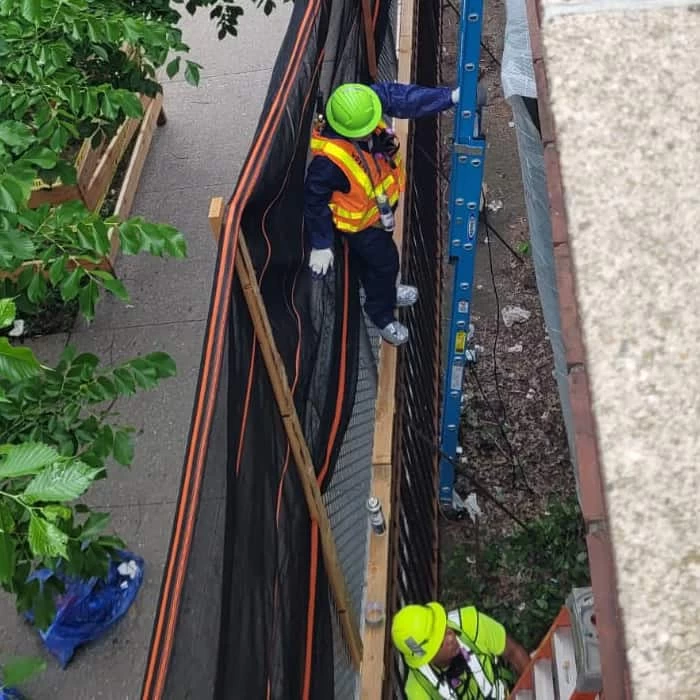
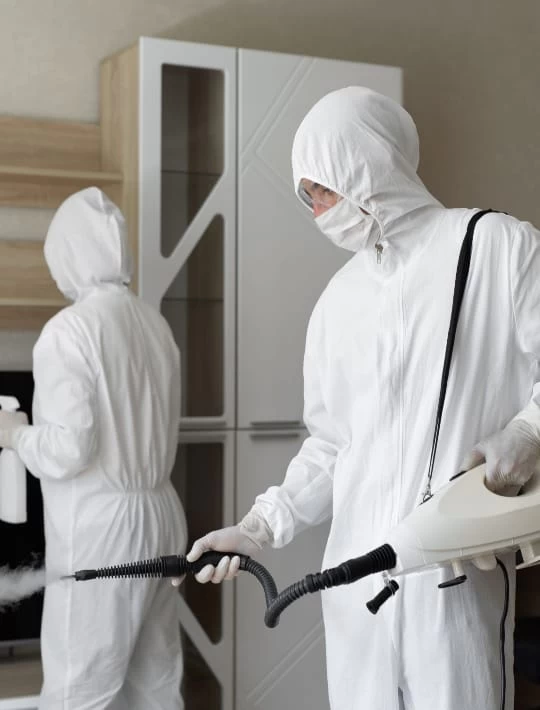
East Elmhurst homeowners know what it means to gut a basement some have done it more than once. We’re a licensed demolition contractor serving East Elmhurst, NY, handling everything from emergency flood demolition to full structural teardowns, with asbestos abatement built in from the start.
I needed a professional consultation explanation of procedure for safe removal of Asbestos in my apartment complex. Without having an account yet, I was very impressed with the caring, knowledgeable and generous advice offered by Jessica, and will look forward to doing business in the future. Thank you so much! I feel much more informed about a sometimes scary endeavor. Peace. Nancy Silva Mineola, NY.
Mia Munoz
Used this company to clean up some water flood in my house. They were fast and easy to work with.very professional, Would recommend to anyone!
Nini Valle
Great company, had a flood and they responded quickly and efficiently. Billed my insurance company directly. I highly recommend this company!
joe colapietro, jr
I had pipe freeze in my basement right before a snow storm and they made to within an hour to help start the clean up process. They we by our side throughout the entire process and even helped with the insurance company. They did such a great job with the cleanup, repair, remidiation, I contracted them to perform the repairs and finishes in the basement. They came with enough manpower and material to get the job done. Leo and Jessica were nothing but a pleasure to deal with!!
Cristian Arredondo c
I had some water damage in my home and Green Island was able to take care of my issue quickly and effectively. I am very pleased with the work they did. They responded quickly and were very professional.
Michael M
Outstanding service! From the office to the field crew everyone was friendly, helpful and responsive. I highly recommend Green Island Group.
No Surprises Mid-Project. No Second Contractor to Call.
East Elmhurst sits on what was once tidal marshland Trains Meadow and that geography hasn’t changed. The neighborhood floods. Sewage backs up. Basements take on 30 inches of water in a single storm event. When that happens, you don’t need a contractor who handles one piece of the problem. You need someone who can remove the damaged walls, clean the sewage, test for mold, and keep the project moving without stopping to hand it off to someone else.
That’s the real value here. Because most demolition contractors in Queens will start the job, hit asbestos in a 1940s floor tile or pipe wrap which is almost guaranteed in East Elmhurst’s housing stock and stop work until you find a separate abatement crew. Your project stalls. Your timeline doubles. Your budget expands. We handle abatement and demolition under the same license, the same contract, and the same project plan, so that scenario doesn’t happen to you.
When the job is done, you’re not left managing three different companies and a stack of insurance paperwork. You get a clean, documented, permit-closed project and the ability to move forward.
340+ Projects in East Elmhurst and Queens. Every License That NYC Requires.
We’ve been operating in the New York metro area for over 12 years, with deep roots in East Elmhurst and the surrounding Queens neighborhoods. That means 12 years of NYC Department of Buildings permits, 12 years of NYS Department of Labor asbestos licensing, and 12 years of navigating the specific challenges that come with dense, older Queens neighborhoods tight streets, occupied adjacent homes, noise-sensitive neighbors, and pre-1960 construction that almost always carries hazardous materials.
We hold credentials from all three regulatory bodies that matter here: NYS DOL, NYC DOB, and USEPA NESHAP compliance. That’s not a marketing line it’s the difference between a project that closes cleanly and one that generates stop-work orders or liability for you as the property owner.
East Elmhurst’s homes along Astoria Boulevard and the 25th Avenue residential blocks were built in an era of asbestos floor tiles, lead paint, and pipe insulation that’s still sitting inside those walls. We’ve seen it hundreds of times. We know what to look for, how to handle it, and how to keep your project on track when it shows up.
From First Call to Final Inspection Here's What Happens
The first step before any wall comes down is a hazardous material assessment. Under NYC Local Law 76, this isn’t optional any renovation or demolition in New York City requires a pre-demolition asbestos investigation. In East Elmhurst, where homes were primarily built in the 1940s or earlier, this step almost always turns something up. The assessment identifies what’s present, where it is, and what the abatement plan needs to look like before structural work begins.
Once the assessment is complete, the permitting process starts. A NYC DOB demolition permit is required for any full or partial structural demolition, and if asbestos abatement is involved, the NYC Department of Environmental Protection requires at least seven days advance notice before work begins. Full demolition permits typically take four to eight weeks to issue. We manage all of this you don’t file forms, you don’t call the DOB, and you don’t track down inspectors.
When permits are in hand and abatement is cleared, demolition proceeds. For emergency flood-related projects the kind East Elmhurst residents have been dealing with repeatedly since Hurricane Ida we offer 24/7 availability and a coordinated response that covers sewage cleanup, wall removal, and mold assessment in a single mobilization. After structural work is complete, debris is removed, the site is documented, and the permit is closed out properly.
Residential and Commercial Demolition Contractors Queens
What's Actually Included When You Hire Us
Every demolition project we take on in East Elmhurst starts with the pre-demolition hazardous material survey not as an add-on, but as the first line item. Given that virtually every home in ZIP code 11369 was built before 1960, asbestos and lead paint are the baseline assumption, not the exception. The survey determines what’s present, and we handle abatement in-house before structural demolition begins. There’s no gap in the timeline and no separate contractor to schedule.
For residential demolition whether that’s a full teardown of a mid-century brick home, a basement gut-out after flooding, or selective interior demolition ahead of a major renovation the scope includes permitting, hazmat abatement, structural removal, debris hauling, and site documentation. For commercial projects along the Northern Boulevard corridor or near the Bulova Corporate Center, the same integrated process applies, scaled to the project size and timeline.
For homeowners dealing with flood damage specifically, we also handle sewage cleanup, water damage assessment, and mold remediation as part of the same engagement. And for those working through an insurance claim which covers a significant portion of East Elmhurst calls given the neighborhood’s flooding history we bill insurance carriers directly, so you’re not fronting costs and waiting on reimbursement while your home sits unlivable.
Does my East Elmhurst home need an asbestos test before demolition starts?
Yes and this isn’t optional. NYC Local Law 76 requires an asbestos investigation before any renovation or demolition project in New York City, with no exceptions. In East Elmhurst specifically, the risk is very real. Homes in ZIP code 11369 were primarily built in the 1940s or earlier, which means asbestos-containing materials floor tiles, pipe insulation, ceiling tiles, joint compound are commonly present. The 9×9 inch floor tiles that were standard in 1940s and 1950s construction are one of the most frequent finds in this neighborhood.
The investigation needs to happen before any structural work begins. If asbestos is found, abatement must be completed and the NYC Department of Environmental Protection must be notified at least seven days in advance. Working without this step exposes you as the property owner to regulatory violations, not just the contractor. We handle the survey, the abatement, and the DEP notification as part of the standard project process so you’re covered from the start.
How long does it take to get a demolition permit in Queens, NY?
For a full demolition project, NYC Department of Buildings permits typically take four to eight weeks to issue. Interior demolition or minor structural work may qualify for an Alt2 permit, which can move faster depending on the scope. The permit application is filed through DOB NOW, the city’s electronic filing system, and requires a safety plan, a dust control plan, and neighbor notification as part of the submission.
If asbestos abatement is part of the project which it almost always is in East Elmhurst’s older housing stock there’s an additional seven-day advance notice requirement to the NYC DEP before abatement work begins. That timeline runs parallel to the permitting process, not after it, so a well-organized contractor can keep things moving without unnecessary delays. We manage the entire permitting process on your behalf. You don’t interact with the DOB directly we handle filings, follow-ups, and inspections from start to finish.
My East Elmhurst basement flooded again what kind of demolition do I actually need?
What most East Elmhurst homeowners need after a flooding event is what’s typically called a basement gut-out removal of water-damaged walls, flooring, insulation, and any structural materials that have been compromised by water or sewage intrusion. This is not just about aesthetics. Mold begins growing within 24 to 48 hours of water intrusion, and sewage-contaminated materials can’t simply be dried out and kept. They need to come out.
The scope depends on how deep the damage goes. In some cases it’s drywall and flooring. In others particularly after the kind of 30-inch sewage backup events that East Elmhurst residents have described it’s walls, framing, concrete floor sections, and utility infrastructure. A proper assessment before demolition starts tells you exactly what needs to go and what can stay. We handle sewage cleanup, demolition, and mold remediation as a coordinated response, which matters when you’re trying to move quickly and get your home back to a livable condition.
Can a demolition contractor work on a home damaged by LaGuardia Airport construction?
Yes. CBS New York documented that construction activity at LaGuardia Airport physically located at Ditmars Boulevard within East Elmhurst caused structural damage to nearby homes, including cracked foundations and vibration-related shifts. The Port Authority sent engineers and monitoring equipment to affected properties, but documentation of damage is only the first step. If your home sustained structural damage as a result of that construction activity, sections of the affected structure may need to be removed and rebuilt.
Our demolition team can assess what needs to come out, handle the removal safely including any hazardous materials disturbed in the process and prepare the structure for repair. Working in dense residential blocks immediately adjacent to an active, 24/7 airport environment requires specific planning around noise, access, and neighbor impact. We have the experience to manage those logistics without turning your block into a construction crisis.
What's the difference between selective demolition and full demolition for a Queens home?
Selective demolition means removing specific parts of a structure while leaving the rest intact a wall between rooms, a damaged section of flooring, a kitchen or bathroom gut, or a compromised basement wall. Full demolition means taking the entire structure down to the foundation. Both require NYC DOB permits, and both require a pre-demolition asbestos investigation under NYC Local Law 76.
In East Elmhurst, selective demolition is the more common request, particularly for homeowners doing major renovations of mid-century brick homes or addressing flood damage in a specific area of the structure. Full teardowns do happen typically when a home has reached the end of its useful life and the owner is planning a rebuild but they’re less frequent in this neighborhood given the strong homeownership tradition and the historical significance many of these properties carry. The permit process and scope of work are different for each, and a proper assessment upfront determines which approach fits your project and your budget.
Does homeowners insurance cover demolition costs after flood damage in East Elmhurst?
It depends on the type of policy and the cause of the damage. Standard homeowners insurance typically covers sudden and accidental water damage a burst pipe, for example but flood damage from storm surge or sewer backup often requires a separate flood insurance policy or a sewer backup rider. Given East Elmhurst’s documented flooding history, including three major events in 2023 alone and the widespread damage from Hurricane Ida in 2021, many homeowners in this neighborhood have had to navigate exactly this question with their insurance carriers.
When demolition is covered, the claim typically includes the cost of removing damaged materials, debris disposal, and in some cases mold remediation. What matters for your claim is thorough documentation photos, moisture readings, written assessments before and during demolition. We bill insurance carriers directly and provide the documentation your adjuster needs. You don’t have to act as the go-between while your home sits in a damaged state waiting for paperwork to clear.