Glen Oaks Homes Were Built to Last Tearing Them Down Takes Real Expertise
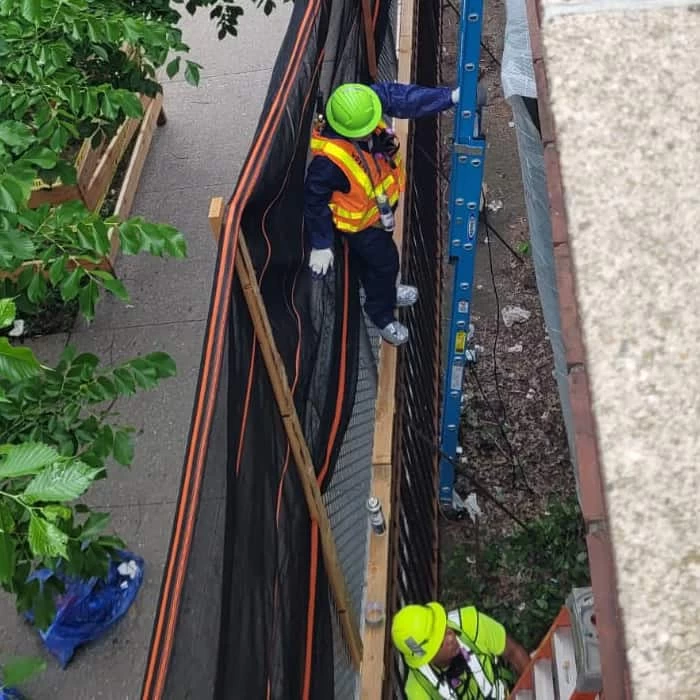
Most homes in Glen Oaks were built in the late 1940s and 1950s. That era of construction almost always comes with asbestos, lead paint, and materials that require licensed handling before a single wall comes down. We handle all of it permits, abatement, demolition, and cleanup so you’re not juggling three different companies to get one job done.
I needed a professional consultation explanation of procedure for safe removal of Asbestos in my apartment complex. Without having an account yet, I was very impressed with the caring, knowledgeable and generous advice offered by Jessica, and will look forward to doing business in the future. Thank you so much! I feel much more informed about a sometimes scary endeavor. Peace. Nancy Silva Mineola, NY.
Mia Munoz
Used this company to clean up some water flood in my house. They were fast and easy to work with.very professional, Would recommend to anyone!
Nini Valle
Great company, had a flood and they responded quickly and efficiently. Billed my insurance company directly. I highly recommend this company!
joe colapietro, jr
I had pipe freeze in my basement right before a snow storm and they made to within an hour to help start the clean up process. They we by our side throughout the entire process and even helped with the insurance company. They did such a great job with the cleanup, repair, remidiation, I contracted them to perform the repairs and finishes in the basement. They came with enough manpower and material to get the job done. Leo and Jessica were nothing but a pleasure to deal with!!
Cristian Arredondo c
I had some water damage in my home and Green Island was able to take care of my issue quickly and effectively. I am very pleased with the work they did. They responded quickly and were very professional.
Michael M
Outstanding service! From the office to the field crew everyone was friendly, helpful and responsive. I highly recommend Green Island Group.
When your demolition contractor is also licensed for asbestos and lead abatement, the project moves in a straight line. No waiting on a separate abatement crew. No stop-work orders because someone missed a step. No surprise costs halfway through because hazardous materials showed up unexpectedly. You get a clear scope, a real timeline, and a site that’s ready for whatever comes next.
That matters a lot in Glen Oaks specifically. The neighborhood’s housing stock much of it built between 1940 and 1969, including the original Glen Oaks Village garden apartments from 1947 almost universally contains materials that require proper testing and removal before demolition begins. NYC Local Law 76 isn’t optional here. It applies to every renovation and demolition project in the five boroughs, and that includes every block in Glen Oaks.
Whether you’re converting a basement unit, adding a dormer, gutting a kitchen in a co-op, or dealing with storm or water damage in a post-war home, the outcome you’re after is simple: a clean, safe, compliant site with no loose ends. That’s what this process is built to deliver.
We’ve been serving Glen Oaks and the broader Queens and Long Island area for over 12 years. Based out of Bohemia on Long Island, our team works regularly throughout Glen Oaks and the surrounding corridor along the Nassau County border. We hold active licensing from the NYC Department of Buildings, the NYS Department of Labor under Industrial Code Rule 56, and operate in compliance with USEPA NESHAP standards. Those aren’t just credentials on a wall. They’re what keep your project legal, your timeline intact, and your liability exposure at zero.
What makes the difference here isn’t just the licenses it’s the fact that demolition, asbestos abatement, lead abatement, mold remediation, and debris removal all live under one roof. For a homeowner in Glen Oaks dealing with a flooded basement or a co-op shareholder at Glen Oaks Village navigating a board-approved alteration, that means one call, one crew, one point of contact from start to finish.
It starts with a site assessment. Before anything is touched, we evaluate the scope of the project and identify any hazardous materials present asbestos, lead paint, mold using licensed inspectors. In Glen Oaks, where virtually every property predates 1978, this step almost always finds something. That’s not a problem it’s just the reality of the neighborhood’s building stock, and it’s why testing first saves you from mid-project chaos later.
Once the assessment is complete, we file for all required NYC DOB permits and handle the NYC Local Law 76 asbestos investigation documentation. If abatement is needed and in most Glen Oaks projects, it is that work is completed by our same licensed crew before demolition begins. No handoffs, no scheduling gaps between subcontractors.
Then the demolition proceeds: selective interior demo, structural removal, or full teardown depending on the scope. Throughout the job, we manage the site to protect adjacent spaces which matters especially in garden apartment buildings or co-op complexes where neighboring units are occupied. When the work is done, debris is removed, recyclable materials are sorted, and the site is left clean and ready for your next contractor or renovation team.
Demolition and Abatement Services in Glen Oaks, NY
Built for Post-War Homes, Co-Ops, and Everything In Between
The demolition services we offer cover the full range of what Glen Oaks property owners actually need. Interior selective demolition for gut renovations and remodels. Structural demolition for additions, dormer builds, and basement conversions including the board-approved alteration categories that Glen Oaks Village co-op shareholders work within. Full property teardowns when a structure has reached the end of its useful life. And emergency demolition for storm, fire, and water-damaged properties, with direct insurance billing so the claims process doesn’t fall on your plate.
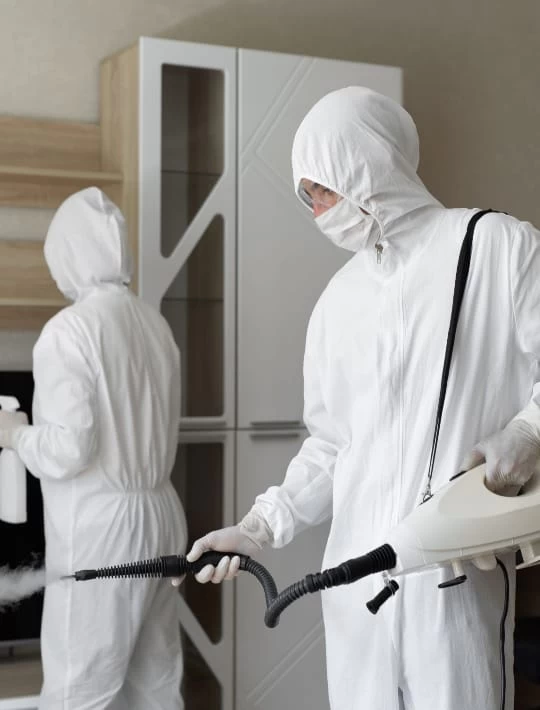
Every project in Glen Oaks that involves demolition also involves hazardous material considerations. The pre-1978 construction throughout the neighborhood means asbestos and lead paint testing aren’t optional add-ons they’re the first step. Our licensing covers all of it: asbestos abatement, lead abatement, mold remediation, and independent air quality clearance testing after abatement is complete, as required by New York State law.
For residents near the Queens–Nassau County line, it’s worth knowing that properties on the Queens side fall under full NYC DOB jurisdiction not Nassau County rules. We’re licensed and permitted for both, which means whether you’re on the Glen Oaks side of the border or just across it in Floral Park, the same compliant, fully licensed crew handles your project without a gap in coverage.
Does every demolition project in Glen Oaks require an asbestos inspection first?
Under NYC Local Law 76, yes an asbestos investigation is required before any renovation or demolition project in New York City, and Glen Oaks falls under full NYC jurisdiction. There are no exceptions based on project size or scope. This applies to single-family homes, co-op units, and commercial properties alike.
In practical terms, this matters a lot in Glen Oaks because the neighborhood’s housing stock is concentrated in the 1940–1969 construction window. That era of building used asbestos-containing materials extensively in floor tiles, ceiling tiles, pipe insulation, joint compound, roofing materials, and HVAC components. A licensed inspector surveys the property, samples are sent to an accredited lab, and if asbestos-containing materials are identified, a NYS DOL-certified abatement contractor must remove them before demolition begins. We handle both the abatement and the demolition, so you don’t need to coordinate two separate licensed contractors to get the job done.
Do I need a NYC DOB permit for interior demolition in a Glen Oaks co-op?
Yes. Structural demolition including interior wall removal, load-bearing modifications, and alterations that affect building systems requires a NYC Department of Buildings permit regardless of whether the property is a single-family home or a co-op unit. Glen Oaks is inside New York City limits, so Nassau County building department rules don’t apply here.
For co-op shareholders at Glen Oaks Village specifically, there’s an additional layer: the co-op board requires its own approval and documentation package before structural work can begin. That means you’re navigating both the NYC DOB permit process and the co-op board alteration approval simultaneously. We’re familiar with both. We can provide the insurance certificates, scope documentation, and compliance paperwork that co-op boards typically require, which reduces the back-and-forth and keeps your project on schedule.
How much does demolition cost for a post-war home in Glen Oaks, NY?
Demolition costs in Glen Oaks vary based on scope, but the most important pricing variable in this neighborhood is hazardous material abatement. Because virtually every property here predates the federal asbestos regulatory threshold, asbestos removal is a near-certain line item. In New York State, licensed asbestos abatement runs roughly $20–$65 per square foot depending on the material type and quantity. Post-abatement air monitoring required by NYS law before reoccupancy adds another $600–$1,200 per day.
Interior selective demolition for a gut renovation typically runs in the range of a few thousand dollars for a standard-sized unit, scaling up with project complexity. Full structural or whole-property teardowns carry higher costs and involve additional permitting fees. The most reliable way to get an accurate number is to start with a site assessment, because the hazardous material findings directly shape the total project cost. What you want to avoid is a contractor who gives you a low headline number without accounting for abatement that’s where mid-project cost surprises come from.
What happens if water or storm damage requires emergency demolition in Glen Oaks?
Post-war construction in Glen Oaks aging drainage systems, original foundation walls, roofing that’s decades old is genuinely susceptible to water intrusion, pipe bursts, and storm damage. When that happens, the demolition clock starts immediately. Mold begins developing within 24–48 hours of water exposure, and the longer damaged materials stay in place, the more the scope and the cost expands.
We’re available 24 hours a day, seven days a week for emergency situations. Our team can respond, assess, and begin removal of water-damaged materials before secondary damage compounds. For insurance-covered events, we bill insurance carriers directly, handling the documentation, photography, and assessment reporting so that process doesn’t become your problem on top of everything else. If you’re a co-op shareholder, we can also coordinate directly with your building management to meet notification and access requirements before work begins.
Can a demolition contractor in Glen Oaks also handle mold found during the job?
Yes, and in Glen Oaks this comes up more often than most homeowners expect. Post-war garden apartments and single-family homes with older building envelopes frequently have moisture intrusion history sometimes visible, sometimes hidden behind walls or under flooring. When demolition exposes mold, work has to stop until it’s properly remediated by a licensed contractor. If your demolition company can’t handle mold, that means calling a second company, waiting for scheduling availability, and losing days or weeks of project time.
We offer mold remediation in addition to demolition and abatement. When mold is found during a project whether it was anticipated or not our crew handles the remediation before demolition continues. That keeps the project timeline intact and eliminates the coordination gap that causes most mid-project delays in older Queens housing stock.
Does Green Island Group handle demolition projects on both sides of the Queens–Nassau border?
Yes. We hold active licensing for both NYC DOB-permitted work on the Queens side and NYS DOL-regulated work on the Nassau County side. That matters for Glen Oaks residents because the neighborhood sits right at the borough boundary, and many homeowners in this corridor including parts of Floral Park and Bellerose use Glen Oaks mailing addresses while technically being subject to different jurisdictional rules.
Properties inside the NYC boundary in Glen Oaks require NYC DOB permits, NYC DEP asbestos certification, and compliance with NYC Local Law 76. Properties just across the line in Nassau County fall under NYS DOL rules without the NYC-specific overlay. We’re fully licensed on both sides of that line, which means the same team can handle your project without a jurisdictional gap and without you having to figure out which set of rules applies to your specific address before you even get started.