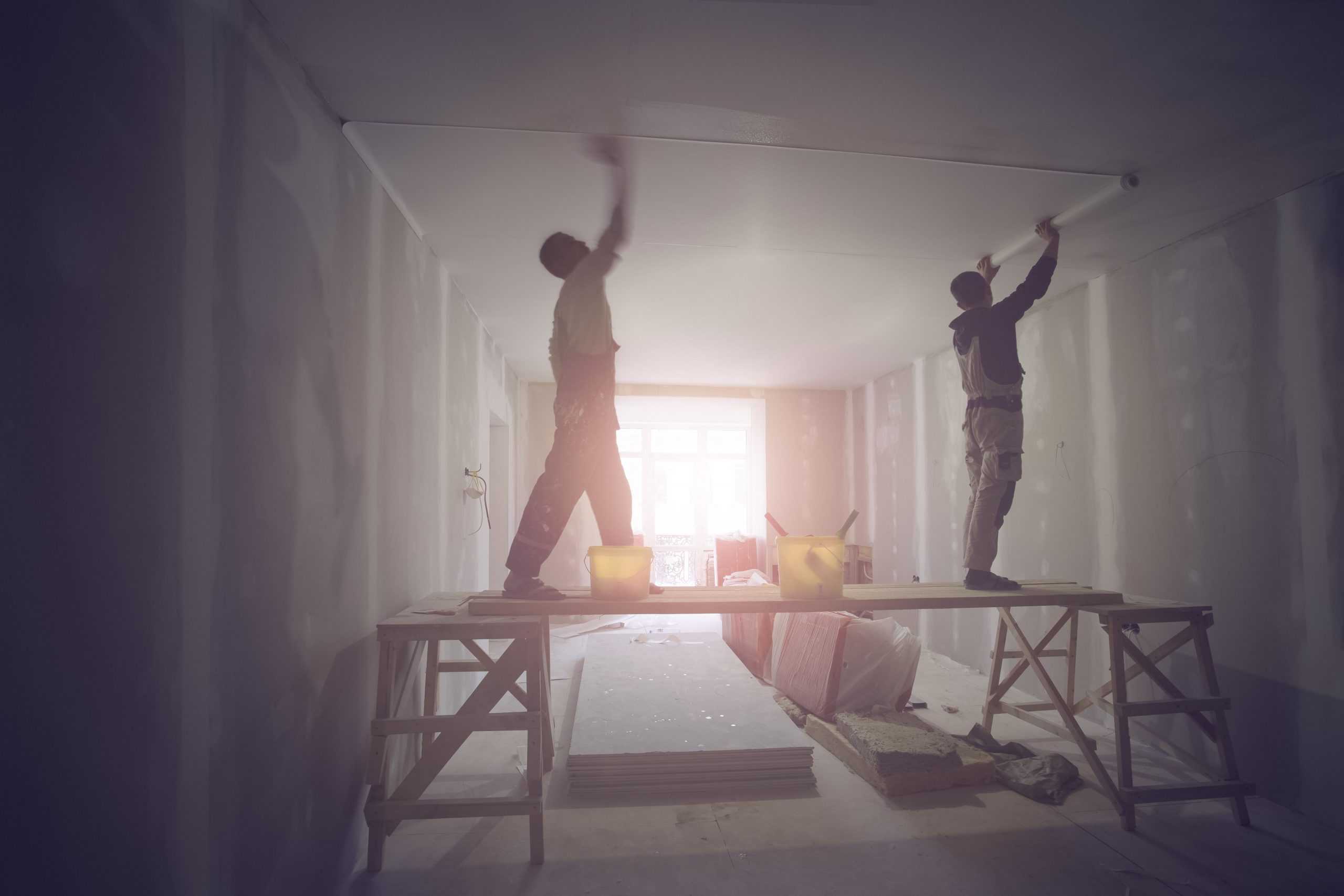
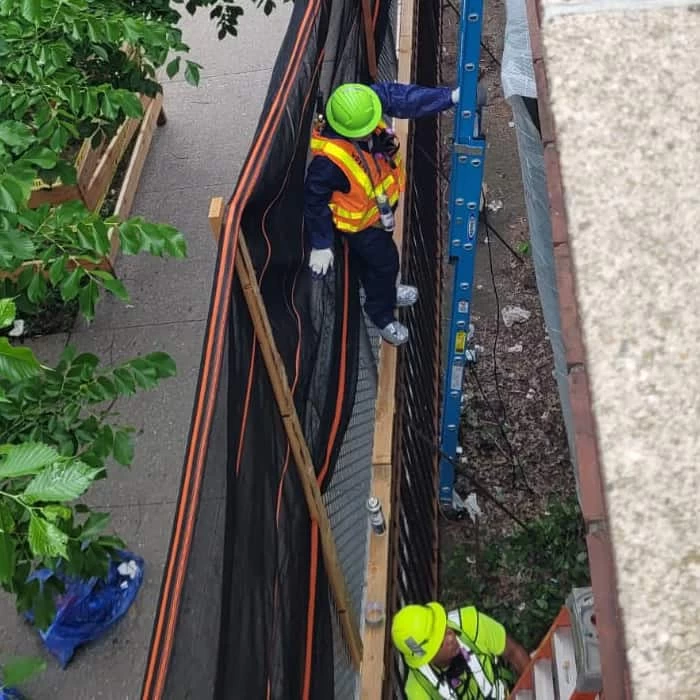
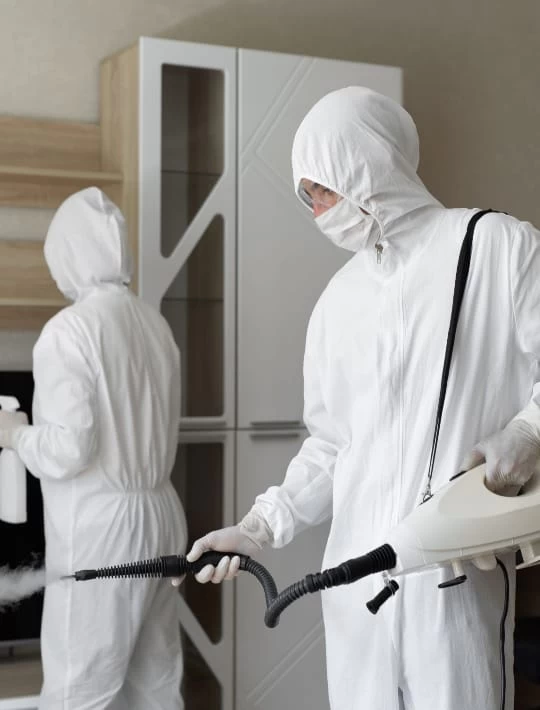
Howard Beach doesn’t flood like other neighborhoods and demo work here doesn’t go the same way either. We handle the whole job, from permits to hazmat to final cleanup.
I needed a professional consultation explanation of procedure for safe removal of Asbestos in my apartment complex. Without having an account yet, I was very impressed with the caring, knowledgeable and generous advice offered by Jessica, and will look forward to doing business in the future. Thank you so much! I feel much more informed about a sometimes scary endeavor. Peace. Nancy Silva Mineola, NY.
Mia Munoz
Used this company to clean up some water flood in my house. They were fast and easy to work with.very professional, Would recommend to anyone!
Nini Valle
Great company, had a flood and they responded quickly and efficiently. Billed my insurance company directly. I highly recommend this company!
joe colapietro, jr
I had pipe freeze in my basement right before a snow storm and they made to within an hour to help start the clean up process. They we by our side throughout the entire process and even helped with the insurance company. They did such a great job with the cleanup, repair, remidiation, I contracted them to perform the repairs and finishes in the basement. They came with enough manpower and material to get the job done. Leo and Jessica were nothing but a pleasure to deal with!!
Cristian Arredondo c
I had some water damage in my home and Green Island was able to take care of my issue quickly and effectively. I am very pleased with the work they did. They responded quickly and were very professional.
Michael M
Outstanding service! From the office to the field crew everyone was friendly, helpful and responsive. I highly recommend Green Island Group.
What Changes When One Contractor Handles Everything
Most Howard Beach homeowners don’t start a demolition project because things are going well. They start it because something went wrong a flood pushed through from Jamaica Bay, a gut renovation uncovered something unexpected behind the walls, or a structure that’s been standing since the 1950s finally needs to come down for good. Whatever brought you here, the last thing you need is a contractor who can only handle part of the problem.
When a demolition-only crew opens up a wall in a home built in 1962 and finds asbestos in the floor tiles or pipe insulation, they stop. They pack up. You’re left coordinating a second contractor, waiting on scheduling, and watching your timeline fall apart. In Howard Beach, where the housing stock is almost entirely pre-1980, that scenario isn’t rare it’s the norm. Having one licensed team that can handle the abatement and keep the project moving isn’t a luxury. It’s what actually gets the job done.
Howard Beach also sits at roughly three feet above sea level on reclaimed marshland. That matters because salt water from Jamaica Bay behaves differently than freshwater damage it penetrates deeper, corrodes faster, and creates mold conditions that don’t always show up until demolition begins. When your contractor already handles mold remediation and water damage alongside structural demo, nothing stops the project mid-swing.
We’ve been operating across the New York metro area for over 12 years, with more than 340 completed demolition projects across Long Island and all five boroughs including Queens. We’re not a general contractor who added demo to a service list. This is what we do, and we’re licensed to do it properly: NYS Department of Labor, NYC Department of Buildings, and USEPA compliance all three, fully verifiable.
Howard Beach is a neighborhood we know well. We’ve responded to flooding events here. We understand the difference between what Old Howard Beach deals with after a coastal storm versus what a Lindenwood co-op owner faces during a gut renovation. We know the 106th Precinct area, we know the flood zone classifications that affect properties near Hawtree Creek and Shellbank Basin, and we know the regulatory steps required before a single permit gets pulled from the NYC DOB. That’s not something you can fake and Howard Beach residents can tell the difference.
It starts with a site assessment. Before anything comes down, we need to understand what we’re working with the structure, the age of the building, the scope of the project, and whether any hazardous materials are present. In Howard Beach, where virtually every home was built before 1980, that last part isn’t optional. NYC Local Law 76 requires a mandatory asbestos investigation before any renovation or demolition permit is issued for a pre-1987 building. We handle that investigation as part of the process, not as an add-on that delays your start date.
Once the assessment is complete, we file for the necessary NYC DOB permits and handle the DEP asbestos certification if abatement is required. If your property falls within a FEMA Special Flood Hazard Area which covers significant portions of Old Howard Beach, Hamilton Beach, and Ramblersville there’s additional documentation required around pre-demolition market value and flood zone compliance. We manage that too, so you’re not learning a new regulatory framework while trying to get your home back.
When permits are cleared and abatement is done, demolition begins. We work with containment systems and dust control to protect neighboring properties because on the tight lots throughout Howard Beach, your neighbor’s house is often less than 20 feet away. After the structure is down, we handle debris removal and site clearing. If your project involves an insurance claim, we bill the carrier directly. From the first call to the final cleanup, you have one point of contact.
Residential and Commercial Demolition in Howard Beach
Built for the Work Howard Beach Actually Throws at You
The demolition work in this neighborhood breaks down into a few common scenarios, and each one comes with its own set of requirements. Full residential teardowns whether you’re rebuilding after flood damage or starting fresh require structural demolition, full permit management, pre-demo hazmat clearance, and site preparation. Interior gut demolitions for kitchen, bathroom, or basement renovations require the same asbestos and lead paint compliance steps before the first wall comes down, even if the exterior structure stays intact. For commercial properties along Cross Bay Boulevard, the work has to account for neighboring businesses and the foot traffic that comes with Howard Beach’s main commercial corridor.
What makes Howard Beach different from most of Queens is the combination of factors that show up on almost every job: aging housing stock that almost certainly contains asbestos-containing materials, repeated flood exposure that can leave mold embedded in structural members, and FEMA flood zone classifications that add a regulatory layer to any substantial improvement or post-damage rebuild. If your project triggers the substantial improvement threshold meaning the cost of improvements exceeds 50% of the building’s pre-improvement market value your rebuilt structure has to meet current flood-resistant construction standards. That’s a conversation we have upfront, not after the permits are filed.
We also handle mold remediation, water damage restoration, lead abatement, and dumpster rental as part of the same operation. If something unexpected surfaces mid-project, the job doesn’t stop. It keeps moving.
Do I need a permit to demolish my home in Howard Beach, NY?
Yes any structural demolition in Howard Beach requires a permit from the NYC Department of Buildings. But the permit process here involves more steps than most homeowners expect. Before the DOB will issue a demolition permit for a pre-1987 building, you need to complete a mandatory asbestos investigation under NYC Local Law 76 and submit either an ACP-5 certification or a full abatement plan to the NYC Department of Environmental Protection. Given that the overwhelming majority of Howard Beach homes were built between the late 1940s and the 1970s, almost every residential demolition project in this neighborhood triggers that requirement.
If your property is in a FEMA Special Flood Hazard Area which includes large portions of Old Howard Beach, Hamilton Beach, and Ramblersville there are additional documentation requirements around pre-demolition market value and flood zone compliance before the DOB will move forward. We manage the entire permitting process as a standard part of every project. You don’t have to navigate the DOB, DEP, or FEMA requirements on your own.
My Howard Beach home flooded does that change how demolition works?
It does, and in a few important ways. First, flood-damaged structures in Howard Beach often involve salt water from Jamaica Bay not freshwater. Salt water penetrates deeper into poured concrete and masonry, accelerates corrosion in electrical systems and structural fasteners, and creates mold conditions that can be embedded in wall cavities and subfloors well before they’re visible. A proper post-flood demolition involves identifying all of that before deciding what stays and what comes out.
Second, if your home is in a FEMA Special Flood Hazard Area and you’re rebuilding after damage, the NYC DOB’s substantial improvement rule may apply. If the cost of your repairs exceeds 50% of the building’s pre-damage market value, the structure must be brought into full flood-resistant construction compliance including elevating habitable spaces and, in many cases, eliminating below-grade living areas. That’s a significant decision that affects the scope and cost of your entire project, and it’s one we walk through with you before any work begins.
How do I know if my home has asbestos before starting a demolition project?
The short answer: if your home was built before 1980, assume it does until a licensed inspector says otherwise. Asbestos-containing materials were commonly used in floor tiles, ceiling tiles, pipe insulation, joint compound, roofing materials, and exterior siding all of which appear frequently in the Cape Cods, high ranches, and split-levels that make up the bulk of Howard Beach’s housing stock. You can’t identify asbestos by looking at it. It requires sample collection and laboratory analysis by a licensed inspector.
In New York, this isn’t optional. NYC Local Law 76 mandates an asbestos investigation before any renovation or demolition permit is issued for a pre-1987 building no exceptions, no workarounds. We perform the asbestos investigation as part of our pre-demolition process. If asbestos is found, we handle the abatement under our NYS Department of Labor licensing, obtain air clearance, and proceed directly to demolition all without stopping the project to bring in a second contractor.
How much does demolition cost for a home in Howard Beach?
Demolition costs in Howard Beach run higher than national averages, and that’s not a surprise once you understand the regulatory environment. NYC permit fees, mandatory asbestos investigations, DEP certification, licensed hazardous waste disposal, and air monitoring requirements all add to the baseline cost of any project. Asbestos removal alone runs $20 to $65 per square foot in the New York market, and total abatement costs for a residential project typically fall between $3,000 and $15,000 or more depending on the scope. Demolition costs have also increased 8 to 12 percent in recent years as compliance overhead has grown.
The most important thing to understand is that a low bid that excludes legally required line items isn’t actually a lower cost it’s a deferred cost that shows up later as stop-work orders, fines, or the expense of bringing in a second contractor to fix what was skipped. We provide transparent, itemized estimates that reflect what the project actually requires under NYC and NYS regulations, so you’re not caught off guard mid-project.
Can you handle the demolition if my project is going through an insurance claim?
Yes and this is something a significant share of Howard Beach homeowners need. Whether the claim stems from a Jamaica Bay flood, a nor’easter, a fire, or another covered event, we bill insurance carriers directly. We document the damage, provide the required scope of work, and handle the communication with your carrier so you’re not stuck acting as the go-between while also trying to manage a major construction project.
One thing worth knowing: insurance carriers often require detailed documentation of what was damaged and why specific demolition or remediation steps are necessary. We provide that documentation as a standard part of the process not as an add-on. If your adjuster has questions about scope, we answer them. If the claim involves a flood zone property and there are compliance requirements that affect the rebuild, we can help you understand how those interact with your coverage. The goal is to keep your project moving without the paperwork becoming a second full-time job.
How long does a residential demolition project in Howard Beach typically take?
Timeline depends heavily on the scope of the project and how the pre-demolition steps go. For a standard interior gut demolition kitchen, bathroom, or basement the physical work can often be completed in a few days once permits are cleared and any required abatement is done. Full structural teardowns typically take one to two weeks for the demolition itself, plus the time required for permitting and pre-demolition compliance steps.
In Howard Beach specifically, the permitting phase can add time that homeowners don’t always anticipate. The mandatory asbestos investigation, DEP certification, and NYC DOB permit process all have to happen before demolition begins and if your property is in a FEMA flood zone, the additional documentation requirements add another layer. We’re transparent about realistic timelines from the first conversation, and we don’t quote a start date we can’t hit. If you’re working against a deadline an insurance claim window, a contractor’s schedule, or a seasonal concern before the next storm season tell us upfront and we’ll structure the process accordingly.