Parkside's Pre-War Buildings Need More Than a Sledgehammer
Most demolition contractors in Queens can swing a hammer. Not all of them can legally touch what’s behind your walls. In Parkside, where nearly 60% of homes were built before 1940, that gap matters a lot.
I needed a professional consultation explanation of procedure for safe removal of Asbestos in my apartment complex. Without having an account yet, I was very impressed with the caring, knowledgeable and generous advice offered by Jessica, and will look forward to doing business in the future. Thank you so much! I feel much more informed about a sometimes scary endeavor. Peace. Nancy Silva Mineola, NY.
Mia Munoz
Used this company to clean up some water flood in my house. They were fast and easy to work with.very professional, Would recommend to anyone!
Nini Valle
Great company, had a flood and they responded quickly and efficiently. Billed my insurance company directly. I highly recommend this company!
joe colapietro, jr
I had pipe freeze in my basement right before a snow storm and they made to within an hour to help start the clean up process. They we by our side throughout the entire process and even helped with the insurance company. They did such a great job with the cleanup, repair, remidiation, I contracted them to perform the repairs and finishes in the basement. They came with enough manpower and material to get the job done. Leo and Jessica were nothing but a pleasure to deal with!!
Cristian Arredondo c
I had some water damage in my home and Green Island was able to take care of my issue quickly and effectively. I am very pleased with the work they did. They responded quickly and were very professional.
Michael M
Outstanding service! From the office to the field crew everyone was friendly, helpful and responsive. I highly recommend Green Island Group.
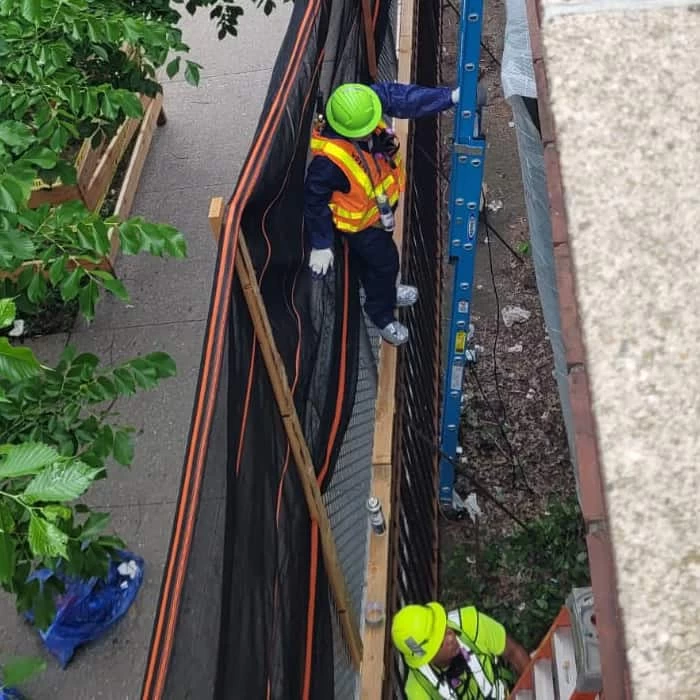
When you’re gutting a pre-war apartment in Parkside, the real work starts before anyone picks up a tool. Floor tiles, pipe insulation, plaster, joint compound in buildings from the 1920s and 1930s, these materials routinely test positive for asbestos. NYC Local Law 76 requires an asbestos investigation before any renovation or demolition, no exceptions. If your contractor can’t handle that investigation and the abatement that follows, your project stops before it starts.
We handle the full scope asbestos testing, licensed abatement, lead paint removal, and structural demolition under one contract. That means no waiting on a subcontractor to clear the site before demo can begin. No coordinating between two separate companies with two separate schedules. The project moves because one team owns the whole thing from the first inspection to the final cleared space.
For Parkside property owners dealing with aging plumbing, deferred maintenance, or a unit that’s been through a fire or water event, that kind of continuity isn’t a luxury. It’s the difference between a project that finishes on time and one that drags for weeks while you’re chasing callbacks.
We’ve been doing this work across New York for over 12 years not as a side service, but as a core operation. More than 340 completed demolition projects. Active licensing from the NYS Department of Labor, the NYC Department of Buildings, and compliance with NYC DEP notification requirements and federal USEPA standards. That’s not a checklist that’s what it actually takes to do this work legally in the five boroughs.
We serve all of Queens, including Parkside and the surrounding neighborhoods of Forest Hills, Rego Park, and Kew Gardens. We know what pre-war construction looks like from the inside what materials to expect, what the DOB filing process requires, and how to keep a gut renovation moving in a dense urban building without turning your neighbors’ lives upside down.
A 4.7-star rating built on reviews that mention things like responsiveness, honest advice, and staff who actually pick up the phone that’s the kind of reputation that comes from doing the job right, not from marketing.
It starts with a consultation. You describe the scope a gut renovation, a damaged unit, a full teardown and we assess what’s involved. In Parkside’s pre-war building stock, that assessment almost always includes an asbestos investigation. NYC Local Law 76 requires it, and skipping it isn’t an option. The investigation identifies what materials are present and what needs to be abated before structural work begins.
From there, we handle the NYC DEP notification (required at least seven days before abatement starts), pull the necessary DOB permits, and coordinate the abatement and demolition as a single workflow. If your building requires an Alt2 permit for interior work, or an after-hours variance because you’re in an occupied multi-unit building, we handle that too. You don’t need to navigate the DOB filing system yourself.
Once abatement is cleared and air quality testing confirms the space is safe independent air monitoring is required by NYS law, not an optional add-on demolition proceeds. Debris is removed by licensed carriers. The site is left clean, documented, and ready for whatever comes next. For emergency situations like a burst pipe or fire damage in a 1930s building, the same process applies on an accelerated timeline. We’re available 24/7, and we bill insurance carriers directly when the work is covered under a claim.
Commercial and Residential Demolition Contractors Queens
What's Actually Included When You Hire Us
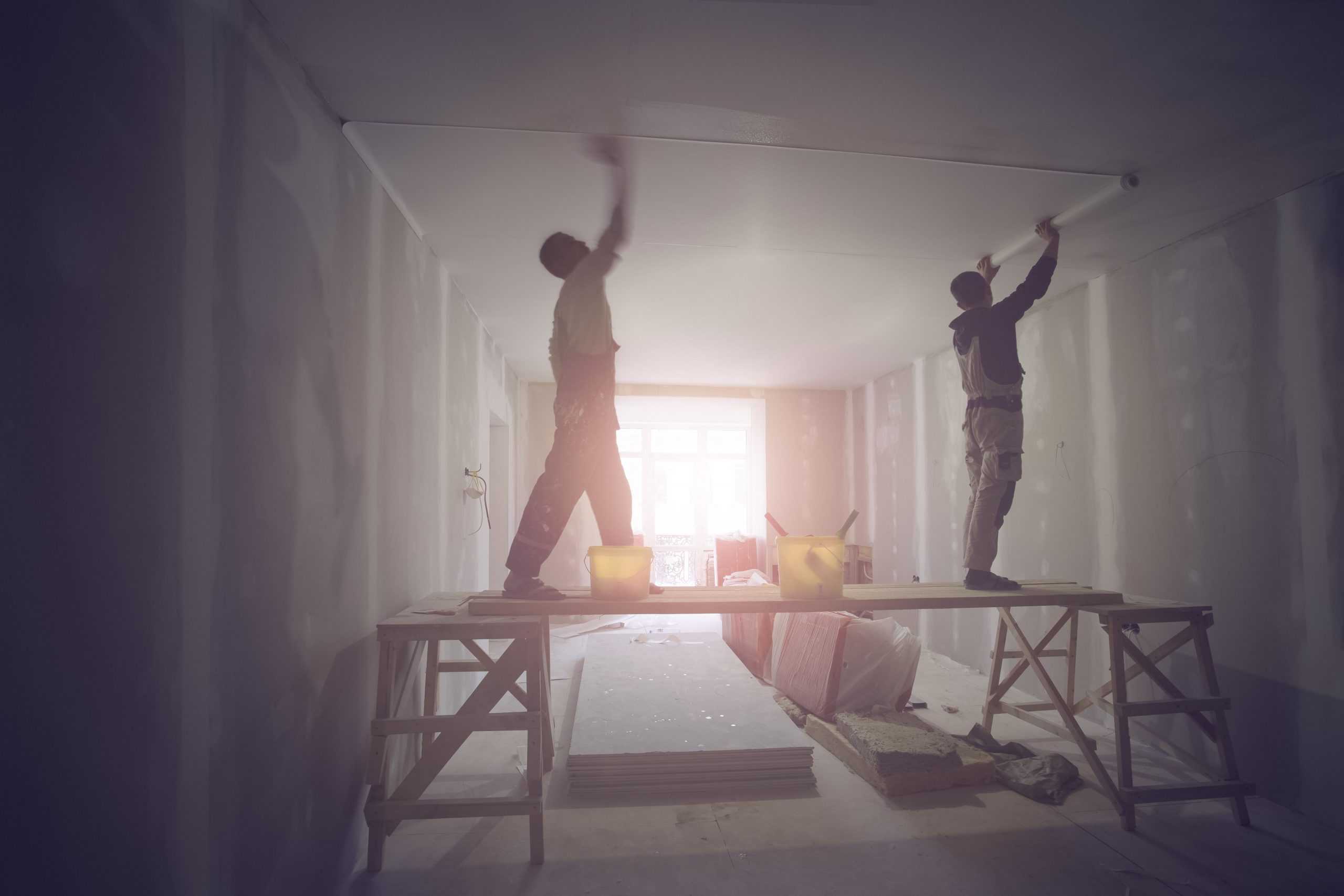
Demolition in Parkside isn’t just about tearing things down. Given that the majority of the neighborhood’s housing stock predates 1940, almost every project involves at least one layer of environmental work before structural demo can legally begin. Our scope covers asbestos abatement, lead paint removal, mold remediation, and full structural or interior demolition all under one contract, one timeline, and one licensed team.
For residential projects gut renovations in pre-war co-ops, damaged units in multi-family buildings, single-family home teardowns we handle everything from the initial hazmat survey through debris removal and site clearance. For commercial work along corridors like Queens Boulevard or in the Rego Park and Kew Gardens commercial strips adjacent to Parkside, the scope scales accordingly. Interior build-out demolition, selective demolition for partial renovations, and full structural work are all within our regular project range.
Every project includes permit coordination, DEP notification filing, licensed hazardous waste disposal, and the independent air clearance testing required by New York State after abatement. Asbestos removal in New York runs $20–$65 per square foot depending on the material and scope national averages don’t apply here, and any contractor quoting dramatically below that range is leaving something out. Our quotes are itemized and explained so you know exactly what you’re paying for and why.
Do I need an asbestos inspection before demolition in my Parkside apartment?
Yes and it’s not optional. NYC Local Law 76 requires an asbestos investigation before any renovation or demolition project in the five boroughs. There are no waivers, no grandfathering for older buildings, and no exceptions based on project size. If you’re gutting a kitchen, removing flooring, or tearing down a wall in a Parkside pre-war building, the investigation has to happen first.
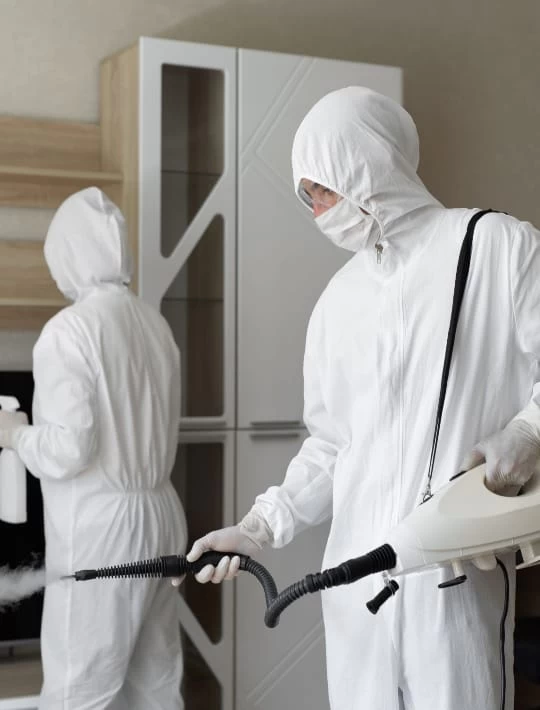
In practical terms, this means hiring a licensed asbestos inspector to survey the materials that will be disturbed. In buildings constructed before 1940 which describes the majority of Parkside’s residential stock floor tiles, pipe insulation, ceiling tiles, plaster, and joint compound are the most common sources of asbestos-containing material. When ACM is found, it has to be abated by a licensed contractor before structural work begins. We handle both the abatement and the demolition, so you’re not waiting on a second company to clear the site before your project can move forward.
How much does demolition cost for a pre-war building in Queens, NY?
Pricing for demolition in Queens depends heavily on the scope of work and what’s behind the walls and in Parkside’s pre-war buildings, what’s behind the walls almost always affects the total cost. Asbestos removal in New York runs $20–$65 per square foot depending on the material type and the extent of contamination. Independent air monitoring, required by New York State law after abatement, typically adds $600–$1,200 per day. Licensed hazardous waste disposal adds further cost. These aren’t upsells they’re legal requirements.
For interior demolition in a standard apartment unit, the structural demo itself is only part of the number. When you factor in permit fees, DEP notification, abatement, air testing, and debris removal, the total project cost in a pre-war Queens building is meaningfully higher than national averages suggest. Any quote that looks dramatically low is almost certainly excluding one or more of these required steps. We provide itemized estimates that break down every line so you understand exactly what’s included and why.
Who pulls the permits for demolition work in New York City?
Your contractor should handle this and if they’re not offering to, that’s worth asking about. In New York City, structural demolition requires a DOB demolition permit. Interior demolition typically requires an Alt2 permit. Work in occupied multi-unit buildings which describes most of Parkside’s apartment stock may require additional notifications and, if any work happens before 7 AM or after 6 PM, an after-hours variance from the NYC DOB.
We manage all DOB filings, DEP notifications, and permit coordination as part of the project. The NYC DEP requires notification at least seven days before asbestos abatement begins, and that notification has to include the licensed contractor’s information and the disposal plan. Getting this sequence right matters a missed notification or an unpermitted scope of work can result in stop-work orders, DOB violations, and fines that land on the property owner, not the contractor. Having one team manage the entire regulatory process eliminates that risk.
What happens if a pipe bursts in my Parkside building and I need emergency demolition?
In a pre-war building, a burst pipe isn’t just a plumbing problem. Water intrusion in older construction galvanized pipes, inadequate insulation, aging boiler systems can affect multiple units quickly, and mold begins growing within 24 to 48 hours of water exposure. The longer damaged walls, ceilings, and flooring stay in place in your Parkside building, the more secondary damage accumulates.
We operate 24 hours a day, seven days a week for exactly this kind of situation. Emergency response means an actual response not a voicemail and a callback the next morning. We mobilize, assess the damage, and begin the demolition and remediation process on an accelerated timeline. Because we handle mold remediation, water damage restoration, and demolition, there’s no gap between removing damaged materials and treating what’s underneath. For insurance-covered events, we bill the carrier directly, so you’re not managing the claim paperwork while simultaneously dealing with a damaged building.
Can my general contractor handle demolition in a NYC co-op or apartment building?
A general contractor can manage the renovation, but demolition in a New York City apartment especially in a pre-war building involves licensing requirements that most GCs don’t carry. Asbestos abatement requires NYS DOL certification under Industrial Code Rule 56. Lead abatement in pre-1960 buildings requires separate licensing. Structural demolition requires a NYC DOB-licensed contractor. If your GC doesn’t hold all of these credentials, they either need to subcontract the hazmat work or they’re proceeding without the required licenses both of which create problems for you as the property owner.
In Parkside’s pre-war co-op and apartment buildings, there’s also the layer of building management requirements: contractor insurance certificates, board approvals, noise hour restrictions, and containment protocols that protect neighboring units from dust and debris. We’ve worked in dense urban Queens buildings and understand these requirements. Bringing in a team that’s already familiar with the co-op process, the DOB filing system, and the DEP notification sequence makes the project significantly smoother than coordinating multiple contractors who’ve never worked together.
Is demolition covered by homeowners or landlord insurance after fire or water damage in Queens?
In many cases, yes demolition of damaged materials is a covered component of a fire or water damage insurance claim. This includes removing destroyed walls, flooring, ceilings, and structural elements that need to come out before restoration work can begin. The key is documentation: the adjuster needs to see what was damaged, what needs to be removed, and why. A contractor who can provide that documentation clearly and accurately makes the claims process significantly easier.
We bill insurance carriers directly for covered work, which means you’re not fronting a large sum and waiting for reimbursement while your building sits in a damaged state. In Parkside’s aging building stock where plumbing failures and fire incidents are a real and recurring reality this matters more than it might in a newer neighborhood. If you’re dealing with a fire or flood event and aren’t sure what your policy covers, we can walk you through what typically falls under a standard claim and what the documentation process looks like before any work begins.