Queens Village Homes Hide What Most Contractors Miss
Most homes in Queens Village were built before 1980 and what’s inside those walls requires more than just a demo crew. We handle the full scope, from hazardous material testing to final debris removal, so nothing gets missed and nothing stops your project cold.
I needed a professional consultation explanation of procedure for safe removal of Asbestos in my apartment complex. Without having an account yet, I was very impressed with the caring, knowledgeable and generous advice offered by Jessica, and will look forward to doing business in the future. Thank you so much! I feel much more informed about a sometimes scary endeavor. Peace. Nancy Silva Mineola, NY.
Mia Munoz
Used this company to clean up some water flood in my house. They were fast and easy to work with.very professional, Would recommend to anyone!
Nini Valle
Great company, had a flood and they responded quickly and efficiently. Billed my insurance company directly. I highly recommend this company!
joe colapietro, jr
I had pipe freeze in my basement right before a snow storm and they made to within an hour to help start the clean up process. They we by our side throughout the entire process and even helped with the insurance company. They did such a great job with the cleanup, repair, remidiation, I contracted them to perform the repairs and finishes in the basement. They came with enough manpower and material to get the job done. Leo and Jessica were nothing but a pleasure to deal with!!
Cristian Arredondo c
I had some water damage in my home and Green Island was able to take care of my issue quickly and effectively. I am very pleased with the work they did. They responded quickly and were very professional.
Michael M
Outstanding service! From the office to the field crew everyone was friendly, helpful and responsive. I highly recommend Green Island Group.
When you hire a demolition contractor in Queens Village, you’re not just swinging a sledgehammer at a wall. You’re navigating NYC Department of Buildings permits, asbestos investigation requirements under Local Law 76, utility disconnections, and disposal compliance all before a single piece of drywall hits the floor. When that process is managed correctly, your project moves. When it isn’t, it stops sometimes for weeks.
Queens Village’s housing stock is overwhelmingly pre-1980 construction. The brick ranches, split-levels, and colonials that line streets from Hollis Hills down through Bellaire were built during an era when asbestos was standard in floor tiles, ceiling tiles, pipe insulation, and joint compound. The reality of working in this neighborhood means testing before touching anything, handling abatement if it’s needed, and keeping your timeline intact.
The flooding history here adds another layer. Southeast Queens Queens Village included has dealt with recurring basement flooding and stormwater damage that compromises walls, flooring, and structural framing. When water sits in a home, you have roughly 24 to 48 hours before mold takes hold. Fast, licensed demolition of damaged materials isn’t optional at that point it’s the only move that protects the rest of the structure.
Experienced Demolition Contractors Queens Village NY
340 Projects In. We Know What Queens Village Throws at You.
We’ve been operating across Long Island and the New York City boroughs for over 12 years, with more than 340 completed demolition projects in the region. That’s not a number we throw out lightly it means we’ve worked through the DOB permit process hundreds of times, handled asbestos discoveries mid-scope without derailing timelines, and managed the full range of what older New York homes actually contain.
We’re based in Bohemia, but we work throughout Queens regularly and Queens Village specifically sits in a part of the borough where the regulatory environment is full NYC, even though the neighborhood feels more like Nassau County just across the line. That distinction matters. Contractors who don’t know the difference between NYC DEP certification and a standard NYS DOL license have no business pulling permits in Community District 13.
We hold NYC DOB licensing, NYS DOL certification, and NYC DEP credentials for asbestos abatement. We also bill insurance carriers directly for damage-related work which matters a lot in a neighborhood that’s dealt with the kind of flooding Queens Village saw after Ida.
No Guesswork Here's Exactly How a Queens Village Demo Runs
It starts with a site assessment. Before any work is scoped or priced, we walk the property and identify what we’re actually dealing with structural conditions, material age, access constraints, and any signs of water damage or hazardous materials. In Queens Village, that assessment almost always includes a conversation about the home’s construction era and what that means for the project ahead.
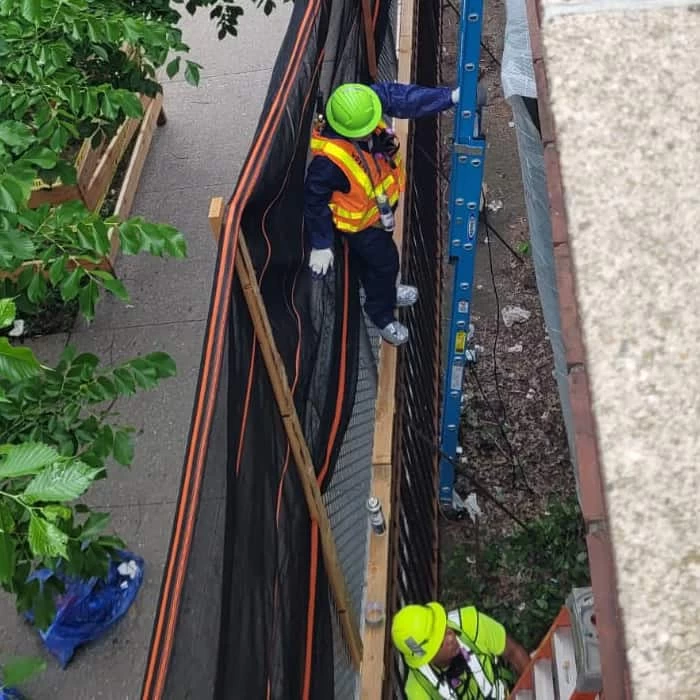
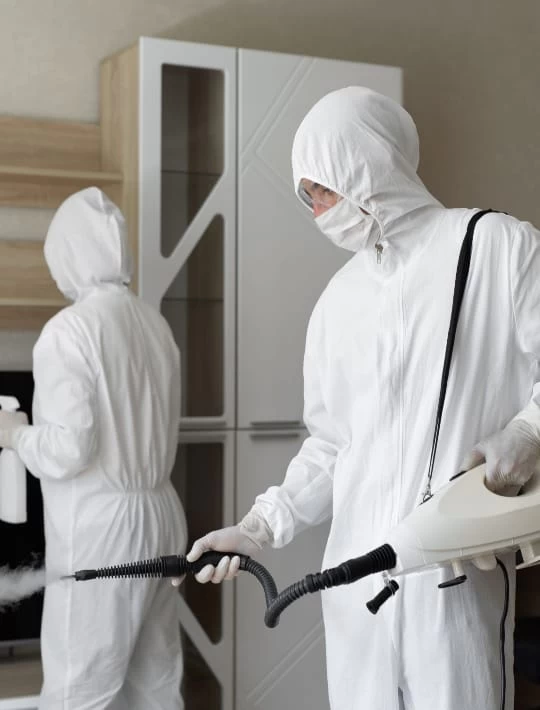
From there, we handle the asbestos investigation required under NYC Local Law 76. This isn’t something you can skip in the five boroughs it’s mandatory before any renovation or demolition, full stop. If the investigation comes back clean, we move directly to permitting and scheduling. If asbestos-containing materials are found, we complete the certified abatement first, document everything for the DOB file, and then proceed with demolition once the site is cleared. No handoffs to a separate abatement crew, no scheduling gaps, no need to call someone else first.
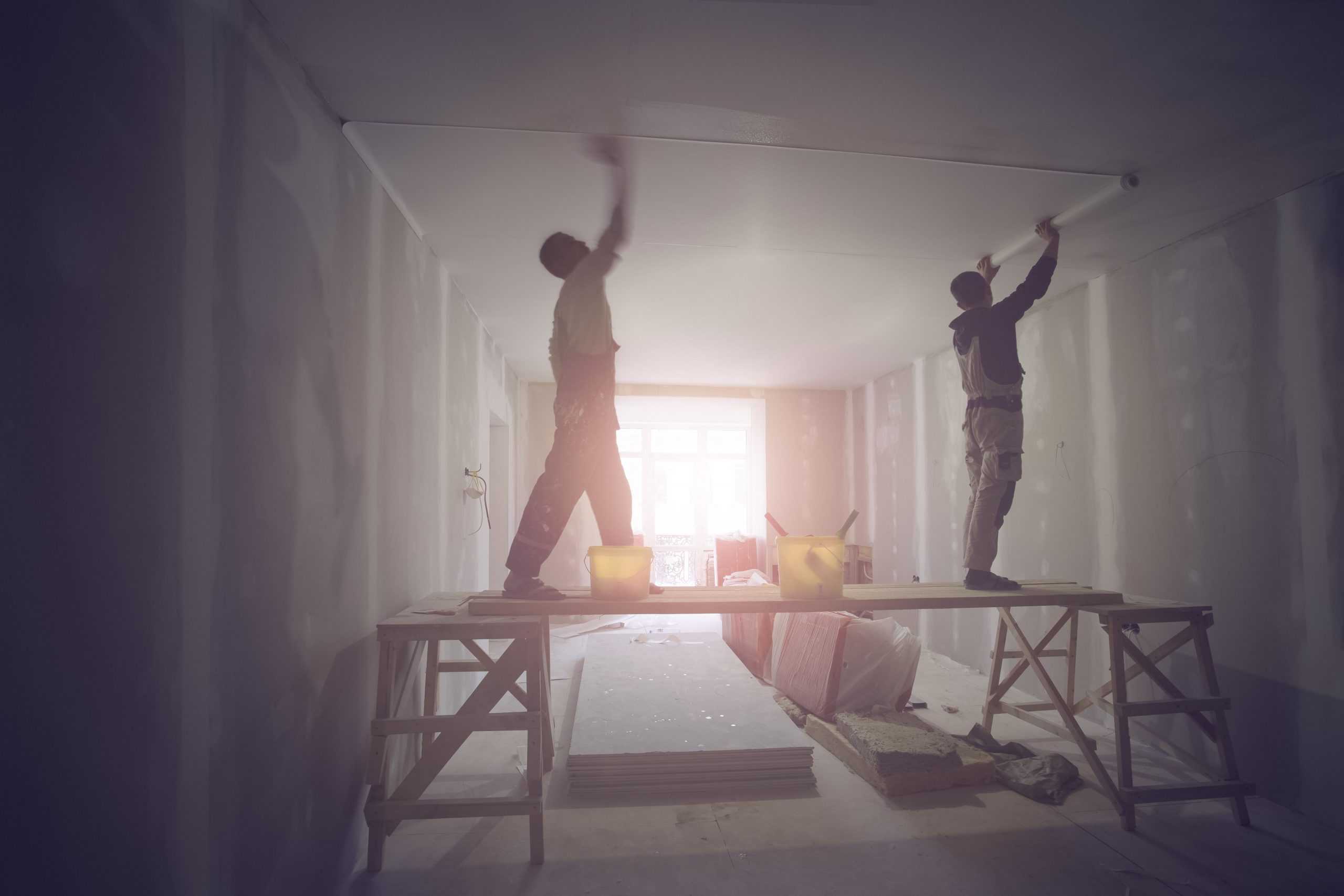
Once demolition begins, the scope runs exactly as scoped whether that’s a full structural teardown, a gut interior, or selective demo on specific areas. Debris is sorted, hauled, and disposed of in compliance with NYC regulations. When we leave, the site is clean, documented, and ready for whatever comes next a rebuild, a renovation, or a handoff to your GC.
Full-Service Demolition Specialists Queens Village NY
Every Scope Covered, Every Queens Village Code Accounted For
We handle residential demolition, interior gut demolition, selective demolition, commercial demolition, and full structural teardowns across Queens Village and the surrounding communities including Hollis Hills, Bellaire, Cambria Heights, and Jamaica Estates. Every project, regardless of size, runs under the same framework: proper permitting, mandatory hazmat testing, licensed abatement if required, and compliant debris disposal.
For Queens Village homeowners dealing with flood or fire damage, we also provide emergency demolition response available around the clock and handle direct insurance billing so you’re not fronting the cost and waiting on reimbursement. Given that southeast Queens has been flagged by city officials as a priority area for stormwater flooding, this service gets used regularly in this neighborhood.
What you won’t find here is a low-ball quote that leaves out the line items NYC actually requires. Asbestos surveys, air monitoring, DOB permit fees, licensed hazardous waste disposal these are legal requirements, not add-ons. We include them upfront because the alternative is a project that stalls, a property owner who’s exposed to violations, and a bill that looks nothing like the original number. Queens Village deserves better than that, and frankly, so does your budget.
Does my Queens Village home need an asbestos test before demolition?
Yes and this isn’t optional. NYC Local Law 76 requires an asbestos investigation before any renovation or demolition project in the five boroughs, no exceptions. That includes interior gut jobs, partial wall removals, kitchen remodels, and full structural teardowns. If you skip it and a DOB inspector flags the site, work stops and you’re looking at violations that follow the property.
In Queens Village specifically, the risk of finding asbestos-containing materials is high. The neighborhood’s primary construction era 1920s through the 1960s overlaps almost entirely with the period when asbestos was routinely used in 9×9 vinyl floor tiles, ceiling tiles, pipe and boiler insulation, joint compound, and roofing materials. The investigation determines what’s actually there before anything is disturbed. If materials test positive, certified abatement has to happen first. We handle both the investigation and the abatement, so you’re not managing two separate contractors or two separate schedules.
How much does a demolition contractor cost in Queens Village, NY?
It depends on the scope, but here’s what you need to understand before you compare quotes: national average estimates for residential demolition often cited in the $1,100 to $2,900 range don’t apply in New York City. Queens Village falls under NYC’s regulatory framework, which adds real, mandatory costs that don’t show up in a generic estimate.
A complete and honest quote for a Queens Village demolition project should include the asbestos investigation, any required abatement, NYC DOB permit fees, a site safety plan, utility disconnection coordination, air monitoring during abatement, licensed hazardous waste disposal, and debris removal. A quote that leaves any of those out isn’t a low price it’s an incomplete scope. When you’re comparing numbers, ask each contractor specifically what’s included. The ones who can’t answer that question clearly are the ones who will hit you with change orders halfway through.
What permits are required for demolition in Queens Village?
For any structural demolition in Queens Village, you need a NYC Department of Buildings demolition permit. Full teardowns are filed as Demolition permits; partial or interior demolition is typically filed under an Alteration permit. Either way, the application requires documentation and that’s where a lot of homeowners get tripped up.
The DOB permit application requires a completed asbestos investigation report, a site safety plan, and written confirmation that gas, electric, and water utilities have been formally disconnected. These aren’t suggestions they’re requirements before the permit is issued. Beyond the DOB, asbestos abatement work in Queens Village also requires NYC DEP-certified contractors, which is a separate credential from standard NYS licensing. We hold both, which means we can pull your permits, manage the abatement documentation, and keep the project moving without you having to track down multiple licensed parties.
Can a demolition contractor in Queens Village handle flood-damaged walls and floors?
Yes, and in Queens Village, this comes up more than people expect. The neighborhood sits in a part of southeast Queens that has dealt with recurring stormwater and groundwater flooding a problem that’s been documented by city officials and local elected representatives for years. After a flooding event, the clock moves fast. Mold begins developing within 24 to 48 hours of water intrusion, which means the demolition of compromised drywall, insulation, and flooring needs to happen quickly.
We offer 24/7 emergency demolition response for exactly this situation. We remove the flood-damaged materials, document the scope for your insurance carrier, and bill the carrier directly so you’re not managing that paperwork on top of everything else. We also handle the mold remediation side because pulling out wet drywall doesn’t fix a mold problem if the underlying framing and surfaces aren’t treated. Doing the demolition and remediation as one integrated scope is the only way to actually resolve the damage, not just cover it up.
How do I know if a demolition contractor is actually licensed to work in Queens Village?
This is one of the most important questions you can ask and a lot of homeowners don’t ask it until something goes wrong. Queens Village is in New York City, which means the licensing requirements are more layered than most people realize. NYS DOL licensing covers asbestos abatement statewide. NYC DEP certification is a separate, borough-specific credential required for abatement work within the five boroughs. And NYC DOB licensing is required to legally pull demolition permits and perform structural demolition in Queens. A contractor can hold one or two of these and still be operating outside their legal authority in Queens Village.
Ask any contractor you’re considering to confirm their NYC DOB license number, their NYC DEP asbestos contractor certification, and their NYS DOL credentials. You can verify DOB licenses directly through the NYC Buildings Information System. If a contractor can’t provide those credentials or gets vague about which licenses they hold, that’s your answer. Property owners who hire unlicensed or partially licensed contractors in NYC can face stop-work orders, fines, and personal liability for violations even if they didn’t know the contractor was out of compliance.
How long does a demolition project typically take in Queens Village?
The physical demolition itself depending on scope can run anywhere from a single day for a focused interior gut to a week or more for a full structural teardown. But the total project timeline in Queens Village is shaped more by the regulatory front end than by the demo work itself.
The asbestos investigation typically takes a few days to complete and return lab results. If abatement is required, that adds time depending on the quantity and type of materials involved. DOB permit processing in NYC can run one to three weeks under normal circumstances. Utility disconnection coordination with Con Edison and National Grid needs to happen before permits are issued, and that scheduling has its own lead time. The contractors who give you a tight timeline without accounting for any of this are either skipping required steps or haven’t done enough NYC work to know what the process actually involves. When we scope a Queens Village project, we give you a realistic timeline that includes every required phase so the schedule you’re planning around is the one that actually holds.