Ridgewood's Century-Old Buildings Need More Than a Sledgehammer
When nearly every building on your block was built before 1940, demolition isn’t simple it’s regulated, layered, and full of surprises if you hire the wrong crew. We handle the asbestos, the permits, and the demolition itself, so you’re not managing three contractors when one should do.
I needed a professional consultation explanation of procedure for safe removal of Asbestos in my apartment complex. Without having an account yet, I was very impressed with the caring, knowledgeable and generous advice offered by Jessica, and will look forward to doing business in the future. Thank you so much! I feel much more informed about a sometimes scary endeavor. Peace. Nancy Silva Mineola, NY.
Mia Munoz
Used this company to clean up some water flood in my house. They were fast and easy to work with.very professional, Would recommend to anyone!
Nini Valle
Great company, had a flood and they responded quickly and efficiently. Billed my insurance company directly. I highly recommend this company!
joe colapietro, jr
I had pipe freeze in my basement right before a snow storm and they made to within an hour to help start the clean up process. They we by our side throughout the entire process and even helped with the insurance company. They did such a great job with the cleanup, repair, remidiation, I contracted them to perform the repairs and finishes in the basement. They came with enough manpower and material to get the job done. Leo and Jessica were nothing but a pleasure to deal with!!
Cristian Arredondo c
I had some water damage in my home and Green Island was able to take care of my issue quickly and effectively. I am very pleased with the work they did. They responded quickly and were very professional.
Michael M
Outstanding service! From the office to the field crew everyone was friendly, helpful and responsive. I highly recommend Green Island Group.
Most property owners in Ridgewood don’t realize the permit process has already started before anyone swings a tool. The NYC Department of Buildings requires an ACP-5 asbestos assessment before issuing any demolition or renovation permit for buildings constructed before April 1, 1987 and in Ridgewood, that’s nearly every building on every block. If your contractor doesn’t know that, or can’t handle it, your project stops before it starts.
When you work with a contractor who handles abatement and demolition together, that bottleneck disappears. No waiting on a separate abatement company. No scrambling to find a DEP-certified investigator after the fact. The assessment, the abatement, and the physical demolition move in sequence under one contract, one timeline, and one point of contact.
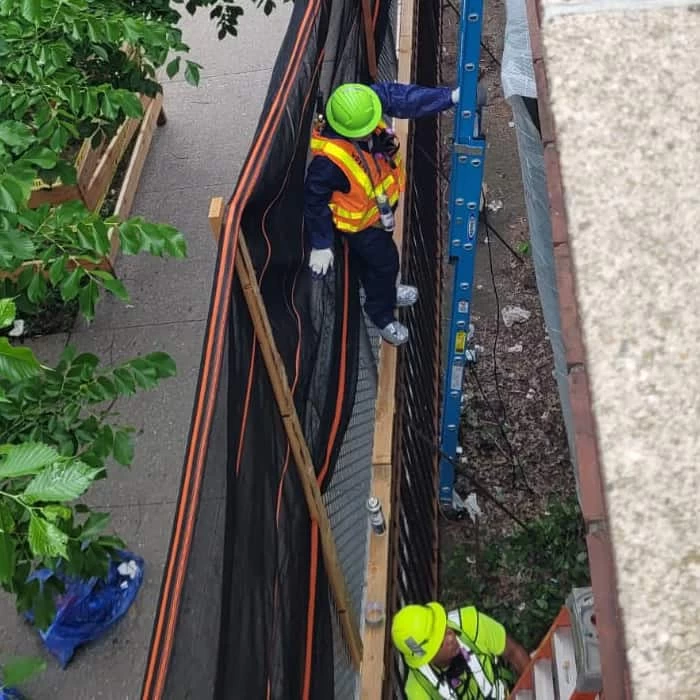
For landlords renovating units in occupied six- and eight-family rowhouses along Onderdonk Avenue or Gates Avenue, that continuity matters even more. Tenants are still living two floors up while work happens below. Proper containment, negative air pressure, and HEPA filtration aren’t optional in that situation they’re legally required and practically essential. We bring all of that to every job in Ridgewood, not as an add-on, but as the baseline.
We’ve been operating across New York City and Long Island for over 12 years. That’s 12 years of pulling permits through the NYC DOB, filing ACP-5 forms, coordinating with the DEP, and doing the kind of work that actually holds up to inspection. Over 340 completed demolition projects later, the process is tight not because it’s easy, but because we’ve done it enough times to know exactly where things go wrong and how to prevent it.
Ridgewood is a neighborhood that demands that kind of experience. The Central Ridgewood Historic District alone covers nearly 990 buildings, most of them brick rowhouses built between 1906 and 1915. Add the Fresh Pond Road–Myrtle Avenue Historic District designated as recently as 2022 and you’re looking at a neighborhood where the regulatory landscape is dense, active, and still expanding. That’s not a place to learn on the job.
We hold NYC DOB licensure, follow NYS DOL Industrial Code Rule 56 for asbestos abatement, and comply with NYC DEP certification requirements the full stack of credentials that legal demolition work in this borough actually requires.
It starts with an assessment. Before any permits are filed or any work begins, the building gets evaluated for asbestos-containing materials and lead paint both near-certainties in Ridgewood’s pre-war housing stock. If your property falls within one of the neighborhood’s LPC-designated historic districts, that review happens in parallel, so there’s no delay when the DOB permit application goes in.
Once the assessment is complete, the ACP-5 form gets filed with the NYC Department of Buildings as part of the permit application. If abatement is required and in most Ridgewood projects, it is that work happens first, under DEP-licensed supervision, with proper containment and air monitoring in place. For occupied multi-family buildings, this phase includes full isolation of the work area from tenant-occupied floors.
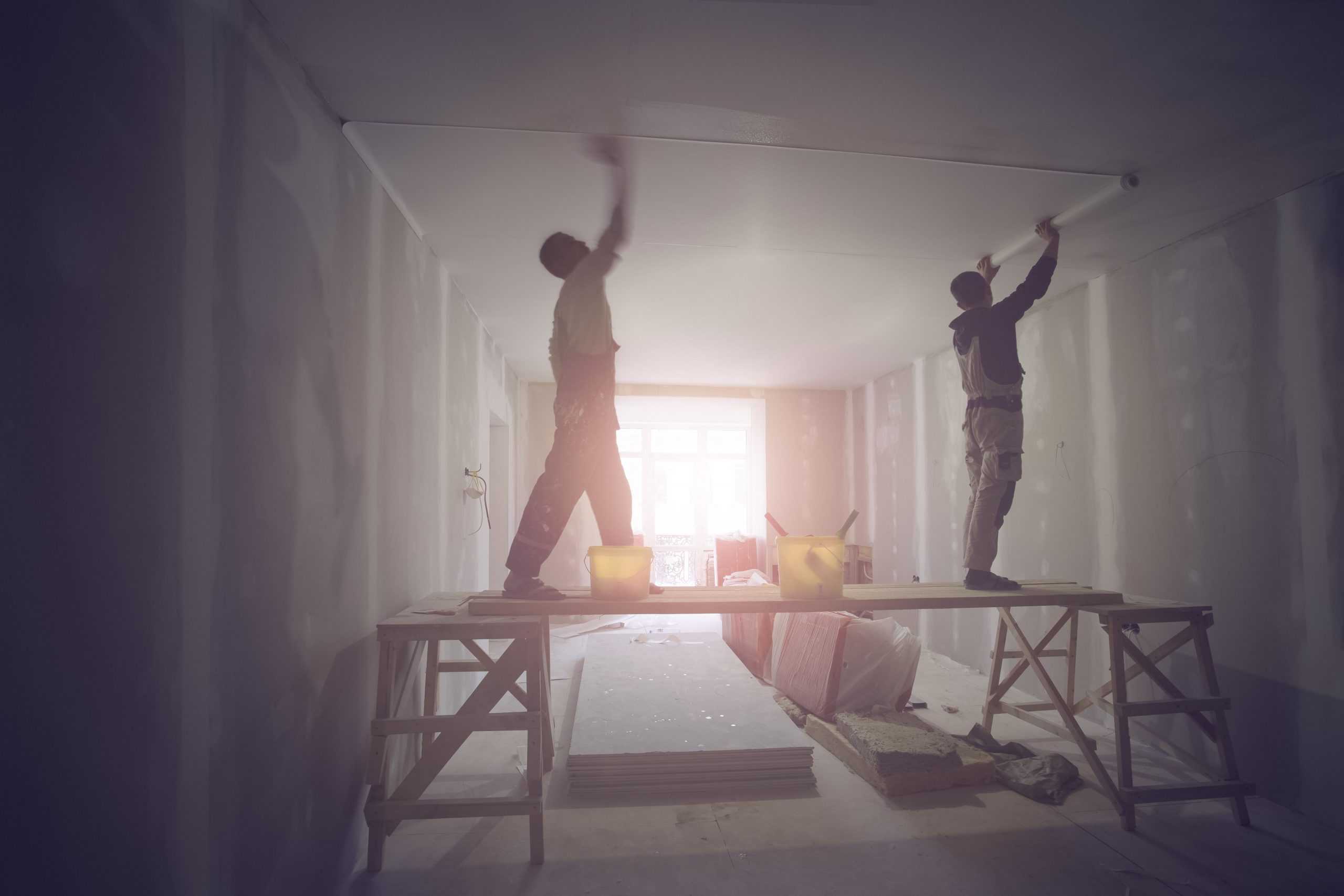
Demolition follows once abatement is cleared and permits are in hand. Interior demolition in a Ridgewood rowhouse typically means walls, ceilings, flooring, plumbing, and fixtures stripped clean and ready for the next phase of construction. Debris doesn’t just disappear: asbestos-containing material is double-bagged, transported by a licensed hazardous waste carrier, and disposed of in compliance with USEPA NESHAP requirements. Recyclable materials are sorted and directed to appropriate facilities. When we leave, the space is clean, compliant, and ready for your next contractor to walk in.
Residential and Commercial Demolition Contractor Ridgewood
One Contractor. Every Layer of the Job Covered.
We handle residential demolition, commercial demolition, and everything in between including the environmental work that Queens County regulations require before the physical demolition can legally begin. For Ridgewood specifically, that means interior gut demolition in pre-war rowhouses and multi-family apartment buildings, selective demolition for active renovation projects, and full structural demolition where applicable.
On the residential side, the most common projects in Ridgewood involve gut renovations of 6- to 12-family brick rowhouses the kind of buildings that line Onderdonk Avenue, Seneca Avenue, and Woodward Avenue. These buildings were built a century ago, and they require a contractor who understands what’s inside the walls before the walls come down. Lead paint, asbestos floor tiles, asbestos pipe insulation these aren’t rare findings in Ridgewood. They’re expected. Our integrated asbestos abatement and demolition service means the hazmat side and the demo side are handled by the same licensed team, under the same contract, without a gap in the timeline.
On the commercial side, renovation projects along Myrtle Avenue or Fresh Pond Road Ridgewood’s two main commercial corridors often involve older mixed-use buildings with the same pre-war material concerns as the residential stock. We handle commercial interior demolition with the same regulatory compliance and containment protocols, minimizing disruption to adjacent occupied spaces. For disaster-related work fire damage, water damage, mold we respond 24/7 and bill insurance carriers directly.
Do I need an asbestos test before demolition in Ridgewood, NY?
Yes and it’s not optional. The NYC Department of Buildings requires an ACP-5 asbestos assessment before issuing any demolition or renovation permit for buildings constructed before April 1, 1987. In Ridgewood, where the median construction year is 1938 and nearly 60% of homes were built before 1940, that requirement applies to virtually every project in the neighborhood. You cannot skip this step and get a permit the DOB’s permit application specifically asks whether asbestos has been addressed.
The assessment must be conducted by a DEP-certified asbestos investigator. If asbestos-containing materials are found and will be disturbed during demolition, a separate DEP-licensed abatement contractor must complete the removal before demolition work begins. We handle both sides of this the assessment coordination and the abatement so you’re not managing two separate contractors or waiting on one to finish before the other can start. It’s one of the main reasons Ridgewood property owners call us first.
My Ridgewood building is in a historic district does that affect demolition permits?
It can, depending on what you’re planning to do. Ridgewood has four NYC Landmarks Preservation Commission-designated historic districts, including the Central Ridgewood Historic District (covering about 990 buildings) and the Fresh Pond Road–Myrtle Avenue Historic District, which was added in 2022 and covers 440 more buildings along the neighborhood’s main commercial corridor. If your property is within one of these districts, any exterior alteration, reconstruction, or demolition that affects the building’s appearance requires a Certificate of Appropriateness from the LPC before the DOB will issue permits.
Interior demolition gut renovations, wall removal, flooring teardowns generally does not require LPC review, since it doesn’t affect the exterior character of the building. But if you’re unsure whether your project triggers LPC review, it’s worth confirming before you file anything with the DOB. Getting that wrong adds weeks to your timeline. Our experience working within New York City’s permitting ecosystem means we can help you understand what approvals are needed before the project begins, not after you’ve already hit a wall.
How long does interior demolition take in a Ridgewood rowhouse?
It depends on the scope, but for a full gut renovation of a single unit in a Ridgewood rowhouse walls, ceilings, flooring, plumbing, fixtures the physical demolition work typically takes two to five days once permits are in hand and any required asbestos abatement is complete. The abatement phase, if needed, adds time before demolition begins: typically three to seven business days depending on the extent of the materials involved and the DEP clearance process.
The bigger variable in Ridgewood is the permit and assessment timeline. If you’re starting from scratch no ACP-5 filed, no permits pulled plan for one to three weeks of pre-work before a crew can legally begin demolition. That’s not a Green Island Group timeline; that’s the NYC regulatory process. The way to compress it is to start the assessment and permit process early, which is exactly what we help you do. Property owners who call us before they’ve scheduled anything else tend to have the smoothest project timelines.
Can you handle demolition in an occupied multi-family building in Ridgewood?
Yes and this is one of the more technically demanding aspects of demolition work in a neighborhood like Ridgewood. Most of the housing stock here is 6-, 8-, or 12-family brick rowhouses where renovation work in one unit happens while other tenants are still living in the building. That situation requires a specific set of protocols that not every demolition contractor is equipped to follow.
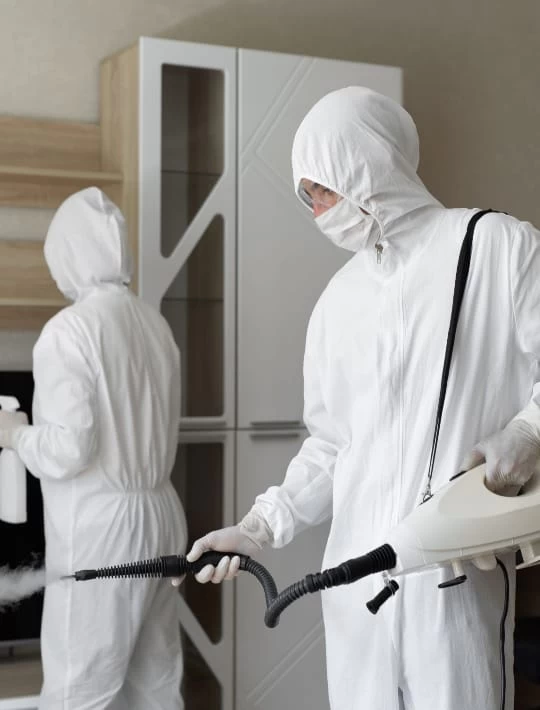
We use negative air pressure containment systems and HEPA filtration to isolate the work area from the rest of the building during asbestos abatement and demolition. This isn’t just best practice it’s legally required under NYC DEP and NYS DOL regulations when asbestos-containing materials are being disturbed in an occupied building. Tenants in adjacent units need to be protected from fiber exposure and construction dust, and the containment setup is what makes that possible. If a contractor you’re considering doesn’t mention containment protocols when you describe an occupied building, that’s a red flag worth taking seriously.
What does interior demolition actually cost in Ridgewood, NY?
There’s no single number that covers every project, but here’s a realistic framework for Ridgewood. A basic interior gut of a single apartment unit removing walls, ceilings, flooring, and fixtures typically runs between $8,000 and $20,000 depending on unit size, material complexity, and how much needs to come out. That range assumes asbestos abatement is included, because in Ridgewood’s pre-war building stock, it almost always needs to be.
What drives cost up in this neighborhood specifically is the regulatory layer. The ACP-5 assessment, DEP permit fees, licensed abatement labor, and compliant hazardous waste disposal all add real cost that a low-bid contractor may not include in their initial quote and then surface mid-project. When you’re comparing quotes, ask each contractor whether asbestos abatement, permit filing, and debris disposal are included. If those line items aren’t in the quote, they’re not in the price yet. We build all of it in from the start, so the number you see is the number you can actually budget around.
Does homeowners or landlord insurance cover demolition after fire or water damage in Ridgewood?
In most cases, yes demolition related to a covered event like a fire or water damage is included in a standard homeowners or landlord insurance policy as part of the loss remediation. That typically covers the removal of damaged walls, ceilings, flooring, and structural elements that need to come out before repairs can begin. What gets covered, and how much, depends on your specific policy and the adjuster’s assessment of the damage.
For Ridgewood property owners dealing with a fire or flood in a pre-war building, the demolition scope is often larger than expected because older buildings have more layers, more hazardous materials embedded in those layers, and more structural complexity than newer construction. That means the insurance claim needs to account for asbestos abatement, licensed hazardous waste disposal, and containment in occupied buildings not just basic debris removal. We bill insurance carriers directly for disaster-related work, which removes the cash-flow burden of paying out of pocket while waiting for reimbursement. If you’ve had a loss event and aren’t sure what your policy covers, we can walk through the scope with you before anything is filed.