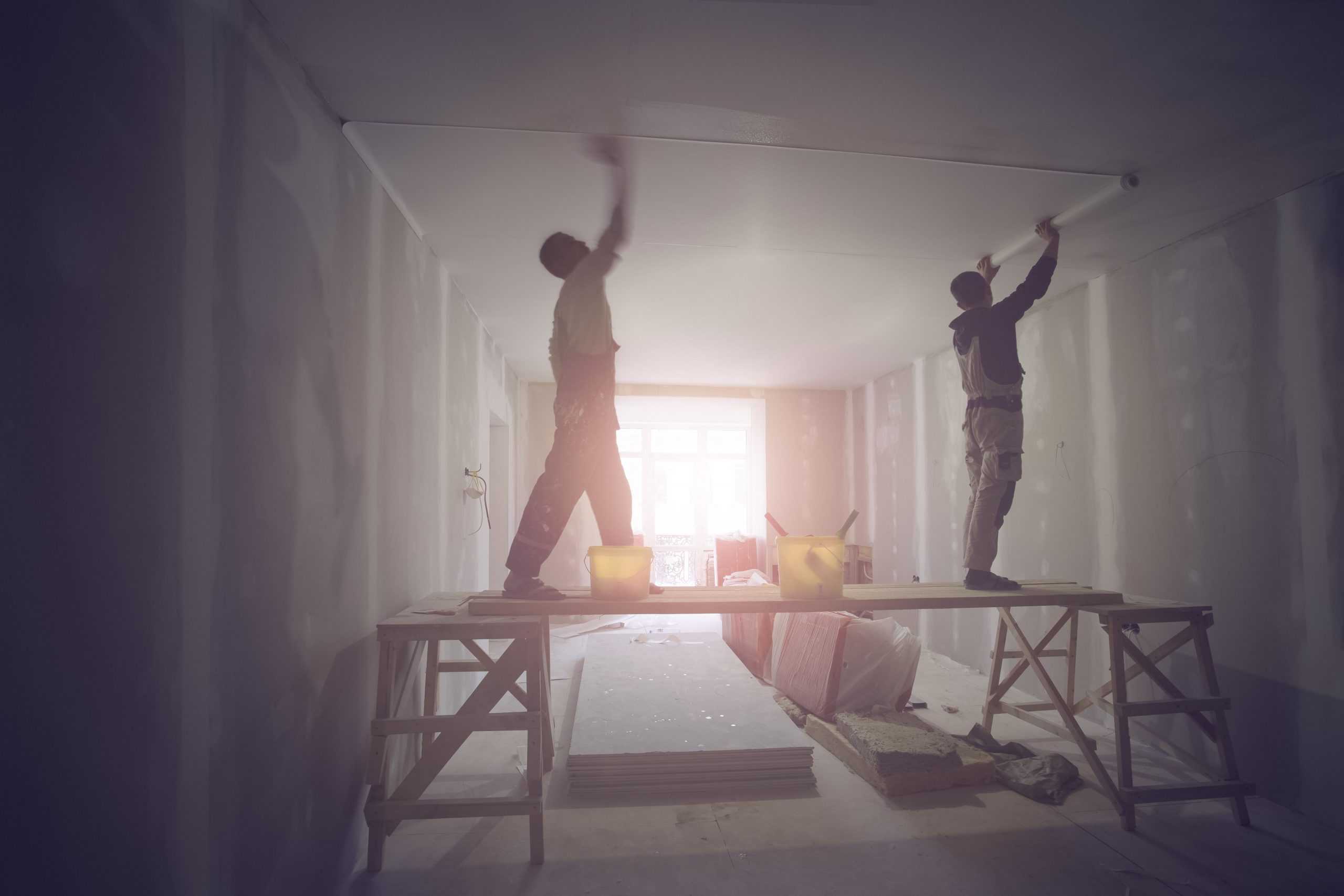
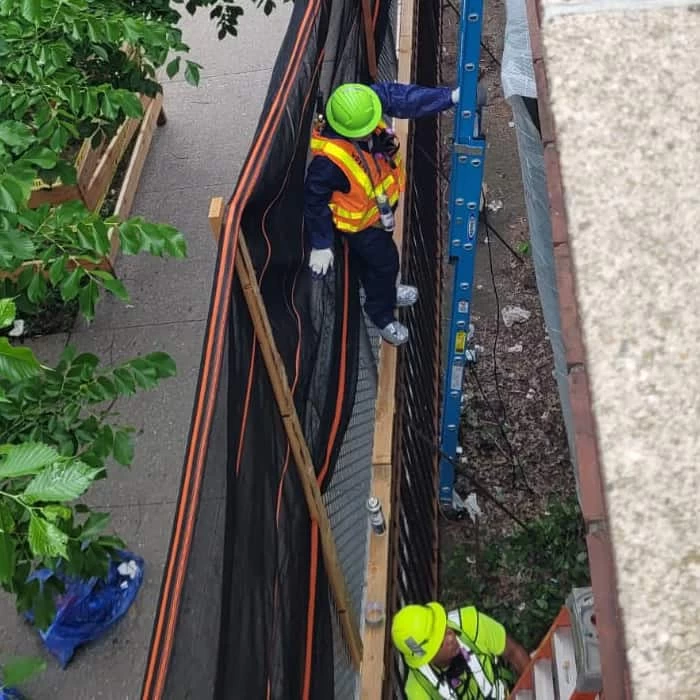
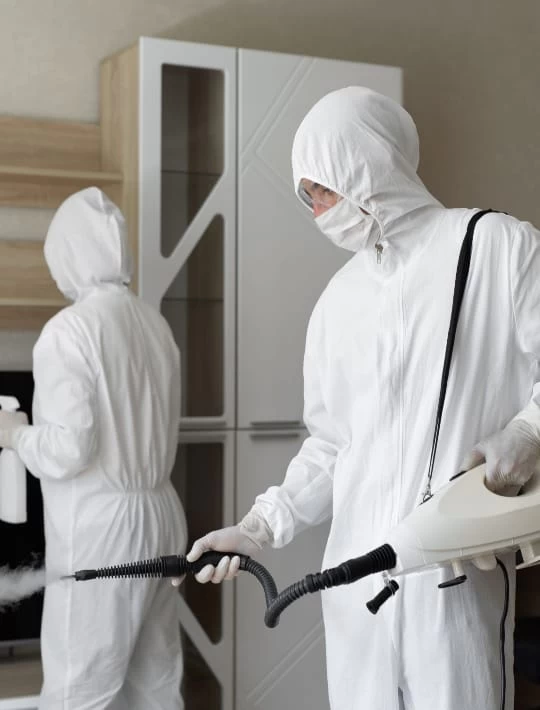
We handle demolition and hazardous material abatement together so your Trainsmeadow project doesn’t stall halfway through because someone forgot to check for asbestos first.
I needed a professional consultation explanation of procedure for safe removal of Asbestos in my apartment complex. Without having an account yet, I was very impressed with the caring, knowledgeable and generous advice offered by Jessica, and will look forward to doing business in the future. Thank you so much! I feel much more informed about a sometimes scary endeavor. Peace. Nancy Silva Mineola, NY.
Mia Munoz
Used this company to clean up some water flood in my house. They were fast and easy to work with.very professional, Would recommend to anyone!
Nini Valle
Great company, had a flood and they responded quickly and efficiently. Billed my insurance company directly. I highly recommend this company!
joe colapietro, jr
I had pipe freeze in my basement right before a snow storm and they made to within an hour to help start the clean up process. They we by our side throughout the entire process and even helped with the insurance company. They did such a great job with the cleanup, repair, remidiation, I contracted them to perform the repairs and finishes in the basement. They came with enough manpower and material to get the job done. Leo and Jessica were nothing but a pleasure to deal with!!
Cristian Arredondo c
I had some water damage in my home and Green Island was able to take care of my issue quickly and effectively. I am very pleased with the work they did. They responded quickly and were very professional.
Michael M
Outstanding service! From the office to the field crew everyone was friendly, helpful and responsive. I highly recommend Green Island Group.
Most demolition projects in Trainsmeadow hit a wall not a structural one, but a legal one. The house was built in the 1950s or 60s, the walls go up, and suddenly there’s asbestos in the floor tile or pipe insulation, and the contractor you hired can’t legally touch it. Work stops. You’re scrambling to find a certified abatement company. The timeline doubles and the budget follows.
That doesn’t happen when abatement and demolition are handled by the same licensed team from the start. We conduct hazardous material testing before any structural work begins asbestos, lead, mold so the scope is accurate, the price is real, and the project moves without interruption. For a neighborhood where nearly every home predates 1980, that’s not a nice-to-have. It’s the difference between a project that finishes on time and one that drags on for months.
Trainsmeadow homes are also tightly spaced. Your neighbor’s foundation is close. Their driveway is close. Our demolition process accounts for that containment, structural protection, and scheduling that doesn’t turn your block into a construction zone nightmare. That kind of precision matters in a dense residential area, and it’s built into how every job gets done.
We’ve been doing this work in Queens and across New York City for over 12 years. In that time, we’ve completed more than 340 demolition projects not in Manhattan high-rises or Long Island suburbs, but in the kind of mid-century attached homes and two-family houses that make up most of northern Queens, including Trainsmeadow, College Point, and the broader Flushing corridor.
Every project is fully permitted through the NYC Department of Buildings. Every asbestos-related job is handled under NYS DOL Industrial Code Rule 56 certification and NYC DEP authorization. Those aren’t credentials that get mentioned once and forgotten they’re the reason we can legally do what most contractors in this market can’t: handle abatement and demolition under one contract, without subcontracting the regulated work to someone else.
With a 4.7-star rating across 33 reviews, the feedback isn’t just about clean results. Clients consistently mention that our team explains the process clearly, answers the phone, and doesn’t leave them guessing. In a neighborhood where unlicensed contractors are a real risk, that kind of accountability is exactly what you should be looking for.
It starts with a site assessment. Before anything gets touched, we evaluate the property for hazardous materials asbestos, lead paint, mold because NYC Local Law 76 requires an asbestos investigation before any demolition or renovation in the five boroughs. This isn’t optional, and skipping it isn’t something a licensed contractor will do. The assessment tells you exactly what’s present, what needs to be addressed, and what the full scope of work actually looks like before you’ve committed to a price that might change.
If abatement is required and in most Trainsmeadow homes, it will be that phase happens first, under certified supervision, with air monitoring conducted afterward to confirm clearance. Only then does demolition begin. For interior work, that means walls, ceilings, flooring, and fixtures removed cleanly and carefully. For full structural teardowns, it means coordinating equipment access on tight residential streets, protecting adjacent properties, and working within NYC’s noise ordinance requirements so the project doesn’t create problems with the neighbors on either side of you.
Once the work is done, debris is sorted, recyclable materials are separated, and the site is cleared and ready for whatever comes next whether that’s a contractor starting a renovation or a builder breaking ground on something new. You don’t need to arrange a separate cleanup crew. That’s already part of the job.
We offer residential demolition, commercial demolition, interior demolition, and selective demolition along with the asbestos abatement, lead abatement, mold remediation, and water damage restoration that frequently go hand-in-hand with demolition work in older Queens properties. These services aren’t offered as add-ons. They’re integrated into the same project, managed by the same team, under the same contract.
For Trainsmeadow homeowners doing a gut renovation kitchen, bathroom, basement conversion interior demolition is typically where it starts. That means removing everything down to the studs, handling any hazardous materials discovered in the process, and leaving the space structurally clean and ready for the next trade. For properties where the existing structure isn’t worth saving, full demolition is available with complete permit management through the NYC DOB, so you’re not trying to navigate that process on your own.
We also handle fire and water damage scenarios, which matter in a neighborhood where aging plumbing and older construction make water intrusion a recurring issue. If a pipe bursts or a fire damages part of the structure, we’re available 24 hours a day, seven days a week and bill insurance carriers directly, so you’re not fronting costs and waiting for reimbursement. In Queens County, where NYC’s regulatory requirements touch every phase of this work, having one contractor who’s licensed across all of it isn’t a luxury. It’s the only way the job gets done legally.
Do I need a permit to demolish walls in my Trainsmeadow home?
Yes and the permit requirement is just one layer of what’s involved. In New York City, any structural demolition requires a permit through the NYC Department of Buildings, filed electronically through the DOB NOW portal. But before a permit is even issued for a project in Trainsmeadow, NYC Local Law 76 requires an asbestos investigation of the property. This applies to every renovation and demolition project in the five boroughs without exception there’s no square footage threshold that lets you skip it.
What this means practically is that the permit process for a Queens demolition project involves more steps than many homeowners expect. You need the asbestos investigation completed first, the results documented, and if asbestos-containing materials are present, a licensed abatement contractor must address them before structural work begins. We handle all of this the investigation, the abatement if needed, and the permit filing so you’re not trying to coordinate multiple contractors and regulatory steps on your own timeline.
How much does demolition cost for a home in Trainsmeadow, NY?
The honest answer is that pricing in New York City is more complex than a flat per-square-foot number, because the regulatory requirements here add real costs that don’t exist in other markets. NYC demolition prices run roughly 8 to 12 percent higher than national averages once you factor in licensing, permit fees, certified disposal, and the asbestos-related requirements that apply to virtually every pre-1980 home in Trainsmeadow.
For context, asbestos removal in the NYC market runs $20 to $65 per square foot depending on the material and location. Independent air monitoring which is legally required after abatement typically costs $600 to $1,200 per day. A residential asbestos abatement project in Queens commonly falls between $3,000 and $15,000 before demolition begins. The reason this matters is that a low initial quote from a contractor who hasn’t accounted for these requirements will almost always grow once the project starts. We build these requirements into the estimate upfront, so the number you’re quoted reflects what the job actually costs not a starting point that climbs.
Does asbestos testing really apply to every demolition project in Trainsmeadow?
In New York City, yes it applies to every project, regardless of size. NYC Local Law 76 mandates an asbestos investigation before any demolition or renovation work in the five boroughs. There’s no minimum square footage, no exemption for small jobs, and no way around it if you’re working with a licensed contractor who intends to stay licensed.
In Trainsmeadow specifically, this requirement is almost always going to uncover something. The neighborhood’s housing stock was built predominantly between the 1920s and 1970s which is the heart of the era when asbestos was standard in floor tiles, ceiling tiles, pipe insulation, boiler wrap, joint compound, and exterior siding. It’s not a question of whether asbestos might be present in a home of that age. It’s a question of where it is and how much. Getting that answer before demolition starts is what keeps the project moving and keeps you legally protected as the property owner.
What happens if water damage in my Trainsmeadow home requires demolition to fix it?
Water damage that’s been sitting even for 24 to 48 hours typically requires demolition of the affected materials before remediation can happen. Drywall, insulation, subfloor, and framing that have absorbed moisture become a mold risk almost immediately, and in an older Trainsmeadow home, those materials may also contain asbestos or lead, which changes how they have to be handled and disposed of.
The process in this scenario starts with assessing what’s damaged and what’s a hazard. If asbestos or lead is present in the affected area, abatement comes first. Then the damaged materials are removed, the space is dried and treated, and the site is prepared for rebuilding. We handle this entire sequence water damage restoration, abatement, and demolition under one roof, and are available around the clock because water damage doesn’t follow business hours. For homeowners dealing with an insurance claim, we bill carriers directly, which removes one significant burden from an already stressful situation.
How long does interior demolition take in a typical Trainsmeadow home?
For a standard interior demolition a kitchen gut, bathroom teardown, or basement clearout in a mid-century Queens home the physical demolition work itself often takes one to three days once it begins. But the total timeline from first call to cleared site is longer, because of the steps that legally have to happen first.
The asbestos investigation takes time. If abatement is required, that work has to be completed and air monitoring has to confirm clearance before demolition starts. In a Trainsmeadow home from the 1950s or 60s, it’s reasonable to plan for the full process investigation, abatement if needed, demolition, and cleanup to take one to two weeks depending on what’s found and the size of the scope. We’ll give you a realistic timeline at the start, not an optimistic one that shifts once the project is underway. If your project has a hard deadline a contractor starting renovations on a specific date, for example that’s something to communicate early so the schedule can be built around it.
Is Green Island Group the right fit for a smaller residential job in Trainsmeadow?
Yes and smaller residential jobs in Trainsmeadow are actually where the integrated model matters most. A large commercial teardown has the budget to absorb the cost of coordinating multiple contractors. A homeowner doing a bathroom gut or a basement conversion typically doesn’t. When abatement and demolition are handled separately, you’re paying for two mobilizations, two sets of project management, and two timelines that have to be coordinated without gaps. That adds up quickly on a smaller job.
We work on residential projects across Queens County single-family homes, two-family houses, small multi-unit buildings and the minimum project fee and process are the same regardless of size. What changes is the scope, not the standard of care. For a Trainsmeadow homeowner who wants one licensed team to handle the full sequence from hazardous material assessment through final debris removal, that’s exactly what we’re set up to do. The 4.7-star review record reflects clients across a range of project sizes, not just large commercial jobs.