When Your 1950s Amityville Home Needs More Than a Wrecking Crew
Most demolition contractors in Amityville can knock something down. We’re not most contractors we’re licensed to handle what we find inside the walls of a home built in 1959.
I needed a professional consultation explanation of procedure for safe removal of Asbestos in my apartment complex. Without having an account yet, I was very impressed with the caring, knowledgeable and generous advice offered by Jessica, and will look forward to doing business in the future. Thank you so much! I feel much more informed about a sometimes scary endeavor. Peace. Nancy Silva Mineola, NY.
Mia Munoz
Used this company to clean up some water flood in my house. They were fast and easy to work with.very professional, Would recommend to anyone!
Nini Valle
Great company, had a flood and they responded quickly and efficiently. Billed my insurance company directly. I highly recommend this company!
joe colapietro, jr
I had pipe freeze in my basement right before a snow storm and they made to within an hour to help start the clean up process. They we by our side throughout the entire process and even helped with the insurance company. They did such a great job with the cleanup, repair, remidiation, I contracted them to perform the repairs and finishes in the basement. They came with enough manpower and material to get the job done. Leo and Jessica were nothing but a pleasure to deal with!!
Cristian Arredondo c
I had some water damage in my home and Green Island was able to take care of my issue quickly and effectively. I am very pleased with the work they did. They responded quickly and were very professional.
Michael M
Outstanding service! From the office to the field crew everyone was friendly, helpful and responsive. I highly recommend Green Island Group.
Your Amityville Project Finishes on Time No Surprise Shutdowns
Here’s what most Amityville homeowners don’t find out until it’s too late: their contractor isn’t licensed for asbestos abatement. Work stops. A second company gets called in. The timeline blows up, and so does the budget. We handle demolition and abatement under one license, under one contract, start to finish.
Nearly a third of Amityville’s homes were built before 1950, and the vast majority of the rest went up during the post-WWII boom of the 1950s and ’60s. That means asbestos in floor tiles, pipe insulation, roofing, and siding isn’t a worst-case scenario in Amityville it’s the norm. When we open a wall in your Broadway-area cape cod or your bayfront bungalow near Amityville Harbor and find something that needs to be abated, we handle it in-house and keep moving.
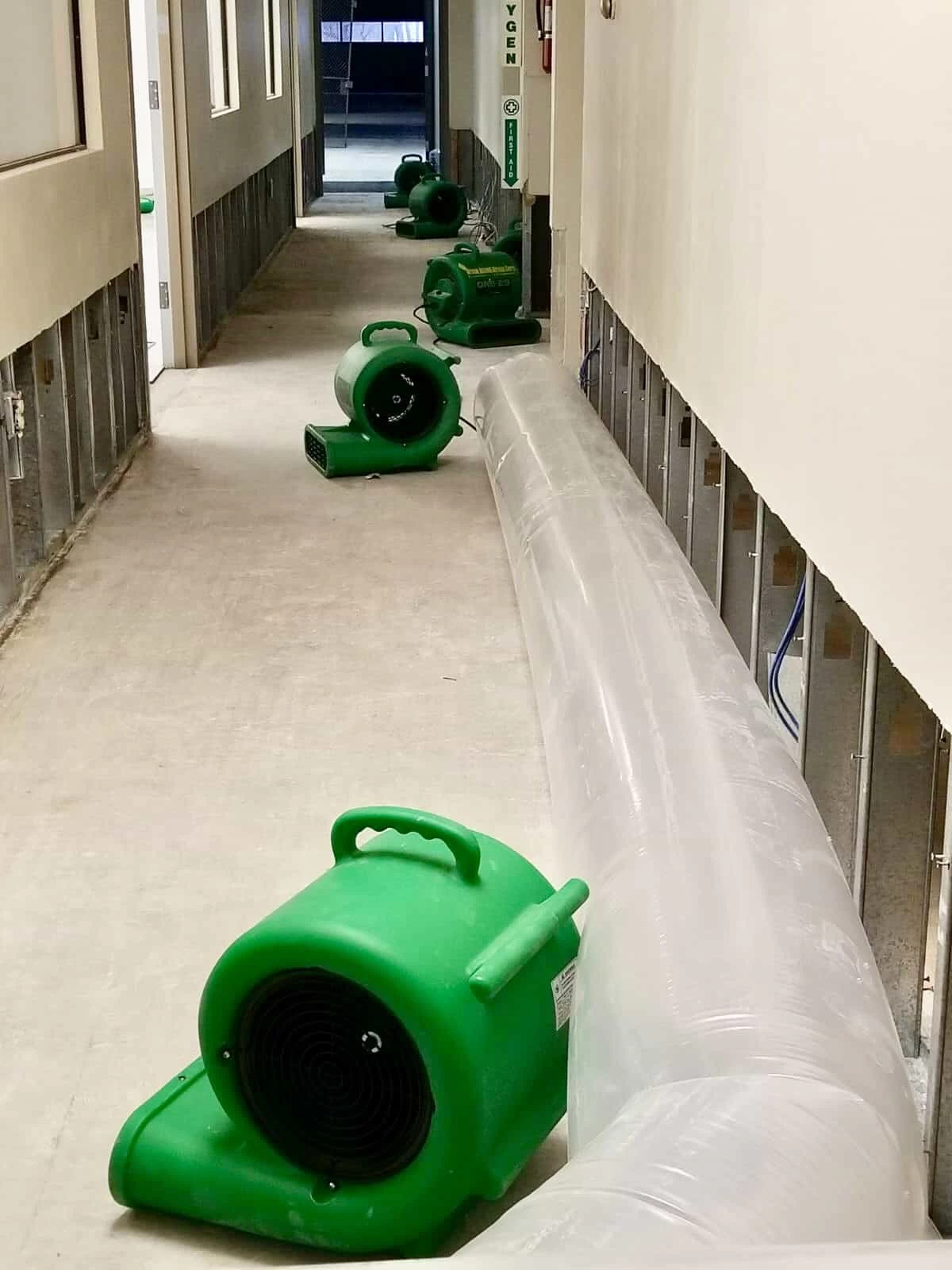
The same goes for flood and storm damage. Amityville Harbor sits in one of the South Shore’s most storm-surge-vulnerable pockets. When a nor’easter or heavy rain saturates your walls and framing, you need someone who can respond fast, remove the damaged material safely, and do it all without leaving you to manage three different contractors. That’s exactly what we do.
We’ve been operating across Long Island and New York City for over 12 years, with more than 5,000 completed projects including residential demolition, commercial interior work, and full-site teardowns throughout Suffolk County. We’re based in Bohemia, about 20 miles east of Amityville along the South Shore corridor. We’re not an out-of-market franchise. We know the Town of Babylon’s building department, we know Suffolk County’s pre-demolition environmental requirements, and we know what’s typically hiding inside a mid-century home on the South Shore.
Our credentials are real and verifiable: active NYS Department of Labor asbestos contractor certification, $2,000,000+ general liability insurance, MWBE certification for public and municipal work, and 24/7 emergency availability. Our clients have called us by name in reviews not because we asked them to, but because the experience was different enough to be worth mentioning. That’s the standard we hold ourselves to whether the job is on a side street off Montauk Highway or a commercial building along the Broadway revitalization corridor in Amityville.
From First Call to Clean Site Here's What to Expect
It starts with a walkthrough and assessment. Before anything gets touched, we evaluate the scope of the project and assess for hazardous materials asbestos, lead paint, mold because in Amityville’s housing stock, that step isn’t optional. Homes built before 1978 require lead paint compliance under New York’s RRP rules, and anything built before 1980 needs asbestos evaluation before demolition begins. We handle that assessment ourselves, so you’re not waiting on a third party before work can start.
Once the assessment is complete, we manage the permit process. That means coordinating with the Town of Babylon Building Department and, when required, the Suffolk County Department of Health Services for pre-demolition environmental clearance. Most homeowners have no idea how many agencies are involved in a straightforward demolition job in this area we do, and we handle it so you don’t have to chase paperwork across multiple offices.
Then the physical work begins. Demolition, abatement if needed, debris removal, and site preparation all in sequence, all under one contract. When the job is done, the site is clean and documented. If your project is insurance-triggered storm damage, flooding, fire we work directly with your insurance company on the claim so that piece of the process doesn’t fall entirely on you.
Commercial Demolition Contractors in Amityville, NY
One License Covers What Most Contractors Can't Touch
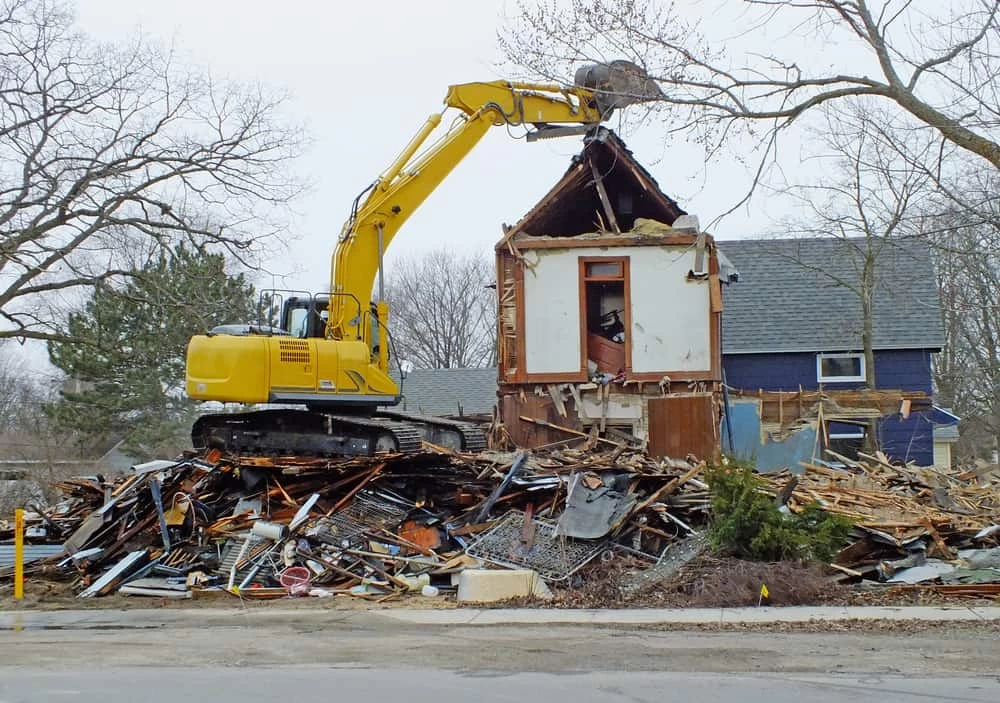
We handle the full range of demolition work in Amityville interior demolition, selective demolition, structural teardown, and full site clearance for both residential and commercial properties. For homeowners, that typically means gut renovations, basement overhauls, or full teardowns of aging structures that have outlived their usefulness. For commercial clients, it means interior buildout prep, mixed-use redevelopment work, and the kind of project-level coordination that larger jobs require.
The Broadway corridor’s active Downtown Revitalization Initiative has put real commercial redevelopment on the table in Amityville building rehabilitation, storefront renovation, mixed-use conversion. Those projects need a licensed, insured demolition contractor with the credentials to work on publicly funded jobs. Our MWBE certification covers that requirement, and our commercial project track record across Suffolk County and NYC backs it up.
What sets our work apart here isn’t just scope it’s integration. Asbestos abatement, lead paint compliance, mold remediation, demolition, debris hauling all of it handled by one company, under one point of contact. In a village where the median home was built in 1959 and coastal flooding creates ongoing damage risk, having a contractor who can legally and competently handle every layer of the job isn’t a luxury. It’s the only way to make sure the project actually gets finished.
Does my Amityville home likely have asbestos before I start a renovation?
If your home was built before 1980 which describes the overwhelming majority of Amityville’s housing stock there’s a real chance asbestos-containing materials are present somewhere in the structure. The most common locations are floor tiles (especially the 9″x9″ vinyl tiles standard in mid-century construction), pipe insulation, ductwork wrap, roofing shingles, and exterior siding. Homes built in the 1940s and 1950s, which make up roughly a third of Amityville’s residential inventory, tend to have the highest concentration.
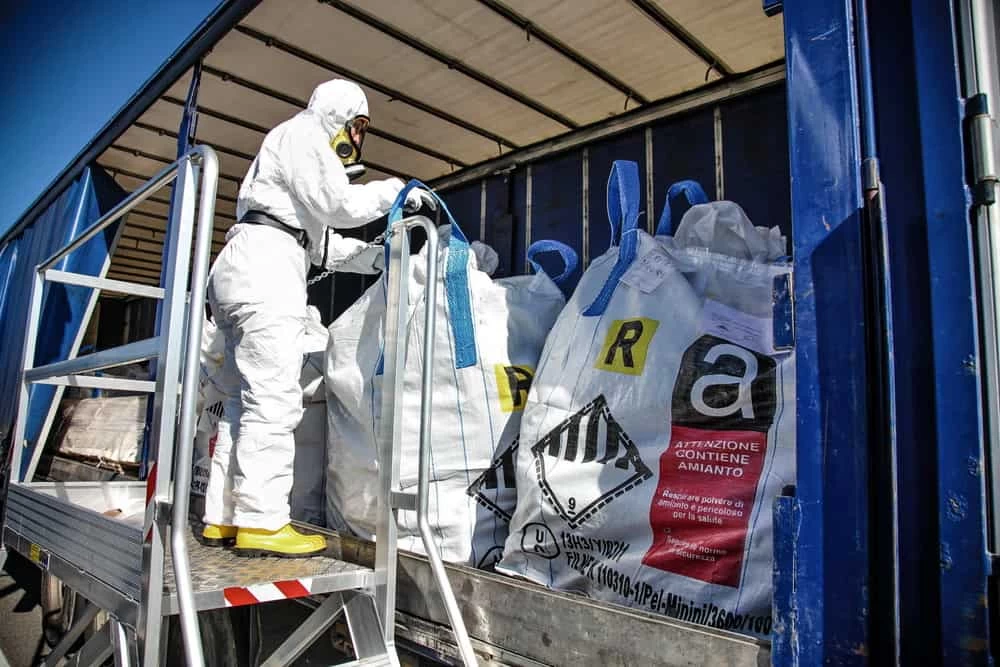
The only way to know for certain is a pre-demolition inspection by a licensed contractor. Under New York State Industrial Code Rule 56, asbestos must be identified and properly abated before any demolition or renovation work disturbs it. That’s not a suggestion it’s a legal requirement. We perform the assessment and handle abatement in-house, so if asbestos is found, your Amityville project doesn’t stop while you wait for a separate company to get involved.
What permits do I need for demolition work in Amityville, NY?
Amityville sits within the Town of Babylon, so demolition permits are issued through the Town of Babylon Building Department. For most structural demolition including interior gut work that involves removing load-bearing elements, exterior walls, or significant portions of a structure a permit is required before work begins. Unpermitted demolition can create serious problems when you go to sell the property or pull future permits, so skipping this step isn’t worth it.
On top of the building permit, projects involving hazardous materials require additional clearance. The Suffolk County Department of Health Services oversees pre-demolition environmental compliance in this area, and NYS Department of Labor asbestos notification requirements apply when regulated asbestos-containing material is present above certain thresholds. If your project also falls under USEPA NESHAP regulations which applies to larger commercial demolitions there’s a federal notification layer as well. We manage all of this coordination, from initial permit application through final inspection sign-off.
How does flooding or storm damage affect the demolition process in Amityville?
Amityville Harbor is one of the South Shore locations most documented for storm surge vulnerability, and low-lying properties near the bay face real and recurring flood risk from nor’easters, tropical storms, and heavy rain events. When water saturates walls, floors, and structural framing, the affected material typically needs to come out quickly both to stop ongoing structural damage and to get ahead of mold growth, which can begin within 24 to 48 hours in wet conditions.
The complication is that water damage demolition in an older Amityville home often uncovers asbestos or lead paint in the materials being removed. A contractor who isn’t licensed for abatement has to stop work at that point. We handle emergency demolition and hazmat abatement together, which means the response doesn’t stall when something unexpected turns up. We operate 24/7, including genuine emergency response if a storm event damages your property tonight, you can reach us tonight.
How much does interior demolition typically cost in Amityville, NY?
Interior demolition costs in Amityville vary depending on the scope of work, the size of the space, and critically whether hazardous materials are present. A straightforward single-room gut in a newer structure might run a few thousand dollars. A full basement overhaul or multi-room renovation in a pre-1960s home, where asbestos abatement and lead paint compliance are factored in, will cost more. The range is wide, which is why a site assessment before quoting is the only honest way to give you a real number.
What’s worth understanding is the hidden cost risk that comes with hiring a contractor who quotes low and isn’t licensed for abatement. When asbestos is discovered mid-project which happens routinely in Amityville’s housing stock that contractor has to stop work and bring in a separate abatement company. You’re now paying two contractors, dealing with a delayed timeline, and potentially paying for re-mobilization costs. Our integrated approach eliminates that scenario. The quote you get reflects the full scope of what the job actually requires.
Can a demolition contractor in Amityville help with an insurance claim after water damage?
Yes and this is an area where the right contractor makes a significant difference. When water damage from a storm or flooding event triggers a demolition scope, the insurance claim process runs parallel to the physical work. Proper documentation of the damage, accurate scope of work descriptions, and clear communication with the adjuster all affect what your policy will cover. If the documentation is incomplete or the scope isn’t described correctly, you can end up with a payout that doesn’t reflect the actual cost of the job.
We work directly with insurance companies on behalf of our clients. That means helping document the damage properly from the start, ensuring the demolition scope aligns with what your policy covers, and staying in communication with the adjuster so you’re not the go-between for every question. For Amityville property owners dealing with coastal flood damage or storm-related structural loss, having a contractor who handles this piece of the process not just the physical demolition takes a significant burden off your plate during an already stressful situation.
Is Green Island Group able to handle commercial demolition projects in Amityville's downtown area?
Yes. We handle commercial demolition throughout Amityville, including interior demolition, selective demolition, and site preparation for mixed-use and commercial redevelopment projects. The Broadway corridor’s active Downtown Revitalization Initiative has created real demand for this type of work building rehabilitation, storefront renovation, and mixed-use conversion projects are all underway or in planning, and each involves a demolition component that requires a licensed, properly insured contractor.
For projects tied to publicly funded DRI work or other municipal contracts, our MWBE certification is directly relevant many public contracts require or prioritize certified minority and woman-owned businesses, and most demolition contractors operating in this market don’t carry that designation. Beyond certification, commercial demolition in Amityville’s older building stock carries the same hazardous material considerations as residential work. Pre-1980 commercial buildings contain asbestos in many of the same locations as homes, and NYS and federal abatement requirements apply equally. Our ability to handle abatement and demolition under one license keeps commercial projects on schedule the same way it does residential ones.