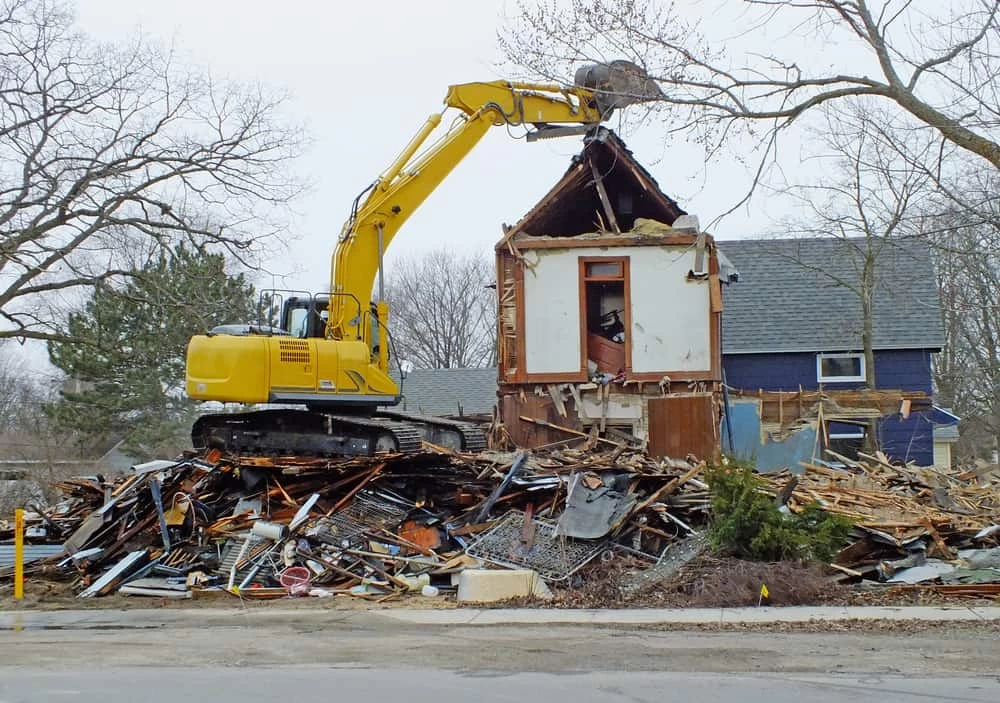
Melville's Mid-Century Homes Deserve More Than a Sledgehammer
Most demolition jobs in Melville uncover something unexpected and how your contractor handles that moment determines everything. We manage the full scope, from asbestos abatement to final debris removal, so your project doesn’t stop when things get complicated.
I needed a professional consultation explanation of procedure for safe removal of Asbestos in my apartment complex. Without having an account yet, I was very impressed with the caring, knowledgeable and generous advice offered by Jessica, and will look forward to doing business in the future. Thank you so much! I feel much more informed about a sometimes scary endeavor. Peace. Nancy Silva Mineola, NY.
Mia Munoz
Used this company to clean up some water flood in my house. They were fast and easy to work with.very professional, Would recommend to anyone!
Nini Valle
Great company, had a flood and they responded quickly and efficiently. Billed my insurance company directly. I highly recommend this company!
joe colapietro, jr
I had pipe freeze in my basement right before a snow storm and they made to within an hour to help start the clean up process. They we by our side throughout the entire process and even helped with the insurance company. They did such a great job with the cleanup, repair, remidiation, I contracted them to perform the repairs and finishes in the basement. They came with enough manpower and material to get the job done. Leo and Jessica were nothing but a pleasure to deal with!!
Cristian Arredondo c
I had some water damage in my home and Green Island was able to take care of my issue quickly and effectively. I am very pleased with the work they did. They responded quickly and were very professional.
Michael M
Outstanding service! From the office to the field crew everyone was friendly, helpful and responsive. I highly recommend Green Island Group.
Your Melville Project Moves Forward No Surprises, No Stoppage
Melville’s residential neighborhoods from Knickerbocker Knolls to the streets surrounding Half Hollow Hills are filled with split-levels and ranch homes built in the 1950s, 60s, and 70s. That era of construction is exactly when asbestos-containing materials were standard. Floor tiles, pipe insulation, ceiling compounds, drywall it was everywhere. When a homeowner in Melville today decides to gut a kitchen or open up a basement, they often don’t know what’s behind those walls until someone starts cutting.
That’s where most demolition contractors hit a wall. They’re not certified to handle what they find, so the project stops, a second contractor gets called in, and your timeline falls apart. We’re licensed for both asbestos abatement and demolition, which means if something turns up mid-project, we handle it in-house and keep moving. No second crew. No project shutdown. No scrambling.
On the commercial side, the Route 110 corridor is actively being redeveloped under the Town of Huntington’s Melville Town Center Overlay District. Vacant office buildings and aging industrial properties are being cleared for new use and that work requires a contractor who understands commercial-scale demolition, municipal permitting, and environmental compliance. That’s exactly what we do.
12 Years In, 5,000 Projects Deep Right Here in Suffolk County
We’ve been operating out of Bohemia, NY right here in Suffolk County, just minutes from Melville for over 12 years. We’re not a national franchise routing calls through a dispatch center. We’re a local company that knows the difference between a Huntington Town demolition permit and a Nassau County application, because we’ve filed both. We’ve completed more than 5,000 projects across Long Island and New York City, and our team holds active NYS Department of Labor asbestos contractor certification alongside $2M+ general liability coverage. That combination hazmat licensing plus full demolition capability is what separates us from most contractors working in this area.
Whether you’re a homeowner on Old Country Road in Melville planning a major renovation or a facility manager overseeing a commercial buildout near Maxess Road, you’re working with a team that’s handled the full range of what Long Island construction throws at you. We know this market. We know this county. And we know how to get your project done without handing you a list of problems to solve yourself.
What Actually Happens From First Call to Final Walkthrough
It starts with a site assessment. Before any work begins, we evaluate the property structure, materials, scope and identify anything that requires pre-demolition attention. For homes built before 1980, that almost always includes an asbestos survey. In New York State, this isn’t optional. It’s a legal requirement before a demolition permit can be approved, and skipping it creates liability that falls on the property owner, not just the contractor.
Once the assessment is complete, we handle the permitting. In Melville, that means submitting your Demolition Permit application Form 87-04 to the Town of Huntington’s Department of Engineering Services at Town Hall in Huntington. We’ve done this before. We know what the department requires, what triggers a performance bond, and how to keep the application moving without unnecessary delays.
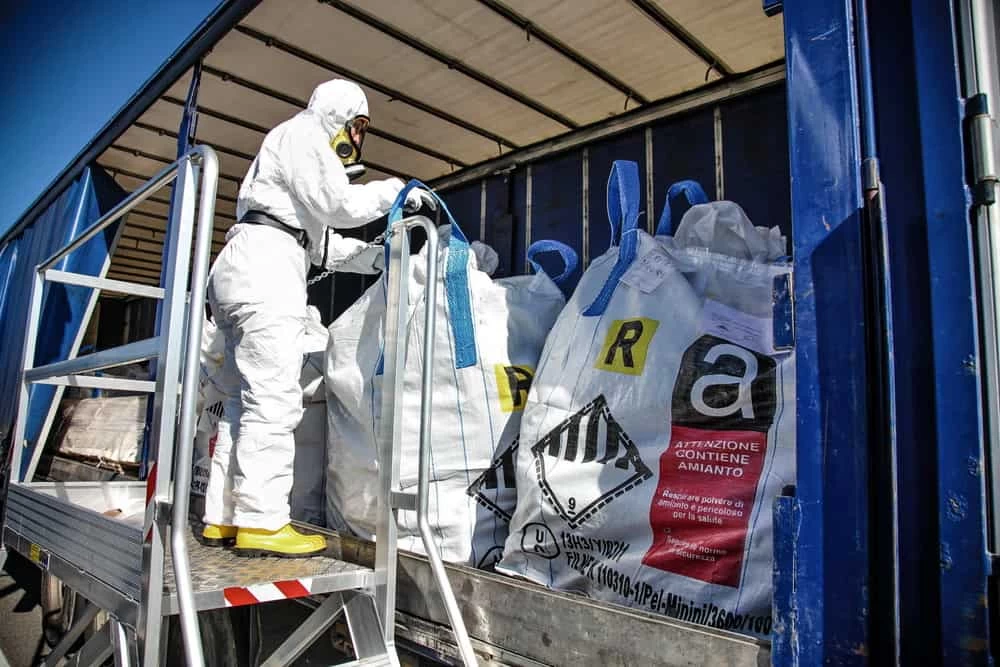
From there, the physical work begins. If abatement is needed, we complete it first, document it properly, and then proceed with demolition. Debris is removed and disposed of in compliance with Suffolk County and state regulations. At the end, you get a clean site, proper documentation, and no open compliance issues. For emergency situations a burst pipe in February, fire damage, storm debris we’re available 24 hours a day, and we’ve shown up within the hour when it mattered.
Commercial and Residential Demolition Contractor Melville
Full-Scope Demolition Built for What Melville Actually Needs
Residential demolition in Melville covers more ground than most homeowners expect going in. Interior gut work, selective wall removal, full structural teardowns, garage demolition, basement conversions we handle all of it. And because a significant portion of Melville’s housing stock predates 1980, we build asbestos assessment and abatement into our process from the start rather than treating it as an afterthought. Homeowners in the Half Hollow Hills area and throughout the 11747 ZIP code have come to expect this level of preparation, and we don’t show up without it.
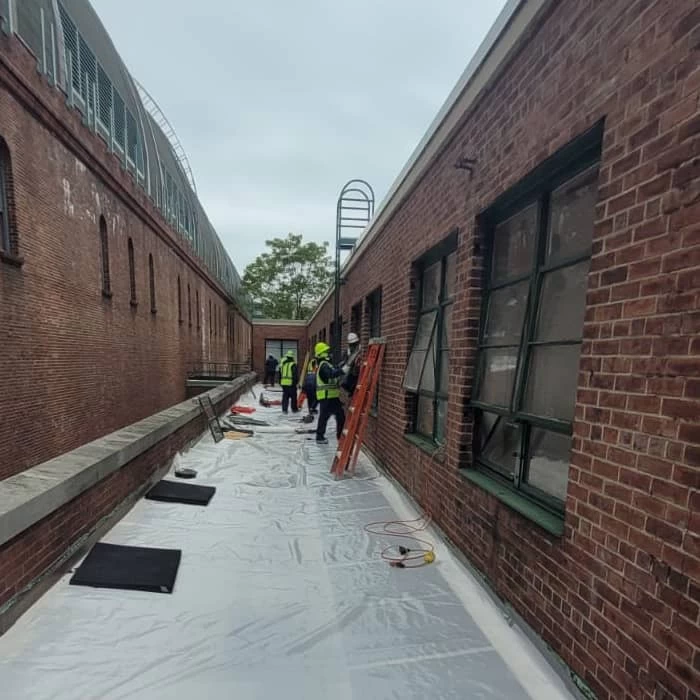
On the commercial side, we work with property managers, developers, and corporate facility teams across the Route 110 corridor. Interior office demolition, industrial building clearance, site preparation for redevelopment these projects require a contractor with verified credentials, proper insurance, and the ability to manage the full permit process with the Town of Huntington. Our MWBE certification also makes us eligible for public agency and municipal projects, which matters as the Melville Town Center Overlay District continues to move forward.
We also handle the situations that don’t follow a schedule. Water damage, fire damage, and storm damage often require immediate demolition of compromised materials before mold sets in or structural risk increases. Our 24/7 availability isn’t a marketing line it’s documented in the reviews of clients who called us on a Sunday night and had a crew on-site before Monday morning.
Do I need a demolition permit for my Melville, NY home renovation?
Yes and the permit process in Melville runs through the Town of Huntington, not a village building department. Melville is an unincorporated hamlet, so all demolition permits are handled by the Town of Huntington’s Department of Engineering Services at 100 Main Street in Huntington. You’ll need to submit Form 87-04, and depending on the scope of the project, the Town may require a performance bond of up to $50,000.
Beyond the permit itself, New York State requires a pre-demolition asbestos survey before any permit can be approved for structures that may contain asbestos-containing materials. For most homes in Melville built before 1980, that survey is not optional it’s a legal prerequisite. We handle both the survey coordination and the permit application as part of our process, so you’re not navigating the Town of Huntington’s requirements on your own.
What happens if asbestos is found during a demolition project in my home?
If asbestos is identified during a pre-demolition survey or discovered mid-project, work in the affected area must stop until the material is properly abated by a licensed contractor. In New York State, asbestos abatement requires a specific NYS Department of Labor license it’s not something a general demolition crew can handle without that certification.
This is one of the most common points where renovation projects in Melville go sideways. A homeowner hires a demolition contractor, asbestos turns up in the floor tiles or pipe insulation of their 1960s ranch, and suddenly the contractor can’t legally continue. We hold active NYS DOL asbestos contractor certification, which means we can abate and demolish under one roof. The project doesn’t stop. We document the abatement properly, clear the area, and continue with demolition all within the same scope of work you hired us for.
How much does interior demolition typically cost for a home in Melville?
Interior demolition costs in Melville vary based on the size of the space, the materials involved, and whether hazardous materials like asbestos or lead paint are present. For a standard kitchen or bathroom gut in a mid-century home, you’re generally looking at a range that reflects both labor and disposal costs and in Suffolk County, disposal fees are a real line item that some contractors underquote upfront.
What tends to drive costs higher in Melville specifically is the age of the housing stock. Homes built in the 1950s through 1970s frequently contain materials that require licensed handling before demolition can proceed. If your contractor doesn’t factor that into their initial estimate, you’ll see it as a change order later. We build the assessment into our process from the start, which means our estimates reflect the actual scope of the job not just the easy parts.
Can a demolition contractor handle both asbestos removal and demolition in New York?
Yes, but only if they hold the appropriate NYS Department of Labor asbestos contractor license in addition to their general demolition credentials. Most demolition contractors in Suffolk County do not hold this license because obtaining and maintaining it requires certified personnel, specific equipment, and ongoing compliance with NYS DOL regulations. It’s a meaningful barrier that most smaller or generalist contractors haven’t cleared.
We hold active asbestos contractor certification and have performed combined abatement-and-demolition projects throughout Long Island. This matters practically because it eliminates the gap that typically appears when a demolition crew discovers regulated materials and has to pause the project while a separate abatement company is brought in. For Melville homeowners managing a renovation on a timeline or commercial clients with tenant obligations that gap is expensive. Having one contractor handle both removes it entirely.
How does weather in Melville affect demolition project timing and scheduling?
Melville’s winters are real. Freeze-thaw cycles from December through March affect both scheduling and the condition of the structures being demolished. Frozen ground can complicate foundation work and debris removal. More practically, burst pipes during cold snaps a common occurrence in Melville’s older housing stock often create emergency situations where water-damaged materials need to be removed quickly to prevent mold growth from taking hold.
For planned projects, late spring through early fall is generally the most predictable window for exterior demolition work. Interior demolition can proceed year-round, though winter scheduling sometimes requires more flexibility around weather delays. For emergency situations regardless of season, we’re available 24/7 and that’s not a claim we make lightly. It’s reflected in actual client experiences where we’ve responded to storm and water damage calls the same night they came in.
What should I look for when hiring a demolition contractor in Melville, NY?
The two credentials that matter most in this market are NYS DOL asbestos contractor licensing and adequate general liability insurance at minimum $2,000,000 in coverage. Given the age of Melville’s residential housing stock, any contractor who can’t demonstrate asbestos certification is a liability risk on any pre-1980 property. And given the value of homes in this area median values above $850,000 working with a contractor who carries insufficient insurance is a risk that simply isn’t worth taking.
Beyond credentials, look for a contractor who handles the permit process with the Town of Huntington directly, not one who hands you a list of things to file yourself. The Department of Engineering Services has specific requirements, and an experienced contractor should know them without being walked through it. Finally, check whether the contractor has verifiable experience with commercial work if your project is on the Route 110 corridor or involves a property under the Melville Town Center Overlay District those projects carry additional regulatory layers that not every contractor is prepared for.