Riverhead's Older Buildings Deserve More Than a Wrecking Ball
From pre-war Main Street structures to mid-century homes in Jamesport demolition in Riverhead comes with layers most contractors aren’t equipped to handle. Green Island Group is.
I needed a professional consultation explanation of procedure for safe removal of Asbestos in my apartment complex. Without having an account yet, I was very impressed with the caring, knowledgeable and generous advice offered by Jessica, and will look forward to doing business in the future. Thank you so much! I feel much more informed about a sometimes scary endeavor. Peace. Nancy Silva Mineola, NY.
Mia Munoz
Used this company to clean up some water flood in my house. They were fast and easy to work with.very professional, Would recommend to anyone!
Nini Valle
Great company, had a flood and they responded quickly and efficiently. Billed my insurance company directly. I highly recommend this company!
joe colapietro, jr
I had pipe freeze in my basement right before a snow storm and they made to within an hour to help start the clean up process. They we by our side throughout the entire process and even helped with the insurance company. They did such a great job with the cleanup, repair, remidiation, I contracted them to perform the repairs and finishes in the basement. They came with enough manpower and material to get the job done. Leo and Jessica were nothing but a pleasure to deal with!!
Cristian Arredondo c
I had some water damage in my home and Green Island was able to take care of my issue quickly and effectively. I am very pleased with the work they did. They responded quickly and were very professional.
Michael M
Outstanding service! From the office to the field crew everyone was friendly, helpful and responsive. I highly recommend Green Island Group.
No Surprise Shutdowns. No Second Contractors. No Delays.
Here’s what actually goes wrong on demolition jobs in Riverhead: a contractor starts swinging, asbestos turns up in the walls of a pre-1980 structure off Route 25, and everything stops. A second contractor has to be called in. The permit clock is still running. Your timeline collapses, and your budget follows. That scenario is avoidable but only if you hire a contractor who can handle the full scope before work ever begins.
Riverhead’s building stock is older than most people realize. The downtown hamlet has been a commercial center since the 1700s, and a significant portion of the residential neighborhoods in Jamesport, Aquebogue, and the hamlet center were built before 1980. That means asbestos-containing materials, lead paint, and aging infrastructure are common not rare. A contractor who isn’t certified to handle those materials in-house isn’t the right fit for this market.
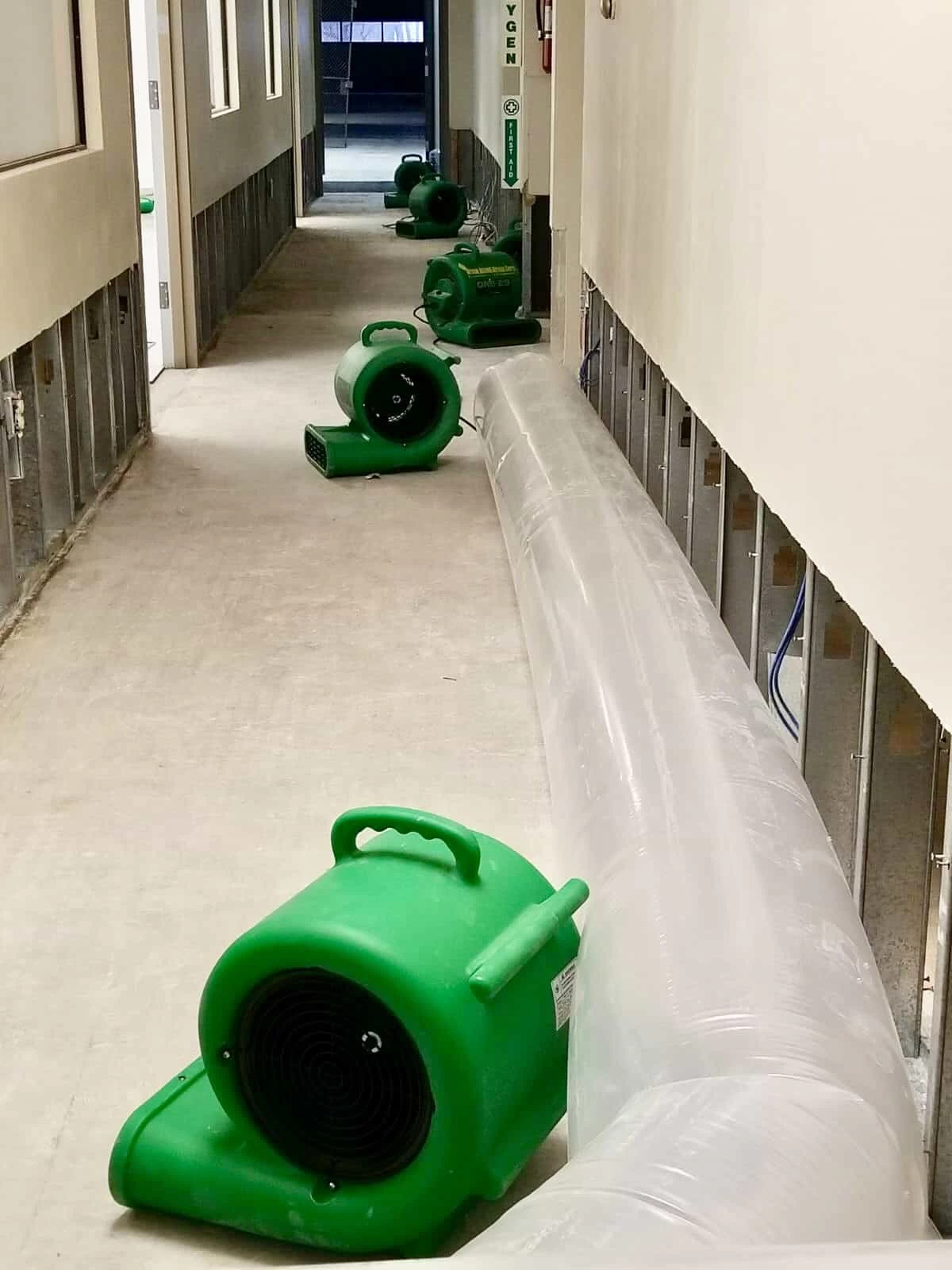
Then there’s the flood exposure. Riverhead sits at the mouth of the Peconic River, and nor’easters and spring flooding regularly damage structures in the downtown area and in coastal hamlets like Wading River and Baiting Hollow. When water damage requires emergency demolition before restoration can begin, you need someone who picks up the phone at midnight and shows up within the hour. That’s what our reviews actually say.
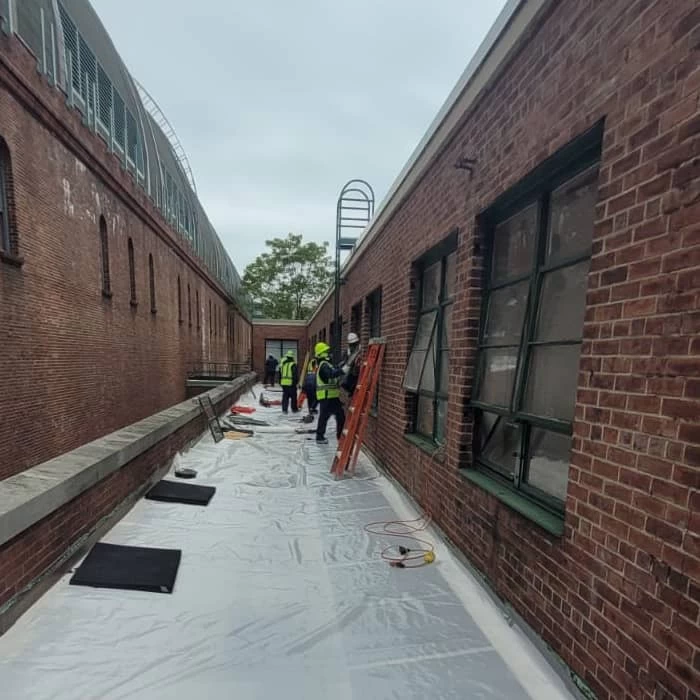
We’re headquartered in Bohemia, NY right here in Suffolk County. We’re not a Nassau County company reaching east or a New York City contractor learning this market on your project. We already serve Riverhead across demolition, asbestos abatement, and flood restoration, and we know the difference between a routine teardown on a Calverton property and a historic commercial structure on Main Street that requires a completely different approach.
Over 12 years in business. More than 5,000 completed projects across Long Island and New York City. Active NYS Department of Labor asbestos certifications. $2M+ general liability insurance. And MWBE certification which matters if your project is tied to any of the $37 million in active public redevelopment funding flowing through Riverhead’s downtown right now.
We also handle the paperwork. The Town of Riverhead’s permit process requires site plan approval before a demolition permit is even issued plus separate disconnect letters from the electric utility, the Riverhead Water District, and the Riverhead Sewer District. We manage all of it so your project doesn’t stall before it starts.
What Actually Happens From First Call to Final Clearance
It starts with a site assessment. Before anything is quoted or scheduled, we walk the property and evaluate what we’re actually dealing with structure type, age, materials, access, and any indicators of hazardous materials. In Riverhead, that assessment almost always includes a hard look at asbestos and lead paint risk, especially in pre-1980 structures. If regulated materials are present, we handle the abatement in-house before demolition begins. No subcontractors, no handoffs, no gaps.
From there, we manage the permit process with the Town of Riverhead Building Department. That means coordinating site plan approval, pulling the demolition permit under Chapter 217 of the Town Code, and securing disconnect letters from all three required utility entities. If a Suffolk County Department of Health Services survey is required, we handle that too. Most property owners don’t realize how many steps are involved until they try to do it themselves we’ve done it enough times to move through it efficiently.
Once permits are cleared and utilities are disconnected, demolition proceeds on a defined schedule. Debris is disposed of in full compliance with Town of Riverhead and NYSDEC regulations. If your project involves insurance flood damage, storm damage, fire we work directly with your adjuster and document the scope of work throughout. When the job is done, the site is clean, the paperwork is complete, and you’re ready for whatever comes next.
Commercial and Residential Demolition Riverhead NY
Every Scope Covered From Barn Removal to Downtown Teardowns
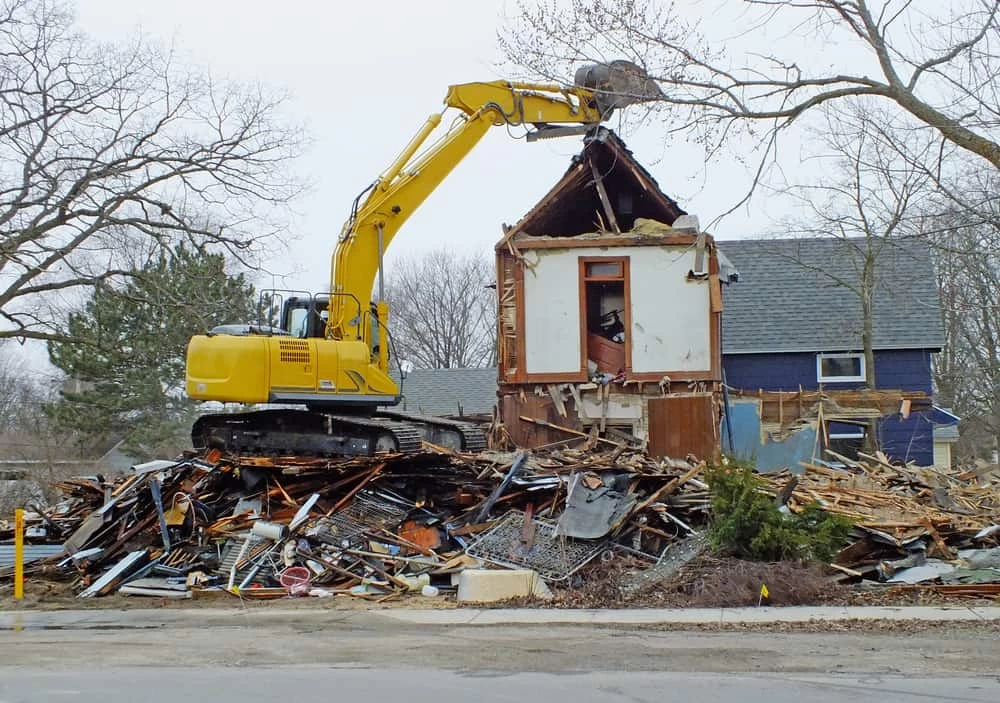
Riverhead isn’t a one-size-fits-all demolition market. The town spans everything from historic commercial structures in the downtown hamlet to agricultural properties in Jamesport and Baiting Hollow to suburban residential neighborhoods feeding into the LIE corridor. We handle all of it residential demolition, commercial demolition, interior selective demolition, agricultural structure removal, and full site preparation.
For residential clients, that typically means whole-house teardowns or interior gut demolitions in homes where hazardous materials need to be assessed and removed before any structural work begins. For commercial clients along Route 58 or in the downtown revitalization zone, it means working within tighter timelines, coordinating with adjacent tenants or businesses, and meeting the documentation requirements that come with publicly funded projects. For agricultural property owners in Calverton, Aquebogue, or Wading River, it means barn demolitions and outbuilding removals that involve older roofing and siding materials often asbestos-containing that require proper handling before the structure comes down.
We also respond 24/7 to emergency demolition calls. Riverhead’s position on the Peconic River and its coastal hamlets’ exposure to Long Island Sound mean storm and flood damage is a recurring scenario here. When it happens, we respond immediately. We’ve helped Riverhead-area property owners navigate flood damage demolition, insurance documentation, and the transition from teardown to restoration all under one contractor relationship, without the delays that come from managing multiple vendors.
Do I need a permit to demolish a structure in Riverhead, NY?
Yes and the process in Riverhead involves more steps than most property owners expect. The Town of Riverhead Building Department issues demolition permits under Chapter 217 of the Town Code, but before that permit can be issued, you need site plan approval. That’s a step that catches a lot of people off guard, especially if they assume demolition is a straightforward pull-and-go permit.
On top of site plan approval, you’ll need disconnect letters from three separate entities: your electric utility, the Riverhead Water District, and the Riverhead Sewer District. If hazardous materials like asbestos may be present which is a real possibility in any pre-1980 structure in Riverhead a Suffolk County Department of Health Services survey is also required. Permit fees are $75 for structures up to 1,000 square feet and $110 for structures over 1,000 square feet, and permits expire after six months. We manage this entire process on your behalf so nothing gets missed and your timeline stays on track.
What happens if asbestos is found during demolition in Riverhead?
If a contractor discovers asbestos mid-demolition and isn’t certified to handle it, work stops entirely. That’s not a minor inconvenience it means a full project shutdown while a second, licensed abatement contractor is brought in, re-mobilized, and scheduled. In a market like Riverhead, where a significant portion of the housing stock and downtown commercial buildings predate 1980, this isn’t a fringe scenario. It’s a common one.
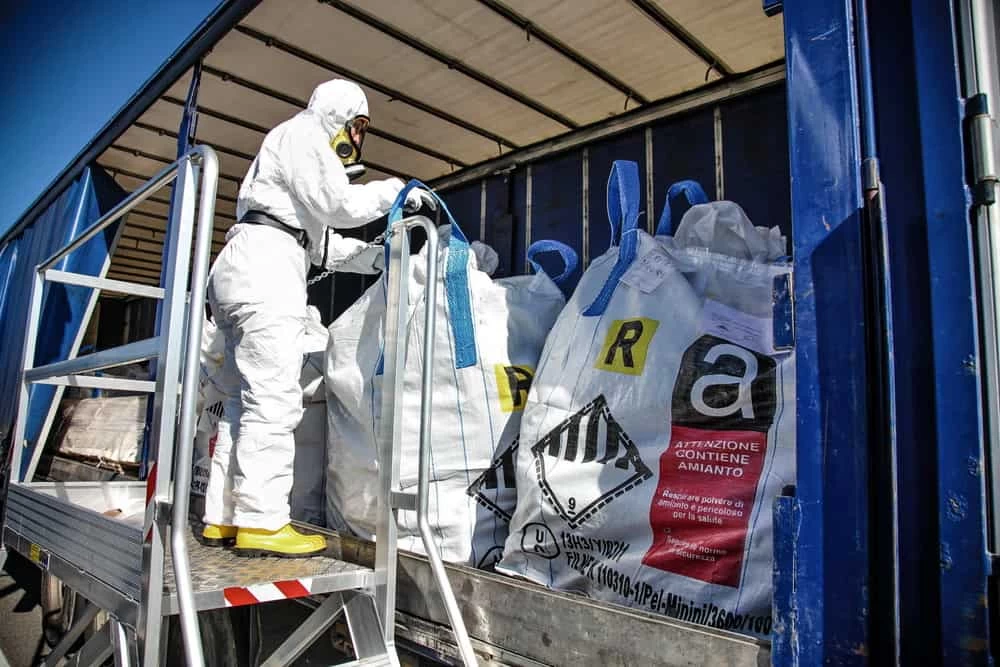
We hold active NYS Department of Labor asbestos certifications, which means we handle abatement in-house alongside the demolition itself. We identify the risk during the initial site assessment, test where necessary, and abate before any structural demolition begins. You don’t end up with a half-demolished structure, a stopped permit clock, and two separate contractors to coordinate. The work moves forward under one plan, one timeline, and one point of accountability.
How does Riverhead's flood zone status affect the demolition process?
Riverhead has FEMA-designated Special Flood Hazard Areas, particularly along the Peconic River waterfront and in coastal hamlets like Wading River and Baiting Hollow. If your property falls within one of these zones and the structure has been substantially damaged by flooding, storm surge, or a nor’easter FEMA’s Substantial Damage rules may apply. That means the structure may need to be rebuilt to current flood zone standards before reconstruction can proceed, not just repaired.
This changes how the demolition is documented, what gets reported to the Town of Riverhead, and how the scope of work is framed for your insurance claim. A contractor who doesn’t understand these rules can inadvertently create compliance problems that delay your rebuild or affect your FEMA flood insurance coverage. We’ve worked on flood-damaged properties in Riverhead’s flood zone areas and understand how to document and execute the demolition in a way that keeps you on the right side of both the town’s Flood Damage Prevention regulations and your insurance policy.
How much does a demolition permit cost in Riverhead, and how long does it take?
The Town of Riverhead’s demolition permit fees are straightforward: $75 for structures up to 1,000 square feet, and $110 for structures over 1,000 square feet. The fees themselves are the easy part. The timeline is where projects can slow down if the pre-permit steps aren’t handled correctly.
Before the Building Department issues your permit, site plan approval must be in place. Then utility disconnects need to be confirmed in writing from the electric provider, the Riverhead Water District, and the Riverhead Sewer District three separate entities that each operate on their own schedule. If a Suffolk County Health Department survey is required, that adds another coordination step. In total, the pre-permit process can take several weeks if you’re navigating it for the first time. Once issued, the permit is valid for six months. We’ve been through this process enough times with the Town of Riverhead that we know how to sequence everything efficiently and avoid the delays that come from missing a step or submitting incomplete documentation.
Can a demolition contractor in Riverhead also handle asbestos and lead paint removal?
Not all of them and that distinction matters more in Riverhead than in a lot of other Long Island towns. The combination of pre-war commercial buildings in the downtown hamlet, mid-century residential neighborhoods throughout the hamlets, and aging agricultural structures in Calverton, Jamesport, and Aquebogue means the odds of encountering asbestos-containing materials or lead paint are genuinely high. Hiring a demolition-only contractor and discovering hazmat mid-project is a situation you want to avoid.
We’re certified for both asbestos abatement and lead paint removal under NYS Department of Labor requirements. We assess for both during the initial site walkthrough, conduct testing where warranted, and handle the abatement before demolition begins. This integrated approach is what separates a smooth project from one that gets shut down halfway through. If you’re dealing with a pre-1980 structure anywhere in Riverhead residential or commercial this should be one of the first questions you ask any contractor you’re considering.
Does Green Island Group work with insurance companies on demolition claims in Riverhead?
Yes, and for a lot of Riverhead property owners, this is one of the most important things we do. Flood damage from Peconic River overflow, storm damage from nor’easters, and water intrusion from coastal exposure in hamlets like Wading River and Baiting Hollow are real, recurring events here. When they happen, the demolition is only part of the problem the insurance claim process is where many homeowners get stuck.
We work directly with insurance adjusters on behalf of our clients. That means documenting the damage thoroughly, justifying the scope of demolition work in terms that align with how insurance policies are written, and keeping the claim moving forward while the physical work gets done. Our reviews specifically mention this not just the speed of our response, but the role we played in helping clients navigate the paperwork side of a stressful situation. If your demolition need is insurance-driven, you don’t need to manage that process alone.