When Your Stony Brook Home Has More Hidden Inside Than You Bargained For
Most homes in Stony Brook were built in the 1960s and 70s and they don’t give up their asbestos, lead paint, or structural surprises without a fight. We handle demolition and hazmat abatement under one roof, so your project doesn’t stall when something turns up.
I needed a professional consultation explanation of procedure for safe removal of Asbestos in my apartment complex. Without having an account yet, I was very impressed with the caring, knowledgeable and generous advice offered by Jessica, and will look forward to doing business in the future. Thank you so much! I feel much more informed about a sometimes scary endeavor. Peace. Nancy Silva Mineola, NY.
Mia Munoz
Used this company to clean up some water flood in my house. They were fast and easy to work with.very professional, Would recommend to anyone!
Nini Valle
Great company, had a flood and they responded quickly and efficiently. Billed my insurance company directly. I highly recommend this company!
joe colapietro, jr
I had pipe freeze in my basement right before a snow storm and they made to within an hour to help start the clean up process. They we by our side throughout the entire process and even helped with the insurance company. They did such a great job with the cleanup, repair, remidiation, I contracted them to perform the repairs and finishes in the basement. They came with enough manpower and material to get the job done. Leo and Jessica were nothing but a pleasure to deal with!!
Cristian Arredondo c
I had some water damage in my home and Green Island was able to take care of my issue quickly and effectively. I am very pleased with the work they did. They responded quickly and were very professional.
Michael M
Outstanding service! From the office to the field crew everyone was friendly, helpful and responsive. I highly recommend Green Island Group.
No Stop-Work Orders. No Surprise Bills. No Second Contractor Called to Stony Brook.
Here’s what most homeowners in Stony Brook don’t find out until it’s too late: the demo contractor they hired can’t legally touch the asbestos they just uncovered. Now the project is frozen, a second company needs to be called in, and the timeline along with the budget is completely blown. That’s not a rare scenario in this area. It’s the norm for homes built before 1980, which describes the majority of the residential housing stock south of Route 25A.
When you work with a contractor who handles abatement and demolition in-house, that scenario doesn’t happen. The asbestos gets identified, the licensed abatement gets done, and the demolition continues no handoff, no gap in liability, no waiting on a second crew to show up. For a home worth $766,000 or more, the cost of getting this wrong isn’t abstract.
Stony Brook’s position on Long Island Sound also means storm damage is a real and recurring driver of demolition work not just planned renovations. The August 2024 storm that wiped out the Mill Pond and damaged six houses in the hamlet alone is a recent reminder of that. When a structure is compromised and needs to come down fast, you need a contractor who’s available around the clock and can actually move not one who calls you back two days later.
We’re based in Bohemia, NY right here in Suffolk County, a short drive from Stony Brook down Nicolls Road. Over the past 12-plus years, we’ve completed more than 5,000 projects across Long Island and New York City, handling everything from full structural teardowns to interior gut demolition and environmental abatement. This isn’t a company that subcontracts the hard parts out. Asbestos abatement, lead paint removal, mold remediation, and demolition are all handled directly by our own certified crews, under our own licenses.
What customers consistently point to in reviews isn’t just the quality of the work it’s that someone actually picks up when they call. Named staff, real communication, and direct help navigating insurance claims after water or storm damage. In a market like the Three Village area, where homeowners are making serious financial decisions about high-value properties, that kind of accountability matters more than most contractors want to admit.
From the First Call to a Clean, Permitted Site Here's the Real Process
It starts with a site assessment. Before anything comes down, we evaluate the structure, identify any regulated materials asbestos, lead paint, mold and scope the full project. In Stony Brook, where the bulk of residential housing was built between the 1950s and 1970s, this step almost always turns up something that needs to be addressed before physical demolition can begin. Skipping it isn’t an option under New York State law, and any contractor who tells you otherwise isn’t someone you want on your property.
Once the scope is confirmed, we pull permits through the Town of Brookhaven Building Division. Demolition permits in Brookhaven are valid for 90 days from the date of issuance which means the clock starts the moment that permit is approved. We manage the entire permitting process, including any additional approvals that may be required depending on your project’s complexity. You don’t have to learn the Town of Brookhaven’s permit system. That’s already handled.
From there, abatement is completed first if regulated materials are present, followed by the physical demolition, debris removal, and site preparation. The goal at the end isn’t just a cleared lot or gutted interior it’s a site that’s clean, documented, and ready for whatever comes next, whether that’s a renovation, a rebuild, or a sale.
Residential and Commercial Demolition in Stony Brook
Full-Scope Demolition Built for What Stony Brook Homes Actually Contain
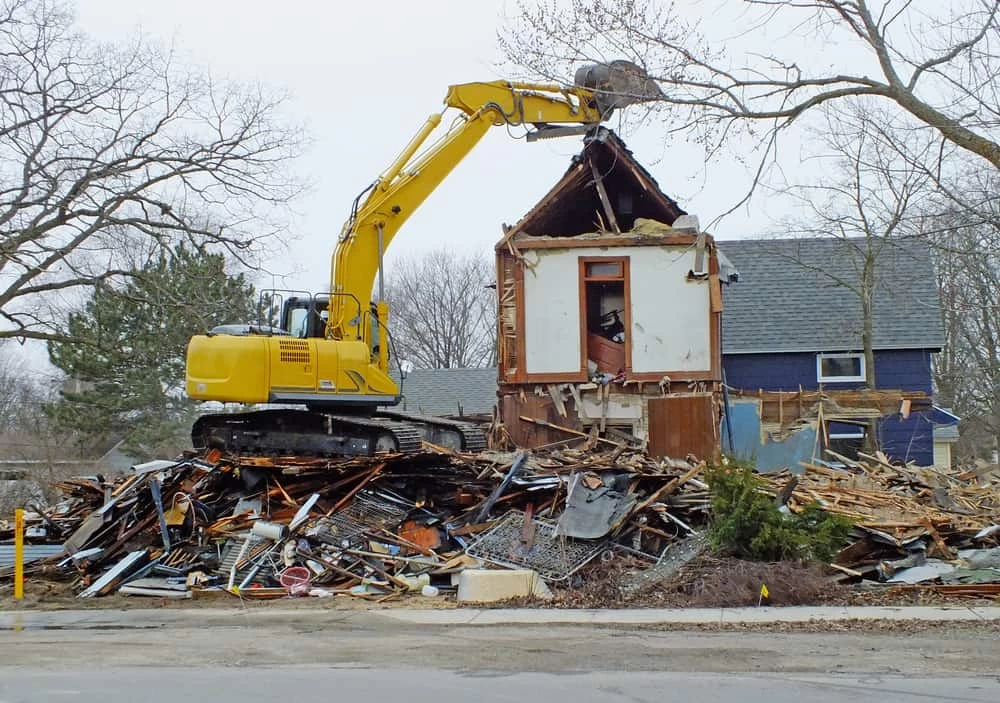
We handle the full range of demolition work residential teardowns, interior gut demolition, selective structural demo, and commercial projects. But what separates us from a standard demolition company is the environmental side. Asbestos abatement, lead paint removal, and mold remediation are performed in-house by NYS Department of Labor-certified crews. For homeowners in Stony Brook’s post-war southern sections the ranch homes and Cape Cods built in the 60s and 70s that integrated capability isn’t a bonus feature. It’s a necessity.
For properties in the historic northern sections of the hamlet, near the Village Center or the Stony Brook Historic District, the work requires a different kind of care. Selective demolition removing what needs to go while protecting the architectural elements that define the property’s character and value is part of our service. The Ward Melville-era structures and older Colonials in this area aren’t just homes; they’re significant assets with preservation considerations that a blunt-force approach would damage.
We also carry the $2 million in general liability insurance required for demolition contractors in New York, hold active NYS DOL asbestos contractor certification, and operate 24/7 for emergency response. If your project involves an insurance claim storm damage, water damage, fire our team has direct experience working with insurance companies on documentation and claim coordination, which is something Stony Brook homeowners dealing with coastal flood damage have found genuinely useful.
Do I need a permit for demolition work in Stony Brook, NY?
Yes all demolition work in Stony Brook falls under the Town of Brookhaven’s jurisdiction, and a demolition permit is required before any work begins. Applications go through the Brookhaven Building Division, and once approved, that permit is valid for 90 days. That’s a tighter window than many homeowners expect, which is why having a contractor who can mobilize and execute efficiently matters.
Depending on the scope of your project, additional requirements may apply a bond to guarantee demolition when a new structure is being built on the same lot, a new survey, electrical inspection, or approvals from other agencies before a Certificate of Occupancy is issued. We handle the permit application and coordinate with the Town throughout the process, so you’re not navigating the Building Division’s requirements on your own while also trying to manage a construction timeline.
How do I know if my Stony Brook home has asbestos before demolition?
The honest answer is: if your home was built before 1980, there’s a strong chance it does. The majority of Stony Brook’s residential housing stock particularly in the post-war sections south of Route 25A was built during the 1950s, 60s, and 70s, when asbestos was standard in pipe insulation, floor tiles, roofing shingles, ceiling tiles, and drywall joint compound. You won’t know for certain until a licensed inspector tests for it, but the odds are not in your favor if the home is from that era.
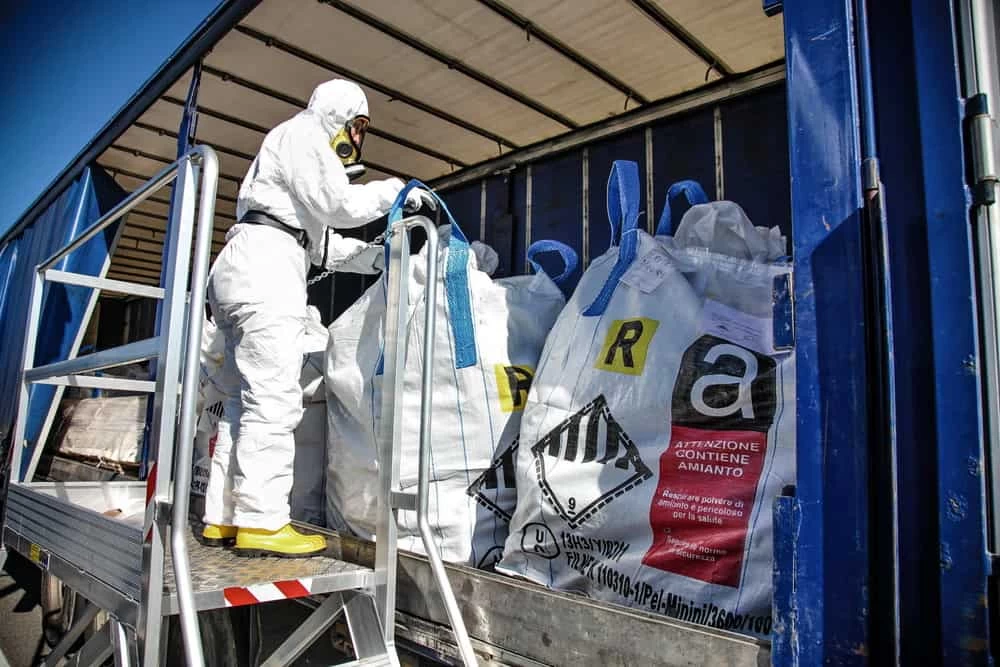
Under New York State Industrial Code Rule 56, any demolition involving regulated asbestos-containing materials requires licensed abatement before physical demolition can proceed. That means if asbestos is found and your contractor isn’t certified to handle it, your project stops until someone who is certified shows up. We perform environmental testing and NYS DOL-certified abatement in-house, so if asbestos is found during assessment, the project keeps moving without bringing in a second company.
What happens if asbestos is found after demolition has already started?
If asbestos is discovered mid-demolition which does happen, particularly in older Stony Brook homes where it wasn’t fully identified during the initial walkthrough work on the affected area has to stop immediately under New York State law. The site needs to be secured, and licensed abatement has to be completed before demolition can resume. This is exactly the scenario that causes projects to blow up in cost and timeline when a contractor isn’t equipped to handle it in-house.
With us, the response to an unexpected asbestos find doesn’t require calling a separate company, waiting for availability, or renegotiating a scope of work with a third party. Our certified abatement crew is the same team already on your project. The work gets documented properly for regulatory compliance, the abatement is completed, and demolition picks back up. It’s not a seamless situation finding asbestos mid-project never is but it’s a manageable one when the contractor can handle both sides.
How much does demolition typically cost for a home in Stony Brook, NY?
Demolition costs vary depending on the size of the structure, the scope of work, what’s found during the environmental assessment, and what the Town of Brookhaven requires in terms of permits and approvals. A full residential teardown on a standard Stony Brook lot will typically run differently than an interior gut demolition or selective structural demo and any project involving asbestos abatement will add cost depending on the quantity and type of regulated materials present.
What tends to catch homeowners off guard isn’t the base demolition cost it’s the add-ons that weren’t accounted for upfront: permit fees, abatement, debris disposal, and site preparation. In Stony Brook, where average home values are approaching $766,000, the temptation to go with the lowest quote can be expensive in the long run if that quote doesn’t include the full scope. We scope projects comprehensively from the start, so what you’re quoted reflects the actual work not a number designed to get in the door before the real costs appear.
Can a demolition contractor in Stony Brook help with storm or flood damage?
Yes and given Stony Brook’s location on Long Island Sound, this comes up more than people expect. The August 2024 storm that dropped nearly 10 inches of rain on the hamlet, wiped out the Mill Pond, and damaged six houses in the area was a stark example of what coastal exposure looks like in practice. Nor’easters, coastal flood warnings, and storm surge events are recurring realities here, and when a structure is compromised, the need for demolition response isn’t something you can schedule weeks out.
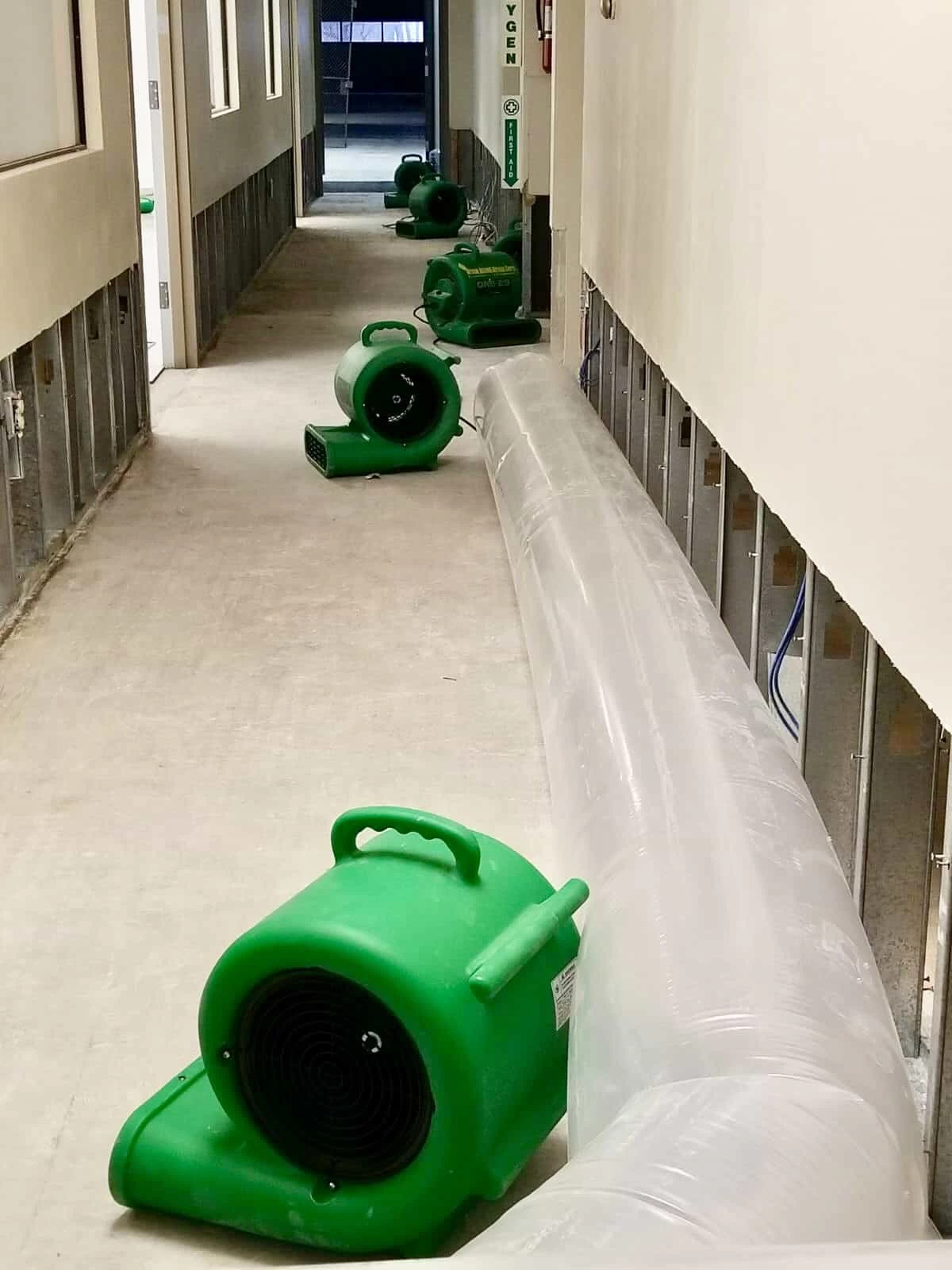
We operate 24/7 for emergency response and have direct experience working with homeowners and insurance companies in the aftermath of water and storm damage. That includes helping document the scope of damage for insurance claims, coordinating with adjusters, and ensuring the demolition and remediation work is properly covered. If you’re dealing with a storm-damaged structure in Stony Brook and trying to navigate both the physical damage and the insurance process at the same time, having a contractor who’s done this before and can actually reach makes a real difference.
Is Green Island Group certified to handle both demolition and asbestos abatement in Stony Brook?
Yes. We hold active NYS Department of Labor asbestos contractor certification, which is the specific license required to legally perform asbestos abatement in New York State before demolition proceeds. This isn’t a subcontracted service our own certified crews handle abatement directly, which means there’s no gap between the environmental work and the physical demolition, and no split in accountability between two separate companies.
This matters particularly in Stony Brook because of the age of the local housing stock. Pre-1980 construction is the rule in this community, not the exception, and the regulatory requirements around asbestos in demolition are strict. Beyond asbestos, we also hold the general liability insurance $2 million or more required for demolition contractors operating in New York. If you want to verify credentials before hiring, you can request license numbers directly and confirm active status through the NYS DOL. Any legitimate demolition contractor in this state should be able to hand those over without hesitation.