When the House Has Outlived the Land It's Sitting On
Glen Head’s housing stock is aging — and for a lot of property owners on the North Shore, the math has shifted. We handle house demolition in Glen Head from first permit to clean site, so you can move forward without the coordination headache.
I needed a professional consultation explanation of procedure for safe removal of Asbestos in my apartment complex. Without having an account yet, I was very impressed with the caring, knowledgeable and generous advice offered by Jessica, and will look forward to doing business in the future. Thank you so much! I feel much more informed about a sometimes scary endeavor. Peace. Nancy Silva Mineola, NY.
Mia Munoz
Used this company to clean up some water flood in my house. They were fast and easy to work with.very professional, Would recommend to anyone!
Nini Valle
Great company, had a flood and they responded quickly and efficiently. Billed my insurance company directly. I highly recommend this company!
joe colapietro, jr
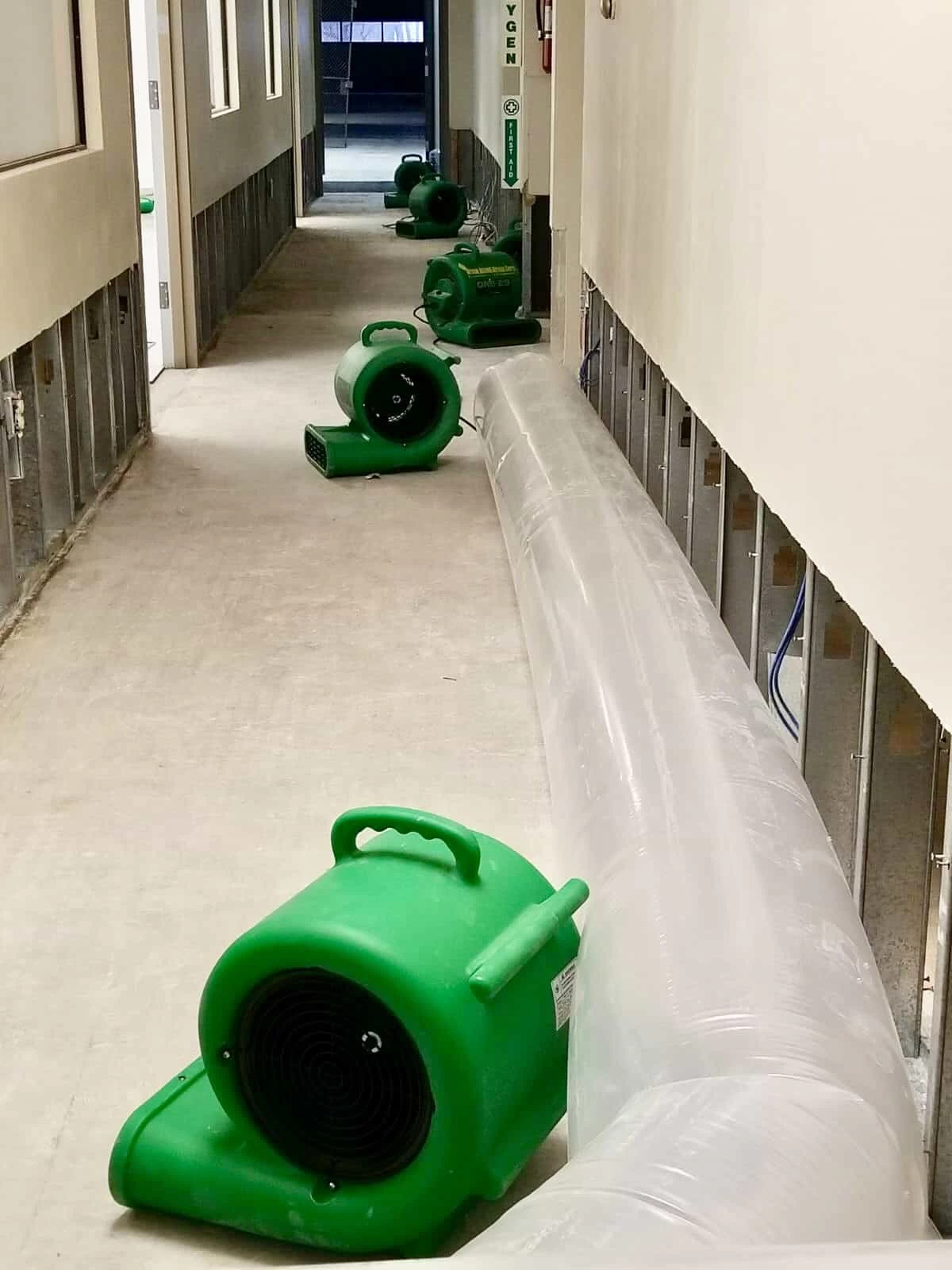
I had pipe freeze in my basement right before a snow storm and they made to within an hour to help start the clean up process. They we by our side throughout the entire process and even helped with the insurance company. They did such a great job with the cleanup, repair, remidiation, I contracted them to perform the repairs and finishes in the basement. They came with enough manpower and material to get the job done. Leo and Jessica were nothing but a pleasure to deal with!!
Cristian Arredondo c
I had some water damage in my home and Green Island was able to take care of my issue quickly and effectively. I am very pleased with the work they did. They responded quickly and were very professional.
Michael M
Outstanding service! From the office to the field crew everyone was friendly, helpful and responsive. I highly recommend Green Island Group.
A Clean Site, No Surprises, and a Project That Actually Moves
Most of the stress in a demolition project doesn’t come from the demolition itself. It comes from the gaps — waiting on a separate abatement company, chasing permit status, figuring out who handles debris. When those pieces aren’t coordinated, timelines slip and costs climb.
Glen Head’s housing stock tells the story pretty clearly. The hamlet developed in two major waves — the 1920s through the 1940s, and again through the 1950s and 1960s — which means a significant portion of homes here fall squarely within the window of peak asbestos use in American residential construction. Before any demolition permit gets issued in the Town of Oyster Bay, asbestos testing and certified abatement have to be completed. If your demolition contractor can’t handle that piece, you’re already managing two separate schedules before the first wall comes down.
On quarter-acre Glen Head lots with mature trees and neighboring homes close to the work zone, there’s also no room for a crew that doesn’t know the area. Equipment positioning, dust containment, utility coordination with PSEG Long Island and National Grid — these aren’t afterthoughts. They’re the difference between a smooth project and a stop-work order. When everything runs under one contractor from start to finish, you get a clean site on schedule and a clear path to whatever comes next.
340 Projects In. Every Certification That Matters.
We’re a Long Island-based demolition and environmental services company that has been working across Nassau and Suffolk Counties for over 12 years. With more than 340 completed demolition projects across New York, demolition and abatement aren’t services we added to a general contracting list — they’re the core work.
We’re EPA certified, OSHA certified, NYS DOH licensed for asbestos abatement, and hold NYC DOB licensing. We’re also NYS and NYC M/WBE Certified — credentials that require government vetting, not just a self-reported checklist. For a homeowner in Glen Head navigating the Town of Oyster Bay’s permit process for the first time, that’s the kind of paper trail that removes doubt before the project even starts.
We’ve worked throughout the greater Glen Cove area and across the North Shore, which means we know the Town of Oyster Bay’s Building Division requirements, the typical conditions in pre-war and mid-century housing stock, and what it actually takes to run a clean project on a tight residential lot in Glen Head. We’re available 24 hours a day, seven days a week — and that’s been tested in real situations, not just listed on a website.
No Handoffs, No Gaps — Here's What the Process Looks Like
It starts with a site assessment. Before anything else, we evaluate the structure, identify any hazardous materials — asbestos, lead paint, or both — and map out what the project actually requires. For most homes in Glen Head built before 1980, asbestos testing is essentially a given, not a maybe. Getting that confirmed early keeps the rest of the timeline intact.
From there, we handle the permit application with the Town of Oyster Bay’s Building Division. That means preparing the required drawings, coordinating utility disconnections with the relevant providers, and managing any additional review that may apply. If you’ve never pulled a demolition permit before, this step alone can be the most confusing part of the process — and it’s where projects stall when a contractor leaves it to the homeowner to figure out.
Once permits are cleared and abatement is certified, demolition begins. Our crew manages dust containment, debris removal, and site cleanup — all of it. On Glen Head’s residential streets, where lots sit close together and mature trees are part of the neighborhood character, that kind of careful site management isn’t optional. When the work is done, you have a clean, graded site ready for whatever comes next — whether that’s a new build, a sale, or just a cleared property. One contractor, one timeline, one point of contact throughout.
A full house demolition in Glen Head isn’t just a wrecking crew showing up with equipment. It’s environmental testing, certified asbestos and lead abatement, permit acquisition, structural demolition, debris hauling, and site restoration — and each one of those steps has a regulatory requirement attached to it in Nassau County. We handle all of it, which means you’re not managing a chain of separate contractors or hoping the handoffs go smoothly.
For homes in Glen Head’s older subdivisions — particularly those built during the 1920s and 1930s, or the post-WWII expansion that followed — hazardous material assessment is a standard first step, not an add-on. We’re NYS DOH licensed for asbestos abatement and EPA certified for environmental work, so the testing, removal, and clearance documentation are handled by the same company doing the demolition. That matters when the Town of Oyster Bay’s Building Division needs to see abatement certification before issuing a permit.
Beyond full structural teardowns, we also handle selective interior demolition for homeowners who are gut-renovating rather than tearing down entirely, as well as chimney removal, pool removal, and concrete demolition. If your project involves an insurance claim — storm damage, fire, or water intrusion — we have experience helping homeowners document and navigate that process too. Whatever the scope, the goal is the same: a site that’s clean, compliant, and ready.
Do I need a permit to demolish a house in Glen Head, NY?
Yes — a demolition permit is required for any structure removal in Glen Head. Because the hamlet falls under the Town of Oyster Bay’s jurisdiction, the permit application goes through the Town’s Building Division, located at 74 Audrey Ave in Oyster Bay. The application requires two sets of drawings showing the structure to be demolished and the safety measures in place. Utility disconnections — gas, electric, water, and sewer — also need to be confirmed before demolition work can legally begin.
If the property has any historic designation or falls under Landmarks Preservation Commission review, there’s an additional approval step that can add time to the process. Working without a permit in Oyster Bay isn’t just a fine — it can result in a stop-work order, double fees, and delays that push your project back significantly. Having a contractor who knows this process and handles the paperwork is one of the most practical things you can do before a single wall comes down.
Does my Glen Head home need asbestos testing before demolition starts?
For most homes in Glen Head, the honest answer is yes — and it’s worth knowing that before you get too far into the planning process. The hamlet developed primarily between the 1920s and the 1960s, which puts the majority of its housing stock squarely within the period when asbestos was standard in residential construction. Insulation, floor tiles, joint compound, roofing shingles, and pipe wrap in homes from this era all carry a real probability of containing asbestos-bearing materials.
Under New York State law, asbestos testing and certified abatement must be completed before a demolition permit can be issued — it’s not optional, and it’s not something a homeowner can manage without licensed professionals. The practical implication is that if your demolition contractor can’t handle abatement, you’re adding another contractor, another schedule, and another set of clearance documents to the process before the actual work begins. We’re NYS DOH licensed for asbestos abatement and handle testing, removal, and clearance documentation as part of the same project — so the permit process doesn’t stall while you wait on a separate company.
How much does house demolition typically cost in Nassau County?
The national average for house demolition runs roughly $6,000 to $25,000 depending on structure size, materials, and site conditions. In the New York metro area — including Nassau County — expect that range to run 20 to 30 percent higher than national averages. For a typical Glen Head residential structure, a realistic starting range for full demolition is in the $15,000 to $35,000 range, though the final number depends on several factors specific to your property.
Asbestos abatement, if required, adds cost — but skipping the assessment to save money upfront is the kind of decision that creates much larger problems at the permit stage. Site conditions also matter: Glen Head’s quarter-acre lots with mature trees and close neighboring homes require more careful equipment management than an open suburban lot, and that affects both labor and logistics. The most useful thing you can do before budgeting is get a site assessment that accounts for your specific structure, your lot, and what the Town of Oyster Bay permit process will require for your project.
How long does the demolition process take from start to finish in Glen Head?
The physical demolition of a residential structure typically takes one to three days depending on size and complexity. But the full timeline — from first call to clean site — is longer, and most of that time is spent in the pre-demolition phase, not on the actual teardown.
Asbestos testing and abatement, if required, needs to be completed and documented before the permit application can move forward. The Town of Oyster Bay’s Building Division typically takes two to six weeks to process a standard residential demolition permit, depending on the completeness of the application and whether any additional reviews apply. Utility disconnections also need to be scheduled and confirmed before work begins, which adds coordination time. If you’re planning a spring demolition — which is the peak season for teardown-and-rebuild activity on Long Island — starting the assessment and permit process in late winter gives you the best chance of hitting your target start date. The earlier you initiate the process, the more control you have over the timeline.
Is it worth demolishing and rebuilding instead of renovating an older home in Glen Head?
For a lot of Glen Head property owners, the math has genuinely shifted in favor of teardown. With median home values in the hamlet exceeding $850,000 and new custom builds on comparable lots valued at $1.5 million or more, the land itself has become the primary asset in many cases. A 1940s Cape Cod or ranch home that needs $200,000 to $400,000 in systems upgrades, structural repairs, and modernization may simply not be worth saving when the cost of a new build on the same lot produces a significantly more valuable result.
The calculation is especially relevant for estate properties — homes that have passed to adult children after a parent’s passing, where the structure is 60 to 80 years old and bringing it to current standards would require addressing knob-and-tube wiring, aging plumbing, inadequate insulation, and potentially hazardous materials throughout. In those situations, a clean teardown and new build is often the more financially rational path. A site assessment gives you the actual numbers to make that decision clearly, rather than guessing at renovation costs that tend to grow once walls come open.
Can Green Island Group help if my Glen Head home was damaged by a storm or fire?
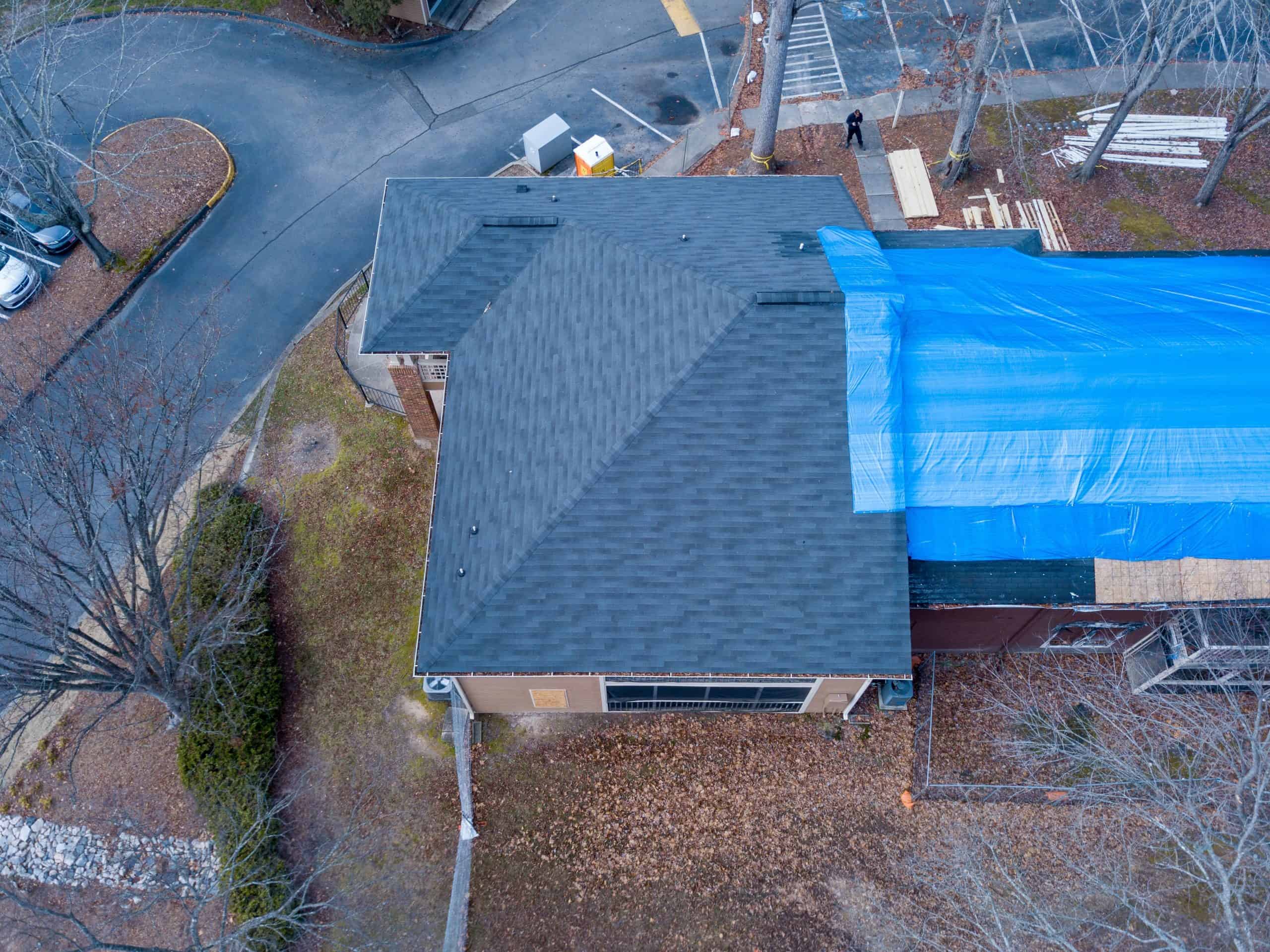
Yes — and this comes up more often on the North Shore than people expect. Glen Head’s mature tree canopy is one of the things that makes the neighborhood what it is, but those same trees become a liability during nor’easters and winter ice storms. A large tree coming down on an aging structure can compromise the roofline, damage load-bearing walls, and create a situation that requires immediate professional assessment — and in some cases, emergency demolition of the affected section before the rest of the structure can be stabilized or rebuilt.
We operate 24 hours a day, seven days a week, and have responded to emergency calls within an hour in documented situations. Beyond the physical work, we have experience helping homeowners navigate the insurance claim process — documenting damage, communicating with adjusters, and structuring the scope of work in a way that aligns with what the claim covers. For a homeowner dealing with storm or fire damage for the first time, that kind of support is often just as valuable as the demolition itself. If your home has been damaged and you’re not sure what the next step is, a site assessment is the right place to start.