Jericho Lots Are Worth Too Much for the Wrong Contractor
When the land under a 1960s split-level is worth over a million dollars, the demolition contractor you hire matters more than most people realize. We at Green Island Group handle house demolition in Jericho, NY — permits, asbestos abatement, and full site clearance included.
I needed a professional consultation explanation of procedure for safe removal of Asbestos in my apartment complex. Without having an account yet, I was very impressed with the caring, knowledgeable and generous advice offered by Jessica, and will look forward to doing business in the future. Thank you so much! I feel much more informed about a sometimes scary endeavor. Peace. Nancy Silva Mineola, NY.
Mia Munoz
Used this company to clean up some water flood in my house. They were fast and easy to work with.very professional, Would recommend to anyone!
Nini Valle
Great company, had a flood and they responded quickly and efficiently. Billed my insurance company directly. I highly recommend this company!
joe colapietro, jr
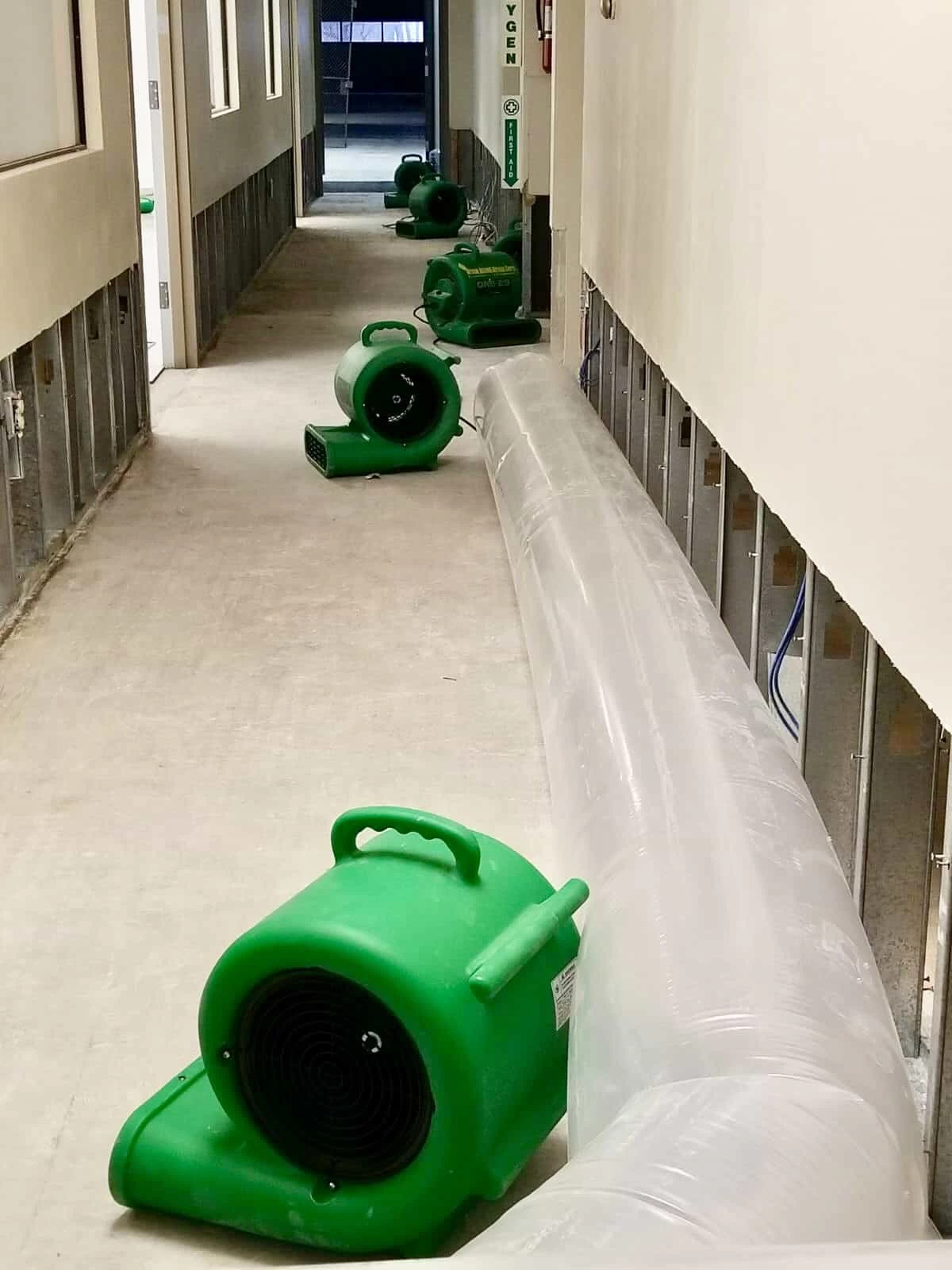
I had pipe freeze in my basement right before a snow storm and they made to within an hour to help start the clean up process. They we by our side throughout the entire process and even helped with the insurance company. They did such a great job with the cleanup, repair, remidiation, I contracted them to perform the repairs and finishes in the basement. They came with enough manpower and material to get the job done. Leo and Jessica were nothing but a pleasure to deal with!!
Cristian Arredondo c
I had some water damage in my home and Green Island was able to take care of my issue quickly and effectively. I am very pleased with the work they did. They responded quickly and were very professional.
Michael M
Outstanding service! From the office to the field crew everyone was friendly, helpful and responsive. I highly recommend Green Island Group.
A Cleared Site, Zero Regulatory Surprises, and a Timeline You Can Plan Around
Most of Jericho’s housing stock was built between the 1950s and 1960s — the exact era when asbestos was standard in floor tile adhesive, pipe insulation, drywall joint compound, and roofing materials. Before a single wall comes down, that has to be addressed. In Nassau County, demolition of any pre-1980 structure requires asbestos inspection and abatement clearance before permits are issued — and the contractors doing that work must hold specific EHRP and EHRT licenses. Skip that step, or hire someone who isn’t properly licensed for it, and your project stalls before it starts.
What you get when that process is handled correctly is a project that moves on a real timeline. Structural demolition of a standard residential home typically takes one to five days once permits are in hand. For families with kids in the Jericho Union Free School District — ranked first in New York State — a project that drags on for months isn’t just inconvenient, it’s disruptive in ways that matter. Efficient execution isn’t a bonus here. It’s the expectation.
The teardown-rebuild decision in Jericho is almost always a deliberate investment, not a distress sale. Buyers who purchase a property here for the lot value and the school district aren’t looking to renovate a 65-year-old home with outdated systems and hazardous materials in the walls. They want the land cleared correctly, compliantly, and on schedule — so the build they actually want can begin.
340+ Projects Across Nassau County, Every License That Jericho's Permitting Authority Actually Requires
We’ve been operating for over 12 years with more than 340 completed demolition projects across Nassau County, Suffolk County, and New York City. This is what we do — and we hold every credential required to do it legally in Nassau County: EPA certification, OSHA certification, NYS Department of Health asbestos licensing, and the EHRP contractor and EHRT technician licenses specific to Nassau County’s Environmental Hazard Remediation Program.
For Jericho homeowners, that last part matters more than most people realize. Nassau County’s EHRP licensing requirement is the specific regulatory layer that separates a compliant demolition from one that gets stopped mid-project. We have active project history in Jericho and direct familiarity with the Town of Oyster Bay Building Division’s permit process — the authority that issues demolition permits for this unincorporated hamlet. We also hold a certified NYS and NYC Minority/Women-Owned Business Enterprise credential — government-verified, not a marketing claim.
Our reviews consistently name specific staff members, describe real emergency scenarios, and document repeat hires — the kind of track record that means something to a Jericho homeowner doing their homework before making a decision on a seven-figure asset.
From First Call to Cleared Site — Here's What the Process Actually Looks Like
It starts with an assessment. Before any permits are pulled or equipment is scheduled, we evaluate the property for hazardous materials — specifically asbestos, which is present in the majority of Jericho homes built before 1980. That means testing pipe insulation, floor tiles and their adhesive, drywall joint compound, roofing materials, and any other suspect components. In Nassau County, this isn’t optional — it’s a legal prerequisite for demolition permitting under the EHRP program.
If asbestos or other hazardous materials are found, we handle abatement in-house with our licensed EHRT technicians. This means no waiting on a separate firm, no handoff between vendors, and no gap in accountability. Once abatement is cleared, the permit application goes to the Town of Oyster Bay Building Division. For Jericho properties, that means the Town’s Building Division at 74 Audrey Ave in Oyster Bay — and we know that process directly.
Structural demolition follows permit approval. For a standard single-family home, the physical teardown typically takes one to five days. Debris is removed, the site is graded, and you’re left with a clean, cleared lot ready for whatever comes next — whether that’s a custom new build, a sale, or a development project. Every phase is managed under one contract, one point of contact, and one team that owns the outcome start to finish.
Full-Cycle Demolition Built for Jericho's Regulatory Reality
House demolition in Jericho isn’t just a physical job — it’s a regulatory one. The Town of Oyster Bay requires a demolition permit for any structure, and applications must be submitted with a survey and demolition plans. Nassau County’s EHRP program requires licensed contractors for any asbestos abatement work. NYS Department of Labor Industrial Code Rule 56 governs how that abatement is performed. And the EPA sets the standards for how hazardous materials are disposed of once removed. We’re licensed and compliant at every one of those layers — not just the ones that are easy to check.
The full scope of what we cover includes asbestos testing and abatement, lead paint assessment and removal where required, mold remediation if present, the structural demolition itself, complete debris removal, and site preparation for whatever comes next. If the project is insurance-driven — fire damage, water damage, or a structural event — we have a documented track record of helping clients navigate the claims process directly. That’s not a service most demolition contractors offer, and for Jericho homeowners dealing with an insured loss on a high-value property, it’s a meaningful difference.
This is also a community where historic preservation carries real weight. The Jericho Corners area — centered around the Route 25 and Routes 106/107 intersection — contains Town of Oyster Bay-designated landmarks, and the consequences of demolition work that ignores those designations are well-documented locally. Our permit-first, compliance-driven approach is the right fit for a community that takes those standards seriously.
Do I need a permit to demolish a house in Jericho, NY?
Yes, and there are actually multiple permit layers involved depending on what the property contains. For Jericho specifically, demolition permits are issued by the Town of Oyster Bay Building Division — located at 74 Audrey Ave in Oyster Bay — not by a village authority or Nassau County directly. Jericho is an unincorporated hamlet within the Town of Oyster Bay, so the Town is your permitting authority. Applications require a survey and demolition plans at minimum.
On top of the Town’s building permit, if the structure was built before 1980 — which describes the overwhelming majority of Jericho’s housing stock — you’ll also need asbestos inspection and abatement clearance before the demolition permit can be issued. Nassau County’s EHRP program requires that abatement work be performed by contractors holding specific EHRP and EHRT licenses. A contractor who doesn’t hold those credentials cannot legally perform that work in Nassau County, which means your permit process stops before it starts. Getting both layers handled by one licensed contractor is the most direct path to a project that moves on schedule.
How much does house demolition cost in Jericho, NY?
For a standard single-family home in the New York metro area, full residential demolition typically runs between $6,000 and $25,000, with most homeowners paying in the range of $15,000 to $16,000 for a home around 2,000 square feet. In Nassau County — where Jericho is located — expect to run 20 to 30 percent above national averages. Labor costs are higher, regulations are more involved, and the density of suburban development means equipment access isn’t always straightforward.
A few things can move the number significantly. If asbestos abatement is required — and in Jericho, where most homes were built in the 1950s and 1960s, it usually is — that adds to the project cost but is non-negotiable under Nassau County law. Foundation removal, if needed, adds another $2,000 to $10,000 depending on depth and soil conditions. The honest answer is that the final number depends on the specific property, and a walkthrough is the only way to give you an accurate figure. What’s worth keeping in mind in Jericho’s market is that the cost of demolition is a small fraction of the lot value — and cutting corners on licensing or abatement can cost far more in fines, delays, and remediation than the savings were ever worth.
Does my Jericho home likely contain asbestos, and does that affect the demolition process?
If your home was built before 1980, the honest answer is probably yes — at least in some form. Jericho’s residential development happened primarily during the 1950s and 1960s, which is the peak era of asbestos use in American residential construction. Common locations include the black mastic adhesive beneath 9×12 or 12×12 vinyl floor tiles, pipe and boiler insulation, drywall joint compound at taped seams, roofing shingles, and exterior transite board siding. A 1960s Colonial or split-level in Jericho can have asbestos in dozens of locations across thousands of linear feet of drywall joints alone.
This doesn’t mean the project can’t move forward — it means it has to move forward in the right order. Nassau County requires asbestos inspection before a demolition permit is issued, and the abatement work must be performed by a contractor holding EHRP and EHRT licenses specific to Nassau County. We handle both the testing and the abatement in-house, which means there’s no waiting on a third-party firm and no risk of a gap between abatement clearance and permit submission. The process is more involved than a simple teardown, but it’s entirely manageable when it’s handled by a contractor who does this regularly in Nassau County.
What's the difference between full demolition and selective or interior demolition?
Full demolition means the entire structure comes down to the foundation — and in some cases the foundation is removed as well, depending on the rebuild plan. This is the most common scenario for Jericho’s teardown-rebuild market, where buyers are purchasing properties specifically to clear the existing structure and build new. Selective demolition means removing specific portions of a structure while leaving the rest intact — taking down a wing, gutting an interior for a major renovation, or removing a detached garage. Interior demolition refers to stripping the inside of a structure down to the studs and framing without touching the exterior shell.
All three types require proper permitting and, if the structure predates 1980, asbestos assessment before work begins — even for interior gut renovations. A lot of homeowners are surprised to learn that pulling permits for interior demolition in a pre-1980 Jericho home still triggers the Nassau County EHRP requirements. The scope of the abatement may be smaller, but the licensing requirement doesn’t change based on project size. We handle all three types and can walk you through which approach fits your specific situation before any work is scoped or priced.
How long does house demolition take from start to finish in Jericho?
The physical demolition of a standard single-family home — once all permits are in hand — typically takes one to five days. That part of the timeline is relatively predictable. What varies is the front end: asbestos testing, abatement if required, and permit processing through the Town of Oyster Bay Building Division. The total timeline from first call to cleared site depends heavily on how quickly testing results come back, the scope of any abatement needed, and current permit processing times at the Town.
For Jericho homeowners with children in the Jericho Union Free School District, timeline matters in a real way — a project that bleeds into the school year or drags through summer creates friction that nobody wants. Working with a contractor who manages every phase in-house, rather than coordinating between multiple vendors, is the most direct way to compress that front-end timeline. When asbestos testing, abatement, permit acquisition, and demolition are all handled by one team, there are no handoff delays between phases. That’s one of the more practical reasons the integrated model matters here, beyond just the convenience of a single contract.
Is it worth tearing down and rebuilding a house in Jericho rather than renovating?
For a lot of Jericho properties, the math genuinely favors teardown and rebuild — and it’s not a close call. When a lot is worth over a million dollars and the existing structure is a 65-year-old split-level with aging electrical, outdated plumbing, original windows, and asbestos in the walls and floors, the cost of renovating that home to a standard that matches the land value often approaches or exceeds the cost of building new. And a renovation doesn’t give you the layout, the systems, or the energy efficiency of new construction.
The school district is the other factor. Jericho Union Free School District’s ranking — first in New York State — is a primary reason families move here and pay what they pay for land. Buyers who purchase in Jericho for the district and the lot aren’t looking to preserve a mid-century structure that doesn’t reflect the neighborhood’s current standards. They want a home that matches the investment. Demolition and custom rebuild is how that happens. The teardown cost is real, but in the context of Jericho’s land values and the long-term return on a well-built custom home in this school district, it’s typically the more financially sound path — especially when the demolition is handled correctly the first time, without regulatory delays or compliance issues that add cost and time to the project.