Gold Coast Estates Deserve More Than a Wrecking Crew
Demolishing a home in Lattingtown isn’t a one-call, show-up-and-swing job. Between the age of the housing stock, the Town of Oyster Bay permit process, and New York State’s asbestos requirements, there’s a lot that has to happen before anything comes down — and a lot that can go sideways if it doesn’t.
I needed a professional consultation explanation of procedure for safe removal of Asbestos in my apartment complex. Without having an account yet, I was very impressed with the caring, knowledgeable and generous advice offered by Jessica, and will look forward to doing business in the future. Thank you so much! I feel much more informed about a sometimes scary endeavor. Peace. Nancy Silva Mineola, NY.
Mia Munoz
Used this company to clean up some water flood in my house. They were fast and easy to work with.very professional, Would recommend to anyone!
Nini Valle
Great company, had a flood and they responded quickly and efficiently. Billed my insurance company directly. I highly recommend this company!
joe colapietro, jr
I had pipe freeze in my basement right before a snow storm and they made to within an hour to help start the clean up process. They we by our side throughout the entire process and even helped with the insurance company. They did such a great job with the cleanup, repair, remidiation, I contracted them to perform the repairs and finishes in the basement. They came with enough manpower and material to get the job done. Leo and Jessica were nothing but a pleasure to deal with!!
Cristian Arredondo c
I had some water damage in my home and Green Island was able to take care of my issue quickly and effectively. I am very pleased with the work they did. They responded quickly and were very professional.
Michael M
Outstanding service! From the office to the field crew everyone was friendly, helpful and responsive. I highly recommend Green Island Group.
No Delays, No Surprise Stops, No Second Contractor
When a demolition project in Lattingtown stalls, it’s almost never because of the physical work. It’s because someone skipped the asbestos inspection, didn’t pull the right permit from the Town of Oyster Bay Building Division, or handed off the abatement to a separate contractor who wasn’t ready. That’s where projects sit — sometimes for weeks — while the homeowner is left trying to coordinate people who’ve never worked together.
What you get when the process is managed correctly is a project that moves. We handle asbestos testing first, abatement follows if needed, the permit is in place before equipment rolls in, and debris is gone before you’re fielding calls from neighbors. For a property in Lattingtown — where nearly a third of homes predate 1950 and estate-scale structures can involve multiple outbuildings, complex foundations, and significant debris volume — that kind of coordinated execution isn’t a luxury. It’s the only way to avoid a costly, drawn-out mess.
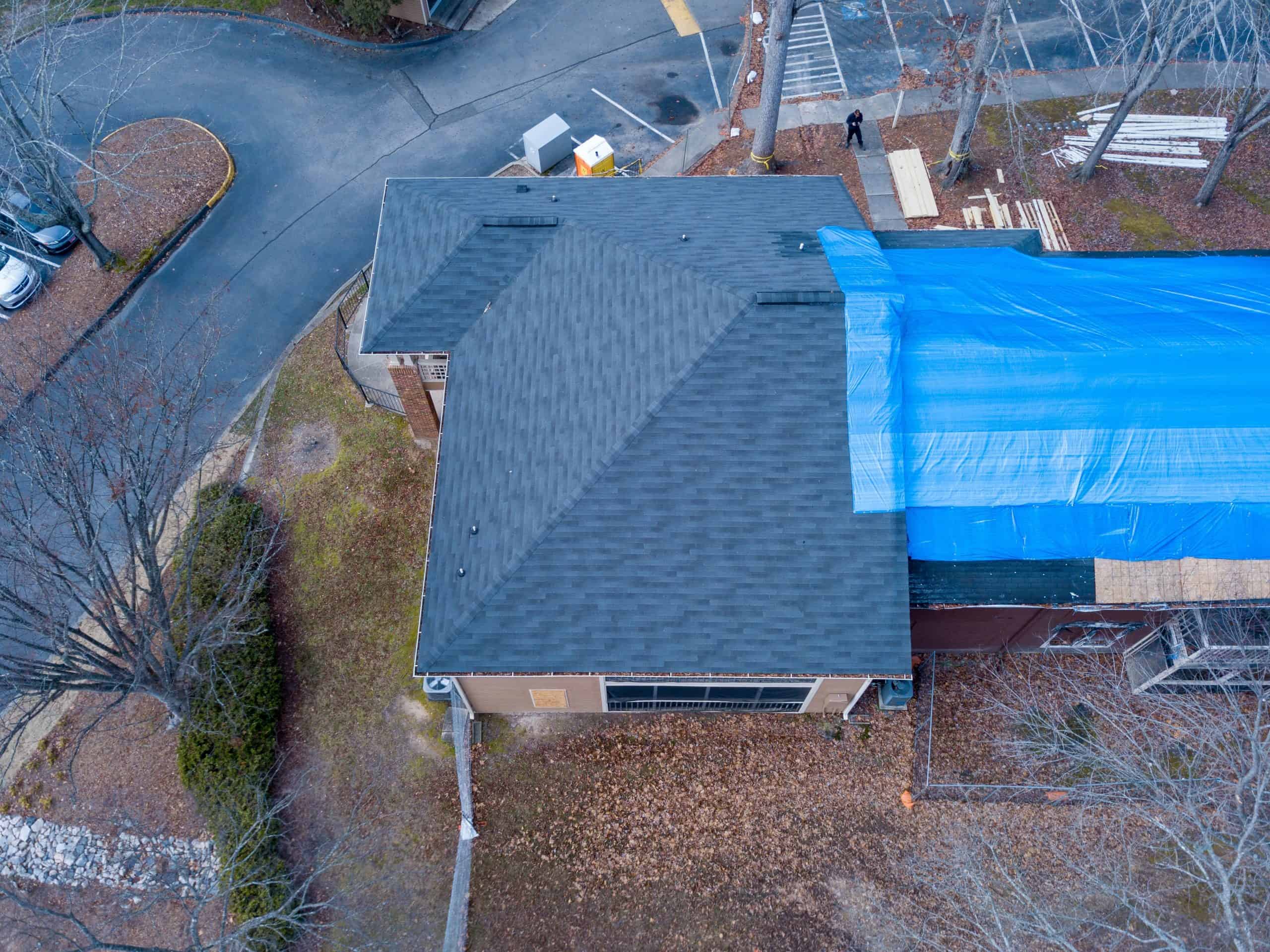
If your demolition is tied to storm damage from a nor’easter or coastal flooding along Lattingtown Harbor, the stakes are even higher. A compromised structure can’t wait on scheduling gaps between contractors. Having one team handle the assessment, the emergency response, and the full scope of work means the situation gets resolved — not just started.
340 Projects Across Nassau County. Every Certification That Matters in Lattingtown.
We’ve been doing demolition and environmental work across Nassau County for over 12 years, with substantial experience on the North Shore in communities like Lattingtown. We specialize in the kind of large, older homes where asbestos abatement isn’t optional and the regulatory process has more layers than most contractors are prepared for. The Town of Oyster Bay has its own permit requirements. The village of Lattingtown has its own governance. And if a structure has historic significance visible from a public way, the Landmarks Preservation Commission may need to weigh in before anything moves forward.
We hold EPA, OSHA, and NYS Department of Health asbestos certifications, plus NYS and NYC M/WBE certification — credentials that aren’t self-declared, they’re government-issued. With over 340 completed demolition projects across the New York metro area and a 4.7-star review profile built on specific, named experiences, we’ve done this before and know what Lattingtown-level work actually requires.
What Actually Happens Before the First Wall Comes Down
The first thing that happens on any pre-1980 demolition project in New York State is an asbestos inspection — not optional, not something you can skip and circle back to. Given that the median construction year for homes in Lattingtown is 1958, and roughly 27 percent of the village’s housing stock predates the 1940s, this step applies to the overwhelming majority of properties here. We use a NYS Department of Health-licensed inspector to test the structure, document what’s present, and if abatement is required, our certified crew handles it before anything else proceeds.
Once the structure is cleared, the permit process with the Town of Oyster Bay Building Division moves forward. Permit timelines in New York typically run two to six weeks, and for properties with potential historic significance — which is a real consideration in a village with Lattingtown’s Gold Coast estate character — a review by the Town’s Landmarks Preservation Commission may be part of that process. We plan for this upfront so you’re not caught off guard.
After permits are issued, the physical demolition itself is usually the fastest part — one to five days for a standard residential structure, longer for estate-scale properties with multiple buildings or complex foundation systems. Site grading and debris removal wrap the project, and if a grading plan was included with the permit application, a separate grading permit isn’t required. At every stage, we’re managing the pieces — not you.
From Asbestos Testing to Site Clearance — One Scope, One Team
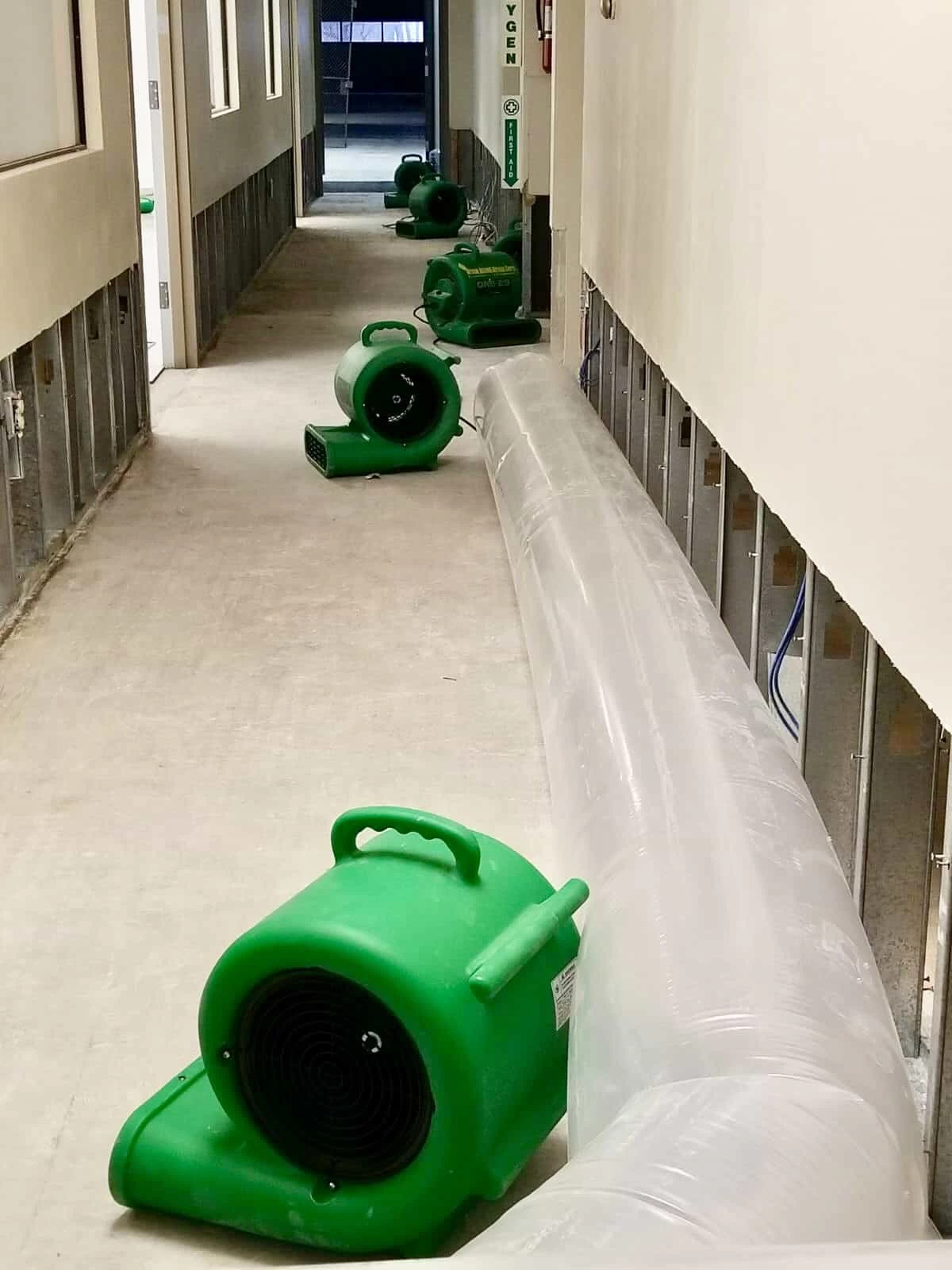
What we provide isn’t just demolition — it’s the full sequence that demolition in Lattingtown actually requires. We handle certified asbestos inspection and abatement, coordination with the Town of Oyster Bay Building Division for permit acquisition, physical demolition of the primary structure and any ancillary buildings on the property, debris hauling, and site grading. If the project involves mold, water damage, or fire damage alongside structural demolition, we handle that work in-house as well — no handoff to a separate restoration contractor at the point where the project is most complicated.
For Lattingtown’s waterfront and estate properties, the scope often goes beyond a standard suburban teardown. Properties along Lattingtown Harbor or the larger estate parcels throughout the village may involve carriage houses, pool houses, or other outbuildings that need to come down alongside the main structure. We plan for equipment access on private estate roads, dust and debris containment in low-density neighborhoods where privacy and discretion matter, and the logistics of significant debris volume from large structures — all before the work begins.
If the demolition is insurance-driven — storm damage, flooding, fire — we can work directly with your adjuster and help navigate the claims process. That’s not a common offering in this industry, and for a Lattingtown homeowner dealing with a damaged waterfront property after a nor’easter, it’s the kind of support that makes a genuinely difficult situation more manageable.
Do I need a permit to demolish a house in Lattingtown, NY?
Yes — and in Lattingtown, the permit process has more layers than most homeowners expect. Demolition permits are issued by the Town of Oyster Bay Building Division, located at 74 Audrey Avenue in Oyster Bay. Under Town of Oyster Bay code, it’s unlawful to demolish any building or structure without first obtaining a building permit, with the only exception being non-commercial storage structures of 100 square feet or less.
Beyond the Town-level permit, Lattingtown is an incorporated village with its own governing board, which may have additional village-level requirements depending on the scope of the project. And for properties that have historic or architectural significance visible from a public way — which is a realistic consideration in a village with Lattingtown’s Gold Coast estate character — the Town of Oyster Bay Landmarks Preservation Commission may need to review the demolition plan before work can proceed. Nassau County’s demolition permit line is (516) 571-3678 if you need to verify county-level requirements. Planning for a two-to-six-week permit timeline is a reasonable baseline, though the Landmarks review process can extend that window.
Does my older Lattingtown home need asbestos testing before demolition?
Almost certainly yes. New York State law requires a certified asbestos inspection by a NYS Department of Health-licensed inspector before any pre-1980 structure can be demolished. In Lattingtown, where the median construction year for homes is 1958 and roughly 27 percent of the housing stock predates the 1940s, the vast majority of properties fall within that requirement.
Asbestos in older Lattingtown homes isn’t limited to insulation. It can appear in floor tiles, ceiling tiles, roofing shingles, pipe wrap, boiler insulation, and joint compound — sometimes in multiple locations throughout the same structure. The inspection documents what’s present, and if abatement is required, a licensed crew must complete that work and receive clearance before demolition can begin. Skipping or delaying this step doesn’t speed up the project — it stops it entirely once the permit process flags it. We handle both inspection and abatement in-house, which keeps the timeline moving without gaps between separate crews.
How much does house demolition typically cost in Nassau County?
National averages for house demolition run between $6,000 and $25,000, with most standard homes landing around $15,800. But the New York metro market — and Nassau County specifically — runs 20 to 30 percent above those benchmarks due to stricter regulatory requirements, higher labor costs, and the near-universal presence of hazardous materials in pre-1980 construction.
For Lattingtown specifically, the cost picture shifts further. Homes here are often substantially larger than the national median, sit on two or more acres, and may involve multiple outbuildings that need to come down alongside the main structure. Foundation removal adds another $2,000 to $10,000 depending on depth and complexity. Asbestos abatement, if required, is a separate line item that varies based on the type and quantity of materials found. A large estate demolition in Lattingtown with full abatement, permit coordination, multiple structures, and site grading could reasonably land in the $30,000 to $60,000 range or higher. The most accurate way to understand your specific cost is a site assessment — scope and site conditions drive the number more than any rule of thumb.
What happens if my home was damaged by a storm or flooding near Lattingtown Harbor?
Storm-damaged structures require a different approach than planned demolition. If a nor’easter, coastal flooding, or storm surge event has compromised your property’s structural integrity — which is a real and recurring risk for homes along Lattingtown Harbor and the waterfront estate parcels facing Long Island Sound — the timeline is compressed and the stakes are higher. A structurally unsafe building can’t wait on a standard scheduling window.
We operate 24 hours a day, seven days a week, including holidays, with emergency response times as fast as one hour based on documented customer experience. For insurance-driven demolition, we can work directly with your adjuster and help you navigate the claims process — something most demolition contractors don’t offer and most homeowners in a post-storm situation desperately need. USGS research confirms that Long Island Sound coastal areas face compound flood hazards from multiple simultaneous sources: storm surge, tidal flooding, stormwater, and groundwater emergence. If your property has sustained that kind of damage, the response needs to match the urgency of the situation.
Can I demolish and rebuild on my Lattingtown property?
Yes, and it’s a path that more Lattingtown property owners are taking. When a home’s structural or systemic issues have accumulated over 80 to 100 years — or when renovation costs approach or exceed the cost of a new build — demolition and new construction becomes the more financially sound decision. At Lattingtown’s land values, where median home prices exceed $1 million and estate parcels can run two to eighteen acres, the land itself often justifies the teardown-and-rebuild calculation even when the existing structure has some remaining value.
The process starts with the same steps as any demolition: asbestos inspection, abatement if needed, permit acquisition from the Town of Oyster Bay Building Division, and physical demolition. Site grading and clearance follow, leaving a clean parcel ready for your builder. If the property has any potential historic significance, the Landmarks Preservation Commission review should be factored into the planning timeline early — not discovered mid-process. Getting the demolition scope and the new construction timeline coordinated from the start avoids the gaps and delays that tend to cost the most money.
How do I find a licensed demolition contractor who handles asbestos too near Locust Valley?
The most important thing to verify is whether the contractor holds active NYS Department of Health asbestos licensing alongside their demolition credentials — not just one or the other. In the Locust Valley and Lattingtown area, where the housing stock is old and asbestos is present in the majority of pre-1980 structures, a demolition-only contractor creates a coordination problem. You’ll end up managing an abatement specialist, waiting for clearance, and then re-engaging the demolition crew — which adds weeks and introduces the risk of scheduling gaps that nobody owns.
A contractor who holds EPA certification, OSHA certification, NYS DOH asbestos licensing, and active demolition experience in Nassau County can move through the entire sequence without stopping to hand off. Ask directly: do you handle asbestos inspection and abatement in-house, or do you subcontract it? Do you have experience pulling permits through the Town of Oyster Bay Building Division? Have you worked on estate-scale properties with multiple structures? Those three questions will separate contractors who know this market from those who’ve created a keyword page for it.