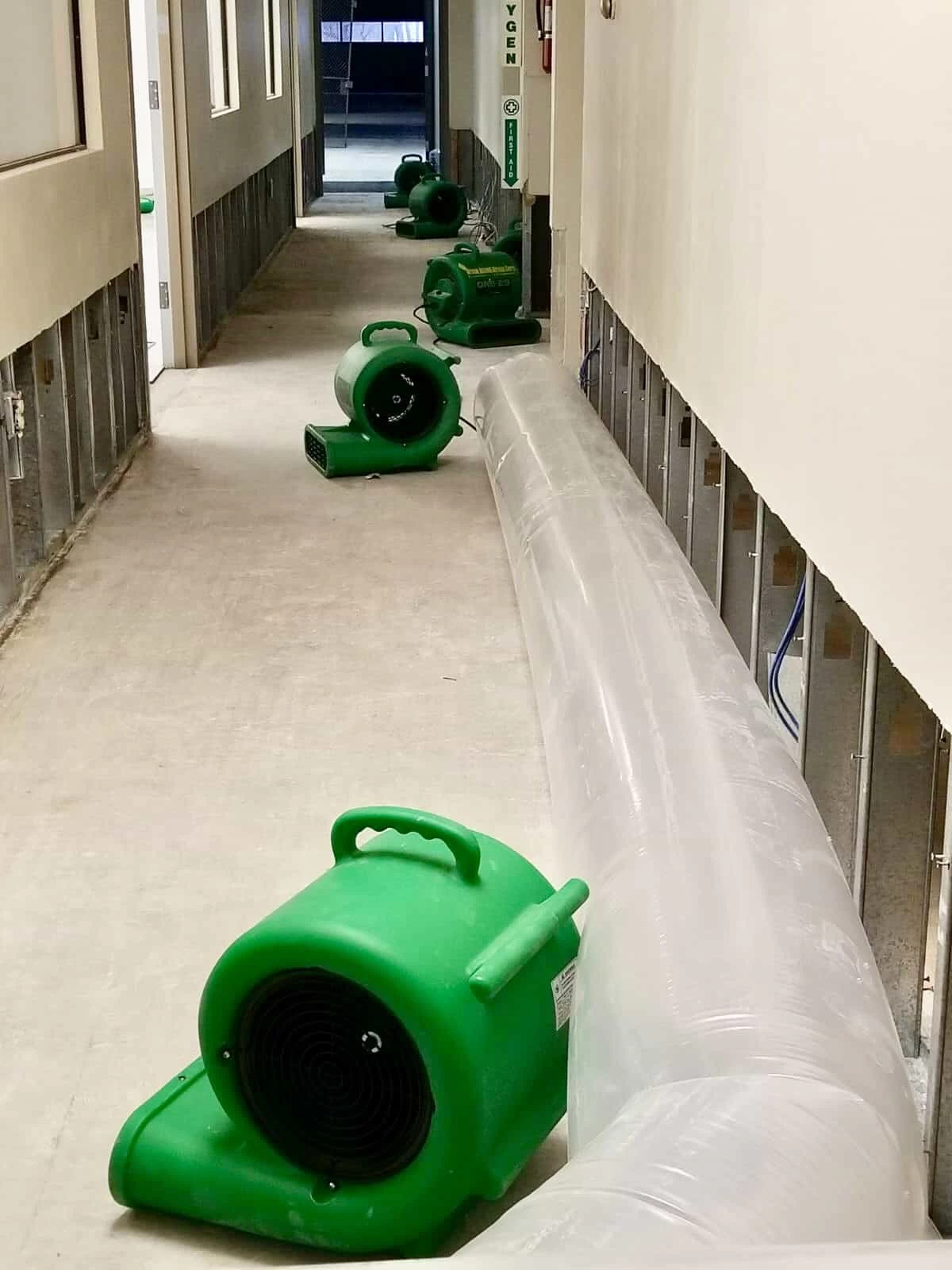
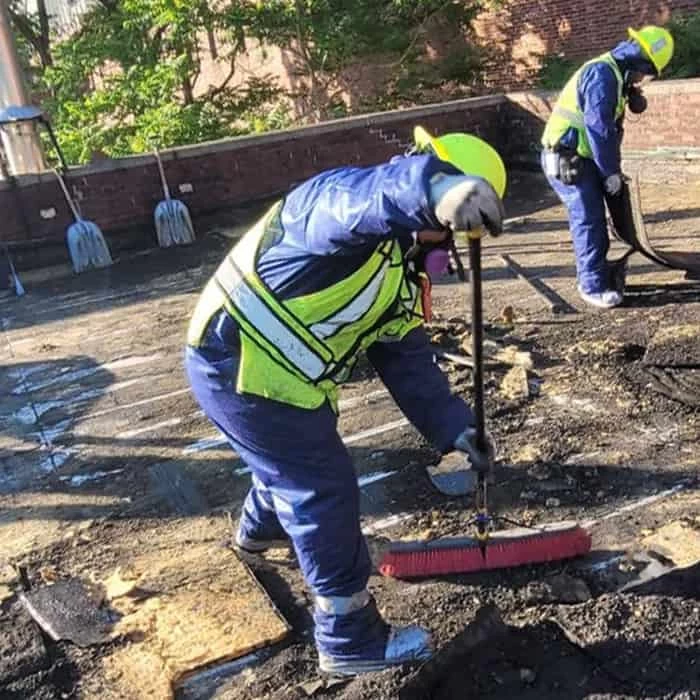
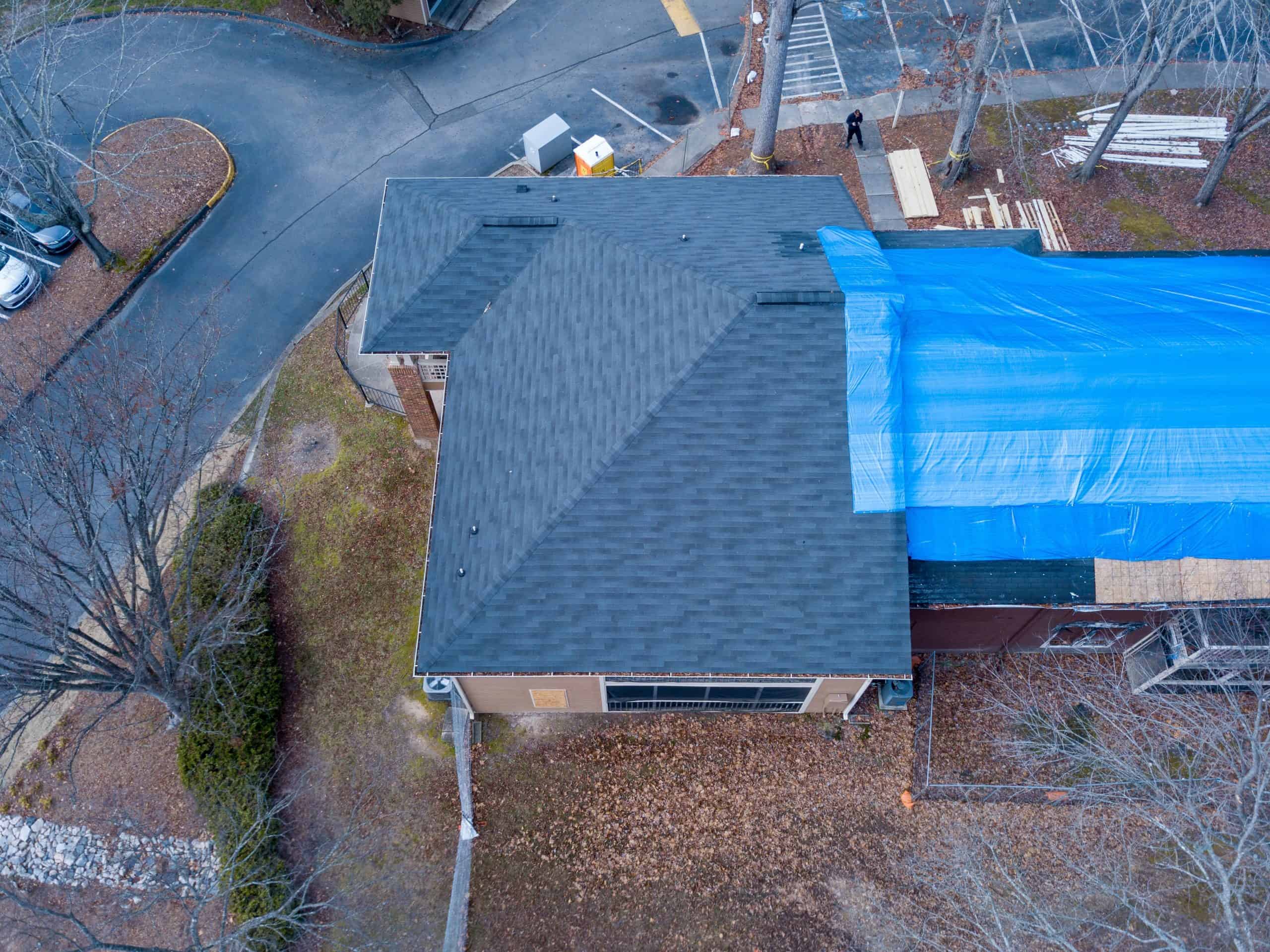
Laurel Hollow’s older homes and strict village permit process demand more than a standard teardown crew — we handle every step, from asbestos abatement to final site clearance.
I needed a professional consultation explanation of procedure for safe removal of Asbestos in my apartment complex. Without having an account yet, I was very impressed with the caring, knowledgeable and generous advice offered by Jessica, and will look forward to doing business in the future. Thank you so much! I feel much more informed about a sometimes scary endeavor. Peace. Nancy Silva Mineola, NY.
Mia Munoz
Used this company to clean up some water flood in my house. They were fast and easy to work with.very professional, Would recommend to anyone!
Nini Valle
Great company, had a flood and they responded quickly and efficiently. Billed my insurance company directly. I highly recommend this company!
joe colapietro, jr
I had pipe freeze in my basement right before a snow storm and they made to within an hour to help start the clean up process. They we by our side throughout the entire process and even helped with the insurance company. They did such a great job with the cleanup, repair, remidiation, I contracted them to perform the repairs and finishes in the basement. They came with enough manpower and material to get the job done. Leo and Jessica were nothing but a pleasure to deal with!!
Cristian Arredondo c
I had some water damage in my home and Green Island was able to take care of my issue quickly and effectively. I am very pleased with the work they did. They responded quickly and were very professional.
Michael M
Outstanding service! From the office to the field crew everyone was friendly, helpful and responsive. I highly recommend Green Island Group.
What Changes When You Work With Contractors Who Know Laurel Hollow's Code
Most homeowners in Laurel Hollow don’t start thinking about demolition until something forces the decision — a structural assessment that didn’t go well, a storm that took out more than expected, or a real estate transaction built around a teardown. When that moment arrives, what you need is someone who already understands the layers involved: the village permit process, the age of the housing stock, the scale of the lots, and what it actually takes to clear a 5,000-square-foot estate on a two-acre property without creating a mess for you or your neighbors.
A significant portion of Laurel Hollow’s approximately 610 homes were built before 1980. That’s the legal threshold in New York State for mandatory asbestos testing and certified abatement before any demolition can legally begin. On estate-sized homes — with original insulation, old pipe wrap, vintage floor and ceiling tiles — asbestos isn’t a remote possibility. It’s almost always present. Working with a contractor who handles abatement and demolition under the same roof means you’re not waiting on a separate crew to clear the site before work can start. It also means one point of accountability from day one.
Laurel Hollow’s position on the western shore of Cold Spring Harbor’s inner harbor also creates real coastal exposure. Nor’easters and late-season storms have a way of turning a structural problem into an urgent one. Whether you’re planning a teardown-rebuild on your own timeline or dealing with storm damage that can’t wait, the process needs to move correctly — not just quickly. That’s the difference between a smooth project and one that stalls at the permit stage or gets flagged mid-demolition.
Certified, Local, and Built for Projects Like Yours
We’ve been handling demolition and environmental work across Long Island for over 12 years, operating out of Bohemia, NY — not Rochester, not Manhattan. That matters when you’re dealing with a village like Laurel Hollow, which has its own Building Inspector, its own code enforcement process, and permit requirements that run through the Village — not Nassau County. Contractors who don’t know that distinction cause delays. We’ve navigated it enough times to know exactly what the application needs and how to keep your project moving.
Our credentials include EPA certification, OSHA certification, NYS DOH asbestos licensing, and NYS M/WBE Certified Contractor status — every license that applies to a demolition project in Nassau County and the Village of Laurel Hollow. With over 340 completed demolition projects across Long Island and New York’s five boroughs, the experience isn’t a claim. It’s a track record. For homeowners in Laurel Hollow who do their homework before signing anything, that distinction matters.
The first step is always an on-site assessment. Before anything else, we look at the structure, identify what’s there, and give you an honest picture of what the project involves. For homes in Laurel Hollow — many of them built decades before current safety standards — that assessment almost always includes evaluating for asbestos-containing materials. If testing confirms their presence, certified abatement happens before demolition begins. That’s not optional under New York State law, and any contractor who skips it is putting you at legal and financial risk.
Once abatement is cleared, we handle the permit application directly with Laurel Hollow’s Building Inspector under the Village Code. Chapters 22 and 23 require a permit before any demolition of a building or structure can begin — and that application goes through the Village, not through Nassau County. We coordinate utility disconnection with PSEG Long Island and National Grid, confirm written clearance, and then mobilize the demolition crew. On a two-acre estate lot with a long private driveway and a wooded perimeter, equipment selection and site access planning matter more than most people expect.
After the structure comes down, debris is removed and disposed of properly, the site is graded, and we leave the property ready for whatever comes next — whether that’s new construction, a landscape restoration, or a clean sale. If your project involves storm damage and an open insurance claim, we’ve helped homeowners navigate that process too, from documentation through final settlement.
House demolition in Laurel Hollow isn’t a one-trade job. The village’s older housing stock, estate-scale lot sizes, coastal exposure, and strict village-level permitting mean the project touches environmental compliance, hazardous material abatement, structural demolition, debris management, and site preparation — often in that exact order. We cover all of it without farming pieces out to separate subcontractors, which means no coordination gaps, no finger-pointing when something comes up, and no waiting on a third party to move to the next phase.
For the teardown-rebuild buyer — and Laurel Hollow’s real estate market has no shortage of them, with active listings explicitly marketed as estate demolition opportunities — the scope typically includes environmental assessment, asbestos and lead testing, certified abatement, full structural demolition, debris hauling, and site grading for new construction. For homeowners dealing with storm or flood damage near the harbor, the process moves faster and often intersects with an active insurance claim. We handle the documentation and claim coordination alongside the physical work.
Every project also includes proper containment, HEPA filtration during abatement, certified disposal of hazardous materials, and cleanup protocols that protect the surrounding landscape — including the wooded, laurel-lined lots that define the character of Laurel Hollow. Whether your property sits on Laurel Hollow Road, near Fox Hollow Preserve, or on a parcel with direct harbor exposure, the site gets treated with the care the location demands.
Do I need a permit to demolish my house in Laurel Hollow, NY?
Yes — and the permit comes from the Village of Laurel Hollow directly, not from Nassau County. Because Laurel Hollow is an incorporated village with its own Building Inspector and Code Enforcement Officer, demolition permits are governed by the Village Code — specifically Chapters 22 and 23 — which make it unlawful to demolish any building or structure without first obtaining approval from the Village’s Building Inspector. This is a distinction that trips up contractors who are used to working through Nassau County’s general building department.
The application requires a completed form with project details, proposed plans, and specifications. It goes through a review process before any work can legally begin. If you’re on a timeline — whether you’re coordinating with a builder, closing on a sale, or managing a storm-damaged property — understanding this step early is critical. We handle the permit application process as part of the project, so you’re not navigating village code on your own while also managing everything else that comes with a major demolition.
Does my Laurel Hollow home need asbestos testing before demolition?
If your home was built before 1980, New York State law requires asbestos testing by a licensed NYS DOH inspector before any demolition can proceed. Given that Laurel Hollow was incorporated in 1926 and a substantial portion of its approximately 610 homes predate that 1980 threshold, this applies to the majority of demolition projects in the village. On estate-sized homes — with original pipe insulation, vintage floor tiles, old roofing materials, and ceiling finishes from decades past — asbestos-containing materials are common across multiple building systems, not just one.
If testing confirms the presence of asbestos, certified abatement must be completed before demolition begins. This isn’t a step that can be skipped or worked around. Contractors who proceed without it are exposing you to serious legal and financial liability. We are NYS DOH-licensed for both asbestos inspection and abatement, so testing, clearance, and demolition happen under one coordinated workflow. You’re not waiting on a separate abatement company to finish before the demolition crew can start — it all moves together on one timeline.
How much does house demolition cost in Laurel Hollow, NY?
The national average for residential demolition runs between $6,000 and $25,000, but that range is a starting point, not a ceiling — and it rarely reflects what a project in Laurel Hollow actually involves. The New York metro area runs 20 to 30 percent higher than national averages on its own. Add in the estate scale of most homes here, the mandatory asbestos abatement that applies to pre-1980 structures, the village-level permit fees, utility disconnection coordination, and the debris volume from a large colonial or historic estate on a two-acre lot, and the realistic project cost climbs well above the national baseline.
The most accurate way to understand your specific cost is an on-site assessment. Square footage matters, but so does what’s inside the walls, how the structure is built, what hazardous materials are present, and how accessible the site is. Long private driveways and wooded lots — common throughout Laurel Hollow — affect equipment selection and mobilization. We give you a clear, itemized picture of what the project involves before anything is signed, so there are no surprises once work begins.
What happens to my property after demolition is complete?
Once the structure is down, all debris is removed and disposed of according to New York State and Nassau County environmental regulations. Hazardous materials — including any asbestos-containing waste from the abatement phase — are handled through certified disposal channels, separately from general demolition debris. The site is then graded to leave it in a stable, workable condition for whatever comes next.
For Laurel Hollow homeowners planning a teardown-rebuild, that means the site is left ready for your builder to begin foundation work. For properties near the harbor or in areas affected by the village’s flood damage prevention code (Chapter 57), post-demolition grading takes coastal and drainage considerations into account. If you’re not immediately moving into new construction, the cleared site can also be restored to a natural state — which, given Laurel Hollow’s heavily wooded character and native laurel landscape, often means thoughtful revegetation rather than just a flat graded lot. We walk through the post-demolition plan with you before work begins so the end state matches what you actually need.
Is it better to renovate or fully demolish an older estate in Laurel Hollow?
That depends on the structure, but for a lot of Laurel Hollow homeowners, the math ends up favoring demolition more often than people expect. When a home was built in the mid-20th century or earlier, bringing it to modern energy, structural, and safety standards can require replacing systems throughout — electrical, plumbing, HVAC, insulation, windows — on top of whatever cosmetic renovation was originally planned. When asbestos and lead paint are present in the walls and ceilings, renovation becomes significantly more complex and expensive, because abatement still has to happen before contractors can work in those areas.
On a two-acre lot in Laurel Hollow, where the land itself carries significant value, a full teardown and custom rebuild often produces a better outcome — structurally, financially, and aesthetically — than trying to modernize a compromised older structure. That said, it’s not a blanket answer. If the home has strong bones, a well-maintained foundation, and systems that are in reasonable shape, renovation can absolutely make sense. The honest answer starts with a thorough assessment of what’s actually there, not an assumption in either direction.
How do I handle demolition if my Laurel Hollow home was damaged by a storm?
Storm-damaged properties in Laurel Hollow move through a different process than planned teardowns, and the timeline is usually more urgent. The first priority is a structural assessment to determine whether the damage has compromised the building’s safety and whether any portion needs to be stabilized or secured before full demolition can proceed. Properties near Cold Spring Harbor’s inner harbor face real coastal exposure from nor’easters and late-season storms, and flood or storm surge damage can affect foundation integrity in ways that aren’t immediately visible from the outside.
If you have an open insurance claim, documentation is critical — and it needs to happen before demolition removes the evidence your adjuster needs to process the claim accurately. We have helped multiple homeowners navigate the insurance claim process alongside the physical work, from initial damage documentation through final settlement. That coordination matters especially when the claim involves a high-value property, because the difference between a well-documented claim and a poorly documented one can be substantial. We help you move quickly without skipping the steps that protect your claim and your investment.