Oyster Bay's Older Homes Deserve More Than a Wrecking Ball
Most homes in Oyster Bay were built before 1980. That means asbestos, lead paint, and a permit process that stops unprepared contractors cold. We handle house demolition from the first inspection to the cleared lot — no handoffs, no gaps.
I needed a professional consultation explanation of procedure for safe removal of Asbestos in my apartment complex. Without having an account yet, I was very impressed with the caring, knowledgeable and generous advice offered by Jessica, and will look forward to doing business in the future. Thank you so much! I feel much more informed about a sometimes scary endeavor. Peace. Nancy Silva Mineola, NY.
Mia Munoz
Used this company to clean up some water flood in my house. They were fast and easy to work with.very professional, Would recommend to anyone!
Nini Valle
Great company, had a flood and they responded quickly and efficiently. Billed my insurance company directly. I highly recommend this company!
joe colapietro, jr
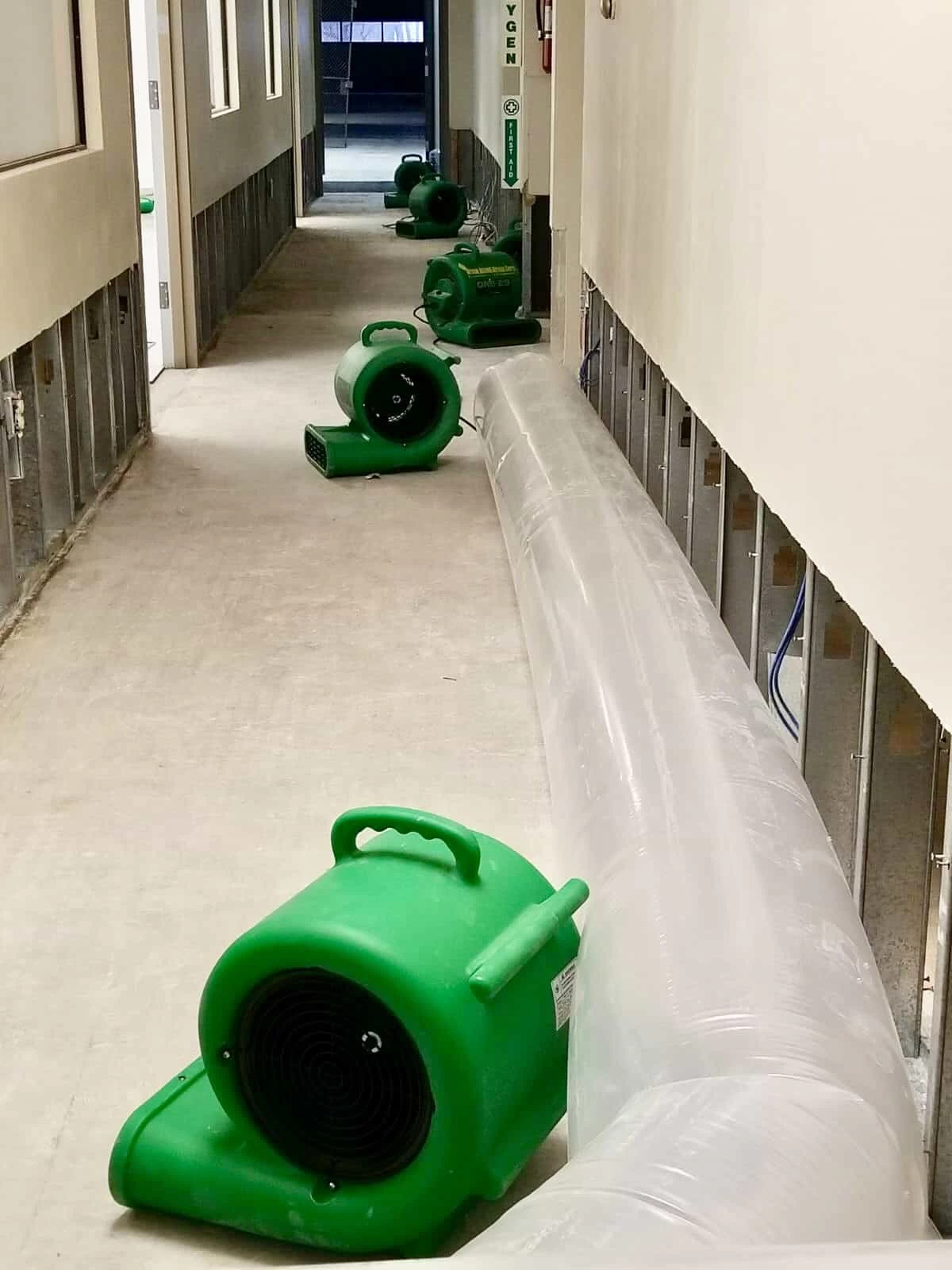
I had pipe freeze in my basement right before a snow storm and they made to within an hour to help start the clean up process. They we by our side throughout the entire process and even helped with the insurance company. They did such a great job with the cleanup, repair, remidiation, I contracted them to perform the repairs and finishes in the basement. They came with enough manpower and material to get the job done. Leo and Jessica were nothing but a pleasure to deal with!!
Cristian Arredondo c
I had some water damage in my home and Green Island was able to take care of my issue quickly and effectively. I am very pleased with the work they did. They responded quickly and were very professional.
Michael M
Outstanding service! From the office to the field crew everyone was friendly, helpful and responsive. I highly recommend Green Island Group.
When you’re dealing with an older home in Oyster Bay, the demolition itself is rarely the hard part. What slows projects down — and sometimes stops them entirely — is everything that has to happen before the first wall comes down. Asbestos surveys, Nassau County EHRP/EHRT compliance, utility disconnections, Town of Oyster Bay permit filings. If any one of those steps is missing or out of order, you’re looking at a stop-work order and a timeline that falls apart.
The average home in Oyster Bay is nearly 80 years old. That’s the reality of almost every property in the hamlet and the surrounding villages. Pre-war construction in Cove Neck, mid-century colonials in Oyster Bay Cove, aging structures throughout Laurel Hollow and Mill Neck — nearly all of them contain asbestos-containing materials that require certified abatement before demolition can legally proceed under New York State law.
When you work with a contractor who handles abatement and demolition together, you don’t lose weeks waiting for one crew to finish before the next one can start. Everything moves in sequence, under one project, with one team accountable for the outcome. That’s the difference between a project that closes on time and one that drags into the next season.
340+ Projects. Every Certification Nassau County Requires.
We’ve been doing this work for over 12 years, completing more than 340 demolition projects across Long Island, Nassau County, and New York City. We’re based in Bohemia — close enough to know the Oyster Bay market intimately, experienced enough to navigate every layer of it.
Nassau County’s asbestos regulations go beyond what New York State requires. ICR 56 sets the state standard, but Nassau County adds its own EHRP/EHRT licensing requirements on top of that. We hold EPA certification, OSHA certification, NYS Department of Health asbestos licensing, and full Nassau County compliance — which means your Oyster Bay project doesn’t hit a wall because a contractor missed a county-specific requirement.
We also carry NYS and NYC M/WBE certification, which means we’ve been vetted at the government level for accountability and business conduct. With a 4.7-star rating across more than 33 verified reviews — many of which name specific team members and describe real emergency scenarios — the track record speaks for itself.
Here's What Happens From Your First Call to a Cleared Lot
It starts with a site assessment. Before anything else, we evaluate the structure, identify any hazardous materials, and determine what the Town of Oyster Bay’s Building Division will require to issue a demolition permit. For most homes in the 11771 ZIP code, that means scheduling a certified asbestos inspection first — a legal requirement under NYS ICR 56 for any pre-1980 structure.
If asbestos-containing materials are found, we handle abatement before demolition begins. There’s no waiting for a clearance certificate from one contractor before another can show up. Once abatement is complete and the permit is issued by the Town’s Building Division at 74 Audrey Ave, structural demolition moves forward. Utility disconnections through PSEG Long Island and National Grid are coordinated as part of the process — not left to you to figure out.
After the structure comes down, debris is hauled and disposed of properly, and the site is cleaned and graded. If you’re planning a rebuild, the lot is left ready for your next contractor to start. The whole process — from first call to cleared property — is managed by one team, with one point of contact throughout.
Everything Included — Because Oyster Bay Doesn't Leave Room for Shortcuts
Every demolition project we take on in Oyster Bay includes the full scope: certified asbestos inspection, Nassau County-compliant abatement if needed, Town of Oyster Bay permit management, structural demolition, debris removal, and site cleanup. Nothing is unbundled and handed back to you to coordinate.
For properties in the incorporated villages surrounding Oyster Bay — Oyster Bay Cove, Centre Island, Cove Neck — village-level permits may be required in addition to town-level filings. We know which jurisdictions require what, and we handle the paperwork accordingly. This matters more than most homeowners realize until they’re already mid-project and facing a compliance issue.
If you’re dealing with a storm-damaged or flood-affected property near Oyster Bay Harbor, we respond to emergency calls 24 hours a day. Northeasters and coastal flooding events have damaged waterfront structures in this area before, and they will again. Having a demolition contractor who can respond the same day — and who also understands how to work alongside your insurance claim — is a practical advantage when time and documentation both matter. We’ve navigated that process with multiple Oyster Bay clients and can do the same for you.
Do I need a permit to demolish a house in Oyster Bay, NY?
Yes — and the permit process in Oyster Bay involves more steps than most homeowners expect. The Town of Oyster Bay’s Building Division, located at 74 Audrey Ave in the hamlet, is the issuing authority for demolition permits in the unincorporated portions of the town. Before a permit can be issued, you’ll need a certified asbestos survey on file, documentation of utility disconnections from PSEG Long Island and National Grid, and a completed permit application with the required supporting materials.
If your property is in one of the incorporated villages that share the 11771 ZIP code — Oyster Bay Cove, Cove Neck, Centre Island, or Mill Neck — you may need a village-level permit in addition to the town permit. These are separate filings with separate requirements. Permit processing typically takes two to six weeks from submission, so if you’re working toward a construction start date, the earlier you begin the permit process, the better. We manage all of this on your behalf.
How much does house demolition cost in Nassau County?
The national average for residential demolition runs roughly $6,000 to $25,000 depending on the size and complexity of the structure. In Nassau County — and particularly in Oyster Bay, where homes are older and the regulatory requirements are more layered — you should expect to be at or above that range. Urban and suburban markets in New York typically run 20 to 30 percent above national averages, and Nassau County’s asbestos compliance requirements add real cost to projects involving pre-1980 structures.
The main variables that affect your total cost are the size of the home, whether asbestos-containing materials are present and how extensively they need to be abated, whether you’re removing the foundation or leaving it in place (foundation removal adds roughly $2,000 to $10,000), and what permit fees the Town of Oyster Bay assesses at the time of application. The best way to get an accurate number is a site-specific estimate — not a ballpark based on square footage alone. We provide free estimates and walk you through every line item before work begins.
Does my Oyster Bay home need asbestos testing before demolition?
If your home was built before 1980, yes — a certified asbestos survey is legally required before demolition can proceed under New York State Industrial Code Rule 56. Given that the average home in Oyster Bay is approximately 79 years old, this applies to the overwhelming majority of properties in the hamlet and the surrounding villages.
Asbestos-containing materials commonly found in homes of this era include floor tiles, pipe insulation on original steam or oil-fired heating systems, joint compound on drywall, roofing materials, and exterior siding. Nassau County goes further than state law by requiring EHRP/EHRT-licensed contractors for abatement work — so even if a contractor holds a state license, they may not be legally qualified to perform abatement in Nassau County. We hold both state and county certifications, which means the survey, abatement, and demolition all happen under one licensed team without any compliance gaps.
What is the difference between full house demolition and selective demolition?
Full house demolition means the entire structure is brought down and removed from the property — foundation included or retained depending on your plans. This is typically chosen when a home is too structurally compromised to renovate economically, when a buyer has purchased a lot specifically to build new, or when storm or flood damage has made the existing structure unsalvageable.
Selective demolition — sometimes called interior demolition or gut demolition — involves removing specific elements of a structure while leaving the shell or frame intact. This is common in gut renovation projects where the exterior walls are sound but the interior needs to be completely stripped. Both types require permits from the Town of Oyster Bay, and both require an asbestos survey if the structure predates 1980. The right choice depends on the condition of your specific property, your rebuild plans, and what we find during the initial site assessment.
What happens to the debris after my house is demolished in Oyster Bay?
All debris from our demolition projects is hauled off-site and disposed of through licensed facilities. This includes standard construction debris as well as any materials that required asbestos abatement — which must be transported and disposed of separately under NYS ICR 56 and Nassau County regulations, using certified waste carriers and approved disposal sites.
Nothing is left on your property, and nothing enters Oyster Bay’s storm drains or the harbor. This matters particularly for properties near Oyster Bay Harbor or its inlets, where improper debris handling could create both environmental and liability issues. Once the site is cleared, it’s graded and left clean — ready for your next contractor, your landscaper, or your builder to take over. If you’re coordinating a demolition with a new construction project, we can communicate directly with your builder to make sure the handoff is clean and on schedule.
Can Green Island Group help if my Oyster Bay home was damaged by a storm or flood?
Yes — and this is one of the situations where having a single contractor who handles both environmental abatement and demolition makes the biggest practical difference. When a northeaster or coastal flooding event damages a waterfront or near-waterfront property in Oyster Bay, the clock starts immediately. There are safety hazards to address, an insurance claim to document, and often a family that can’t return to the home until the structure is assessed and cleared.
We respond to emergency demolition calls 24 hours a day, seven days a week. Beyond the physical work, we’ve helped multiple Oyster Bay clients navigate the insurance claim process alongside the demolition — documenting damage, coordinating with adjusters, and making sure the scope of work aligns with what the claim covers. If you’re in that situation, the last thing you need is to manage three separate contractors while also dealing with an insurer. One call gets the process started, and we handle the rest.