Addisleigh Park homes were built to last and most of them still have the original materials to prove it. If you’re renovating, selling, or dealing with damage, asbestos abatement in Addisleigh Park starts with knowing exactly what you’re working with.
I needed a professional consultation explanation of procedure for safe removal of Asbestos in my apartment complex. Without having an account yet, I was very impressed with the caring, knowledgeable and generous advice offered by Jessica, and will look forward to doing business in the future. Thank you so much! I feel much more informed about a sometimes scary endeavor. Peace. Nancy Silva Mineola, NY.
Mia Munoz
Used this company to clean up some water flood in my house. They were fast and easy to work with.very professional, Would recommend to anyone!
Nini Valle
Great company, had a flood and they responded quickly and efficiently. Billed my insurance company directly. I highly recommend this company!
joe colapietro, jr
I had pipe freeze in my basement right before a snow storm and they made to within an hour to help start the clean up process. They we by our side throughout the entire process and even helped with the insurance company. They did such a great job with the cleanup, repair, remidiation, I contracted them to perform the repairs and finishes in the basement. They came with enough manpower and material to get the job done. Leo and Jessica were nothing but a pleasure to deal with!!
Cristian Arredondo c
I had some water damage in my home and Green Island was able to take care of my issue quickly and effectively. I am very pleased with the work they did. They responded quickly and were very professional.
Michael M
Outstanding service! From the office to the field crew everyone was friendly, helpful and responsive. I highly recommend Green Island Group.
When asbestos is properly removed and cleared, you’re not just checking a box you’re unlocking the ability to move forward. Your renovation can get permitted. Your sale can close. Your family can stop wondering what’s behind the walls of a home that’s been standing since 1932.
In Addisleigh Park specifically, that matters more than it does in most parts of Queens. These homes are remarkably intact the LPC designated the neighborhood a historic district in 2011. That’s a compliment to the architecture, but it also means the original construction materials are still in there. Floor tiles, pipe insulation, boiler wrapping, plaster materials from an era when asbestos was in almost everything. Undisturbed, they’re stable. The moment a renovation starts, that changes.
There’s also the permit reality. Every pre-1987 building in New York City requires an asbestos assessment before the NYC Department of Buildings will issue a renovation permit. If asbestos-containing materials will be disturbed, a licensed abatement contractor has to be on file with the NYC DEP before work begins not after. Getting that right means your project moves. Getting it wrong means delays, fines ranging from $1,200 to $10,000 per infraction, and a contractor who may not be around to help you sort it out.
We hold the NYS Department of Labor Asbestos License, USEPA Lead and RRP certifications, IICRC certification, and NYC M/WBE certification along with general contractor licenses for New York City, Nassau County, and Suffolk County. That last part matters more than people realize. Most abatement contractors stop at removal. We don’t. When the asbestos is gone, we can rebuild what was opened floors, walls, ceilings, pipe systems without you making a second call to a second company.
We serve Addisleigh Park as part of our Queens County territory, alongside St. Albans, Jamaica, Springfield Gardens, and the surrounding communities of southeast Queens. We know the building stock here. We know the regulatory environment. And we know that in a neighborhood where the NYC DEP, the DOB, and the Landmarks Preservation Commission can all have a stake in your renovation, you need a contractor who understands all three not just the one that involves a respirator.
It starts with an inspection. A certified asbestos investigator assesses your home and identifies any suspect materials the floor tiles in the kitchen, the insulation around the boiler, the joint compound behind the walls. In a 1920s or 1930s home in Addisleigh Park, there are specific places we always look because we know how these homes were built. If samples need to go to a lab, they do. You get a clear answer, not a guess.
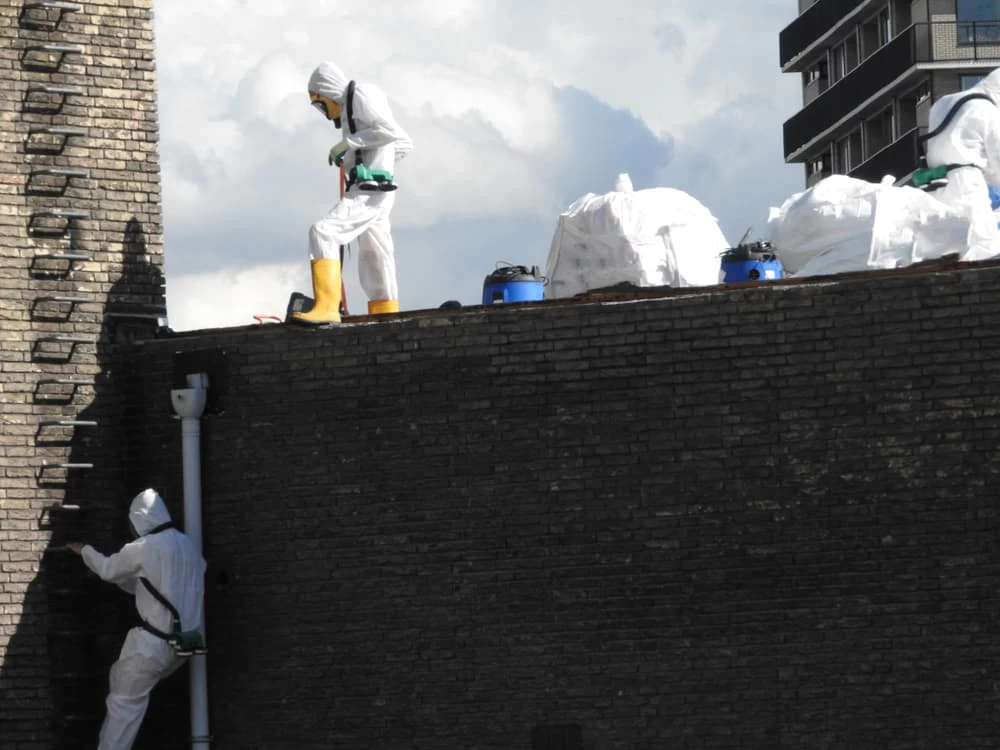
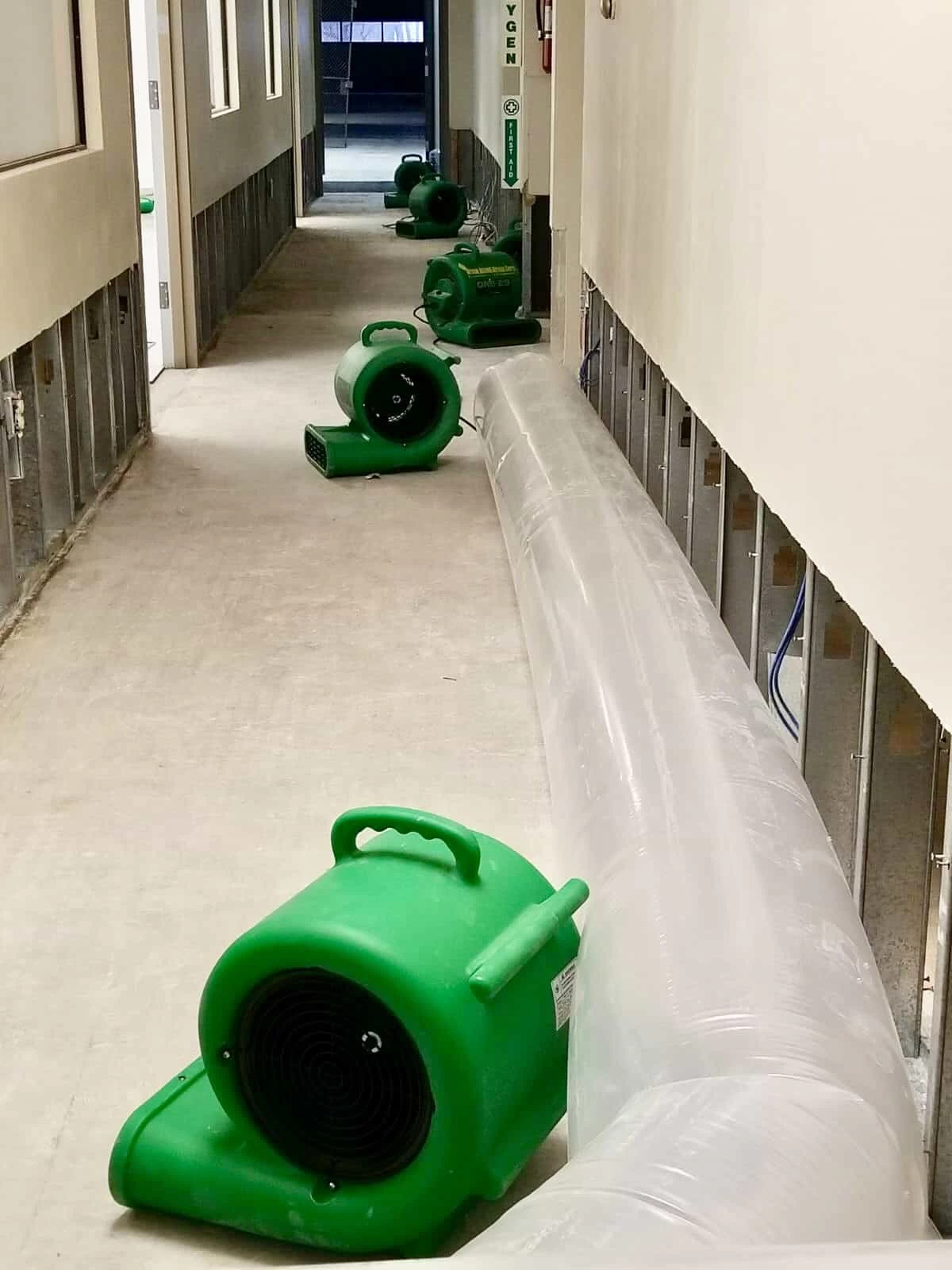
If abatement is needed, we file the ACP-7 project notification with the NYC DEP at least seven days before work begins that’s a legal requirement, and we handle it. The work area is sealed and placed under negative air pressure using Microtrap air scrubbers, which means fibers stay contained during removal. Your family is not in the building during this phase. Most residential projects in Addisleigh Park are completed within one to five days.
When the physical removal is done, we don’t just pack up and leave. Post-removal air quality testing is conducted before containment is broken. The clearance results are documented and filed with the DEP within the required 21-day window. That clearance certificate is what your contractor needs to proceed, what your real estate attorney will ask for, and what gives you the documented proof not just the assumption that your home is safe. If reconstruction is needed after abatement, we handle that too, under the same roof, the same license, and the same accountability.
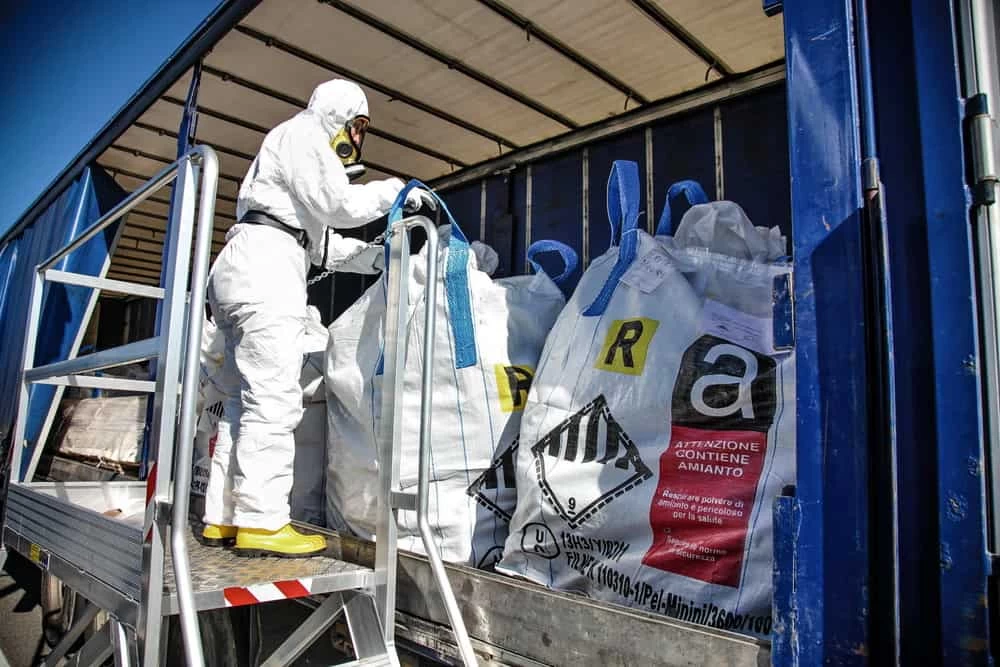
Asbestos abatement in Addisleigh Park isn’t a single task it’s a sequence of legally required steps, and every one of them matters. The inspection and testing phase establishes what you’re dealing with. The abatement phase removes it safely, under containment, with licensed workers and proper disposal. The clearance phase confirms the air is clean. And the documentation phase produces the records that satisfy the NYC DEP’s post-project filing requirements.
Because Addisleigh Park sits within a designated NYC Landmarks Historic District, exterior renovation work carries an additional layer LPC oversight. If your project involves roofing, siding, or window materials that may contain asbestos, the abatement documentation we produce becomes part of a broader permitting package that also involves the Landmarks Preservation Commission. We’re familiar with that process, and we make sure the paperwork we produce is complete enough to support it.
For homeowners dealing with water or fire damage which is one of the most common ways asbestos gets disturbed in older homes we handle water damage restoration and asbestos abatement together, and we bill insurance directly. Southeast Queens has seen its share of storm-related flooding, and a basement full of 1930s floor tiles and original pipe insulation is exactly the scenario where you need one company that can do both. We also handle asbestos tile removal, popcorn ceiling removal where applicable, and pipe insulation abatement the materials most commonly found in Addisleigh Park’s pre-war housing stock.
Does my Addisleigh Park home need an asbestos inspection before renovation permits are issued?
Yes and this is not optional. The NYC Department of Buildings requires an asbestos assessment for any pre-1987 building before a renovation permit can be issued. Since virtually every home in Addisleigh Park was built in the 1920s or 1930s, this requirement applies to essentially the entire neighborhood.
If the assessment finds that asbestos-containing materials will be disturbed by the planned work, a licensed abatement contractor must be retained and an ACP-7 project notification filed with the NYC DEP at least seven days before work begins. Skipping this step or hiring someone who doesn’t file correctly can result in fines between $1,200 and $10,000 per infraction, voided permits, and work stoppages that can set a renovation back by weeks. If you’re also dealing with the LPC’s Certificate of Appropriateness process for exterior work, the asbestos documentation becomes part of that permitting package too.
Where is asbestos most commonly found in a 1920s or 1930s Queens home?
In homes from that era which describes most of Addisleigh Park asbestos shows up in a fairly predictable set of places. Vinyl asbestos floor tiles are extremely common, particularly in kitchens, bathrooms, and basements. Pipe and boiler insulation is another high-probability area; heating systems in pre-war homes were almost universally wrapped in asbestos-containing materials.
Plaster walls and drywall joint compound from that period frequently contain asbestos as well, which means opening a wall during a renovation can disturb material that’s been stable for 90 years. Roofing felts, window glazing compounds, and ceiling textures are also common sources in homes from this construction era.
How long does asbestos abatement take in a residential home in Addisleigh Park?
For most residential projects in Addisleigh Park, the physical abatement work takes between one and five days, depending on the scope how many materials are involved, how much square footage is affected, and whether the work is localized to one area or distributed across multiple rooms or systems.
The timeline also includes the mandatory seven-day waiting period between the ACP-7 filing with the NYC DEP and the start of abatement work, so factor that into your overall project schedule. After the physical removal is complete, post-clearance air quality testing is conducted before the containment is broken and the space is cleared for reoccupancy.
What are the NYC DEP filing requirements for asbestos abatement in New York City?
The NYC Department of Environmental Protection governs asbestos abatement within the five boroughs under Title 15, Chapter 1 of the NYC Rules a separate and more detailed regulatory framework than what applies in the rest of New York State. Before any permitted renovation work begins on a pre-1987 building, the building owner must have a DEP-certified asbestos investigator conduct a survey.
If asbestos-containing materials will be disturbed, the abatement contractor must file an ACP-7 project notification through the NYC DEP’s Asbestos Reporting and Tracking System (ARTS) at least seven days before work starts. When the project is complete, a clearance air monitoring report must be filed with the DEP within 21 days.
Can water damage in an older Addisleigh Park home disturb asbestos that was previously safe?
Yes, and it’s one of the most common ways asbestos becomes a problem in pre-war homes. Asbestos-containing materials that have been undisturbed for decades are generally considered stable but water changes that equation quickly. When moisture infiltrates a basement or crawl space, it can soften and degrade vinyl asbestos floor tiles, saturate pipe insulation, and damage ceiling or wall materials that were previously intact.
Once those materials are wet, compromised, or physically disturbed during the cleanup process, fibers that were previously contained can become airborne. Southeast Queens has experienced significant storm-related flooding, and Addisleigh Park homes with their original 1930s construction materials largely intact are exactly the type of properties where a flooding event can turn into an asbestos situation without warning.
Does Green Island Group handle asbestos abatement in Addisleigh Park's historic district homes?
Yes, and the historic district context is something we take seriously. Addisleigh Park is both an NYC Landmarks Preservation Commission Historic District and a National Register of Historic Places property a dual designation that is rare in Queens and that adds regulatory complexity to renovation work. The LPC regulates exterior alterations to buildings within the district, which means that if your project involves exterior materials that may contain asbestos roofing, siding, window compounds the abatement documentation we produce needs to support not just the NYC DEP filing but also the LPC permitting process.
We’re also aware that the National Register listing makes qualifying rehabilitation work potentially eligible for federal historic preservation tax credits. That means properly permitted, documented renovation work which starts with a compliant asbestos assessment and abatement has a direct financial dimension for some Addisleigh Park homeowners beyond the safety and compliance requirements alone.