Most homes in Ardsley were built in the 1940s and 50s right when asbestos was standard. If you’re renovating, selling, or just found something suspicious, we give you a straight answer and a clear path forward.
I needed a professional consultation explanation of procedure for safe removal of Asbestos in my apartment complex. Without having an account yet, I was very impressed with the caring, knowledgeable and generous advice offered by Jessica, and will look forward to doing business in the future. Thank you so much! I feel much more informed about a sometimes scary endeavor. Peace. Nancy Silva Mineola, NY.
Mia Munoz
Used this company to clean up some water flood in my house. They were fast and easy to work with.very professional, Would recommend to anyone!
Nini Valle
Great company, had a flood and they responded quickly and efficiently. Billed my insurance company directly. I highly recommend this company!
joe colapietro, jr
I had pipe freeze in my basement right before a snow storm and they made to within an hour to help start the clean up process. They we by our side throughout the entire process and even helped with the insurance company. They did such a great job with the cleanup, repair, remidiation, I contracted them to perform the repairs and finishes in the basement. They came with enough manpower and material to get the job done. Leo and Jessica were nothing but a pleasure to deal with!!
Cristian Arredondo c
I had some water damage in my home and Green Island was able to take care of my issue quickly and effectively. I am very pleased with the work they did. They responded quickly and were very professional.
Michael M
Outstanding service! From the office to the field crew everyone was friendly, helpful and responsive. I highly recommend Green Island Group.
You stop guessing. That’s the first thing. When you’re living in a split-level or ranch that was built in 1955, there’s a real chance asbestos is somewhere in that house under the floor tiles, above the ceiling, wrapped around the pipes on your boiler. Most homeowners don’t find out until a renovation contractor pulls something apart or a home inspector flags it before closing. At that point, the clock is already ticking.
Once abatement is done correctly, you have documentation. That matters more than most people realize. Ardsley’s real estate market moves fast homes are selling in around 35 days on average and a buyer’s attorney or lender asking about asbestos mid-transaction can derail everything. A completed abatement with post-clearance air testing on file removes that risk entirely. It’s not just peace of mind. It’s a cleaner sale, a stronger negotiating position, and one less thing that can blow up a deal.
For families who moved to Ardsley specifically for the schools and the community, there’s something else: knowing the air in your home has been tested and cleared. That matters when you have kids in the house.
We hold the NYS Department of Labor Asbestos Handling License the license required by state law for every abatement project in New York, including every job in Ardsley and across Westchester County. That’s not a marketing line. It’s a public record you can verify on the NYS DOL’s contractor database before you ever call us.
Beyond the state license, we carry EPA certification, NYS DEC compliance for waste disposal, and M/WBE certification from the NYS Office of General Services a credential that requires formal state vetting, not a self-designation. With more than 5,000 completed projects across the New York metro area, our team has worked through every material type you’d find in the postwar housing stock that defines Ardsley vinyl floor tiles, acoustic ceiling texture, pipe insulation, original joint compound. This isn’t new territory for us.
The free on-site inspection means you find out exactly what you’re dealing with before committing to anything.
No Surprises Here's Exactly What the Job Looks Like
It starts with a free on-site inspection. A licensed professional comes to your home, walks through the areas of concern, and identifies which materials need to be tested or removed. For most Ardsley homes built in the 1940s and 50s, that means looking at floor tiles, ceiling texture, pipe insulation on older heating systems, and drywall compound all common in the ranch and split-level construction that fills the village’s residential streets. You get a clear, itemized estimate before any work begins.
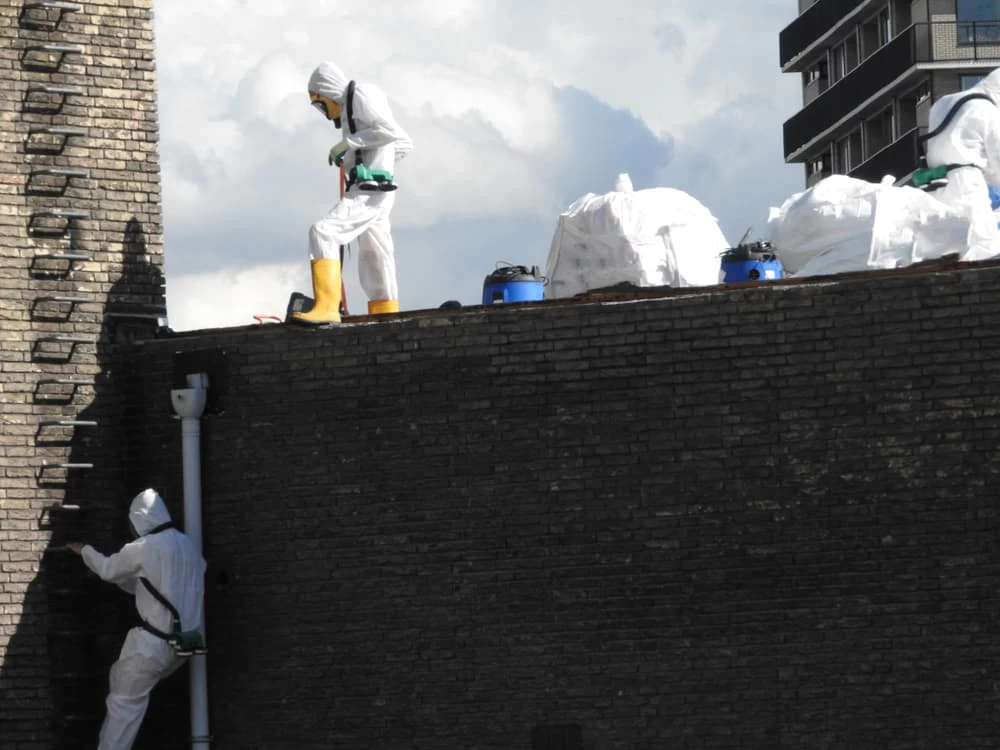
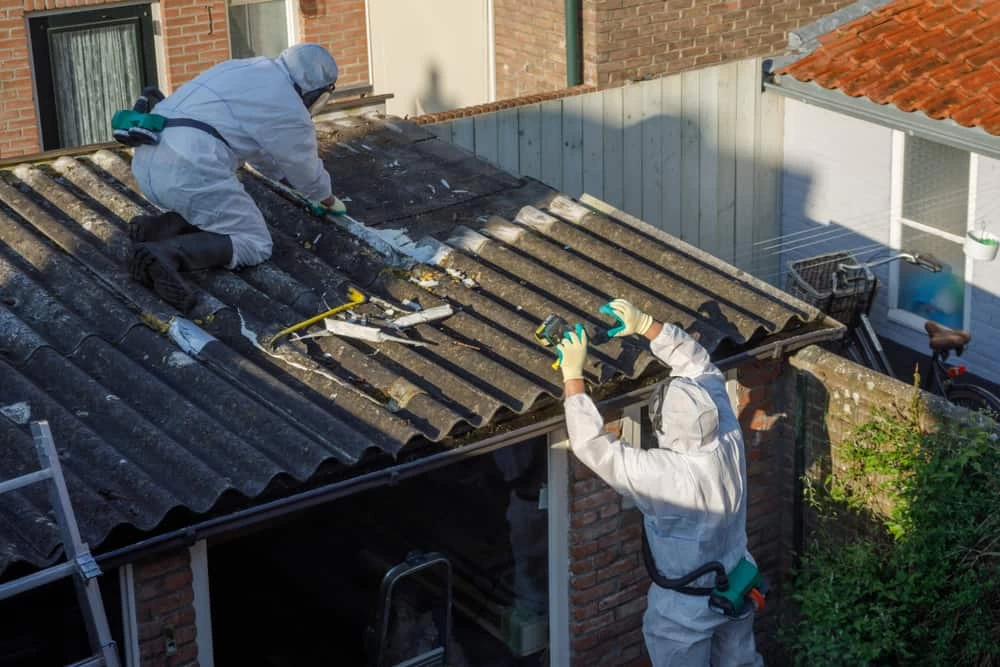
Once the scope is confirmed, the work area is sealed under full negative air pressure containment. That means air flows into the containment zone, not out of it. HEPA-filtered air scrubbers run throughout the project. Workers move through a decontamination chamber on entry and exit. The rest of your home stays protected while the abatement is underway. All asbestos waste is transported by a licensed hauler to an approved disposal facility, with a complete chain-of-custody manifest maintained the entire way as required under NYS Industrial Code Rule 56, which governs every abatement project in Ardsley.
The job isn’t finished when the material is removed. Post-abatement air clearance testing confirms that fiber levels have returned to background. You receive that clearance documentation as a standard deliverable not an add-on. If you’re working against a renovation start date or a real estate closing, that document is exactly what your contractor, attorney, or lender needs to move forward.
Every Material Type Found in Ardsley Homes, Handled in One Project
The most common asbestos-containing materials found in Ardsley’s postwar housing stock are vinyl floor tiles particularly the 9×9 and 12×12 inch formats that were standard in residential construction through the 1960s acoustic ceiling texture, pipe and duct insulation on older heating systems, and original drywall joint compound. These materials are often found in the same house at the same time. We’re licensed and equipped to handle all of them in a single project, with one inspection, one estimate, one waste manifest, and one clearance report.
Asbestos tile removal and popcorn ceiling removal are two of the most frequent requests from Ardsley homeowners undertaking kitchen, bathroom, and basement renovations. Both require proper containment, licensed removal, and certified disposal not a DIY approach, and not a general contractor pulling up tile without testing it first. If your renovation contractor has flagged suspect materials before starting work, that’s the right call. Getting those materials tested and abated before demo begins protects everyone on the job.
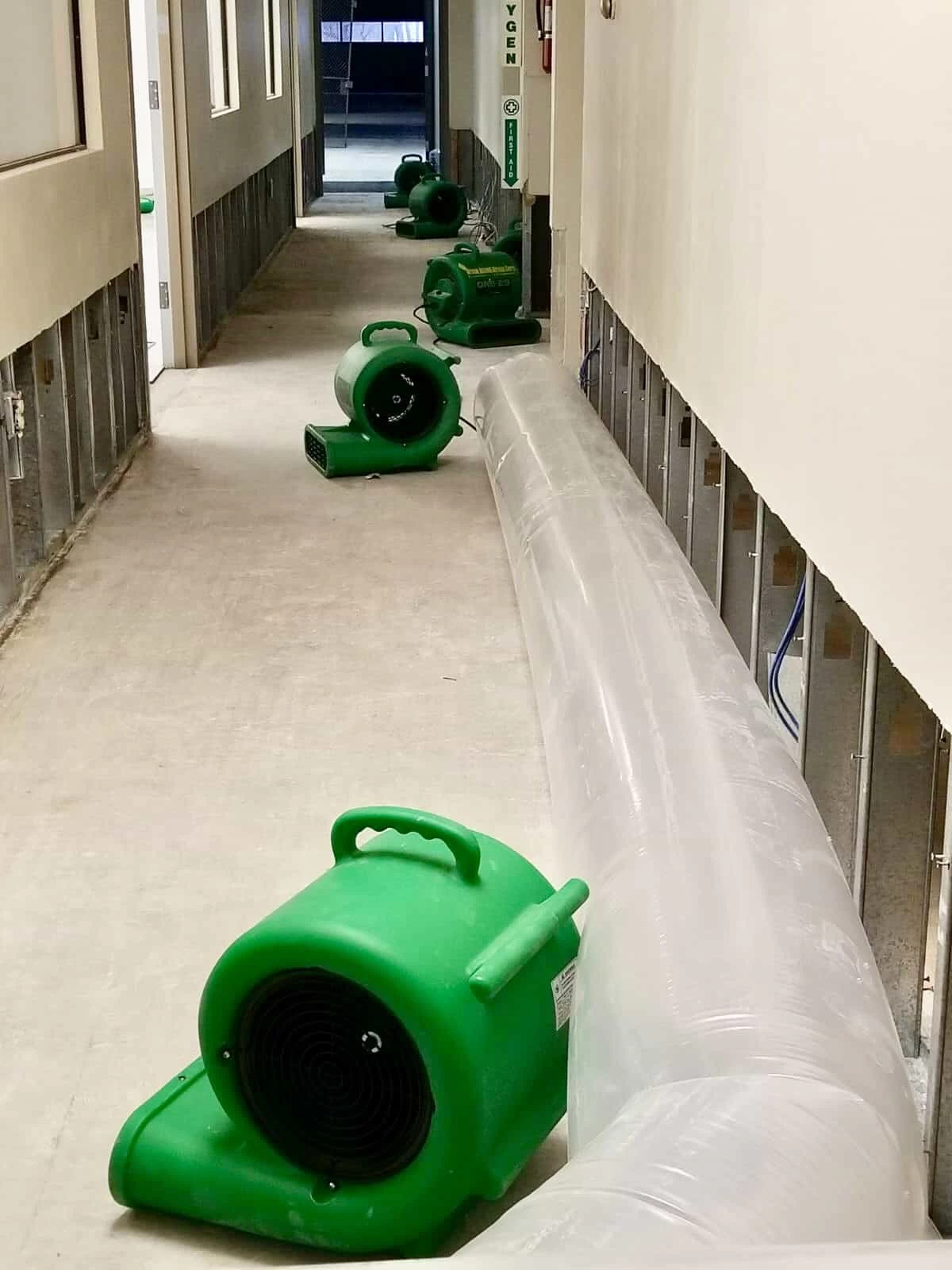
We also work directly with insurance carriers for projects triggered by water damage which matters in a village where the Sprain Brook and Saw Mill River both run through town and older pipe systems in postwar homes are a real freeze-thaw risk every winter. If a water event has disturbed materials in your home, we handle the abatement side and bill the carrier directly so you’re not managing that paperwork on top of everything else.
Does my 1950s Ardsley ranch or split-level likely contain asbestos?
Almost certainly in at least one location, yes. The median construction year for homes in Ardsley’s ZIP code is 1958, and the village’s dominant housing types ranches, split-levels, raised ranches, and Cape Cods were all built during the peak era of asbestos use in residential construction. That means vinyl floor tiles in the basement or kitchen, acoustic ceiling texture in living areas, pipe insulation on boilers and heating ducts, and joint compound on original drywall are all common finds in Ardsley homes.
The important distinction is that the presence of asbestos-containing materials doesn’t automatically mean you’re in danger. Materials that are intact and undisturbed generally don’t release fibers. The risk comes when those materials are disturbed during a renovation, a water damage event, or a demolition. If you’re planning any work on an older Ardsley home, a professional inspection before you start is the right first step. It costs you nothing with us, and it tells you exactly what you’re dealing with before anyone touches a wall or a floor.
Do I need asbestos testing before renovating an older home in Ardsley?
In New York State, the answer is effectively yes and it’s not just a recommendation. NYS Industrial Code Rule 56 requires that asbestos-containing materials be identified and properly abated before renovation or demolition work begins. The NYS DOL also requires a pre-demolition asbestos survey before any building or structure is demolished, regardless of age. For Ardsley homeowners, that means if you’re gut-renovating a kitchen, finishing a basement, or tearing out a ceiling, you need to know what’s in those materials before your contractor starts demo.
Beyond the legal requirement, there’s a practical reason: if a general contractor disturbs asbestos-containing materials without a licensed abatement contractor on site, you have a contamination problem that’s significantly more expensive to remediate than if you’d handled it before work began. The Town of Greenburgh’s building department may also require documentation of asbestos survey or abatement results before issuing permits for certain renovation projects in Ardsley. Getting the inspection done first protects you legally, financially, and from a health standpoint.
Can I stay in my house during asbestos removal in Ardsley?
It depends on where the work is being done and the scope of the project. For smaller, contained projects like removing asbestos floor tiles in a single room or abating pipe insulation in a mechanical closet it’s often possible to remain in the home as long as the work area is properly sealed and isolated. For larger projects involving multiple areas, or work in central HVAC or ventilation systems, temporary relocation is usually the safer and more practical choice.
We’ll give you a straight answer on this during the inspection, based on the specific scope of your project. The containment setup negative air pressure, polyethylene barriers, decontamination chambers is designed to protect the rest of the home during work. But whether that’s sufficient for your family’s situation depends on factors like the size of the project, the location of the work area, and whether you have young children or anyone with respiratory sensitivities in the household. You’ll know what to expect before the job starts, not after.
How does asbestos abatement affect a home sale in Ardsley's real estate market?
It can make or break a transaction. Ardsley’s market is competitive homes move in roughly 35 days on average and buyers, lenders, and attorneys in Westchester County are increasingly aware of asbestos risk in pre-1980 homes. If a buyer’s inspector flags suspected asbestos-containing materials during due diligence, you’re suddenly negotiating a price reduction, a repair credit, or a delayed closing. In some cases, a lender will refuse to fund the loan until the issue is resolved.
A completed abatement project with post-clearance air documentation on file changes that dynamic entirely. It removes the disclosure liability, gives buyers’ attorneys something concrete to review, and protects your sale price. For a home valued at $800,000 or more which is typical in Ardsley the cost of professional abatement is a small fraction of what a failed deal or a forced price reduction would cost. Sellers who handle it proactively before listing are in a much stronger position than those who wait for it to come up in inspection.
What's the difference between asbestos encapsulation and full removal?
Encapsulation means treating or sealing the asbestos-containing material in place so it can’t release fibers, rather than physically removing it. Full removal abatement means the material is taken out entirely, bagged, and disposed of at a licensed facility. Both are legitimate approaches under NYS Industrial Code Rule 56, but which one is appropriate depends on the condition of the material, what’s being done with the space, and what your long-term plans are for the property.
Encapsulation is sometimes appropriate for materials that are in good condition and won’t be disturbed certain pipe insulation or floor tiles in an area that won’t be renovated, for example. But if you’re planning a renovation that will disturb the material, or if you’re preparing to sell, full removal with clearance documentation is almost always the better choice. Encapsulation doesn’t give you the same clean documentation trail that a buyer’s attorney or lender wants to see. We’ll walk you through both options during the inspection and give you a clear recommendation based on your specific situation.
How long does an asbestos abatement project typically take in an Ardsley home?
Most residential asbestos abatement projects in Ardsley take anywhere from one day to several days, depending on the scope. A single-room floor tile removal or a contained pipe insulation project can often be completed in a day. A larger project involving multiple material types floor tiles, ceiling texture, and pipe insulation across several areas of a postwar ranch or split-level typically runs two to four days, plus time for post-abatement air clearance testing and documentation.
The clearance testing itself usually takes a few hours, and results are generally available within 24 to 48 hours. If you’re working against a renovation contractor’s start date or a real estate closing deadline, that timeline matters. We’ll give you a realistic project schedule during the estimate phase not a number designed to get you to sign, but an honest assessment of what the job requires. For projects triggered by water damage events, which can happen in older Ardsley homes along the Sprain Brook corridor during heavy rain seasons, our team can move quickly to assess and begin containment so the abatement doesn’t hold up the broader restoration work.