Astoria's Pre-War Buildings Hide This Here's What to Do
If your renovation just stopped cold, or an inspector flagged something in your walk-up off Ditmars or 30th Avenue, you’re in the right place. We handle asbestos abatement in Astoria from first assessment through final air clearance fully licensed, NYC DEP compliant, and available around the clock.
I needed a professional consultation explanation of procedure for safe removal of Asbestos in my apartment complex. Without having an account yet, I was very impressed with the caring, knowledgeable and generous advice offered by Jessica, and will look forward to doing business in the future. Thank you so much! I feel much more informed about a sometimes scary endeavor. Peace. Nancy Silva Mineola, NY.
Mia Munoz
Used this company to clean up some water flood in my house. They were fast and easy to work with.very professional, Would recommend to anyone!
Nini Valle
Great company, had a flood and they responded quickly and efficiently. Billed my insurance company directly. I highly recommend this company!
joe colapietro, jr
I had pipe freeze in my basement right before a snow storm and they made to within an hour to help start the clean up process. They we by our side throughout the entire process and even helped with the insurance company. They did such a great job with the cleanup, repair, remidiation, I contracted them to perform the repairs and finishes in the basement. They came with enough manpower and material to get the job done. Leo and Jessica were nothing but a pleasure to deal with!!
Cristian Arredondo c
I had some water damage in my home and Green Island was able to take care of my issue quickly and effectively. I am very pleased with the work they did. They responded quickly and were very professional.
Michael M
Outstanding service! From the office to the field crew everyone was friendly, helpful and responsive. I highly recommend Green Island Group.
Your Astoria Project Moves Again Safely and Legally
Asbestos doesn’t just create a health risk. In Astoria, it creates a full stop. A renovation halted mid-demo. A closing delayed because an inspection flagged pipe insulation in the basement. A co-op board scrambling because a shareholder cracked open a wall and found something that shouldn’t be disturbed. The real outcome you need isn’t just removal it’s the clearance certificate, the DEP filing, and the documented proof that lets your project, your sale, or your building move forward.
Astoria’s building stock makes this more common than most people expect. The brick walk-ups and low-rise co-ops that line the side streets off Broadway and Ditmars Boulevard were built in the 1920s and 1930s, when asbestos was standard in floor tiles, pipe insulation, ceiling texture, and drywall compound. If you’re renovating, selling, or managing a building in Astoria that went up before 1980, the odds are real that asbestos-containing materials are somewhere in the structure.
What changes after proper abatement isn’t just the air quality it’s the legal standing of your property. You have documentation. Your permits can close. Your tenants are protected. Your insurance claim can move. That’s the outcome that actually matters, and it’s what we’re built to deliver.
The Credentials That Actually Matter in New York City
We’re a full-service environmental remediation and restoration contractor licensed to operate throughout all five boroughs of New York City, including Queens. That means Astoria isn’t a stretch of our service area it’s part of our core territory, and we know the regulatory environment here specifically.
The credential stack matters in a city with one of the most complex asbestos frameworks in the country. We hold NYS DOL Asbestos licensing, USEPA Lead and RRP certifications, NYC BIC licensing, and NYS/NYC M/WBE certifications. That combination covers the full range of what Astoria property owners face from a single pre-war apartment on 30th Avenue to a multi-unit building near Ravenswood where industrial history and aging infrastructure overlap.
We operate 24 hours a day, seven days a week. Our reviews consistently mention named staff, rapid response, and direct insurance billing specifics that matter when you’re managing a building in Astoria, not just a single home.
It starts with an assessment. A certified inspector comes out, evaluates the materials in question, and tells you exactly what you’re dealing with. If asbestos-containing materials are confirmed, the next step is filing the ACP-7 Asbestos Project Notification through NYC DEP’s ARTS system a required step that must happen at least one week before any abatement work begins. We handle that filing for you. You don’t need to learn the system or track the deadline.
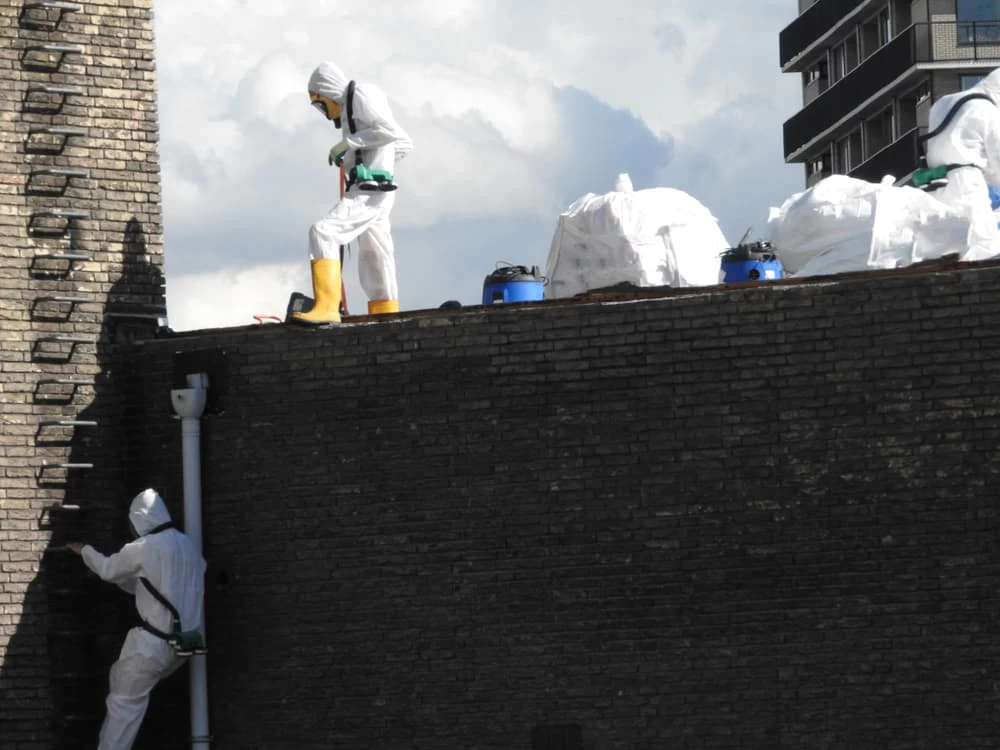
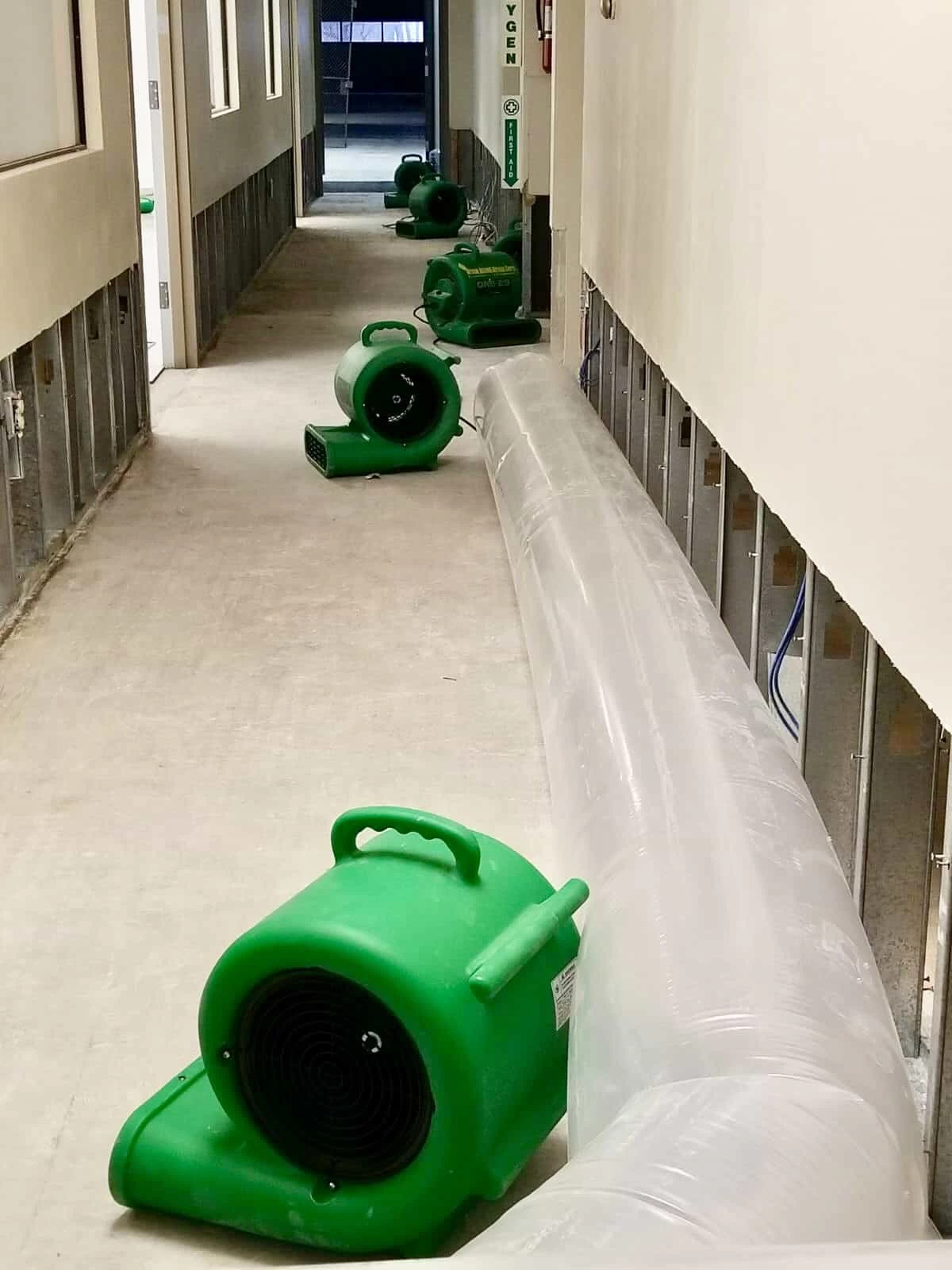
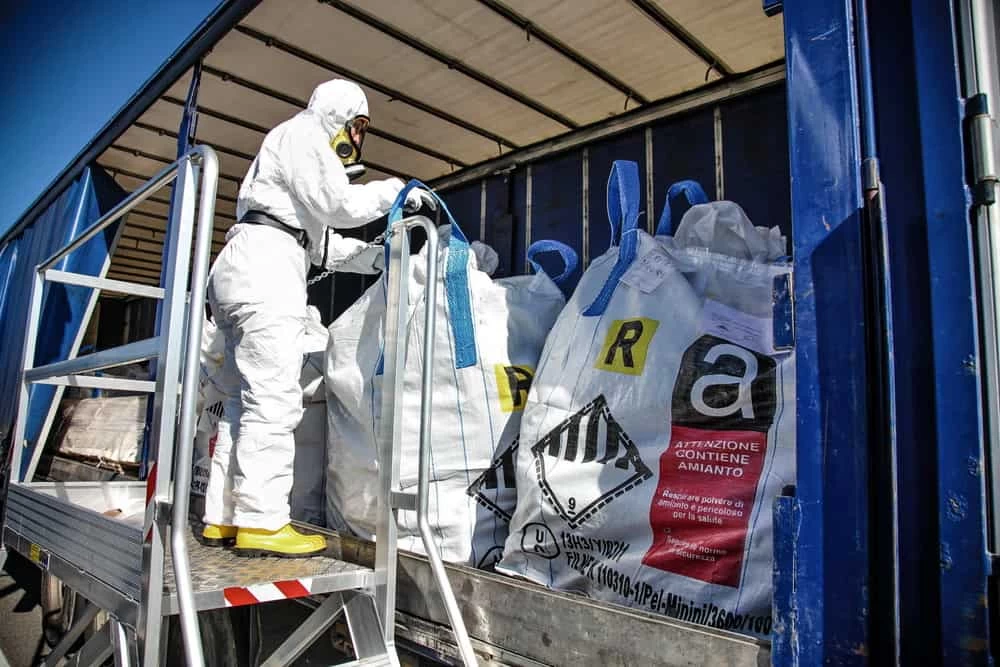
Once the filing is in place, the abatement work begins under full containment. The work area is sealed, Microtrap air scrubbers run continuously to maintain negative air pressure, and all materials are removed and disposed of at a licensed facility with a documented waste manifest. This isn’t a tearout-and-go situation every step is tracked because every step has regulatory weight in New York City.
After removal, post-abatement air clearance testing is conducted before the space is reoccupied. That clearance certificate is what your insurance company, your real estate attorney, your co-op board, or your DEP inspector will ask for. As of January 2026, NYC DEP also requires all ACP-5 forms to be filed digitally paper submissions are no longer accepted. If you’re working with a contractor who isn’t current on that, it will cost you time. We stay current on every requirement.
Every Job Covered From Tile to Pipe Insulation to Clearance Cert
Asbestos shows up differently depending on when and how a building was constructed. In Astoria’s pre-war walk-ups, the most common materials are 9×9 vinyl asbestos floor tiles from the 1940s and 1950s, asbestos-wrapped steam pipe insulation in basement mechanical rooms, popcorn and textured ceilings from mid-century renovations, and drywall joint compound used through the early 1980s. Our certified inspectors know where to look in buildings like these not because it’s on a checklist, but because we’ve worked in them.
The full scope of our services includes inspection and testing, abatement, encapsulation where appropriate, asbestos tile removal, popcorn ceiling removal, and post-removal air quality verification. If the discovery is connected to a water damage event a burst pipe in a pre-war building that damaged asbestos insulation, for example we also handle the water damage restoration and reconstruction under the same contract. That matters for Astoria landlords and building owners who don’t want to manage three separate contractors across a single event.
For commercial clients, developers, and property managers working on projects in Astoria’s active development pipeline including pre-demolition surveys required before NYC DOB will issue a permit we’re equipped for commercial-scale work and hold the M/WBE certifications that government and institutional procurement often requires.
Do I need a NYC DEP permit before asbestos removal in Astoria?
Yes, and it’s not optional. Before any renovation or demolition work that may disturb building materials in New York City, the property owner is required to have a DEP-certified asbestos investigator conduct a survey. If the survey confirms asbestos-containing materials will be disturbed, an ACP-7 Asbestos Project Notification must be filed through NYC DEP’s online ARTS system at least one week before work begins. There’s also a filing fee associated with that submission.
On top of that, NYC DEP requires an independent air-monitoring firm separate from the abatement contractor to be present during the work. That’s a New York City-specific requirement that goes beyond what most other jurisdictions mandate. After abatement is complete, post-clearance air testing is required before the space can be reoccupied. As of January 2026, ACP-5 forms must also be filed digitally through DEP eFiling paper is no longer accepted. If your contractor isn’t current on these requirements, your project will hit delays. We handle the full DEP process as part of every job in Astoria.
How do I know if my Astoria apartment or building actually contains asbestos?
The only way to know for certain is to have a certified inspector test the materials in question visual identification alone isn’t reliable. That said, if your building was constructed before 1980, the probability is high enough that you should assume it until proven otherwise. Astoria’s residential building stock is heavily pre-war, with many brick walk-ups along Ditmars Boulevard, 30th Avenue, and Broadway dating to the 1920s and 1930s. Asbestos was a standard building material throughout that era.
The most common locations in Astoria buildings are floor tiles particularly the 9×9 vinyl tiles used in apartments built between the 1940s and 1960s basement pipe and boiler insulation, popcorn or textured ceilings from mid-century renovations, and drywall joint compound. If you’re planning a renovation that involves pulling up floors, opening walls, or replacing ceilings in a pre-war building, a pre-renovation asbestos survey isn’t just smart it’s legally required in New York City before work that may disturb those materials can begin.
What happens if asbestos is discovered mid-renovation in my Astoria property?
Stop the work. That’s the first and most important step. Disturbing asbestos-containing materials without proper containment and licensed abatement is a violation of NYC DEP regulations and can result in stop-work orders, fines, and significant liability especially if tenants or workers were present during the disturbance.
Once work stops, a certified inspector needs to assess the extent of the affected materials. From there, the ACP-7 filing process begins, and abatement is scheduled. In New York City, the one-week advance filing requirement means there’s a minimum timeline from discovery to the start of abatement work which is why fast response from a licensed contractor matters. We operate 24/7 and can begin the assessment and filing process immediately. The sooner the paperwork is in motion, the sooner your Astoria project can legally resume. Trying to work around it or minimize it almost always makes the timeline longer, not shorter.
How much does asbestos removal typically cost in Astoria, NY?
For residential projects, asbestos removal generally runs between $5 and $20 per square foot depending on the material type, location, and scope of work. A typical single-room project might average around $2,000 to $3,000. Larger jobs a full basement pipe insulation removal, a multi-unit floor tile abatement, or a pre-demolition survey and clearance for a building going through a gut renovation will scale considerably from there.
In Astoria specifically, the regulatory requirements add some fixed costs that are the same regardless of project size: the ACP-7 filing fee, independent air monitoring during the work, and post-clearance testing. These aren’t optional line items they’re part of what a compliant job in New York City actually costs. The more important framing, though, is what it costs not to do it correctly. A DEP violation, a failed permit close-out, or a tenant health liability claim in New York City will run significantly higher than the abatement itself. The cost of doing it right is almost always less than the cost of doing it wrong.
Can asbestos abatement in Astoria be covered by homeowners or property insurance?
It depends on how the asbestos was discovered and what triggered the claim. If asbestos-containing materials were disturbed or damaged as a result of a covered event a burst pipe, a water damage incident, or a fire there’s a reasonable basis for an insurance claim that includes the abatement as part of the restoration. In those cases, we bill the insurance company directly, which removes the burden of fronting costs and navigating the claims process on your own.
If the asbestos discovery is the result of a planned renovation or a routine inspection, that’s typically not a covered event under a standard property policy. In those situations, the cost is out of pocket. Either way, the documentation that comes out of a proper abatement clearance certificates, air quality reports, waste disposal manifests, and DEP filing receipts is what your insurer, your attorney, or your co-op board will need to close the loop. We provide all of it as a standard part of every job, not as an add-on.
Does Green Island Group handle asbestos abatement in Astoria's larger multi-unit buildings?
Yes, and it’s a significant part of the work we do in this area. Astoria’s homeownership rate sits around 18 percent, which means the majority of properties here are managed by landlords, building owners, co-op boards, and property managers not individual homeowners. The typical abatement project in Astoria isn’t a single apartment; it’s a pre-war walk-up with multiple units, a building-wide capital improvement that uncovered asbestos floor tiles on three floors, or a pre-demolition survey required before a developer can pull a permit.
We’re equipped for that scale. The same licensed process certified inspection, ACP-7 filing, full containment, independent air monitoring, post-clearance testing, and documented waste disposal applies whether the job is one room or an entire building. For commercial developers and property managers with government or institutional procurement requirements, we also hold NYS MBE, NYS WBE, NYC MWBE, and NJ DBE certifications, making us eligible for diversity-spend contracts in a borough where that requirement comes up regularly.