Older Homes, Ocean Air, and Asbestos That Doesn't Wait
Most Atlantic Beach homes were built in the 1950s — and they’re carrying materials that need to come out before you touch a wall. We handle asbestos abatement the right way, start to finish.
I needed a professional consultation explanation of procedure for safe removal of Asbestos in my apartment complex. Without having an account yet, I was very impressed with the caring, knowledgeable and generous advice offered by Jessica, and will look forward to doing business in the future. Thank you so much! I feel much more informed about a sometimes scary endeavor. Peace. Nancy Silva Mineola, NY.
Mia Munoz
Used this company to clean up some water flood in my house. They were fast and easy to work with.very professional, Would recommend to anyone!
Nini Valle
Great company, had a flood and they responded quickly and efficiently. Billed my insurance company directly. I highly recommend this company!
joe colapietro, jr
I had pipe freeze in my basement right before a snow storm and they made to within an hour to help start the clean up process. They we by our side throughout the entire process and even helped with the insurance company. They did such a great job with the cleanup, repair, remidiation, I contracted them to perform the repairs and finishes in the basement. They came with enough manpower and material to get the job done. Leo and Jessica were nothing but a pleasure to deal with!!
Cristian Arredondo c
I had some water damage in my home and Green Island was able to take care of my issue quickly and effectively. I am very pleased with the work they did. They responded quickly and were very professional.
Michael M
Outstanding service! From the office to the field crew everyone was friendly, helpful and responsive. I highly recommend Green Island Group.
When asbestos is handled properly, you stop worrying about what’s inside your walls and start moving forward — whether that’s a renovation, a sale, or just peace of mind knowing your home is safe. That’s the actual outcome. Not paperwork. Not a phone call. Real clearance, documented and done.
Atlantic Beach homes sit in one of the most demanding environments on Long Island. Salt air off the Atlantic, decades of humidity cycling through crawl spaces and basements, and the kind of freeze-thaw winters that accelerate material breakdown — all of it works against older building materials faster than it would inland. When asbestos-containing materials start to degrade in a coastal home, they don’t stay contained. That’s when exposure risk becomes real, and that’s when you need someone who understands what they’re dealing with.
The other piece that matters here is compliance. The Village of Atlantic Beach requires permits for virtually every alteration — including window replacements — and New York State law mandates an asbestos inspection before any renovation that could disturb those materials. If you’re planning a kitchen update, a bathroom gut, a roof replacement, or anything structural, asbestos abatement isn’t optional. It’s the step that has to happen first. Getting it handled correctly from the start keeps your project on schedule and your contractor out of a regulatory problem.
We Already Know What Barrier Island Homes Are Dealing With
We’re a Nassau County-based environmental services company, and we’ve been working on properties across the Long Beach Barrier Island long enough to know that Atlantic Beach isn’t a typical suburb. The homes here are older, the environment is harder on building materials, and the access situation — one toll bridge in and out — means you need a contractor who shows up prepared, not one figuring it out on the fly.
We’re IICRC-certified, fully licensed by the New York State Department of Labor, and carry full insurance on every job. That matters when the Village’s building department or your buyer’s attorney asks for documentation — and in Atlantic Beach, they will ask. We handle asbestos abatement, testing, and clearance, and we also do water damage restoration and mold remediation, which means if your project has overlapping issues after a storm or flooding event, you’re not managing three different contractors.
The work we do here covers everything from pre-1950 floor tile removal to popcorn ceiling abatement to pipe insulation in homes with old steam heat systems. We know what to look for in homes built during the asbestos era, and we know how to document it for Nassau County compliance.
It starts with an inspection. Before anything is touched, a licensed inspector assesses the property and identifies any asbestos-containing materials — floor tiles, ceiling texture, pipe insulation, roofing materials, siding, whatever the home has. In Atlantic Beach, where the median construction year is 1958, that inspection almost always turns up something. That’s not alarming — it’s just the reality of the housing stock here, and knowing what you’re dealing with is the whole point.
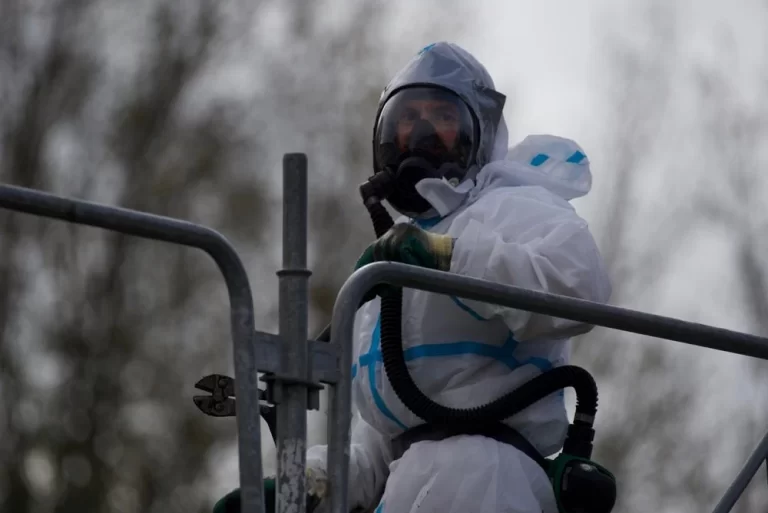
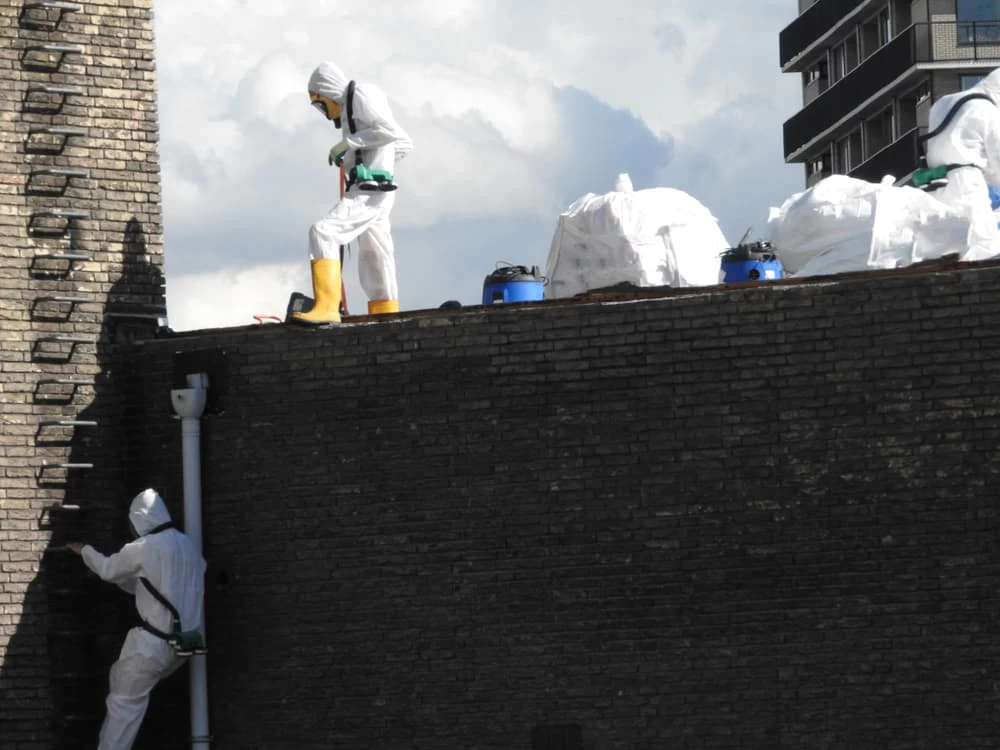
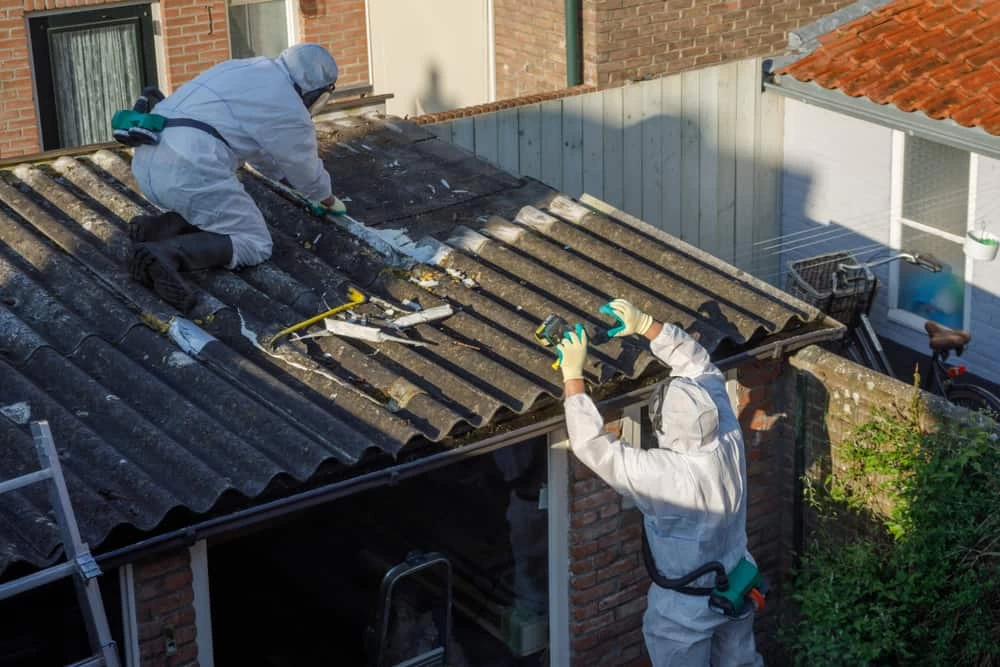
If asbestos is confirmed, we develop a removal plan that complies with both New York State DOL requirements and the Village of Atlantic Beach’s permitting standards. The abatement itself is done under controlled conditions — proper containment, negative air pressure where required, and licensed workers trained specifically for this work. Nothing gets disturbed without the right protocols in place. Waste is removed and disposed of according to EPA and state regulations, with full documentation at every step.
Once the work is complete, air quality clearance testing confirms the space is safe. You get a complete paper trail — inspection findings, scope of work, clearance results, disposal manifests. That documentation is what your renovation contractor needs to proceed, what your building department wants to see, and what a buyer’s attorney will request if you’re selling. We build that file as part of every job, not as an afterthought.
What's Actually Included When We Handle Your Abatement
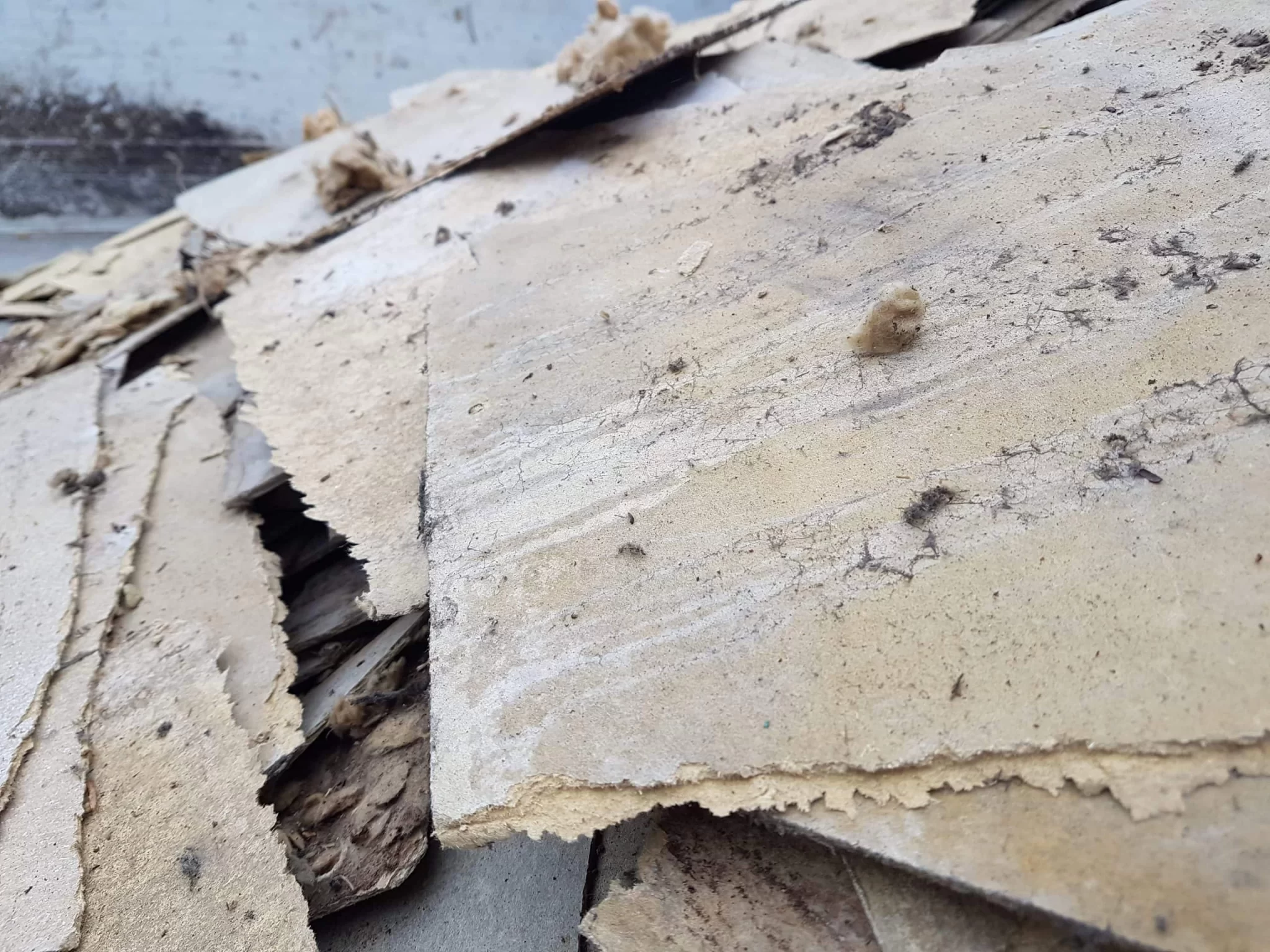
Asbestos abatement in Atlantic Beach covers more ground than most homeowners expect going in. The most common materials we find in homes from the 1940s through the 1970s are 9×9 vinyl asbestos floor tiles — often buried under carpeting or newer flooring that was laid right on top — and popcorn ceiling texture, which was widely applied using asbestos-containing compounds through the late 1970s. We handle both, along with pipe and boiler insulation, roofing felt, joint compound, and exterior cement siding, which was a popular choice in coastal homes for its durability against moisture and salt air.
Every job includes the full scope: inspection and material sampling, licensed abatement, proper disposal, and post-clearance air quality testing. If your project is tied to a renovation permit through the Village of Atlantic Beach, we provide the documentation your contractor and building department need to move forward. If it’s connected to an insurance claim — storm damage, flooding, or a post-Sandy renovation that’s now being revisited — we prepare the documentation your insurer requires, including scope of work, licensed contractor credentials, and disposal records.
For homes in gated communities like Pebble Cove or the Water Club of Atlantic Beach, we coordinate access and staging logistics in advance so there are no delays on the job day. And because we’re already familiar with the Atlantic Beach Bridge access and the village’s narrow residential streets, we come prepared — not surprised.
Does my Atlantic Beach home likely have asbestos if it was built before 1980?
If your home was built before 1980 — and the majority of Atlantic Beach’s housing stock was, with a median construction year of 1958 — there’s a realistic probability that asbestos-containing materials are present somewhere in the structure. That doesn’t mean your home is dangerous right now. Asbestos that’s intact and undisturbed generally doesn’t pose an immediate health risk. The problem starts when those materials are disturbed during renovation work, or when they begin to degrade on their own due to age, moisture, or physical damage.
In a coastal environment like Atlantic Beach, material degradation happens faster than in drier inland communities. Salt air, humidity, and seasonal temperature swings accelerate the breakdown of older building materials — including those containing asbestos. If you’re planning any renovation work, or if you’ve noticed deteriorating floor tiles, crumbling ceiling texture, or aging pipe insulation, having a licensed inspector assess the property before you proceed is the right first step.
What happens if I renovate without getting an asbestos inspection first in Atlantic Beach?
Under New York State law, any renovation or demolition project that could disturb asbestos-containing materials requires an asbestos inspection before work begins. This isn’t a suggestion — it’s a legal requirement enforced by the New York State Department of Labor’s Asbestos Control Bureau. If a contractor disturbs ACMs without a prior inspection and proper abatement, both the homeowner and the contractor can face significant penalties.
In Atlantic Beach specifically, this matters even more because the Village requires building permits for virtually all alterations — including same-size window and door replacements, which is one of the stricter local standards in Nassau County. That means your renovation is already going through the permit process, and the building department has visibility into the work being done. If asbestos is later found to have been disturbed without proper abatement documentation, it can halt your project, require remediation at your expense, and create liability issues — particularly if you’re planning to sell the property afterward.
How do I know if my popcorn ceiling or floor tiles contain asbestos?
You can’t tell by looking at them. Asbestos fibers are microscopic, and there’s no visual indicator that distinguishes asbestos-containing materials from those without it. The only way to know for certain is to have a licensed asbestos inspector collect samples and send them to an accredited laboratory for analysis. That process is straightforward and typically takes a few days for results.
Popcorn ceiling texture applied before 1978 and 9×9 vinyl floor tiles installed before the mid-1970s are two of the most common asbestos-containing materials found in Atlantic Beach homes. Both were standard products during the era when most of the village’s housing stock was built. If your home still has original ceilings or flooring from that period — or if newer materials were installed on top of originals without removal — testing before any disturbance is the only responsible approach. Scraping or sanding these materials without testing first is a violation of federal and state regulations, and the health risk is real.
How long does asbestos abatement take, and will it disrupt my renovation timeline?
The timeline depends on the scope of what needs to be removed. A focused job — one room of floor tile, or a single area of ceiling texture — can often be completed in one to two days. Larger projects involving multiple materials throughout the home, or work in homes with complex layouts, may take longer. The inspection and lab testing phase typically adds a few days before abatement can begin, so it’s worth building that into your renovation planning from the start rather than treating it as an afterthought.
For Atlantic Beach homeowners working against a seasonal deadline — wanting work done before summer use of the property, or trying to close a real estate transaction — timing matters. We factor that in when scheduling. The fall through early spring window is when most renovation work in the village happens, and we plan accordingly. If your project is urgent, contact us early so we can assess the scope and give you a realistic timeline before your renovation contractor is standing by waiting to start.
Is asbestos abatement covered by homeowner's insurance in Atlantic Beach, NY?
It depends on what caused the need for abatement. If asbestos-containing materials were disturbed or damaged as a result of a covered event — storm damage, flooding, or structural damage from a weather event — your homeowner’s insurance policy may cover some or all of the abatement costs as part of the broader remediation claim. Atlantic Beach’s exposure to nor’easters, storm surge, and coastal flooding makes this scenario more common here than in many other Nassau County communities, and it came up repeatedly in the aftermath of Hurricane Sandy.
If the abatement is needed simply because you’re renovating — not because of a covered damage event — insurance typically does not cover it. In that case, abatement is treated as a standard pre-renovation cost. Either way, we prepare complete documentation: scope of work, licensed contractor credentials, air quality results, and disposal records. That documentation is what your insurer needs to process a claim, and it’s what you’ll need regardless of how the project is funded.
How do I choose a licensed asbestos abatement contractor in Atlantic Beach versus going with the closest option?
Licensing is the baseline — any contractor performing asbestos abatement in New York State must be licensed by the NY DOL’s Asbestos Control Bureau, and workers must be individually trained and certified. That’s not negotiable, and it’s the first thing you should verify before signing anything. Beyond licensing, what matters is whether the contractor understands the specific conditions of your property and your community.
Atlantic Beach has a few factors that make local familiarity genuinely useful. The village is accessible only via the Atlantic Beach Bridge, which affects how equipment and waste transport are coordinated. Many properties are in gated communities or on narrow residential streets that require advance planning. And the housing stock here — mostly pre-1960 construction in a salt-air coastal environment — presents material conditions that differ from typical Nassau County suburban homes. A contractor who has worked on barrier island properties understands those conditions going in. That’s not a small thing when you’re relying on them to handle a health and safety issue in your home correctly the first time.