Baileys Gap's Older Homes Deserve More Than a Guess
If your home was built before 1980 and you’re planning a renovation or you just found something that doesn’t look right asbestos abatement in Baileys Gap isn’t something to figure out on your own. We’re NYS DOL licensed, serve Ulster County directly, and handle everything from the initial assessment to post-removal air clearance testing.
I needed a professional consultation explanation of procedure for safe removal of Asbestos in my apartment complex. Without having an account yet, I was very impressed with the caring, knowledgeable and generous advice offered by Jessica, and will look forward to doing business in the future. Thank you so much! I feel much more informed about a sometimes scary endeavor. Peace. Nancy Silva Mineola, NY.
Mia Munoz
Used this company to clean up some water flood in my house. They were fast and easy to work with.very professional, Would recommend to anyone!
Nini Valle
Great company, had a flood and they responded quickly and efficiently. Billed my insurance company directly. I highly recommend this company!
joe colapietro, jr
I had pipe freeze in my basement right before a snow storm and they made to within an hour to help start the clean up process. They we by our side throughout the entire process and even helped with the insurance company. They did such a great job with the cleanup, repair, remidiation, I contracted them to perform the repairs and finishes in the basement. They came with enough manpower and material to get the job done. Leo and Jessica were nothing but a pleasure to deal with!!
Cristian Arredondo c
I had some water damage in my home and Green Island was able to take care of my issue quickly and effectively. I am very pleased with the work they did. They responded quickly and were very professional.
Michael M
Outstanding service! From the office to the field crew everyone was friendly, helpful and responsive. I highly recommend Green Island Group.
A lot of homes along Baileys Gap Road and throughout the Town of Marlborough were built between the 1940s and 1970s right in the middle of the era when asbestos was used in nearly everything. Floor tiles, pipe insulation, boiler wrap, textured ceilings, joint compound. If your home is from that period and you haven’t had it assessed, the risk isn’t hypothetical. It’s sitting in your basement, your utility room, or your kitchen floor.
When asbestos is properly identified and removed by a licensed contractor, your renovation project can actually move forward. You’re not stalling a contractor, losing your permit window, or finding out mid-demo that the job has to stop. The work gets done correctly the first time, and you have the documentation to prove it which matters whether you’re staying in the home, selling it, or refinancing.
The freeze-thaw cycles Ulster County gets every winter accelerate the breakdown of older insulation materials. Pipe wrap that looked intact in October can be crumbling and friable by spring. That’s when fibers become airborne. Getting ahead of that especially before a renovation or sale is the kind of decision that protects your family and your investment at the same time.
We hold the NYS Department of Labor Asbestos Handling License the specific state credential required by law to perform asbestos abatement work in New York. This isn’t a general contractor’s license applied loosely to environmental work. It’s the credential issued under NYS Industrial Code Rule 56, and it’s what separates a legal abatement job from one that could expose you, your family, and your contractor to serious consequences.
We serve all of Ulster County, including the hamlets and rural properties throughout the Town of Marlborough and Baileys Gap. Whether your property is a mid-century ranch off Route 44, a farmhouse that’s been in the family for generations, or an older outbuilding near the northern town line, we’ve seen the material types common to this area and know exactly how to handle them.
Beyond asbestos, we also handle mold remediation, water damage, demolition, and lead abatement so if a job reveals more than one problem, you’re not making three more phone calls.
No Surprises Here's What the Job Actually Looks Like
It starts with an assessment. Before anything is touched, a certified asbestos investigator surveys the area in question to identify what’s present, where it is, and whether it’s in a condition that poses a risk. In Baileys Gap homes from the 1950s and 1960s, that often means checking floor tiles and mastic adhesive, pipe insulation around older boilers, and any textured ceiling surfaces that were applied before 1980.
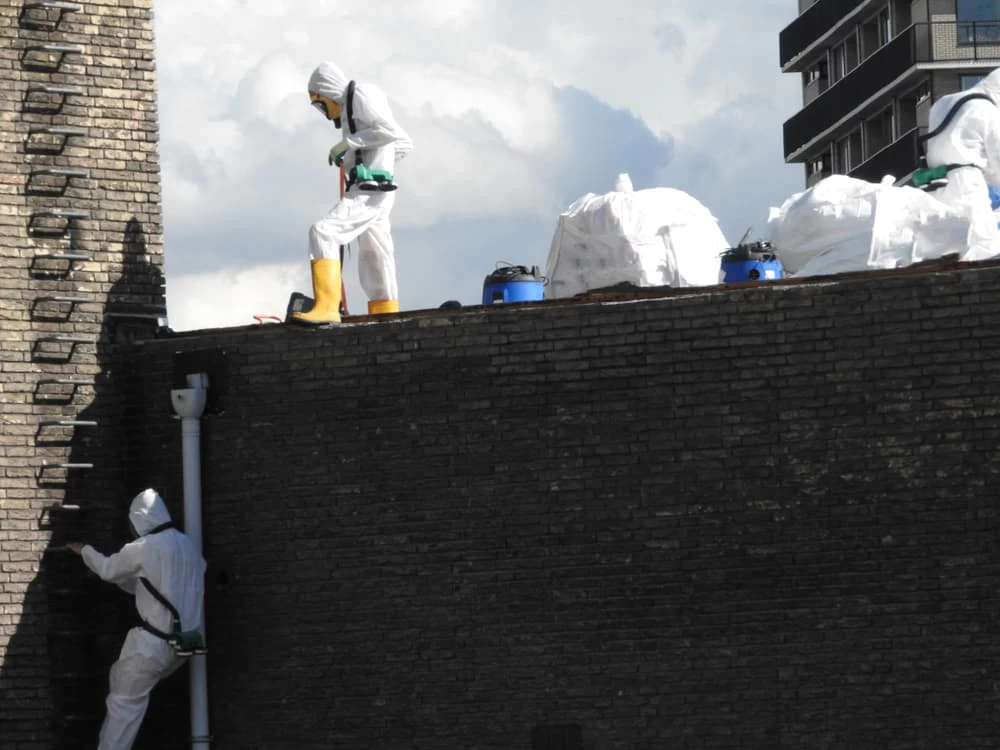
Once the scope is confirmed, we handle the NYS DOL notification and any permit coordination required by the Town of Marlborough Building Department. You don’t need to navigate that process yourself. The abatement work is performed under strict containment negative air pressure, sealed work areas, HEPA filtration so materials are removed without cross-contaminating the rest of your home.
When the removal is complete, post-abatement air clearance testing is conducted to confirm that fiber levels meet NYS re-occupancy standards. You receive documentation of those results. That paperwork isn’t just for peace of mind it’s what your contractor, your insurance company, or a future buyer will ask for. We make sure you have it before we close the job.
Asbestos Tile and Popcorn Ceiling Removal, Baileys Gap
What We Remove and Why It Matters in This Area
The most common materials we remove in Baileys Gap and the surrounding Marlborough area are vinyl asbestos floor tiles particularly the 9×9-inch tiles found in mid-century basements and kitchens along with the mastic adhesive underneath them, which often contains asbestos even when the tile itself doesn’t. Popcorn and textured acoustic ceilings from the 1970s are another frequent find, especially in homes that haven’t been updated since they were built. Pipe insulation, boiler wrap, and transite siding or roofing on older agricultural structures are also common throughout this part of Ulster County.
Every job includes the full scope required under NYS Industrial Code Rule 56: certified survey, licensed removal, air monitoring during the work, post-abatement clearance testing, and documentation retained per state requirements. If your project involves a farm building a barn, equipment shed, or storage structure we handle those too. Transite roofing and siding removal on agricultural properties is a real need in this area, and we’re equipped for it.
We also bill insurance directly where coverage applies, which is relevant for homeowners dealing with storm damage that exposed older roofing or siding materials. If that’s your situation, we handle the coordination so you’re not stuck between your insurance company and a remediation timeline.
How do I know if my Baileys Gap home actually contains asbestos?
The honest answer is that you can’t tell by looking. Asbestos-containing materials don’t look different from non-asbestos versions the only way to know for certain is to have samples tested by a certified asbestos investigator. That said, if your home was built before 1980, the probability is high enough that you should assume it’s present in at least some materials until you can confirm otherwise.
In Baileys Gap and throughout the Town of Marlborough, the most common locations are floor tiles in basements and kitchens, insulation on pipes and around boilers or furnaces, joint compound on walls and ceilings, and textured or popcorn ceiling surfaces. Homes from the 1940s through the 1960s are particularly high-risk. If you’re planning any renovation that involves disturbing those surfaces even something as routine as pulling up old flooring an assessment before you start is the right move, not an optional one.
What does asbestos abatement actually cost for a typical Ulster County home?
For a smaller residential project one room of floor tiles, a single bathroom, or a section of pipe insulation you’re generally looking at $1,500 to $3,500 in the Hudson Valley market. Larger projects, like a full basement or multiple rooms with popcorn ceilings, can run $5,000 to $15,000 or more depending on the material type, square footage, and access conditions. Costs in New York have increased in recent years, partly because post-abatement air monitoring is now a mandatory part of any compliant job that’s not an upsell, it’s a regulatory requirement.
The more useful framing is what it costs not to address it. A failed home inspection, a renovation that gets shut down mid-project, or a buyer who walks away after discovering undisclosed asbestos those outcomes are significantly more expensive than the abatement itself. If you’re selling a home in the Marlborough area, where values have appreciated considerably in recent years, proper documentation of completed abatement is an asset, not just a cost.
Does my family need to leave the house during asbestos removal?
It depends on the scope and location of the work. For contained projects in a single area a basement utility room, for example the rest of the home may remain occupiable if proper containment and negative air pressure are established. For larger jobs that involve main living areas, or situations where HVAC systems could spread fibers through the home, temporary relocation is typically the safer call.
We’ll tell you clearly what’s required for your specific project before any work begins. The containment process sealed work areas, HEPA air scrubbers, negative pressure units is designed to keep the rest of your home protected during the job. And the post-abatement air clearance test at the end confirms that it worked. You won’t be guessing whether it’s safe to be back in the house. You’ll have documentation that says it is.
Are there permit requirements for asbestos abatement in the Town of Marlborough?
Yes, and they operate at the state level, not just locally. NYS Industrial Code Rule 56 requires that any asbestos disturbance involving 10 or more square feet or 25 or more linear feet be performed by a licensed abatement contractor with proper NYS Department of Labor notification filed before work begins. The Town of Marlborough Building Department enforces state and federal codes as part of the permit and certificate of occupancy process, which means any renovation project that triggers asbestos abatement needs that documentation in order to close out.
The NYS DOL Asbestos Control Bureau’s Albany district office covers Ulster County and handles compliance oversight for projects in this area. We manage the notification and permit coordination on your behalf so your project doesn’t stall because of paperwork. If you’re a homeowner planning a renovation in Baileys Gap and you’ve already pulled a building permit, it’s worth having an asbestos assessment done before your contractor starts demolition, not after.
What's the difference between asbestos abatement and asbestos remediation?
In practice, most contractors use the terms interchangeably, and for most homeowners the distinction doesn’t change what needs to happen. Technically, abatement refers specifically to the removal or encapsulation of asbestos-containing materials to eliminate the hazard, while remediation is a broader term that can include containment, encapsulation, and air quality restoration not just physical removal.
For the majority of residential projects in Baileys Gap floor tile removal, pipe insulation, popcorn ceiling removal full abatement is the appropriate approach. Encapsulation is sometimes used in situations where the material is in good condition and won’t be disturbed, but if you’re renovating, selling, or dealing with deteriorating materials, removal is almost always the right call. Either way, the work needs to be performed by an NYS DOL licensed contractor with proper documentation at every stage. The label matters less than making sure the job is done correctly and legally.
Can asbestos be present in farm buildings or older outbuildings in Baileys Gap?
Absolutely, and it’s more common than most people expect. Agricultural buildings constructed before the 1980s frequently used transite a fiber cement product that contains asbestos for roofing panels and exterior siding. It was widely used on barns, equipment sheds, and storage structures throughout the Hudson Valley because it was durable and inexpensive. Older insulation in farm buildings, particularly around heating equipment or piping, can also contain asbestos.
Baileys Gap has deep agricultural roots the land along Baileys Gap Road has been farmed for generations, and there are working operations in this hamlet today. If you’re renovating, selling, or repurposing an older farm structure in the area, an asbestos survey of the building is the right first step before any demolition or roofing work begins. The same NYS Industrial Code Rule 56 requirements that apply to residential properties apply to agricultural and commercial structures. We handle these projects and are familiar with the material types common to this part of Ulster County.