Old Homes Along Route 211 Hide More Than Character
If your Baileyville home was built before 1980, there’s a real chance asbestos is somewhere inside it and we have the license, the crew, and the process to handle it safely.
I needed a professional consultation explanation of procedure for safe removal of Asbestos in my apartment complex. Without having an account yet, I was very impressed with the caring, knowledgeable and generous advice offered by Jessica, and will look forward to doing business in the future. Thank you so much! I feel much more informed about a sometimes scary endeavor. Peace. Nancy Silva Mineola, NY.
Mia Munoz
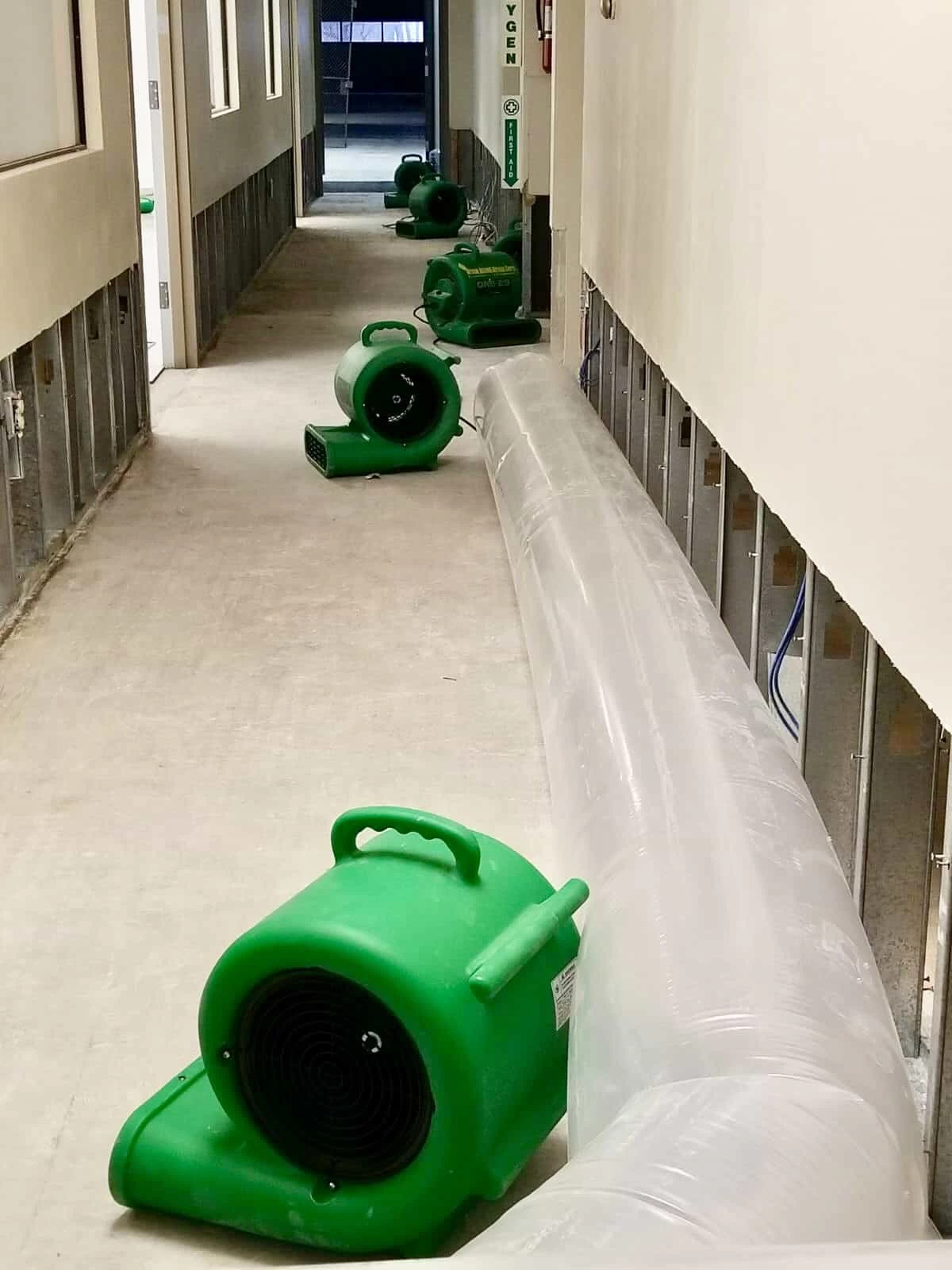
Used this company to clean up some water flood in my house. They were fast and easy to work with.very professional, Would recommend to anyone!
Nini Valle
Great company, had a flood and they responded quickly and efficiently. Billed my insurance company directly. I highly recommend this company!
joe colapietro, jr
I had pipe freeze in my basement right before a snow storm and they made to within an hour to help start the clean up process. They we by our side throughout the entire process and even helped with the insurance company. They did such a great job with the cleanup, repair, remidiation, I contracted them to perform the repairs and finishes in the basement. They came with enough manpower and material to get the job done. Leo and Jessica were nothing but a pleasure to deal with!!
Cristian Arredondo c
I had some water damage in my home and Green Island was able to take care of my issue quickly and effectively. I am very pleased with the work they did. They responded quickly and were very professional.
Michael M
Outstanding service! From the office to the field crew everyone was friendly, helpful and responsive. I highly recommend Green Island Group.
Most homeowners in Baileyville don’t find out about asbestos until a contractor opens a wall, pulls up old flooring, or replaces a boiler and suddenly the whole project stops. That moment is stressful, and it’s also completely normal for homes built during the era when asbestos was standard in floor tiles, pipe insulation, roofing felt, and textured ceilings. What changes after proper abatement is simple: you get your home back, your renovation moves forward, and you’re not carrying the weight of an unresolved hazard.
For Baileyville specifically, that matters more than it might in a newer suburb. The housing stock along Route 211 and throughout the Shawangunk foothills is older farmhouses, colonials, and period cottages that have real history and real risk baked into their bones. Orange County winters don’t help. Freeze-thaw cycles crack and crumble older building materials over time, turning something that was once stable into something that can release fibers into the air you’re breathing. Spring snowmelt from the Shawangunk Mountains can push water into basements and crawlspaces, disturbing pipe insulation and floor underlayment that nobody has touched in decades.
When the abatement is done right by a licensed contractor, with post-clearance air monitoring from an independent industrial hygienist you have documentation that protects you, your family, and the value of your property. That paperwork matters whether you’re staying put or selling. Buyers and lenders in Orange County are increasingly requiring it, and a clean clearance certificate is the only thing that closes that loop.
We're Licensed by New York State and We Already Know Baileyville
We hold a New York State Department of Labor Asbestos Contractor License the specific credential required under Industrial Code Rule 56 for any asbestos abatement work in the state. That license is publicly searchable, and we’ll give you the number to verify it yourself. We also carry EPA RRP certification and multiple county-level general contractor licenses across the region.
Beyond the paperwork, we’ve done asbestos abatement and environmental remediation for the NYS Office of General Services, the Dormitory Authority of the State of New York, Nassau County, and Suffolk County. Those agencies run competitive procurement processes, verify insurance, and audit safety records before a single contract is awarded. If that level of scrutiny didn’t stop us from winning work, your Baileyville farmhouse isn’t going to be a problem.
We already serve Baileyville and the broader Mount Hope area, which means we know this stretch of Route 211 the housing stock, the building department processes, and what tends to show up in basements and crawlspaces out here. This isn’t new territory for us.
It starts with an inspection and testing. Before any work begins, a certified industrial hygienist surveys the property and collects samples from suspect materials floor tiles, pipe insulation, ceiling texture, roofing felt, whatever’s present. In older Baileyville homes, that list can be longer than you’d expect. You’ll know exactly what you’re dealing with before any decisions are made.
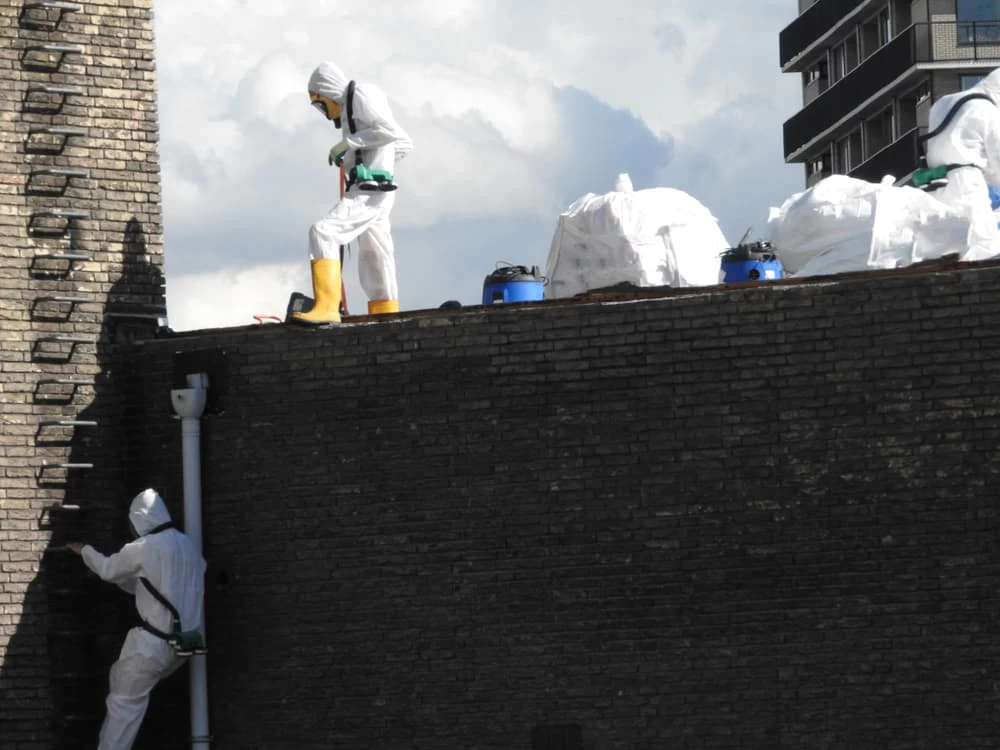
Once the scope is confirmed, we handle all required notifications and permits through the Town of Mount Hope and in compliance with NYS DOL Industrial Code Rule 56. The abatement area is sealed and placed under negative air pressure so fibers can’t migrate to other parts of your home during the work. Our certified workers remove the materials using wet methods that keep fibers from becoming airborne, then bag everything in labeled 6-mil poly bags for transport to a licensed Class II disposal facility the only legal way to handle it in New York State.
After removal, an independent industrial hygienist not us conducts post-abatement air monitoring to confirm the space is clear. If it passes, you receive a written clearance certificate. That document is what your contractor, your lender, or your buyer needs to move forward. The whole process is designed to be thorough without keeping you in the dark you’ll know what’s happening at every stage.
Asbestos doesn’t show up in just one place. In the older homes common throughout Baileyville and the Town of Mount Hope, it can be in the 9×9 vinyl floor tiles in the kitchen, the pipe lagging around the boiler in the basement, the popcorn ceiling in the living room, the transite siding on a detached garage or barn, the roofing felt under the shingles, or the joint compound on original drywall. We handle asbestos abatement across all of these material types not just the easy ones.
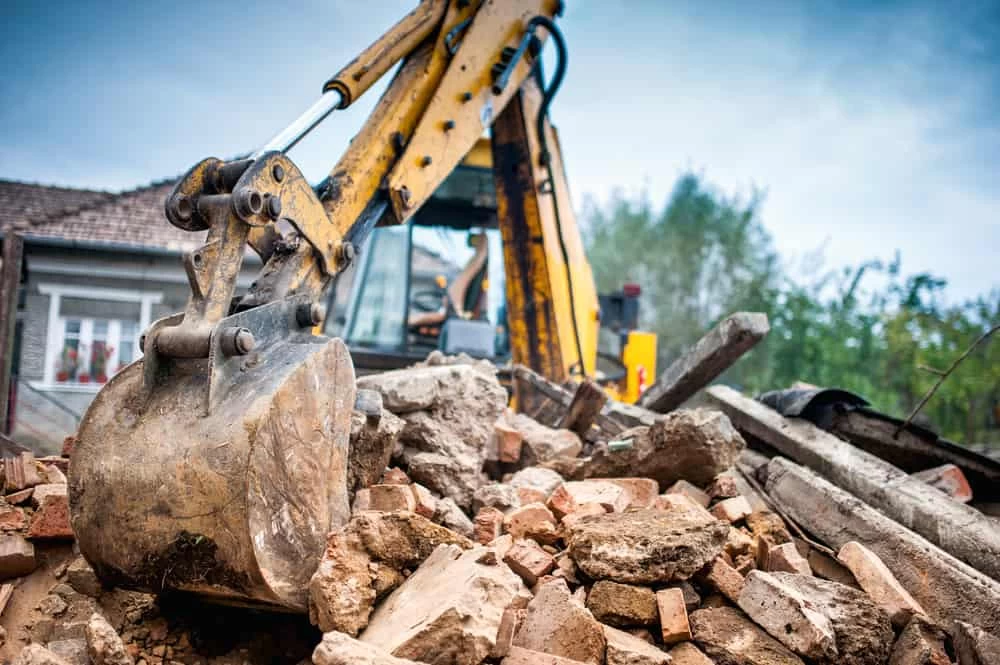
We also handle the situations that go beyond a single hazard. Older rural properties in Orange County frequently present multiple issues at once: asbestos pipe insulation alongside mold from years of basement moisture, lead paint on original woodwork alongside asbestos floor tiles underneath. We handle asbestos abatement, mold remediation, lead paint removal, water damage restoration, and demolition under one roof. You don’t have to coordinate four separate contractors while your renovation sits on hold.
For qualifying projects, we offer 0% APR financing up to $200,000 because an unexpected abatement cost on top of a planned renovation budget is a real problem, and it shouldn’t force you to cut corners on something this important. We also bill insurance companies directly when the abatement is tied to a covered event like water damage or a heating system failure. We’re available 24 hours a day, 7 days a week, 365 days a year because these discoveries don’t wait for Monday morning.
Does my older Baileyville home actually need professional asbestos testing before renovation?
If your home was built before 1980, testing before any renovation work is the right call and in many cases, it’s required. New York State’s Industrial Code Rule 56 mandates that any asbestos-containing materials be identified and properly managed before disturbance. That applies to renovation work in Baileyville just as it does anywhere else in Orange County.
The reason this matters practically: a contractor who opens a wall, pulls up flooring, or removes old pipe insulation without knowing what’s there can unknowingly release asbestos fibers into the air. Once that happens, you’re dealing with a contamination scenario that’s significantly more expensive and disruptive to address than a planned abatement would have been. Testing first is almost always cheaper than the alternative. A certified industrial hygienist will sample the suspect materials, send them to an accredited lab, and give you a clear picture of what you’re working with before anyone picks up a tool.
What does asbestos abatement actually cost for a typical Baileyville home?
Cost depends on what materials are present, how much of them there are, and where they’re located in the home. A single-room asbestos tile removal in a basement might run a few thousand dollars. A more complex project pipe insulation throughout an older boiler system, popcorn ceilings in multiple rooms, or transite siding on an outbuilding can range from $8,000 to $20,000 or more depending on scope.
What’s worth knowing for Baileyville-area homeowners specifically: asbestos abatement costs in the New York metro area have increased 8 to 12 percent in recent years due to updated disposal requirements and tighter regulatory compliance standards. That’s not a reason to delay it’s a reason to get a written estimate now so you know exactly what you’re looking at. We provide written estimates before any work begins, and for qualifying projects, 0% APR financing up to $200,000 is available so the cost doesn’t have to derail everything else you have planned.
How long does the asbestos abatement process take from start to finish?
The timeline depends on the scope of the project, but most residential abatement jobs in the Baileyville area run anywhere from one day to a week for the removal work itself. Smaller jobs a section of pipe insulation, a single room of floor tiles can often be completed in a day or two. Larger projects involving multiple material types or multiple areas of the home take longer, and the scheduling of post-abatement air monitoring by an independent industrial hygienist adds time to the overall timeline.
One thing that affects timing specifically in Orange County: all required notifications and permits must be filed with the appropriate state and local authorities before work can begin. The Town of Mount Hope building department is involved in the permitting process, and NYS DOL requirements include advance notification for certain project types. We handle all of that on your behalf you don’t need to navigate it yourself. If you’re working against a real estate closing deadline or a contractor schedule, let us know upfront and we’ll work backward from your date.
Is asbestos in old floor tiles dangerous if I'm not planning to remove them?
Not necessarily and this is one of the most important distinctions in asbestos management. Asbestos-containing materials are only dangerous when they’re disturbed and fibers become airborne. A 9×9 vinyl asbestos tile that’s in good condition, firmly adhered, and not being touched isn’t releasing fibers into the air. That’s called a non-friable material, and it can often be left in place safely under what’s called an operations and maintenance plan.
The risk increases when those tiles start cracking, lifting, or crumbling which happens over time, especially in older Baileyville homes where decades of temperature cycling and moisture have taken a toll on original flooring. It also becomes a problem the moment anyone sands, cuts, or breaks them during a renovation. If you’re not planning to touch the floor and it’s in reasonable condition, a certified inspector can assess whether encapsulation or an O&M plan is appropriate. If you’re renovating, the tiles need to be properly abated before any other work proceeds. The answer depends on the specific condition of the material, and that’s exactly what a pre-renovation inspection is designed to tell you.
Can I legally do asbestos removal myself in New York State?
In New York State, the rules are strict and the penalties for getting it wrong are significant. Under Industrial Code Rule 56, any asbestos abatement project above a certain threshold must be performed by a licensed NYS DOL asbestos contractor using workers who hold individual NYS asbestos handler certifications which require a minimum of 32 hours of initial training plus annual refresher courses. Fines for unlicensed asbestos work can reach $10,000 per day per violation.
There is a narrow homeowner exemption that applies to very limited, small-scale work in a single-family residence that the homeowner personally occupies but it comes with strict conditions, and it does not apply to rental properties, properties being prepared for sale, or any situation where the work would disturb more than a minor amount of material. For most Baileyville homeowners dealing with a real abatement scenario pipe insulation, floor tiles, ceiling texture, siding the practical answer is that licensed professional abatement is required. Beyond the legal requirement, the liability exposure from doing it incorrectly in a home where your family lives is not a risk worth taking.
Does asbestos abatement affect a home sale in the Town of Mount Hope?
It can in both directions. Unaddressed asbestos that shows up on a home inspection report in Baileyville can stall or kill a deal. Buyers get nervous, lenders get cautious, and negotiations shift in ways that rarely favor the seller. If the material is identified and there’s no documentation showing it was properly abated, you’re either renegotiating the price, agreeing to credit the buyer, or losing the deal entirely.
On the other hand, a completed abatement with a clean clearance certificate from an independent industrial hygienist is a straightforward answer to the question. It tells the buyer, their agent, and their lender that the issue was identified, handled by a licensed contractor, and independently verified as resolved. With more buyers moving into the Mount Hope area, they’re increasingly sophisticated and their inspectors are increasingly thorough. Getting ahead of a known asbestos issue before listing rather than discovering it mid-transaction is almost always the cleaner path, both financially and logistically.