Baldwin Harbor's Older Homes Deserve More Than a Guess
If your home was built before 1980 and you’re planning any renovation, asbestos abatement in Baldwin Harbor isn’t optional — it’s the law. We handle it right, from the first test to final clearance.
I needed a professional consultation explanation of procedure for safe removal of Asbestos in my apartment complex. Without having an account yet, I was very impressed with the caring, knowledgeable and generous advice offered by Jessica, and will look forward to doing business in the future. Thank you so much! I feel much more informed about a sometimes scary endeavor. Peace. Nancy Silva Mineola, NY.
Mia Munoz
Used this company to clean up some water flood in my house. They were fast and easy to work with.very professional, Would recommend to anyone!
Nini Valle
Great company, had a flood and they responded quickly and efficiently. Billed my insurance company directly. I highly recommend this company!
joe colapietro, jr
I had pipe freeze in my basement right before a snow storm and they made to within an hour to help start the clean up process. They we by our side throughout the entire process and even helped with the insurance company. They did such a great job with the cleanup, repair, remidiation, I contracted them to perform the repairs and finishes in the basement. They came with enough manpower and material to get the job done. Leo and Jessica were nothing but a pleasure to deal with!!
Cristian Arredondo c
I had some water damage in my home and Green Island was able to take care of my issue quickly and effectively. I am very pleased with the work they did. They responded quickly and were very professional.
Michael M
Outstanding service! From the office to the field crew everyone was friendly, helpful and responsive. I highly recommend Green Island Group.
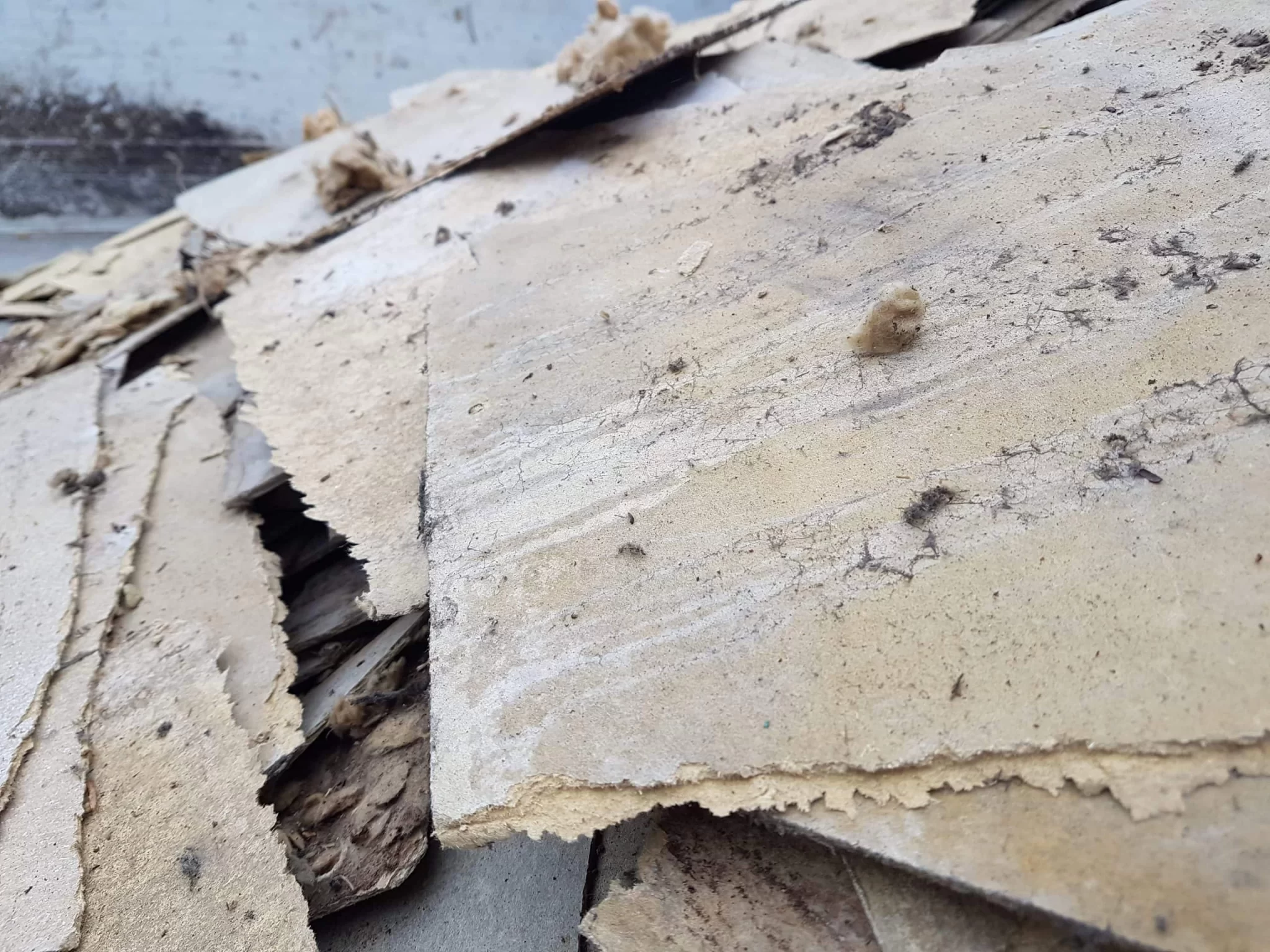
You stop guessing. That’s the biggest thing. When you’re living in a pre-war Cape Cod or a mid-century ranch in Baldwin Harbor — the kind of home built before 1939 or somewhere between 1940 and 1969 — you’re almost certainly living with asbestos-containing materials somewhere in the building. Floor tiles. Pipe wrap around the boiler. Popcorn ceilings from a 1970s update. Joint compound behind the walls. Most of it is stable until someone touches it, and that’s exactly when renovations become a real health risk.
Once abatement is done correctly, your contractor can move forward without stopping. Your family isn’t exposed to disturbed fibers during a kitchen gut or a bathroom tear-out. And you have the documentation you need — for your Town of Hempstead building permit, for your buyer’s attorney, or for your own peace of mind.
Baldwin Harbor’s waterfront location adds another layer to this. Many homes here took on water during major storm events, and flood damage repairs are one of the most common triggers for disturbing asbestos materials that had been sitting untouched for decades. If your home went through post-storm remediation and you’re not sure what was tested or abated at the time, that’s worth finding out before the next round of work begins.
We’ve been serving Nassau County homeowners for years, and the South Shore is familiar ground. The housing stock in Baldwin Harbor — the pre-war colonials, the mid-century ranches, the canal-front homes in Bay Colony — each era of construction comes with its own set of materials and its own set of risks. We’ve seen what’s behind the walls and under the floors in homes like yours, and we don’t need to learn on your project.
Every technician on our team is certified under New York State Industrial Code Rule 56 and meets Nassau County’s Environmental Hazard Remediation technician requirements. That’s not a detail to gloss over — it’s what separates legal abatement from a liability you’d carry for years.
We’re not a national chain routing your call to whoever’s available. When you reach out to us, you’re talking to people who actually work in this county, know the Town of Hempstead permitting process, and understand what a Baldwin Harbor homeowner is dealing with.
It starts with an inspection. A certified asbestos inspector comes to your home, identifies any materials that may contain asbestos, and takes samples for laboratory analysis. In Baldwin Harbor, that typically means checking the obvious places — floor tiles, pipe insulation, ceiling texture — but also the less obvious ones, like the joint compound in older plaster walls or the roofing underlayment on a pre-war structure. We don’t skip rooms because they look fine.
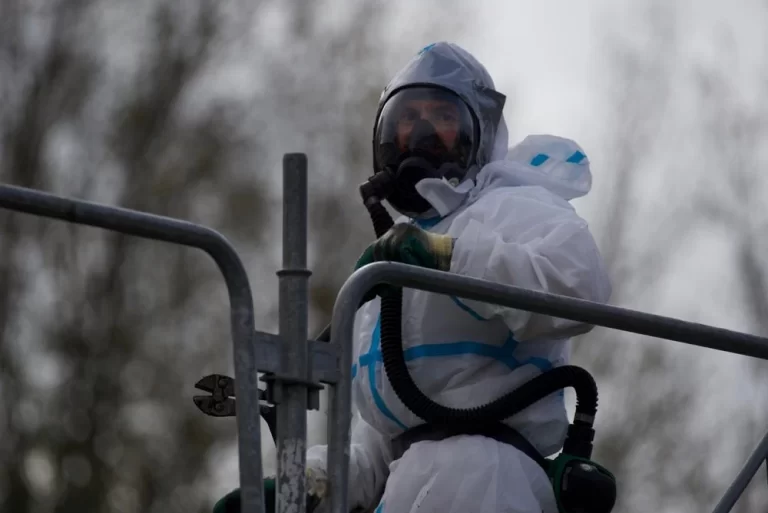
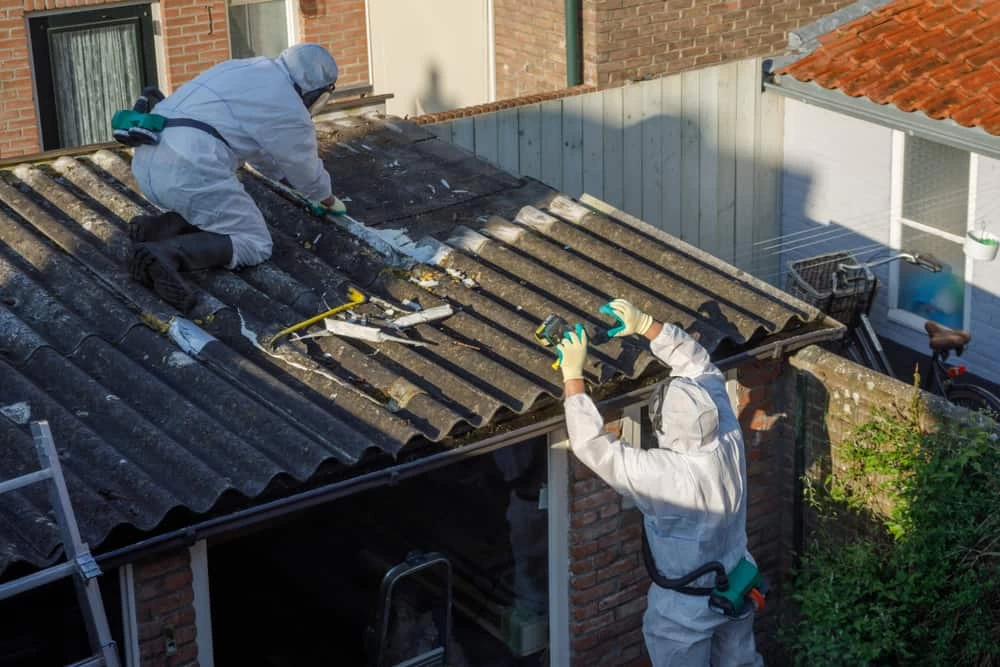
Once results come back, you get a clear picture of what’s there and what needs to happen. If abatement is required, we build a containment plan, pull the necessary notifications required under NYS ICR 56, and schedule the removal. The work is done under controlled conditions — negative air pressure, proper PPE, sealed containment — so fibers don’t migrate into the rest of your home while work is underway.
After removal, we don’t just hand you a bill and leave. Air clearance testing confirms the space is safe, and you receive complete written documentation of the entire process. That paperwork matters — for your building permit with the Town of Hempstead, for your insurance file, and for any future buyer who wants proof the work was done by a licensed contractor.
Every Service We Offer, Built for Baldwin Harbor's Housing Stock
Asbestos abatement isn’t one thing — it’s a range of services depending on what your home has and what your renovation requires. For Baldwin Harbor homeowners, the most common work we handle includes asbestos tile removal from original kitchens and basement floors, pipe insulation removal around older boilers and steam heating systems, and asbestos popcorn ceiling removal in homes that were updated during the 1960s and 1970s. We also handle full-scope asbestos remediation for homeowners doing major gut renovations or preparing a home for sale.
Every project starts with certified inspection and testing — we don’t skip that step, and neither should you. From there, the scope is determined by what the lab results show, not by what we assume. Small single-room projects in Baldwin Harbor typically run in the range of $1,500 to $5,000. Larger jobs — whole-house abatement, extensive pipe insulation removal, or post-flood remediation — can run significantly higher, and we’ll give you an itemized written estimate before anything starts.
Nassau County requires both state-level ICR 56 compliance and county-level Environmental Hazard Remediation Professional licensing for this work. Every project we complete meets both standards, and every clearance report we issue is accepted by local building departments, real estate attorneys, and insurance carriers. If you’re near the bay or along one of Baldwin Harbor’s tidal canals and your home has had any water intrusion, we’d recommend starting with an inspection before assuming everything is fine.
Does my Baldwin Harbor home actually need an asbestos inspection before renovating?
If your home was built before 1980, yes — and in most cases, yes is the legally correct answer regardless of how your home looks or how minor the renovation seems. New York State Industrial Code Rule 56 requires an asbestos survey before any renovation or demolition work that could disturb building materials in a structure where asbestos may be present. That applies to kitchens, bathrooms, basements, and any space where original materials are being removed or altered.
In Baldwin Harbor specifically, the housing stock skews older — a significant portion of homes were built before 1939, with another large share constructed between 1940 and 1969. Both eras used asbestos extensively in floor tiles, pipe wrap, plaster additives, and roofing materials. The Town of Hempstead Building Department will typically require asbestos documentation before issuing permits for major renovation work. Getting the inspection done upfront saves you from a project stoppage later.
How much does asbestos removal cost for a typical Baldwin Harbor home?
It depends on what’s there and how much of it needs to come out. For a single-room project — say, asbestos floor tiles in a kitchen or a popcorn ceiling in one bedroom — you’re generally looking at $1,500 to $5,000. That range covers inspection, containment, removal, disposal, and clearance documentation.
Larger scopes cost more. If you’re doing a full gut renovation on a pre-war home in Baldwin Harbor, or if you have pipe insulation throughout a basement and multiple floors, the total can climb well past $10,000. Post-flood remediation projects — where water damage has disturbed materials that now need emergency abatement before repairs can continue — can also run higher depending on scope and urgency. We give you a written, itemized estimate before any work begins so there are no surprises mid-project.
What materials in an older Baldwin Harbor home are most likely to contain asbestos?
The most commonly found asbestos-containing materials in Baldwin Harbor’s pre-1980 housing stock are vinyl floor tiles — particularly the 9-inch and 12-inch squares found in original kitchens, bathrooms, and basement utility areas. They often look completely ordinary, which is exactly why people disturb them without thinking twice. Pipe insulation around boilers and steam heating systems is another extremely common source, especially in pre-1960 homes that still have original heating infrastructure.
Popcorn or textured ceiling finishes applied before 1978 frequently contain asbestos, as does the joint compound used in older plaster and drywall installations. Roofing shingles, cement board siding, and attic insulation from certain manufacturers are also potential sources. In a home built before 1980, asbestos could be in more places than most homeowners expect — which is why a proper inspection covers the whole structure, not just the room you’re planning to renovate.
My Baldwin Harbor home had flood damage after a storm — does that affect asbestos risk?
It can, and it’s a more common concern in Baldwin Harbor than in most Nassau County communities. Because the hamlet sits directly on Baldwin Bay and the Milburn Creek drainage area, homes here have real exposure to coastal flooding. Hurricane Sandy in 2012 produced record storm surge across the western South Shore bays, and many Baldwin Harbor properties sustained significant structural damage. When water intrudes into a home and saturates walls, floors, or ceilings, it can disturb asbestos-containing materials that had previously been stable and undisturbed.
If your home went through post-Sandy repairs or any subsequent flood remediation and you’re not certain whether asbestos was tested and properly abated at the time, that’s worth verifying before your next round of work. Disturbed asbestos from prior water damage doesn’t always get addressed during emergency repairs — contractors focused on drying out a structure aren’t always stopping to assess ACMs. An inspection will tell you what’s there and what state it’s in.
How long does the asbestos abatement process take from inspection to clearance?
For a straightforward residential project — one or two materials in a defined area — you’re typically looking at a few days from inspection through final clearance. The inspection and lab analysis usually take one to two business days. If abatement is required, containment setup, removal, and disposal can often be completed in a single day for smaller scopes. Air clearance testing follows immediately after, and written documentation is provided once clearance is confirmed.
Larger projects take longer. A whole-house abatement or a project involving multiple material types across several rooms may take several days of active work. Scheduling also matters — if you’re working against a contractor timeline or a permit deadline with the Town of Hempstead, let us know upfront so we can prioritize accordingly. We understand that renovation timelines in Baldwin Harbor don’t wait, and we work to keep your project moving without cutting corners on the process.
Is asbestos popcorn ceiling removal something a homeowner can do themselves in New York?
No — not legally, and not safely. In New York State, removing a popcorn ceiling that contains asbestos without a licensed abatement contractor is a violation of Industrial Code Rule 56. That applies whether you own the home or rent it, and whether the project is small or large. The risk isn’t just regulatory — dry-scraping an asbestos-containing ceiling releases fibers into the air that can remain airborne for hours and settle throughout the home.
In Baldwin Harbor, where a lot of homes were updated during the 1960s and 1970s with textured ceiling finishes, this comes up regularly. Homeowners planning a cosmetic ceiling refresh before listing a home or finishing a room often don’t realize the ceiling material needs to be tested first. The right move is to have it sampled before anyone touches it. If it tests positive, licensed abatement is required — wet-method removal under containment, followed by air clearance testing before any painter or drywaller enters the space. It’s a defined process, and it protects everyone in the home.