Bayport's Mid-Century Homes Deserve a Certified Answer
Most Bayport homes were built right in the middle of the asbestos era and when renovation uncovers it, you need someone who knows exactly what to do. We handle certified asbestos abatement for South Shore homeowners who want it done right, documented properly, and finished without drama.
I needed a professional consultation explanation of procedure for safe removal of Asbestos in my apartment complex. Without having an account yet, I was very impressed with the caring, knowledgeable and generous advice offered by Jessica, and will look forward to doing business in the future. Thank you so much! I feel much more informed about a sometimes scary endeavor. Peace. Nancy Silva Mineola, NY.
Mia Munoz
Used this company to clean up some water flood in my house. They were fast and easy to work with.very professional, Would recommend to anyone!
Nini Valle
Great company, had a flood and they responded quickly and efficiently. Billed my insurance company directly. I highly recommend this company!
joe colapietro, jr
I had pipe freeze in my basement right before a snow storm and they made to within an hour to help start the clean up process. They we by our side throughout the entire process and even helped with the insurance company. They did such a great job with the cleanup, repair, remidiation, I contracted them to perform the repairs and finishes in the basement. They came with enough manpower and material to get the job done. Leo and Jessica were nothing but a pleasure to deal with!!
Cristian Arredondo c
I had some water damage in my home and Green Island was able to take care of my issue quickly and effectively. I am very pleased with the work they did. They responded quickly and were very professional.
Michael M
Outstanding service! From the office to the field crew everyone was friendly, helpful and responsive. I highly recommend Green Island Group.
Your Home Safe, Cleared, and Ready to Move Forward
When asbestos gets discovered mid-renovation, everything stops. The contractor walks off the job, the timeline falls apart, and suddenly you’re trying to figure out who to call and whether your family needs to leave. That moment of uncertainty is exactly what we’re built to resolve quickly, professionally, and without leaving you guessing.
Bayport’s housing stock is predominantly mid-century construction, with a median build year around 1967. That means the floor tiles, pipe insulation, popcorn ceilings, and roofing materials in a large portion of homes here were installed during the decades when asbestos was standard. It’s not a rare find it’s a routine reality for anyone renovating a home in this community. Knowing that going in changes how you approach the project.
Living on the South Shore also means your home deals with coastal humidity, salt air off the Great South Bay, and the kind of freeze-thaw cycles that crack and crumble older insulation over time. Those conditions accelerate the deterioration of asbestos-containing materials, particularly in basement mechanical rooms, crawlspaces, and older outbuildings. What might have been stable for decades can become a real concern once the material starts breaking down or once a renovation disturbs it.
We’re a fully licensed and certified asbestos abatement contractor serving homeowners across Suffolk County, including Bayport and the broader Bayport-Blue Point community. Every project we handle is completed in compliance with New York State Industrial Code Rule 56 and under the oversight of the NY Department of Labor’s Asbestos Control Bureau not because it’s required, but because that’s the only way to do this work responsibly.
Bayport falls within the Town of Islip’s jurisdiction, and that means abatement projects here come with specific local permitting requirements on top of the state-level regulations. We navigate all of it the inspections, the notifications, the permit coordination so you’re not left trying to figure out what the Town of Islip building department needs from you in the middle of an already stressful situation.
What you get at the end isn’t just a clean space. It’s a certified clearance certificate, a documented paper trail, and the peace of mind that comes from knowing the work was done by people who are accountable for it.
From First Call to Clearance Here's What to Expect
It starts with an assessment. A certified inspector comes out, evaluates the materials in question, and collects samples for lab analysis. For any home in Bayport built before 1980 which covers the majority of the housing stock here this step is actually required by New York State before any qualifying renovation or demolition work can begin. It’s not optional, and it’s not just a formality. It tells you exactly what you’re dealing with before anyone touches anything.
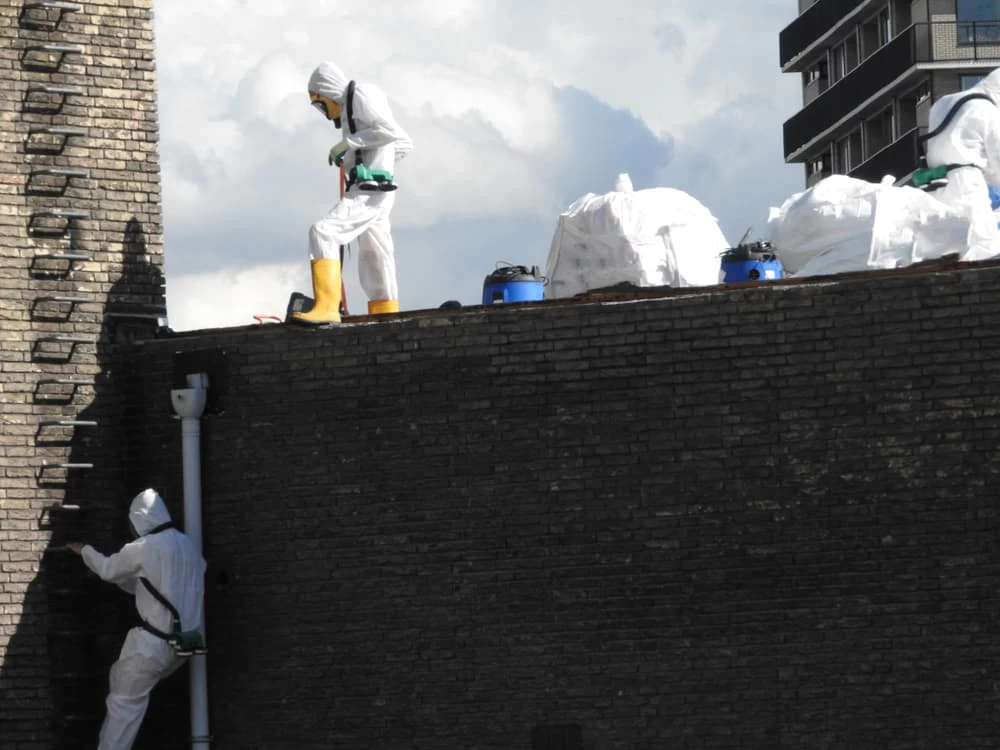
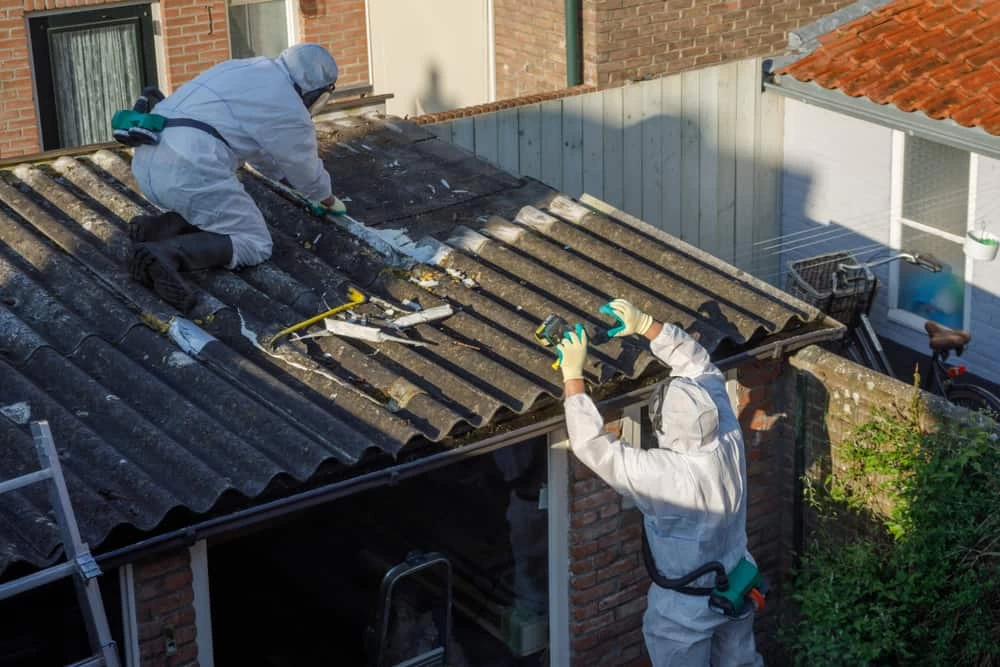
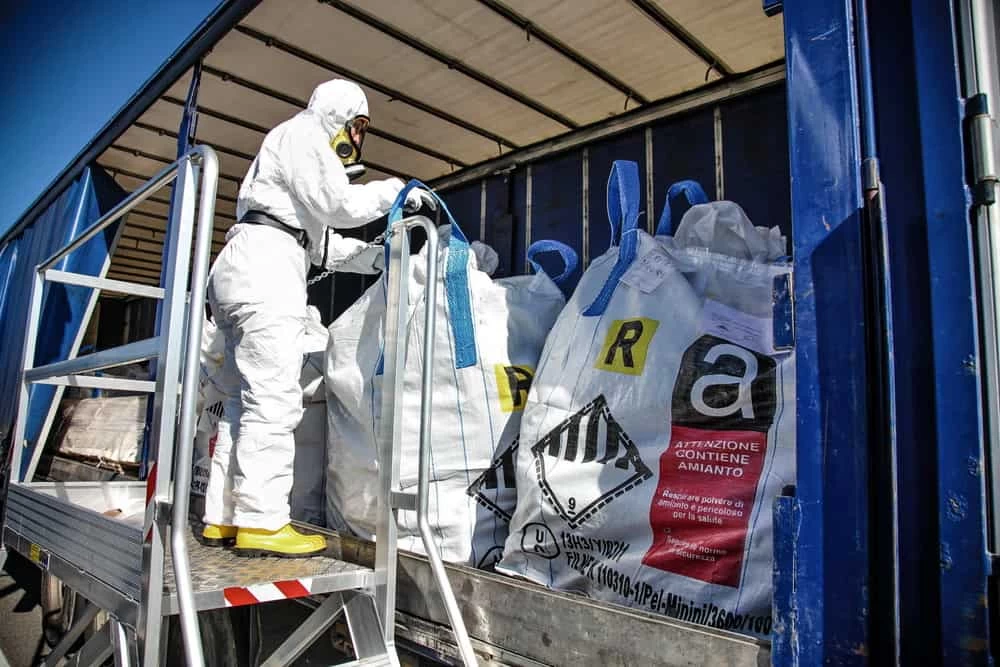
If asbestos-containing materials are confirmed, we put together an abatement plan based on the specific scope of your project. The work area gets sealed off with proper containment barriers, negative air pressure systems are set up to prevent fiber migration into the rest of your home, and removal is performed using wet methods that minimize airborne particles. All materials are bagged, labeled, and disposed of through licensed channels nothing gets dumped or shortcut.
Once the work is complete, post-abatement air clearance testing is conducted to confirm the space is clean before containment comes down. You get the final clearance documentation in writing. For Bayport homeowners who are mid-renovation, preparing a home for sale, or simply dealing with a discovery that caught them off guard, that clearance certificate is what lets the project move forward and what protects you if questions come up later.
Asbestos abatement isn’t a single task it’s a sequence of connected steps, and each one matters. We handle the full scope: initial inspection and certified testing, containment setup, removal, licensed disposal, and post-clearance air quality verification. You’re not coordinating between three separate companies or trying to figure out which step comes next. One contractor, one point of contact, one set of documentation at the end.
The most common asbestos-related calls we receive from Bayport homeowners involve floor tile removal specifically the 9″x9″ vinyl composite tiles that were standard in homes built throughout the 1950s, 60s, and 70s. These tiles, along with the adhesive mastic beneath them, frequently contain asbestos and are often discovered when carpet gets pulled up before a flooring update. Asbestos popcorn ceiling removal is another frequent request, particularly in homes where interior renovation is underway. Pipe and boiler insulation in basement mechanical rooms is a third common scenario, especially in older homes south of Middle Road closer to the bay where building materials have been exposed to decades of coastal humidity.
For homeowners in the Bayport-Blue Point area preparing to sell, refinance, or simply update a home that’s been in the family for decades, the documentation we provide inspection reports, abatement records, and clearance certificates is exactly what future buyers, inspectors, and lenders will want to see. It’s not just about removing a hazard. It’s about protecting the value of what you’ve built here.
Do I need an asbestos inspection before renovating my Bayport home?
Yes and in many cases, it’s not just a good idea, it’s legally required. New York State regulations mandate a certified asbestos inspection before any renovation or demolition work that could disturb potential asbestos-containing materials in buildings of a certain age or size. Given that the majority of homes in Bayport were built between the 1940s and the late 1970s, this requirement applies to a large portion of the community’s housing stock.
The practical implication is straightforward: if you’re planning to renovate a kitchen, update a bathroom, finish a basement, or remove ceiling texture in a Bayport home built before 1980, you need a certified inspector to evaluate the materials before your contractor starts demo. Skipping this step doesn’t just create a health risk it can result in project shutdowns, state fines, and personal liability. Starting with a proper inspection protects your timeline, your family, and your investment in the home.
What are the most common places asbestos is found in Bayport houses?
In Bayport’s mid-century housing stock, there are a handful of locations that come up repeatedly. Floor tiles are at the top of the list the 9″x9″ vinyl composite tiles used throughout the 1950s, 60s, and 70s were commonly manufactured with asbestos, and the adhesive mastic beneath them often contains it as well. These tiles show up frequently when homeowners pull up carpet or begin flooring projects.
Popcorn ceiling texture is another common source. That spray-applied finish was standard in American homes from the late 1950s through the 1970s and frequently contains asbestos in concentrations that require professional abatement. Basement pipe and boiler insulation is a third area to watch, especially in homes where the original mechanical systems are still in place. For South Bayport homes closer to the Great South Bay, the combination of age and coastal humidity means that insulation materials may have deteriorated to the point of becoming friable which is when they become genuinely dangerous to disturb without professional handling.
How long does asbestos abatement typically take for a residential project?
The timeline depends on the scope of what’s being removed. A focused project like asbestos tile removal from a single room or popcorn ceiling removal in a bedroom can typically be completed within one to two days once containment is set up and the work begins. Larger projects involving multiple areas, pipe insulation throughout a basement, or whole-floor tile removal naturally take longer.
What most homeowners don’t account for is the time on either end of the actual removal work. The pre-abatement inspection and lab analysis, the permit coordination with the Town of Islip building department, and the post-abatement clearance air testing all add time to the overall project. Realistically, from initial inspection to final clearance documentation, most residential projects in Bayport run anywhere from a few days to a week or two depending on complexity and scheduling. We walk you through the realistic timeline upfront so you can plan your renovation around it not discover the delays after the fact.
Does improper asbestos removal affect my ability to sell my home in Bayport?
It can, and the consequences tend to surface at the worst possible time during a home inspection or in the middle of a transaction. If asbestos-containing materials were disturbed without proper abatement, or if work was done by an unlicensed contractor without documentation, a buyer’s inspector may flag it, a buyer’s attorney may raise it, and the deal can stall or fall apart entirely.
In a community like Bayport where home values regularly exceed $500,000 and buyers are often well-informed, undisclosed asbestos issues or improperly documented remediation work create real legal and financial exposure for the seller. The right way to handle it is to have the abatement done by a certified contractor who produces written documentation inspection reports, abatement records, and a post-clearance certificate. That paper trail is what satisfies buyers, their inspectors, and their lenders. It’s also what protects you from liability if a question comes up after the sale closes.
Can I stay in my home during asbestos abatement work?
Whether you can remain in the home during abatement depends on the location and scale of the work. For contained, smaller-scope projects like tile removal in a single bathroom or a defined section of flooring it may be possible to remain in the home if the work area is properly sealed off and the rest of the living space is unaffected. For larger projects involving multiple rooms, basement-wide pipe insulation removal, or ceiling abatement throughout a significant portion of the home, temporary relocation during the active work phase is typically the safer and more practical choice.
We give you a clear recommendation on this during the assessment phase, based on the actual scope of your project not a blanket policy that applies to every job the same way. For families in Bayport with children at home, the guidance is always conservative: if there’s any meaningful question about air quality in occupied areas during the work, temporary relocation is the right call. Post-abatement clearance testing confirms the space is clean before anyone returns, and that documentation gives you confidence rather than just a verbal assurance.
How much does asbestos abatement cost for a home in Bayport, NY?
Cost varies significantly based on what’s being removed, how much of it there is, and where it’s located in the home. For a focused removal project a single room of asbestos floor tiles or a contained area of popcorn ceiling costs on Long Island typically run in the range of $1,500 to $3,000. Larger projects involving basement pipe insulation, multiple rooms, or full-floor tile removal across an older Bayport home can run $5,000 or more depending on scope and complexity.
What’s worth understanding is what’s actually included in a legitimate abatement quote versus a low-ball number from an unlicensed operator. Proper abatement includes the certified inspection, containment setup, licensed removal and disposal, and post-clearance air testing. That last step the clearance test is what produces the documentation you need for your renovation, your sale, or your own peace of mind. Skipping any part of that process to save money upfront tends to create much larger problems down the road. We provide transparent, itemized quotes so you know exactly what you’re paying for before any work begins.