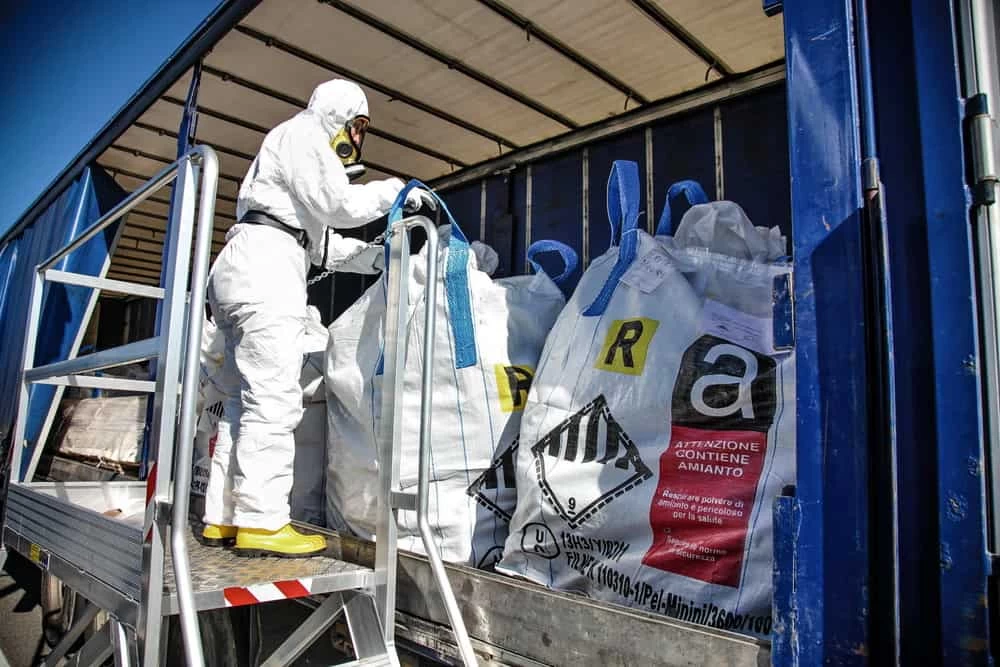
Most homes on the Rockaway Peninsula were built before asbestos was ever a concern and that’s exactly why asbestos abatement in Bayswater requires someone who actually knows what they’re walking into.
I needed a professional consultation explanation of procedure for safe removal of Asbestos in my apartment complex. Without having an account yet, I was very impressed with the caring, knowledgeable and generous advice offered by Jessica, and will look forward to doing business in the future. Thank you so much! I feel much more informed about a sometimes scary endeavor. Peace. Nancy Silva Mineola, NY.
Mia Munoz
Used this company to clean up some water flood in my house. They were fast and easy to work with.very professional, Would recommend to anyone!
Nini Valle
Great company, had a flood and they responded quickly and efficiently. Billed my insurance company directly. I highly recommend this company!
joe colapietro, jr
I had pipe freeze in my basement right before a snow storm and they made to within an hour to help start the clean up process. They we by our side throughout the entire process and even helped with the insurance company. They did such a great job with the cleanup, repair, remidiation, I contracted them to perform the repairs and finishes in the basement. They came with enough manpower and material to get the job done. Leo and Jessica were nothing but a pleasure to deal with!!
Cristian Arredondo c
I had some water damage in my home and Green Island was able to take care of my issue quickly and effectively. I am very pleased with the work they did. They responded quickly and were very professional.
Michael M
Outstanding service! From the office to the field crew everyone was friendly, helpful and responsive. I highly recommend Green Island Group.
You stop guessing. That’s the first thing. Whether you found something during a renovation, a home inspector flagged it before closing, or flood water got into a part of the house that hadn’t been touched in decades once the asbestos is properly removed and cleared, you have documentation, you have peace of mind, and you can move forward.
Bayswater’s housing stock is almost entirely mid-century. Homes built between the 1940s and late 1960s are exactly where you find asbestos tile in the basement, insulation wrapped around old pipes, popcorn texture on ceilings, and materials packed into boiler rooms that haven’t been opened in years. It’s not a worst-case scenario it’s just what these homes were built with. The issue isn’t the presence of asbestos. It’s whether it’s been disturbed, and whether the removal was done right.
This neighborhood also sits on the bay. Storm surge from Jamaica Bay has pushed water into homes here more than once and when flood water saturates pre-1980 floor tiles or soaks through old pipe wrap, previously stable asbestos-containing materials can become a real problem. Getting the abatement handled correctly with post-removal air clearance testing to confirm the job is done means you’re not just cleaning up. You’re protecting the value of a home that’s worth holding onto.
We Hold Every Certification That Bayswater's Older Homes Require
We’re a full-service environmental remediation and restoration contractor serving all five New York City boroughs, including Queens Community District 14 and the full Rockaway Peninsula. Asbestos abatement is one part of a broader scope that includes mold remediation, water damage restoration, and reconstruction which matters when you’re dealing with a pre-1980 Bayswater home that may have more than one problem at once.
Our credential stack is real: NYS DOL Asbestos license, USEPA Lead/RRP certification, NYC BIC registration, IICRC, NADCA, NYS DOL Mold certification, and NYC/NYS MBE and WBE designations. For Bayswater homeowners specifically, the lead and asbestos certifications together are important because homes built in the 1950s and 1960s often have both, and you don’t want to discover that halfway through a project.
We’re available 24 hours a day, seven days a week. That’s not a tagline it’s how we’ve operated since day one, and it’s why clients dealing with storm damage or a renovation that suddenly stopped call and actually get someone on the phone.
No Surprises Here's What the Process Actually Looks Like
It starts with an inspection. A certified asbestos investigator assesses the property and identifies any suspect materials floor tiles, ceiling texture, pipe insulation, roofing, joint compound, whatever applies to your specific home. In Bayswater, where a lot of the housing stock has never been tested, this step often surfaces more than one material type. That’s normal, and it’s better to know upfront than mid-project.
From there, the required NYC DEP filings happen before anything is touched. In New York City, that means an ACP-5 Asbestos Assessment Report before any demolition or renovation permit is issued, and an ACP-7 Asbestos Project Notification filed through the DEP’s online ARTS system. These are city-specific requirements that don’t exist in the same form on Long Island or in other states and a contractor who isn’t familiar with the NYC DEP’s Asbestos Technical Review Unit process can create delays and compliance problems that cost more than the abatement itself.
Once the regulatory filings are in order, we begin the abatement work in a contained, controlled environment. Air scrubbers run throughout the job. When the removal is complete, post-removal air quality testing confirms that fiber levels are back to safe levels and you receive a clearance certificate that documents the entire process. If you’re selling your home, filing an insurance claim, or pulling a DOB permit, that certificate is what closes the loop.
Full-Scope Abatement Built for What Bayswater Homes Actually Contain
Our asbestos abatement service covers the full lifecycle inspection, testing, removal, encapsulation where applicable, post-removal air clearance using Microtrap air scrubbers, and final documentation. For Bayswater homeowners, that often means addressing multiple material types in the same project: asbestos tile removal in a basement or kitchen, pipe insulation in a utility room or boiler area, and asbestos popcorn ceiling removal in living spaces that were finished during the 1960s and 1970s.
What makes this different from hiring a single-trade abatement specialist is what comes after. Once the asbestos is gone, the space still needs to be put back together. We hold a New York City General Contractor license alongside our environmental certifications, which means we handle the remediation and the reconstruction. In a neighborhood where renovated homes regularly sell above $1 million, the quality of the rebuild matters as much as the quality of the removal.
For homeowners dealing with flood-related asbestos discoveries which are more common in Bayswater than most people realize, given the neighborhood’s exposure to Jamaica Bay storm surge we also handle the water damage restoration side of the equation. One call, one contractor, one process from start to finish. That’s not a convenience feature. In a neighborhood at the end of the Rockaway Peninsula, where coordinating multiple contractors across a limited-access area adds real time and cost, it’s a meaningful practical advantage.
Does my Bayswater home need asbestos testing before I start renovating?
If your home was built before 1980 which covers the vast majority of Bayswater’s housing stock then yes, asbestos testing is required before any renovation work that disturbs existing materials. The NYC Department of Environmental Protection has regulated asbestos handling since 1987, and the rules are clear: before the NYC Department of Buildings will issue a demolition or renovation permit, you need a completed ACP-5 Asbestos Assessment Report from a DEP-certified asbestos investigator.
This isn’t a technicality that contractors sometimes skip. It’s a hard stop in the permit process. If your contractor starts demo without the proper testing and filing, the project can be shut down, and the building owner not the contractor is typically the one facing the violation. Getting the assessment done first is the only way to keep your renovation on schedule and on the right side of the city’s requirements.
What does asbestos abatement actually cost for a home in Bayswater?
The cost depends on how much material is involved and where it’s located. For a single area say, asbestos tile removal in a basement or a section of popcorn ceiling you’re typically looking at somewhere in the range of $1,500 to $3,500. Larger projects involving multiple material types, like a combination of floor tiles, pipe insulation, and ceiling texture in a mid-century Bayswater home, can run higher depending on square footage and access.
In New York City, costs also reflect the regulatory requirements that don’t exist in other markets the DEP filing process, the certified investigator requirement, and the post-removal air clearance testing all add to the total but are non-negotiable parts of a legally compliant job. What’s worth keeping in mind is that when asbestos is discovered in the context of a covered water or storm damage event, the abatement may be billable to your insurance carrier. We handle insurance billing directly, which takes that piece off your plate entirely.
What happens if flood damage disturbed asbestos materials in my Bayswater home?
This is more common in Bayswater than most homeowners expect. When storm surge or flooding pushes water into a pre-1980 home near Jamaica Bay, it can saturate floor tiles, pipe wrap, and ceiling materials that were previously in stable condition. Once those materials are wet and degraded, they can release asbestos fibers which means what started as a water damage situation becomes an environmental remediation situation before any reconstruction can begin.
The right sequence is: assess the water damage, test any suspect materials before anything is torn out, complete the abatement under proper containment, verify air clearance, and then proceed with the rebuild. Skipping or reordering those steps especially pulling out damaged materials before testing is how asbestos gets spread through a home instead of contained. We handle all of it under one roof: water damage restoration, asbestos abatement, and reconstruction. For Bayswater homeowners navigating a post-storm situation, that single-contractor approach cuts weeks off the timeline.
How do NYC DEP asbestos rules apply to homeowners in Bayswater specifically?
Bayswater is part of New York City Queens Community District 14 which means the full NYC DEP regulatory framework applies. That’s a more demanding set of requirements than what you’d face in Nassau County or elsewhere on Long Island, and it’s worth understanding before you hire anyone.
Before any asbestos is disturbed in a New York City building, DEP approval is required. A DEP-certified asbestos investigator must complete an Asbestos Assessment Report (the ACP-5 form), which is required before the NYC DOB will issue any permit. For projects above certain thresholds, an ACP-7 Asbestos Project Notification must be filed through the DEP’s online ARTS system. On top of that, New York State’s Industrial Code Rule 56 applies during any rehabilitation, reconstruction, or demolition work, and federal EPA NESHAP rules require advance notice to state agencies for larger regulated asbestos removal projects. A contractor who routinely works in Queens and knows the DEP system is not the same as a contractor who primarily works outside the city and is less familiar with these layers.
Is asbestos common in the older homes near Mott Avenue and Jamaica Bay?
Yes and it’s not surprising given when those homes were built. The large Victorian-era and early 20th-century homes along Mott Avenue, along with the mid-century detached homes throughout Bayswater, were constructed during decades when asbestos was standard in building materials. The NYC DEP states that asbestos can be found in almost all buildings constructed before 1989, and that includes floor tiles, pipe and boiler insulation, roofing materials, plaster, drywall joint compound, ceiling texture, and HVAC duct wrap.
The bigger homes in Bayswater particularly the larger properties closer to the bay often have asbestos in multiple locations simultaneously. A basement with original tile, a boiler room with wrapped pipes, and ceilings finished in the 1960s can all test positive in the same inspection. That’s not unusual, and it doesn’t make the project unmanageable it just means the scope needs to be assessed properly upfront so nothing gets missed and the clearance covers everything.
Can I sell my Bayswater home if asbestos was found during the inspection?
You can but the path forward depends on how the asbestos finding is handled, and in Bayswater’s real estate market, buyers and their attorneys are going to want documentation. A positive asbestos finding doesn’t automatically kill a transaction, but it does create a timeline and a paperwork requirement that needs to be managed carefully.
The most straightforward route is to complete the abatement before closing and provide the buyer with a clearance certificate from a certified contractor documentation that confirms the material was removed under proper NYC DEP compliance and that post-removal air testing came back clean. This protects you legally, satisfies the buyer’s due diligence, and removes the asbestos as a negotiating point. In a neighborhood where median home values are approaching $850,000 and the housing inventory is extremely tight, handling the abatement properly and having the paperwork to show for it is almost always worth the cost. We provide the full documentation package inspection report, abatement records, and air clearance certificate that a real estate transaction in Queens requires.