Most homes in Bayville were built before asbestos was phased out — and many still have it hiding in places no one’s looked. We provide certified asbestos abatement in Bayville, NY, so you know exactly what you’re dealing with before anyone starts tearing anything apart.
I needed a professional consultation explanation of procedure for safe removal of Asbestos in my apartment complex. Without having an account yet, I was very impressed with the caring, knowledgeable and generous advice offered by Jessica, and will look forward to doing business in the future. Thank you so much! I feel much more informed about a sometimes scary endeavor. Peace. Nancy Silva Mineola, NY.
Mia Munoz
Used this company to clean up some water flood in my house. They were fast and easy to work with.very professional, Would recommend to anyone!
Nini Valle
Great company, had a flood and they responded quickly and efficiently. Billed my insurance company directly. I highly recommend this company!
joe colapietro, jr
I had pipe freeze in my basement right before a snow storm and they made to within an hour to help start the clean up process. They we by our side throughout the entire process and even helped with the insurance company. They did such a great job with the cleanup, repair, remidiation, I contracted them to perform the repairs and finishes in the basement. They came with enough manpower and material to get the job done. Leo and Jessica were nothing but a pleasure to deal with!!
Cristian Arredondo c
I had some water damage in my home and Green Island was able to take care of my issue quickly and effectively. I am very pleased with the work they did. They responded quickly and were very professional.
Michael M
Outstanding service! From the office to the field crew everyone was friendly, helpful and responsive. I highly recommend Green Island Group.
You stop guessing. That’s the first thing. When you know your home has been inspected, tested, and cleared by licensed professionals, the renovation can move forward, the sale can close, and your family isn’t living with a question mark hanging over every room.
For Bayville homeowners specifically, that peace of mind carries extra weight. The median construction year here is 1965, and nearly one in five homes was built before 1940. That means pipe insulation on old steam systems, vinyl floor tiles in kitchens and basements, and popcorn ceilings in bedrooms and hallways are all legitimate concerns — not hypothetical ones. When you’re updating a home that’s been through multiple renovation layers over several decades, you need someone who can identify what’s actually there before your contractor opens a wall or pulls up a floor.
Then there’s the flood zone reality. Roughly half of Bayville sits in a FEMA Special Flood Hazard Area. When water intrudes and forces emergency repairs, it doesn’t wait for a convenient time to disturb old pipe insulation or basement flooring. Getting asbestos testing done quickly — and having a crew ready to handle removal before the restoration work begins — is the difference between a clean project and a serious exposure risk. That’s the kind of outcome that matters in Bayville.
We’re a Nassau County–based asbestos abatement contractor. Not a national brand with a local phone number — an actual Nassau County operation that knows the housing stock, the regulations, and the communities we work in. That includes Bayville and the North Shore villages, where the homes are older, the geography is distinct, and the building history is layered.
We know that Bayville is accessible by two roads. We know that the older homes along Bayville Avenue and the surrounding residential streets often have steam heat systems with original pipe insulation. We know the Village of Bayville has its own building permit process at (516) 628-1439, and that NYS Industrial Code Rule 56 governs every abatement project in this state. You shouldn’t have to explain any of that to your contractor — and with us, you won’t.
Our technicians are NYS-licensed and certified. Every project comes with full documentation from inspection through final air clearance testing. We handle the regulatory side so you don’t have to.
It starts with an inspection. Before anything is removed, a certified inspector walks the property and collects bulk samples from suspect materials — floor tiles, ceiling texture, pipe insulation, wall board, roofing material, whatever applies to your specific home. Those samples go to an accredited lab. You get real results, not assumptions.
If asbestos is confirmed, we put together a project plan that covers containment setup, removal method, disposal logistics, and the required notifications to the NYS Department of Labor Asbestos Control Bureau. For projects in Bayville, that also means coordinating with the village building department as needed. Larger projects trigger advance notification requirements under state law — we handle all of that on your behalf. You’re not left to figure out the paperwork.
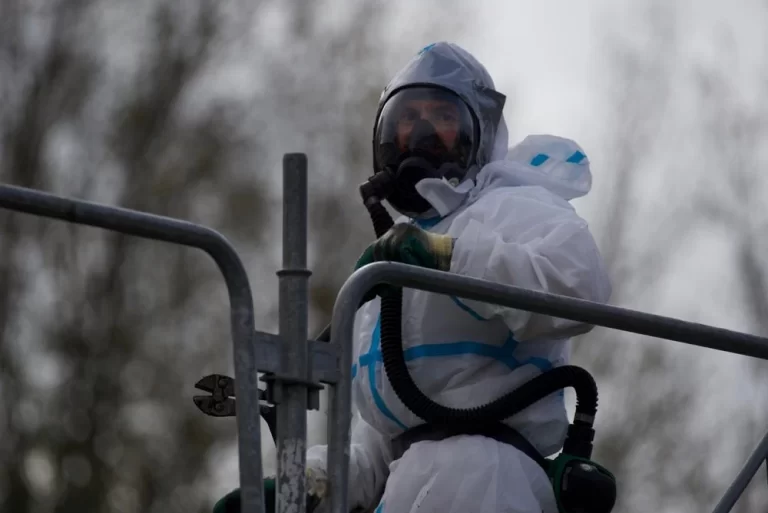
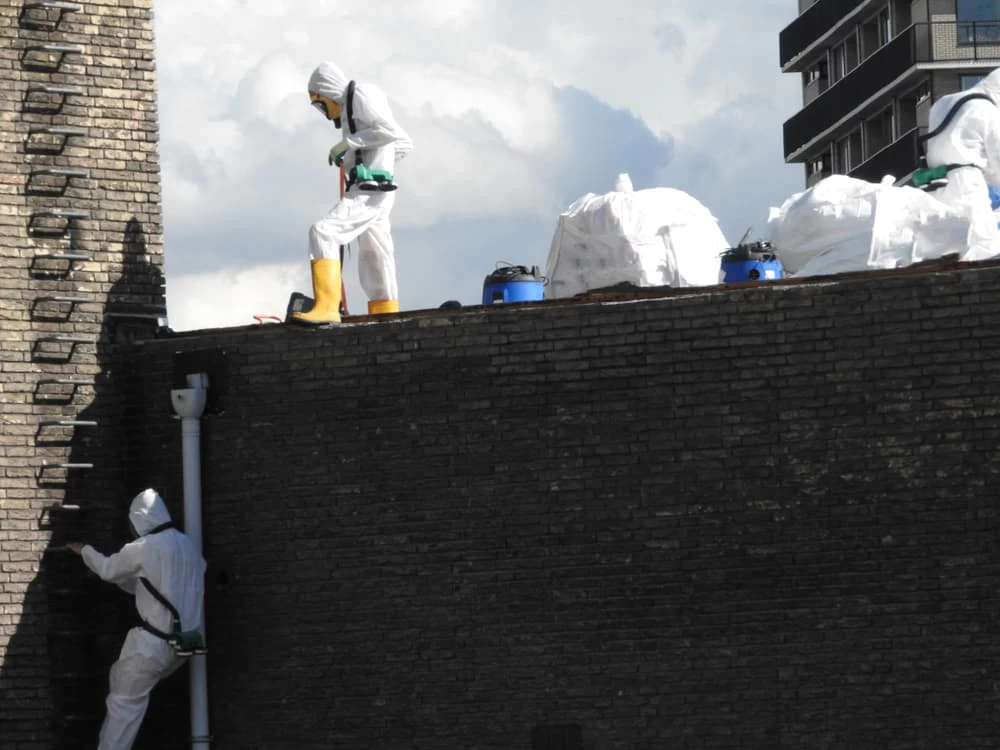
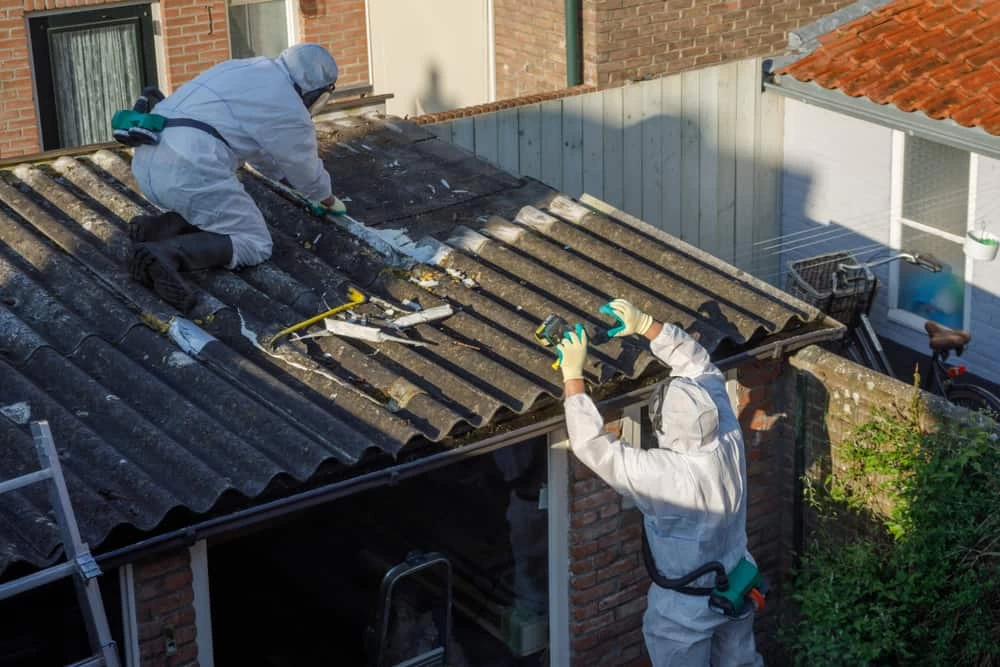
The removal itself is done under strict containment: negative air pressure enclosures, HEPA filtration, wet suppression methods to keep fibers from becoming airborne. When the work is complete, a certified industrial hygienist conducts post-abatement air clearance testing to confirm fiber levels are below regulatory limits. You get a full documentation package — inspection report, lab results, disposal manifests, and clearance report — everything you need for your building permit, your real estate transaction, or your own records. That’s the whole process, start to finish, with one crew and one point of contact.
Asbestos Tile and Popcorn Ceiling Removal Bayville
Every Material, Every Location, Handled Correctly
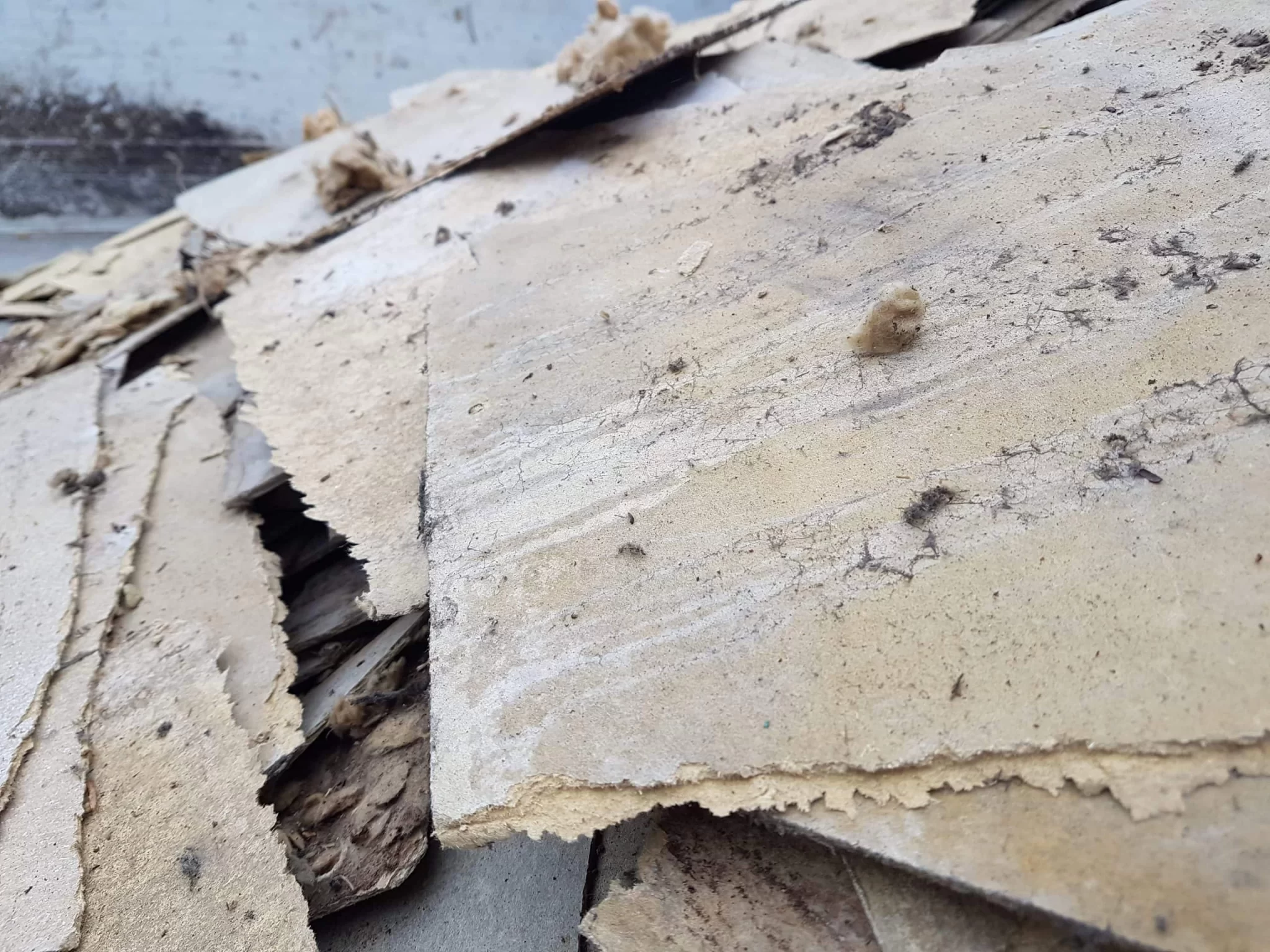
Asbestos doesn’t show up in just one place. In Bayville’s older homes, it can be in the 9×9 vinyl floor tiles in a mid-century kitchen, the adhesive mastic underneath them, the popcorn ceiling texture in a bedroom that hasn’t been touched since 1974, the pipe wrap on a steam heating system, or the boiler block insulation in the basement. Each of those materials requires a different approach, and each one has specific handling and disposal requirements under New York State law.
Asbestos tile removal means taking up both the tiles and the mastic — not just what’s visible on the surface. Asbestos popcorn ceiling removal requires full containment and wet methods to prevent fiber release during scraping. Pipe insulation removal on steam systems — common in Bayville’s pre-war and early post-war homes — is some of the more delicate abatement work there is, because deteriorating pipe wrap is often friable and requires careful enclosure before any physical removal begins.
Every service we provide in Bayville is backed by certified testing, licensed removal, licensed disposal at an approved facility, and post-abatement clearance testing. There’s no partial job here. Whether you’re renovating, selling, replacing a boiler, or dealing with post-storm damage in a flood zone property, you get the complete scope — documented, compliant, and done right.
Does my Bayville home actually have asbestos if it was built in the 1960s?
There’s a strong probability. Bayville’s median home construction year is 1965, and asbestos was used extensively in building materials from the 1940s through the late 1970s. That covers floor tiles and the adhesive used to install them, textured ceiling sprays, pipe and boiler insulation, roof shingles, cement board siding, drywall joint compound, and more. The presence of asbestos doesn’t mean your home is dangerous right now — materials in good condition and left undisturbed are generally considered low risk. The concern is when those materials get disturbed during renovation, repair, or demolition work.
If you’re planning any project that involves opening walls, pulling up flooring, replacing a boiler, or removing ceiling texture in a Bayville home built before 1980, testing before you start is the right call. It’s not a formality — it’s how you find out whether the work ahead requires a licensed abatement contractor or can proceed as planned.
What permits are required for asbestos removal in Bayville, NY?
Asbestos abatement in New York State is governed by NYS Industrial Code Rule 56, enforced by the NYS Department of Labor Asbestos Control Bureau. For projects above certain quantity thresholds, advance written notification to the ACB is required before work begins. The contractor performing the work must hold a valid NYS asbestos contractor license, and all supervisors on-site must be NYS-certified asbestos handler supervisors.
In Bayville specifically, you also need to coordinate with the Village of Bayville’s building department — reachable at (516) 628-1439 — for projects that require a local building permit. Larger demolition or renovation projects may also trigger federal EPA NESHAP notification requirements. The short version: there are multiple layers of regulatory compliance involved, and the easiest way to make sure none of them are missed is to work with a contractor who handles all of it. We manage every required notification and permit coordination as part of the project.
My Bayville home had flood damage — do I need asbestos testing before repairs start?
Yes, and this matters more in Bayville than in most Nassau County towns. Approximately half of Bayville’s homes are located in FEMA Special Flood Hazard Areas. When water intrusion forces emergency repairs — tearing out basement flooring, cutting into water-damaged walls, replacing pipe insulation — there’s a real chance those materials contain asbestos in a home built before 1980. Disturbing them without testing first creates an exposure risk for everyone on-site, including the restoration crew.
Under New York State law, renovation and demolition work that could disturb asbestos-containing materials requires an inspection before work begins. That requirement doesn’t pause for an emergency. If you’re coordinating post-flood repairs on an older Bayville property, getting asbestos testing done early in the process — before demolition begins — keeps the project on the right side of the law and protects everyone involved. We can mobilize quickly for post-storm assessments and coordinate directly with your restoration contractor to keep the timeline moving.
How long does asbestos abatement take in a typical Bayville home?
It depends on the scope of work, but for a typical single-family home in Bayville — whether it’s a mid-century Cape Cod, a ranch-style home, or an older beach cottage — most residential abatement projects run between one and three days for the physical removal work. Smaller, isolated jobs like a single room of floor tile or a section of pipe insulation can often be completed in a day. More complex projects involving multiple material types or larger surface areas take longer.
What adds time to the overall timeline is the testing and clearance phases on either end. Lab results from bulk sampling typically take two to five business days, depending on the lab and whether rush processing is needed. Post-abatement air clearance testing happens after removal is complete and the area has been cleaned — results usually come back within 24 to 48 hours. From initial inspection to final clearance documentation, most Bayville residential projects are fully wrapped up within one to two weeks. We’ll give you a realistic timeline at the start so you can plan your renovation or sale schedule accordingly.
Is popcorn ceiling removal in Bayville considered an asbestos risk?
It can be, and it’s one of the more common triggers for asbestos abatement calls we get from homeowners in Bayville and across Nassau County’s North Shore. Spray-applied textured ceiling finishes — what most people call popcorn ceilings — were widely used from roughly the early 1950s through the late 1970s. Many formulations during that period contained chrysotile asbestos as a binding and fire-retardant agent. In a Bayville home built between 1950 and 1980, there’s a meaningful chance the original popcorn ceiling texture contains asbestos.
The risk isn’t in having the ceiling — it’s in disturbing it. Dry scraping or sanding asbestos-containing texture releases fibers into the air. That’s why testing before any ceiling removal work begins is important. If asbestos is confirmed, the removal requires full containment, wet suppression methods, HEPA filtration, and post-abatement air clearance testing. We handle asbestos popcorn ceiling removal as a complete service — testing, containment, removal, disposal, and clearance — so the job is done safely and your contractor can move forward with the renovation.
How much does asbestos abatement cost for a home in Bayville, NY?
Cost varies based on the type of material, the quantity involved, and the accessibility of the work area. For a single contained project — one room of vinyl floor tile removal, a section of pipe insulation, or popcorn ceiling removal in a single room — residential asbestos abatement in Nassau County typically runs between $1,500 and $3,500. Larger or more complex projects involving multiple material types, extensive pipe systems, or whole-home assessments can range from $5,000 to $10,000 or more depending on scope.
For Bayville homeowners, it’s worth thinking about this in context. You’re protecting a home worth $600,000 to $2.5 million. A properly documented abatement — with inspection report, lab results, disposal manifests, and air clearance certification — adds real value to a real estate transaction and removes liability from a renovation project. Buyers’ attorneys and inspectors in this market expect documentation. Getting the work done by a licensed contractor who provides a complete paper trail isn’t just the safe choice — it’s the one that holds up when it matters. We provide itemized estimates before any work begins so you know exactly what you’re paying for.