1938 Called. Your Home May Have Left Something Behind.
Most homes in Bellerose Terrace were built before asbestos was ever a concern — which means it’s likely still in there. We provide licensed asbestos abatement for Nassau County homeowners who want it handled right the first time.
I needed a professional consultation explanation of procedure for safe removal of Asbestos in my apartment complex. Without having an account yet, I was very impressed with the caring, knowledgeable and generous advice offered by Jessica, and will look forward to doing business in the future. Thank you so much! I feel much more informed about a sometimes scary endeavor. Peace. Nancy Silva Mineola, NY.
Mia Munoz
Used this company to clean up some water flood in my house. They were fast and easy to work with.very professional, Would recommend to anyone!
Nini Valle
Great company, had a flood and they responded quickly and efficiently. Billed my insurance company directly. I highly recommend this company!
joe colapietro, jr
I had pipe freeze in my basement right before a snow storm and they made to within an hour to help start the clean up process. They we by our side throughout the entire process and even helped with the insurance company. They did such a great job with the cleanup, repair, remidiation, I contracted them to perform the repairs and finishes in the basement. They came with enough manpower and material to get the job done. Leo and Jessica were nothing but a pleasure to deal with!!
Cristian Arredondo c
I had some water damage in my home and Green Island was able to take care of my issue quickly and effectively. I am very pleased with the work they did. They responded quickly and were very professional.
Michael M
Outstanding service! From the office to the field crew everyone was friendly, helpful and responsive. I highly recommend Green Island Group.
You stop wondering. That’s the most honest way to put it. When you’ve got a home built in the 1930s or 40s — which describes most of Bellerose Terrace — there’s a real chance asbestos is sitting in your floor tiles, your pipe insulation, or that textured ceiling you’ve been meaning to deal with. Once it’s properly removed and cleared, you’re not guessing anymore. You have documentation. You have air clearance results. You have proof.
For homeowners in Bellerose Terrace, that matters on two levels. First, there’s the health piece — especially if you have kids in the Floral Park-Bellerose school district and your house is their primary environment. Asbestos fibers don’t announce themselves. They don’t smell or look like anything. But in a home that’s nearly 90 years old, the risk of disturbing them during any renovation is high enough that it’s worth taking seriously before you start swinging a hammer.
Second, there’s the property side. Bellerose Terrace home values have climbed significantly, and buyers are asking more questions at the table than they used to. A completed asbestos abatement with documented air clearance doesn’t just protect your family — it protects your sale. Whether you’re renovating to build equity or preparing to list, having that paperwork in hand puts you in a much stronger position.
Nassau County Work Requires Nassau County Knowledge
We are a Long Island-based environmental remediation company that works exclusively in asbestos abatement, removal, and remediation. This isn’t a side service bolted onto a restoration company — it’s the only thing we do, and that focus shows in how we work.
What matters most for Bellerose Terrace homeowners is that we hold both the New York State DEC credentials required under Code Rule 56 and the Nassau County Environmental Hazard Remediation Program licensing that applies specifically to work done in this county. That dual-layer compliance isn’t something every contractor walking through your door can claim — especially those who primarily work on the Queens side of Jamaica Avenue and may not be fully versed in Nassau’s specific requirements.
We’ve worked throughout western Nassau County — Floral Park, Elmont, New Hyde Park, and communities just like Bellerose Terrace — in homes that look and feel exactly like the ones on your block. Pre-war construction, original basements, aging pipe systems. That familiarity isn’t incidental. It’s what makes the difference between a thorough survey and a missed deposit.
No Guesswork. Here's Exactly How the Job Gets Done.
It starts with a proper inspection — not a visual once-over, but a systematic survey using infrared cameras, moisture meters, and bulk sample collection sent to a certified lab. In a Bellerose Terrace home built in the 1930s or 40s, that means checking the obvious places and the ones people miss: original floor tiles under newer flooring, pipe lagging around the boiler, textured ceiling coatings in older rooms, and exterior transite board if it’s present. You get a written report with real findings, not a verbal rundown.
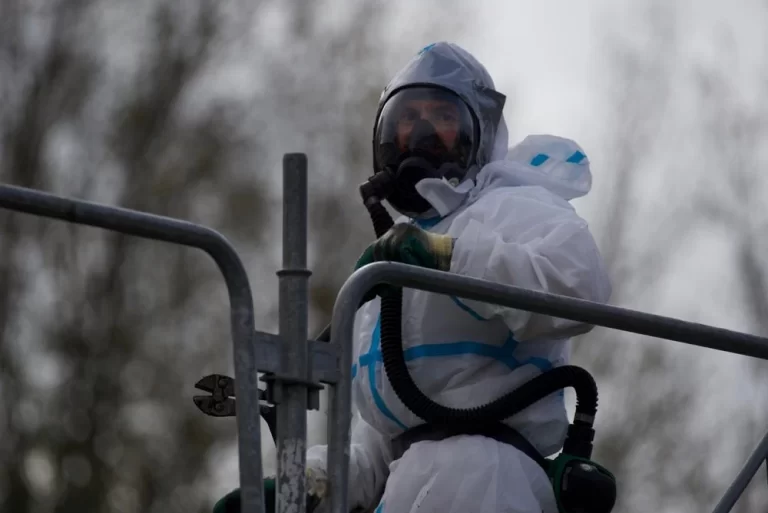
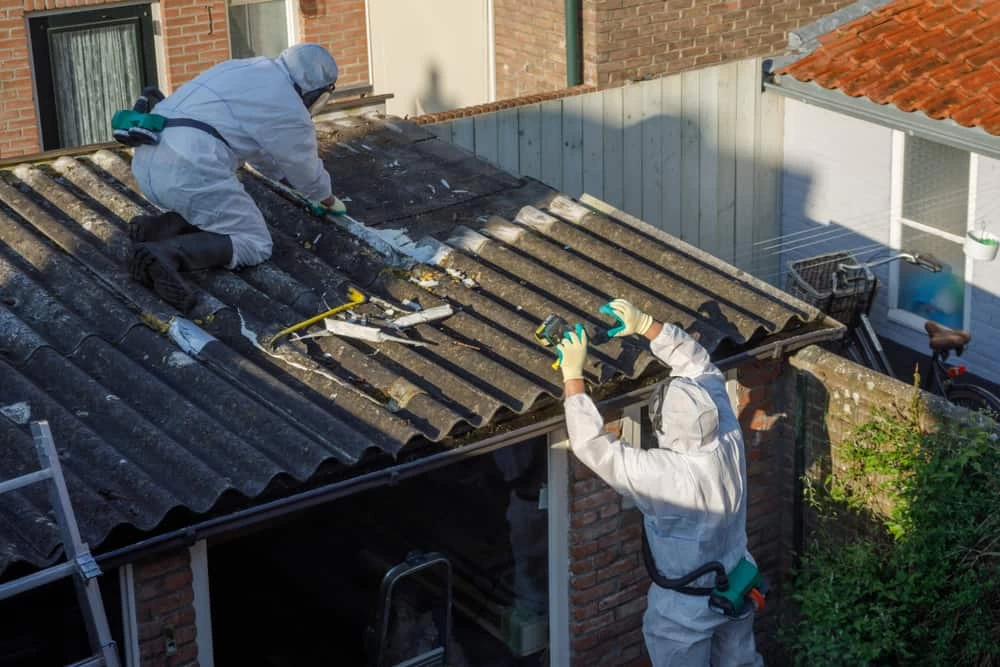
Before any removal begins, we handle all required permit applications and pre-project notifications with Nassau County and the NYS DEC. This step matters — skipping it can legally halt your project and create liability you don’t want. Once permits are in place, the work area is fully contained with negative air pressure systems and HEPA filtration to prevent fiber migration into the rest of your home.
Removal follows the abatement plan, and waste is disposed of at an approved facility with a documented chain of custody. The final step is post-abatement air monitoring — samples collected and analyzed by a certified lab to confirm that fiber levels are back to safe levels before containment comes down. Most residential projects in Nassau County run two to five days total. You’ll know the timeline before work begins, not after.
Asbestos Removal and Tile Removal Bellerose Terrace
Every Material Type, One Licensed Team, One Clean Result
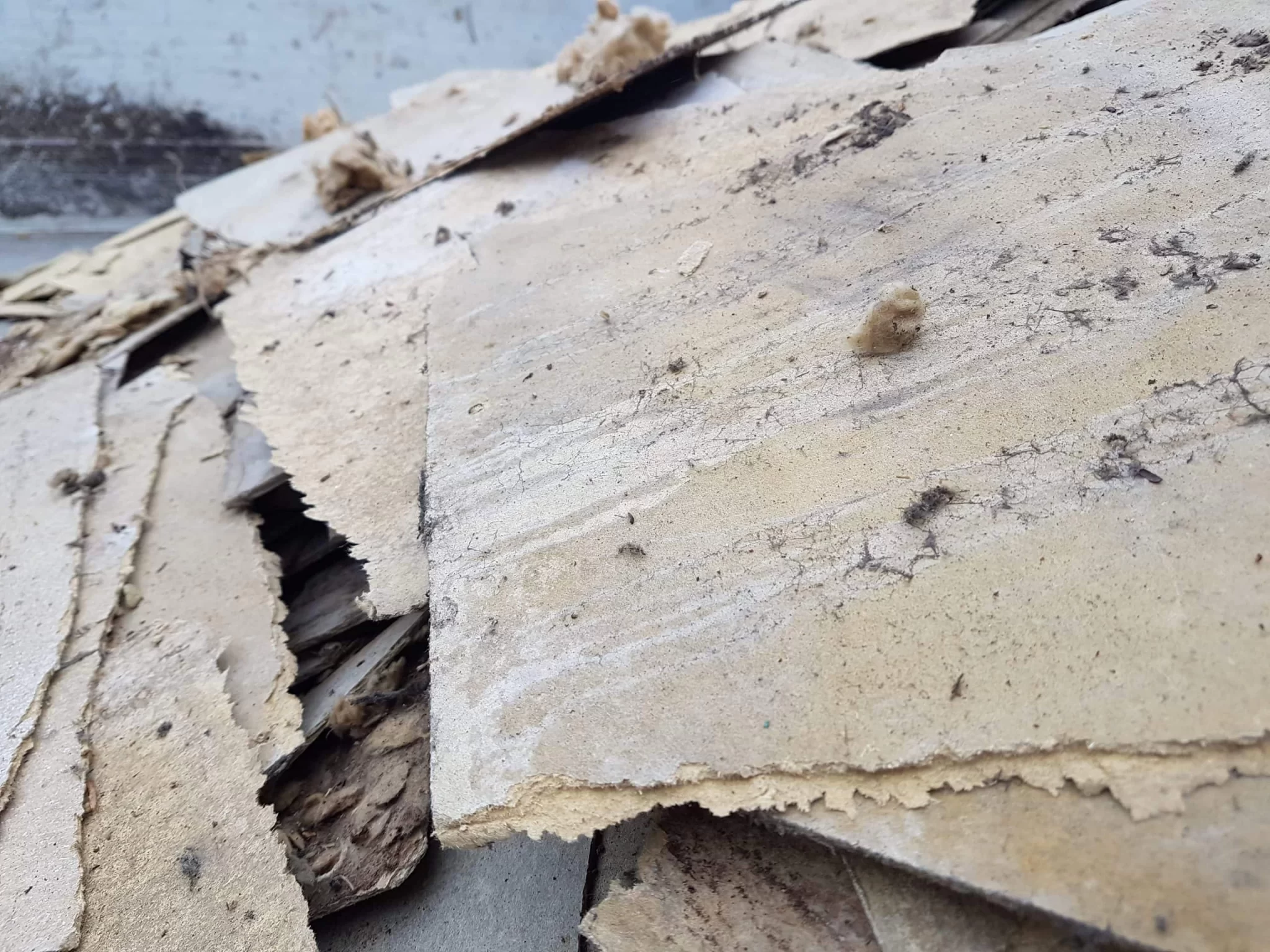
Bellerose Terrace homes from the 1930s through the 1950s don’t typically have just one asbestos issue — they have several, often stacked on top of each other. Asbestos floor tile removal is one of the most common requests, particularly the 9-by-9-inch vinyl asbestos tiles found in kitchens and bathrooms that have been covered by newer flooring for decades. Asbestos popcorn ceiling removal is another frequent need, especially in living areas where the original textured coating was applied before the material was regulated. Pipe insulation around boilers and heating systems is a third common finding, and it’s often in the worst shape because it’s been exposed to heat cycling for 80-plus years.
We handle all of these under a single project — asbestos tile removal, popcorn ceiling removal, pipe insulation abatement, and full structural surveys — without requiring you to coordinate multiple contractors or manage separate scopes of work. Every job includes pre-abatement testing, full containment, licensed removal, documented disposal, and post-abatement air clearance certification.
For homeowners near the Cross Island Parkway corridor, where decades of traffic vibration have put additional stress on aging building materials, our inspection phase is especially thorough. Friable materials that have been mechanically stressed over time require a different level of attention than materials that have simply aged in place. That distinction is built into how we approach every job in this area.
How do I know if my Bellerose Terrace home actually contains asbestos?
The honest answer is that you can’t know without testing — and in Bellerose Terrace, where the median home was built in 1938, the probability is high enough that testing before any renovation is simply the right call. Asbestos was used in dozens of building materials during the decades when most of this neighborhood’s homes were constructed: floor tiles, pipe insulation, roofing shingles, textured ceiling coatings, joint compound, and exterior cement siding were all common applications.
The only way to confirm whether a material contains asbestos is to collect a bulk sample and have it analyzed by a certified laboratory. Visual inspection alone isn’t reliable — asbestos-containing materials often look identical to non-asbestos versions. We’ll identify the suspect materials in your home, collect samples from the right locations, and give you a written report with actual lab results. That report is what you need before any contractor starts demolition, renovation, or removal work.
Do I need a permit for asbestos removal in Nassau County before work begins?
Yes — and this is one of the most important things to get right before any abatement work starts in Bellerose Terrace. Nassau County requires contractors to hold an Environmental Hazard Remediation Program (EHRP) license, and most residential asbestos abatement projects require pre-project notification filings with both Nassau County and the New York State Department of Environmental Conservation under Code Rule 56. These aren’t optional steps — skipping them can legally halt your project mid-job and expose you to violations as the property owner.
The permit and notification process also determines how the work must be performed: containment requirements, disposal protocols, and post-abatement air clearance standards are all tied to the regulatory filing. We handle all of this on your behalf. What you want to avoid is hiring someone who skips the paperwork to move faster or cheaper — because the liability for an unpermitted abatement ultimately sits with the homeowner, not the contractor.
What types of asbestos materials are most common in pre-war Long Island homes?
In homes built during the 1930s through the 1950s — which covers most of Bellerose Terrace’s housing stock — there are several materials that consistently show up during asbestos surveys. The most common are 9-by-9-inch vinyl floor tiles, which were standard in kitchens, bathrooms, and basements throughout that era. These tiles were manufactured with asbestos as a binding agent, and they’re frequently found intact under newer flooring that was installed on top of them.
Pipe and boiler insulation is the second most common finding, and often the most urgent — this material is frequently friable by the time it’s inspected, meaning it can release fibers with minimal disturbance. Textured popcorn ceilings applied before the late 1970s are another regular finding, as are older joint compounds used on plaster walls. Exterior transite board siding is less common but present on some homes in the area. In a home of this age, it’s rarely just one material — a thorough survey checks all of them.
How long does an asbestos abatement project typically take in Nassau County?
For most residential projects in Nassau County, the full timeline runs two to five days from start to finish. Day one is typically containment setup — sealing off the work area, establishing negative air pressure, and staging equipment. Removal takes one to two days depending on the scope and how many material types are involved. The final day covers post-abatement air monitoring, sample submission to the lab, and containment teardown once clearance is confirmed.
That said, the timeline can extend if the survey reveals more material than initially expected — which happens more often in Bellerose Terrace’s older homes than it does in newer construction. The pre-project inspection is what sets an accurate timeline, and a contractor who gives you a firm schedule before completing a thorough survey is guessing. You’ll get a realistic timeline after the inspection report is complete, not before. Most homeowners find that two to five days is manageable, especially when the schedule is communicated clearly upfront.
Is asbestos abatement required before a home renovation or just recommended?
In New York, it’s more than a recommendation — it’s a legal requirement in many situations. Under NYS DEC Code Rule 56, any renovation, demolition, or disturbance of a building material that contains asbestos must be handled by a licensed asbestos abatement contractor. If you or your general contractor disturbs asbestos-containing material without following proper abatement procedures, you’re looking at potential regulatory violations, liability for cleanup costs, and a work stoppage that can derail your entire project.
For Bellerose Terrace homeowners, this comes up most often when finishing a basement, replacing a boiler or HVAC system, removing old floor tiles, or scraping a textured ceiling. These are all common renovation triggers in a neighborhood of pre-war homes, and all of them carry a meaningful risk of asbestos disturbance. The practical approach is to have suspect materials tested before any contractor begins demolition work. If asbestos is present, abatement happens first — then your renovation proceeds on a clean, documented, legally compliant foundation.
What does post-abatement air clearance testing actually confirm?
Post-abatement air clearance testing is the step that confirms your home is actually safe to re-enter — not just that the visible material has been removed. After abatement is complete and before containment barriers come down, air samples are collected inside the work area and analyzed by a certified laboratory. The results confirm that airborne asbestos fiber concentrations have returned to acceptable levels, meaning the removal was thorough and the containment held throughout the process.
For families in Bellerose Terrace, this documentation serves two purposes. First, it’s the proof you need to feel confident bringing your household — including children — back into the space. Second, it’s a formal record that protects you in a real estate transaction, an insurance claim, or any future regulatory inquiry. A completed abatement without air clearance documentation is an incomplete job. Every project we complete includes this final step as a standard part of the process, not an add-on, because the clearance certificate is what separates a finished project from a finished-looking one.