If your home was built before 1980, asbestos abatement in Boutonville, NY starts with knowing exactly what you’re dealing with and we’ll come find out for free.
I needed a professional consultation explanation of procedure for safe removal of Asbestos in my apartment complex. Without having an account yet, I was very impressed with the caring, knowledgeable and generous advice offered by Jessica, and will look forward to doing business in the future. Thank you so much! I feel much more informed about a sometimes scary endeavor. Peace. Nancy Silva Mineola, NY.
Mia Munoz
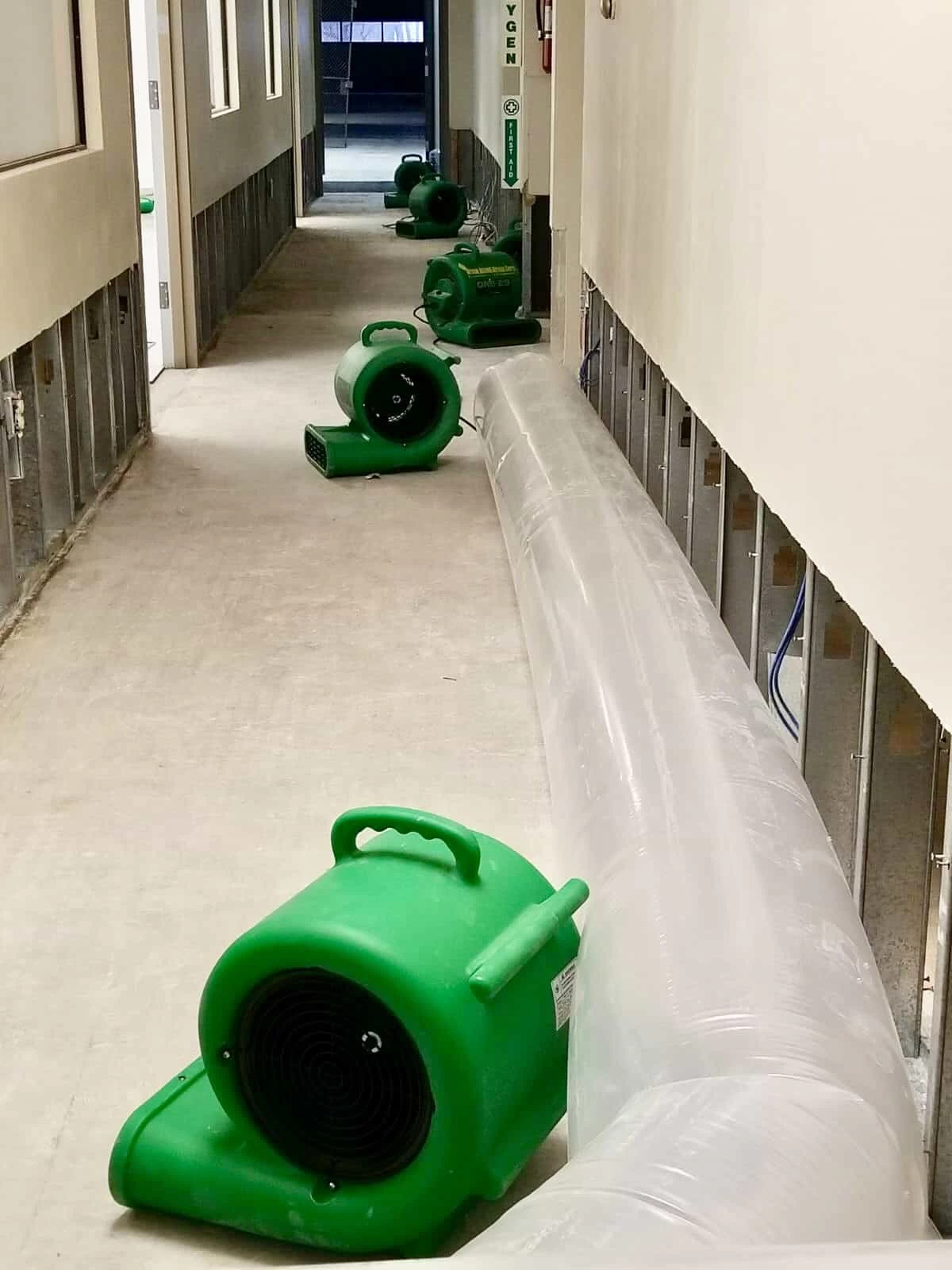
Used this company to clean up some water flood in my house. They were fast and easy to work with.very professional, Would recommend to anyone!
Nini Valle
Great company, had a flood and they responded quickly and efficiently. Billed my insurance company directly. I highly recommend this company!
joe colapietro, jr
I had pipe freeze in my basement right before a snow storm and they made to within an hour to help start the clean up process. They we by our side throughout the entire process and even helped with the insurance company. They did such a great job with the cleanup, repair, remidiation, I contracted them to perform the repairs and finishes in the basement. They came with enough manpower and material to get the job done. Leo and Jessica were nothing but a pleasure to deal with!!
Cristian Arredondo c
I had some water damage in my home and Green Island was able to take care of my issue quickly and effectively. I am very pleased with the work they did. They responded quickly and were very professional.
Michael M
Outstanding service! From the office to the field crew everyone was friendly, helpful and responsive. I highly recommend Green Island Group.
Most homeowners in the Boutonville area don’t find out they have asbestos until a contractor opens a wall, pulls up old floor tiles, or touches the pipe insulation in a basement that hasn’t been touched in forty years. At that point, the renovation stops. The real estate deal stalls. The insurance claim sits in limbo. What you actually want is to get past that moment with documentation in hand, clearance confirmed, and the project moving again.
The median construction year for homes in Pound Ridge is 1970. That puts the bulk of the local housing stock squarely in the era when asbestos was standard in floor tiles, popcorn ceilings, boiler wrap, and joint compound. These aren’t rare edge cases they’re common materials in common rooms, and they show up regularly in the older colonials, saltboxes, and mid-century estates that define this part of northern Westchester.
Once abatement is done correctly, you have something concrete: a written clearance document showing air samples were taken, fiber counts came in below threshold, and the work was completed to New York State regulatory standard. That document matters when you’re listing a home worth $1.5 million. It matters when your renovation contractor needs a green light to proceed. And it matters for your own peace of mind knowing the home your family lives in has been properly cleared.
We hold a valid NYS Department of Labor Asbestos Handling License the state-issued credential required for any contractor legally performing asbestos abatement in New York. That license is a public record. You can look it up on the NYS DOL website before you ever call. We also carry EPA certification, NYC DEP contractor approval, and NYS DEC compliance for waste disposal. No vague claims. No “licensed and insured” without the details to back it up.
We’ve completed more than 5,000 projects across the metro area, including Westchester County’s older housing stock the kind found along the winding roads off Route 124 near Boutonville, around Ward Pound Ridge Reservation, and throughout the Town of Pound Ridge. We also hold a formal M/WBE certification from the NYS Office of General Services, a state-issued credential that required documentation and formal approval not a self-designation.
Every worker who steps into your home holds an individual NYS DOL asbestos handler or supervisor certificate. Not just our company every person on the crew.
No Surprises Here's Exactly What the Process Looks Like
It starts with a free on-site inspection. One of our representatives comes to your property, walks the areas of concern, takes samples where needed, and gives you a clear picture of what’s present, where it is, and what if anything needs to happen next. You don’t pay anything for that assessment, and there’s no obligation attached to it.
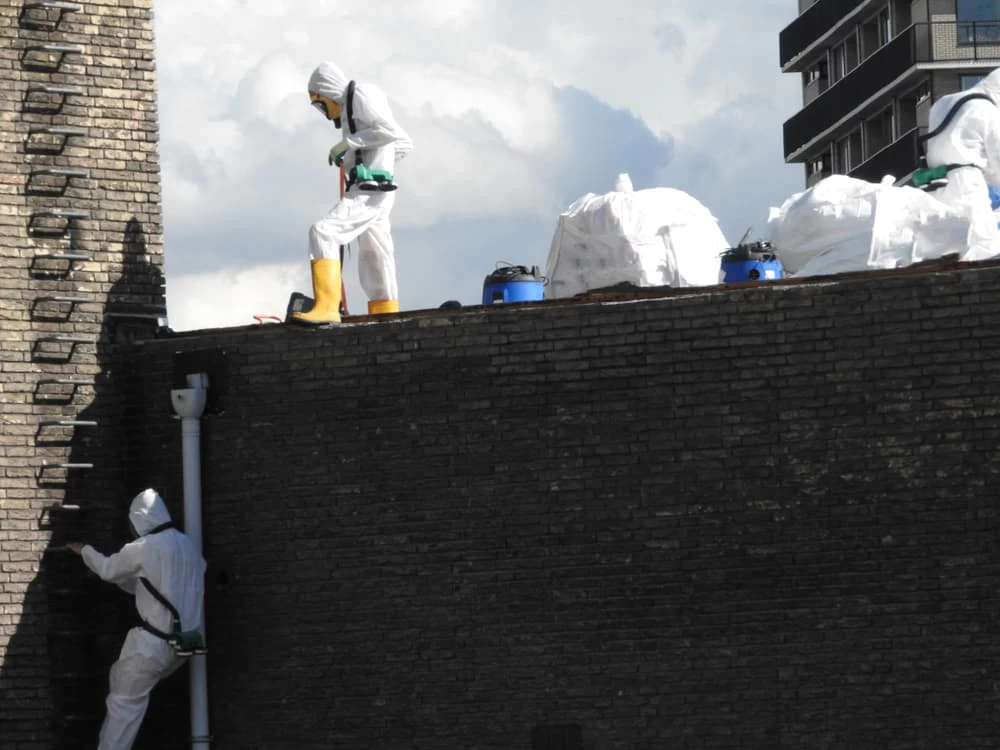
If abatement is required, you get a detailed written estimate with a defined scope before any work begins. The work area is sealed with polyethylene sheeting, negative air pressure is established so air flows into the containment zone rather than out of it, and HEPA-filtered air scrubbers run throughout the project. This isn’t just protective equipment it’s physical air management, which means asbestos fibers cannot migrate from the work area into the rest of your home. For a family living in a large Pound Ridge estate where abatement is happening in the basement or a utility room, that containment protocol is what makes it possible to stay in the unaffected parts of the house.
When the work is complete, post-abatement air clearance testing is conducted and a formal written clearance document is prepared. That document reflects the air sample results, confirms fiber counts came in below the regulatory threshold, and serves as the official record that the job was done to New York State standard under NYS Industrial Code Rule 56. If your abatement is insurance-related a water event that disturbed pipe insulation or floor tiles, for example we handle billing directly with your carrier so you’re not managing that paperwork on top of everything else.
Every Material Type Found in These Homes, Handled in One Scope
The homes in and around Boutonville contain the full range of asbestos-containing materials that were standard in construction from the 1940s through the late 1970s. We handle all of them not just the most common ones. That includes vinyl asbestos floor tiles in kitchens, basements, and hallways; acoustic popcorn ceiling texture in living rooms and bedrooms; pipe and boiler insulation in older heating systems; asbestos-cement siding on exterior walls; drywall joint compound; and roofing felt. For a homeowner undertaking a whole-home renovation or a pre-sale environmental assessment in a property with multiple potential material types, that means one contractor, one inspection, one clearance document covering the full scope.
Asbestos tile removal and asbestos popcorn ceiling removal are among the most frequently requested services in the Pound Ridge market, where mid-century finishes are still intact in many homes that have never been significantly renovated. These materials are often undisturbed which means they may be in stable condition but the moment renovation work begins, the risk of fiber release becomes real and the legal obligation to abate before proceeding kicks in under NYS and EPA regulations.
We also serve commercial and multi-family properties throughout Westchester County, where pre-demolition and pre-renovation asbestos inspections are required under EPA NESHAP regulations. Whether the project is a single-family home off Boutonville Road or a larger commercial structure in the surrounding area, the process, the credentials, and the clearance documentation standard are the same.
Does my Pound Ridge home actually need asbestos testing before I renovate?
If your home was built before 1980 and you’re planning any renovation that involves disturbing walls, floors, ceilings, or mechanical systems, testing is strongly recommended and in many cases, legally required before work can proceed. In Pound Ridge and throughout Boutonville, the median construction year is 1970, which means the majority of the local housing stock was built during the peak era of asbestos use in residential construction. Floor tiles, pipe insulation, popcorn ceiling texture, and joint compound were all routinely installed in homes built during that period.
You don’t necessarily have asbestos just because your home is old but the only way to know is professional sampling and laboratory analysis. A contractor who skips that step and disturbs an asbestos-containing material is creating a health hazard and a liability exposure for you as the property owner. Our free on-site inspection is specifically designed to answer this question without requiring a financial commitment upfront.
How long does asbestos abatement typically take for a Westchester County home?
For most residential projects a basement floor tile removal, a boiler room pipe insulation job, or a popcorn ceiling in a single room the active abatement work typically takes one to three days. The timeline depends on the square footage of affected material, the number of distinct material types involved, and the accessibility of the work area. Larger projects involving multiple rooms or material types will take longer, and that scope is defined clearly in the written estimate before work begins.
What adds time to the overall project is the post-abatement clearance process. After the abatement is complete, air clearance testing must be conducted and results must come back below the regulatory threshold before the containment can be removed and the space can be released for other work. In Westchester County, this typically adds a day or two to the total timeline. We’ll walk you through the full expected schedule at the inspection stage so you can plan your renovation or real estate timeline accordingly.
What does asbestos abatement actually cost for an older home in this area?
Cost depends on what materials are present, how much of it needs to be removed, and where it’s located in the home. A straightforward vinyl asbestos floor tile removal in a single room will cost less than a full boiler room pipe insulation job or a whole-home popcorn ceiling removal. In the Westchester County market, residential asbestos abatement projects typically range from a few hundred dollars for a small, contained scope to several thousand dollars for larger or more complex work.
In the Pound Ridge market specifically, where homes are high-value and renovation scopes tend to be substantial, the cost of abatement is rarely the deciding factor. What matters more to most homeowners in this area is that the work is done correctly, documented properly, and completed by a contractor whose license you can actually verify. We provide a detailed written estimate after the free inspection so you know exactly what the scope covers and what it costs before any work begins no surprises on the invoice.
Will I need to leave my home during asbestos abatement in Boutonville?
Whether you need to vacate depends on where the abatement is happening and how the containment is set up. For work in a basement, utility room, or other isolated area of the home, it’s often possible for the rest of the house to remain occupied during the project. Our containment protocol sealed polyethylene barriers, negative air pressure, and continuous HEPA filtration is specifically designed to prevent fiber migration from the work zone into living areas.
For larger projects involving main living spaces, or situations where the HVAC system could distribute air across the affected area, temporary relocation may be recommended for the duration of the active abatement work. This is always discussed and agreed upon before the project starts. We’ll give you a clear, honest answer about occupancy at the inspection stage based on the specific layout and scope of your home not a blanket policy that doesn’t account for your actual situation.
How does asbestos abatement affect a home sale in the Pound Ridge real estate market?
In the Pound Ridge market, where the median home sale price recently hit $1.9 million, asbestos is a real deal factor. Buyers at this price point routinely commission environmental assessments, and their attorneys review disclosure documents carefully. If asbestos-containing materials are identified during a buyer’s inspection and there’s no documentation of prior abatement, it becomes a negotiating point and not in the seller’s favor.
Sellers who have already completed abatement and can produce formal clearance documentation are in a significantly stronger position. The clearance document showing that air sampling was conducted after abatement and fiber counts came in below the regulatory threshold is exactly what a buyer’s attorney, lender, or title company will want to see. We provide that documentation as a standard deliverable on every project, prepared to the format that Westchester County real estate transactions require.
What types of asbestos-containing materials are most common in homes near Ward Pound Ridge Reservation?
The homes in the Boutonville area and throughout the Town of Pound Ridge tend to be older, larger properties antique saltboxes, mid-century modern estates, 1960s colonials built during an era when asbestos was standard in a wide range of building materials. The most commonly encountered asbestos-containing materials in this housing stock are vinyl floor tiles, particularly the 9×9 and 12×12 inch tiles found in kitchens, basements, and utility areas; pipe and boiler insulation in homes with original steam heat systems; and acoustic popcorn ceiling texture applied in living rooms, hallways, and bedrooms.
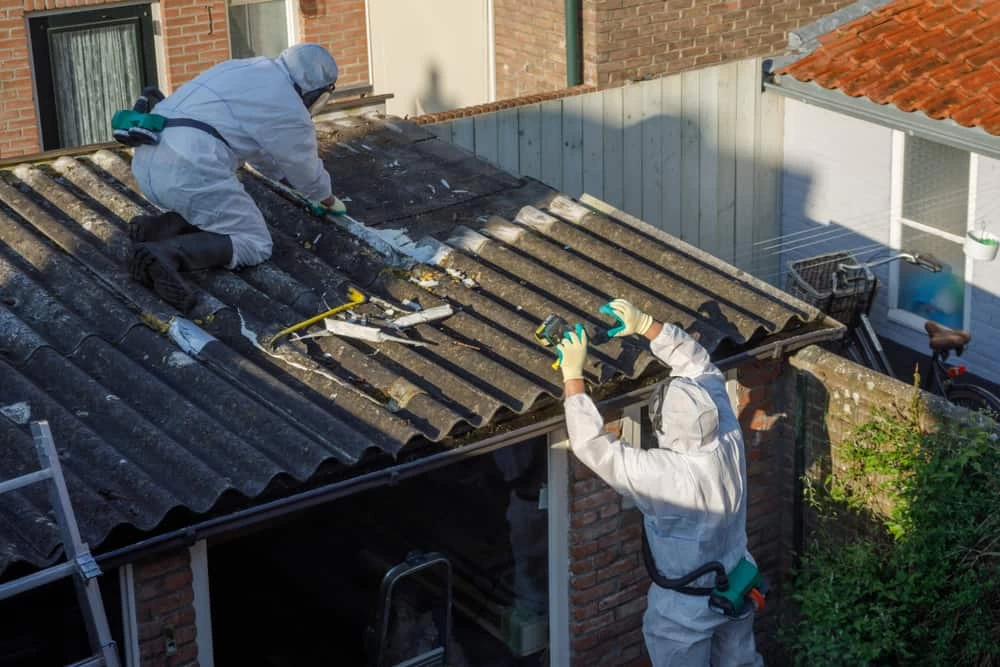
Asbestos-cement siding, known as transite, is also found on exterior walls of homes built in this era and is frequently discovered when homeowners begin exterior renovation or re-siding projects. Drywall joint compound and roofing felt are additional materials that can contain asbestos in homes of this age. Because many of these properties have been minimally renovated since original construction, these materials are often intact which means they may not pose an immediate risk, but they do need to be identified and assessed before any renovation work disturbs them.