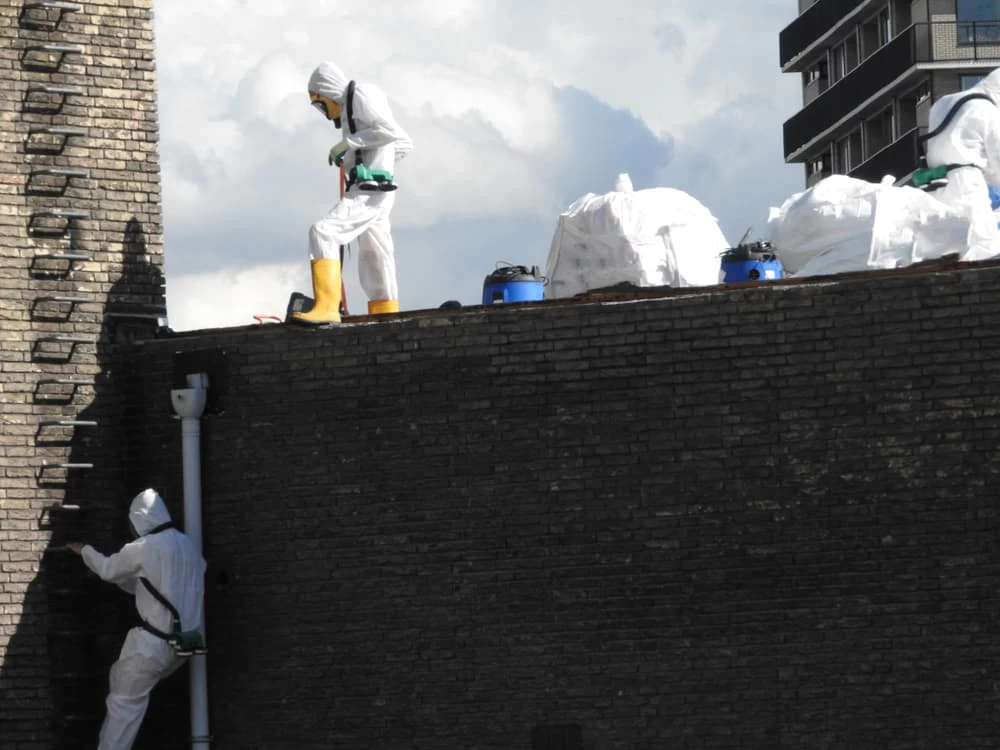
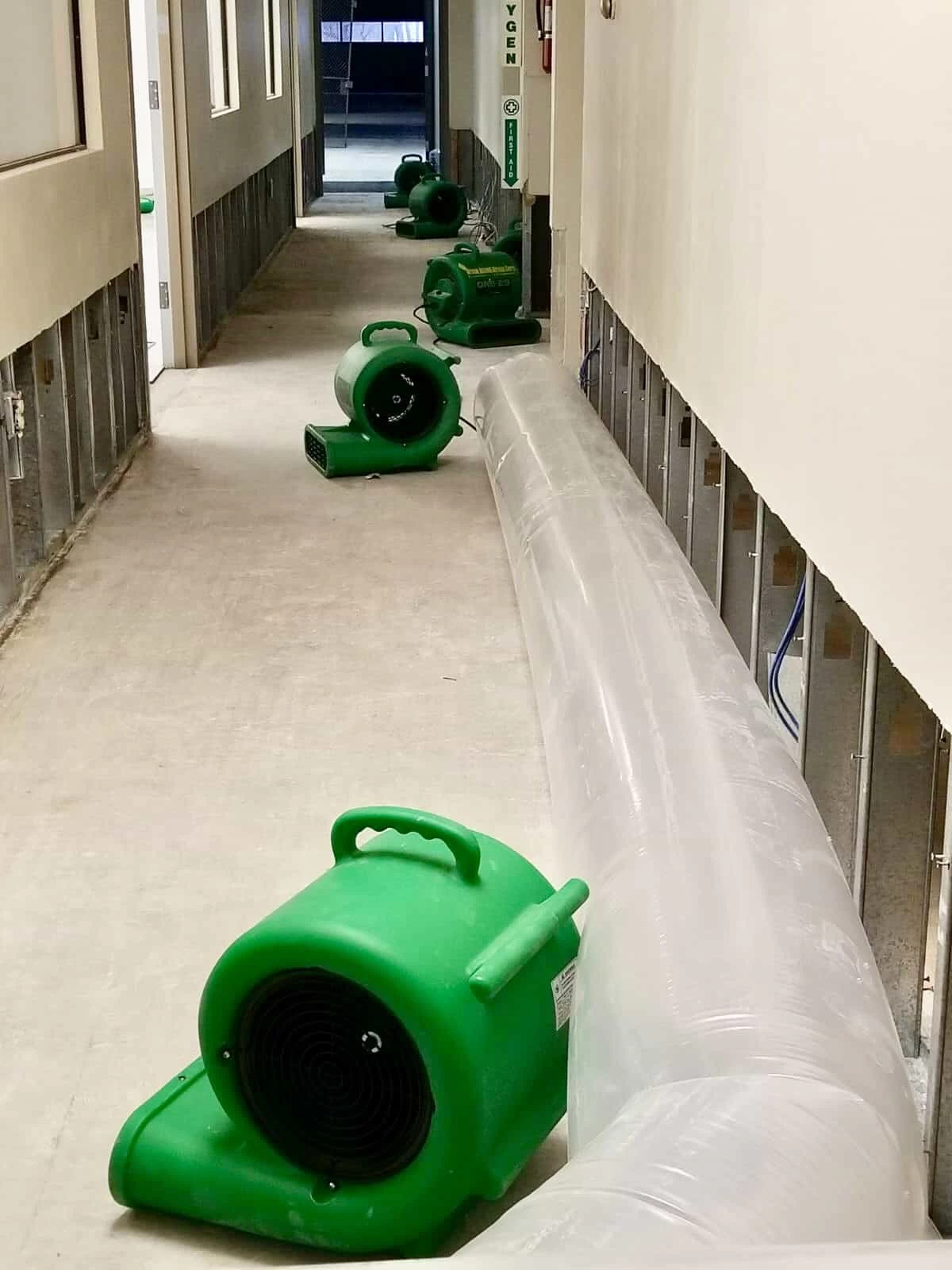
If your home was built in the 1950s or 1960s near Tonetta Lake, there’s a real chance asbestos is somewhere in it. We provide licensed asbestos abatement in Brewster Hill, NY from inspection through removal through documented clearance. Our process protects you, your family, and your property value.
I needed a professional consultation explanation of procedure for safe removal of Asbestos in my apartment complex. Without having an account yet, I was very impressed with the caring, knowledgeable and generous advice offered by Jessica, and will look forward to doing business in the future. Thank you so much! I feel much more informed about a sometimes scary endeavor. Peace. Nancy Silva Mineola, NY.
Mia Munoz
Used this company to clean up some water flood in my house. They were fast and easy to work with.very professional, Would recommend to anyone!
Nini Valle
Great company, had a flood and they responded quickly and efficiently. Billed my insurance company directly. I highly recommend this company!
joe colapietro, jr
I had pipe freeze in my basement right before a snow storm and they made to within an hour to help start the clean up process. They we by our side throughout the entire process and even helped with the insurance company. They did such a great job with the cleanup, repair, remidiation, I contracted them to perform the repairs and finishes in the basement. They came with enough manpower and material to get the job done. Leo and Jessica were nothing but a pleasure to deal with!!
Cristian Arredondo c
I had some water damage in my home and Green Island was able to take care of my issue quickly and effectively. I am very pleased with the work they did. They responded quickly and were very professional.
Michael M
Outstanding service! From the office to the field crew everyone was friendly, helpful and responsive. I highly recommend Green Island Group.
Most homeowners in Brewster Hill don’t find out about asbestos because they went looking for it. They find out mid-renovation, during a home inspection before a sale, or when a contractor stops work and tells them something needs to be tested. That moment where a project you planned carefully suddenly has a hard stop is frustrating. But it’s also the point where handling it correctly matters most.
When asbestos-containing materials are properly removed and documented, you get your project back on track with a paper trail that protects you. For anyone selling a 1960s ranch in Brewster Hill, that documentation isn’t a nice-to-have it’s what gets you to closing. Buyers and their attorneys want proof, and a post-abatement air clearance report from a licensed contractor is exactly that.
There’s also a longer-term factor specific to this area. Homes close to Tonetta Lake deal with basement moisture, crawl space humidity, and seasonal water exposure that accelerates the deterioration of older materials. Asbestos-containing pipe insulation, floor tiles, and ceiling materials break down faster in damp conditions and once they’re friable, the risk of fiber release goes up significantly. Getting ahead of that isn’t overcautious. It’s just practical for where you live.
State-Licensed, Government-Vetted, and Actually Local
We’ve been doing environmental remediation work across New York State for over 12 years. That includes residential homes throughout Putnam County including Brewster Hill and the surrounding area along with commercial properties and government facilities. The NYS Office of General Services, DASNY, and Nassau and Suffolk County agencies have all approved us for their facilities, which means a Brewster Hill homeowner can feel reasonably confident we know what we’re doing.
Our NYS Department of Labor Asbestos License isn’t a marketing credential it’s a legal requirement under Industrial Code Rule 56, and it’s publicly verifiable on the NYS DOL website. Putnam County falls under the Albany District Office for asbestos enforcement, meaning any licensed contractor working in Brewster Hill has been reviewed and approved by the same agency that enforces compliance here.
Beyond asbestos, we’re also licensed for mold remediation and lead abatement which matters in a community where pre-1980 homes near the water often present more than one problem at a time.
No Guesswork Here's What the Process Actually Looks Like
It starts with an inspection. Our licensed asbestos inspector assesses the materials in question floor tiles, pipe insulation, ceiling texture, roofing, siding, or whatever the renovation or concern has flagged. In Brewster Hill’s 1950s and 1960s housing stock, there are common places to look: 9×9 vinyl floor tiles in kitchens and basements, popcorn ceilings in living areas, wrap insulation on older boilers, and transite siding on the exterior. We document what’s present and whether it’s in a condition that poses a risk.
From there, we handle the regulatory side. That means filing the required notifications under NYS Industrial Code Rule 56, coordinating with the Town of Southeast for any permit requirements, and arranging compliant waste transport under NYSDEC regulations. You don’t have to figure out which agency needs what we handle it.
The removal itself follows strict containment protocols: negative air pressure enclosures, wet methods to suppress fiber release, full decontamination procedures, and licensed disposal. When the work is done, independent post-abatement air clearance testing confirms that fiber levels meet OSHA and NIOSH standards before anyone re-enters the space. You receive the clearance documentation the paperwork that protects you in a sale, satisfies your insurer, and proves the job was done right.
Everything Covered From the First Test to Final Clearance
We handle the full scope of asbestos abatement work not just removal, but the inspection, permitting, containment, licensed disposal, and post-abatement air clearance testing that make the job legally complete. For Brewster Hill homeowners, that matters because a partial job creates partial liability. Pulling out asbestos tile without proper containment, documentation, or clearance testing doesn’t protect you it just moves the problem.
The materials commonly found in Brewster Hill’s older homes include vinyl floor tiles, popcorn ceiling texture, pipe and boiler insulation, roofing shingles, joint compound, and exterior transite siding. Each of these requires a different removal approach, and not all of them are equally urgent some can be encapsulated rather than removed, depending on their condition and location. The inspection determines what’s actually necessary, so you’re not paying for more than the situation calls for.
Because pre-1980 homes in this area frequently present asbestos alongside lead paint and mold especially in basements affected by Tonetta Lake-area moisture our licensing across all three hazards means one contractor can assess and address everything. That’s not a convenience add-on. For a homeowner preparing a 1960s property for sale or renovation, it’s the difference between coordinating three separate contractors or making one call.
Does my Brewster Hill home near Tonetta Lake actually contain asbestos?
If your home was built before 1980, the honest answer is: probably somewhere. Asbestos was used extensively in American residential construction from the 1940s through the late 1970s, and the housing stock in Brewster Hill particularly the cottage-style and ranch homes built in the 1950s and 1960s around Tonetta Lake falls squarely in the highest-risk window. The most common locations are vinyl floor tiles (especially the 9×9 inch tiles standard in that era), popcorn ceiling texture, pipe and boiler insulation, roofing shingles, and exterior siding panels.
The important thing to understand is that the presence of asbestos-containing materials doesn’t automatically mean you have an emergency. Materials that are in good condition and undisturbed generally don’t release fibers. The risk goes up when materials are damaged, deteriorating, or about to be disturbed by renovation work. If you’re planning any work on a pre-1980 home in Brewster Hill, getting a licensed inspection before you start is the right move not because it’s required in every case, but because it tells you what you’re actually dealing with before a contractor opens a wall.
Is asbestos removal required before a renovation or home sale in New York?
In New York State, any renovation work that will disturb suspected asbestos-containing materials requires those materials to be assessed by a licensed asbestos inspector first. This is governed by NYS Industrial Code Rule 56, enforced by the Department of Labor’s Asbestos Control Bureau. If asbestos-containing materials are present and will be disturbed, they must be abated by a licensed contractor before the renovation proceeds. This isn’t optional, and it applies to residential properties not just commercial or industrial buildings.
For home sales in Brewster Hill, the legal requirement is less black-and-white, but the practical reality in today’s market is that buyers and their attorneys increasingly require documentation. If a home inspector flags suspected asbestos-containing materials during a pre-sale inspection which is common in Brewster Hill’s 1960s housing stock a buyer may make abatement a condition of closing. Having a licensed abatement completed with proper air clearance documentation before you list removes that negotiating variable entirely and gives buyers something concrete to rely on.
How long does asbestos abatement take, and do I need to leave my home?
The timeline depends entirely on the scope of the work. A single material like asbestos floor tile in one room or pipe insulation on a basement boiler can often be completed in one to two days. A larger project involving multiple materials throughout a 1960s ranch home might take three to five days. The inspection report will give you a clearer picture of what’s actually present and what the removal scope looks like before any work begins.
As for whether you need to leave: during active removal, the work area is sealed off under negative air pressure containment, which means the rest of the home is isolated from the abatement zone. In many cases, occupants can remain in other parts of the house. However, if the abatement involves a central area a main living space, a shared HVAC system, or a large portion of the home temporary relocation for the duration of the project is the safer and more practical choice. We’ll walk you through what makes sense for your specific situation before the job starts, so you’re not guessing.
What does post-abatement air clearance testing mean, and why does it matter?
Post-abatement air clearance testing is the step that confirms the removal was actually successful. After the asbestos-containing materials have been removed and the work area cleaned, an independent air sample is taken and analyzed to verify that airborne asbestos fiber levels meet the clearance standards set by OSHA and NIOSH. Until that test passes, the containment stays up and the space stays closed. No legitimate licensed contractor skips this step.
What you receive at the end is a clearance report a document showing the test results and confirming the space is safe to reoccupy. That report is what matters when you’re selling a home in Brewster Hill and a buyer’s attorney asks for proof, when your insurance carrier wants documentation of the remediation, or when a building inspector needs to sign off on a renovation permit. It’s not a formality. It’s the paper trail that closes the loop legally and protects you from any future question about whether the work was done correctly.
Can asbestos removal be done in winter, or is there a better time of year in Putnam County?
Asbestos abatement can be performed year-round, and there’s no technical reason to wait for warmer weather the work happens inside a contained environment regardless of what’s going on outside. That said, there are practical timing considerations worth knowing if you’re in Brewster Hill or anywhere in Putnam County with a real winter.
Heating system failures and pipe issues in older homes tend to surface in cold months, and when they do, they can disturb asbestos-containing insulation on boilers and pipes sometimes creating an urgent situation in January or February. Ice dam damage and frozen pipe incidents can also compromise floor tiles and ceiling materials in older homes. So while spring and summer are the most common times homeowners schedule planned abatement projects usually tied to renovations or pre-sale prep winter calls are not unusual, and we handle them. If you’re dealing with a heating system issue in a 1960s Brewster Hill home and you’re not sure what’s been disturbed, getting an inspection quickly is the right call regardless of the season.
What's the difference between a testing-only company and a full abatement contractor?
Several environmental firms operate in the Brewster and Putnam County area and most of them are testing and consulting companies only. They’ll inspect your home, collect samples, and give you a report telling you what’s present. What they won’t do is remove it. For that, you need a separate licensed abatement contractor, which means a second round of calls, a second contract, and coordinating two different companies through a process that’s already stressful enough.
We handle both sides. We conduct the inspection, manage the regulatory filings under NYS Industrial Code Rule 56, perform the removal under proper containment protocols, arrange licensed waste transport under NYSDEC requirements, and deliver the post-abatement air clearance documentation when it’s done. For a Brewster Hill homeowner who’s already managing a renovation timeline or a closing date, not having to coordinate between a testing firm and a separate abatement contractor is a real, practical difference not just a convenience pitch. One licensed contractor, one point of contact, one complete paper trail.