Brightwaters' Older Homes Deserve More Than a Generic Crew
The homes along the canal and around the lakes weren’t built last decade. They were built during the peak years of asbestos use and if you’re renovating, selling, or dealing with storm damage, that matters. We handle asbestos abatement in Brightwaters, NY the right way: fully licensed, fully documented, and built around what your specific home actually needs.
I needed a professional consultation explanation of procedure for safe removal of Asbestos in my apartment complex. Without having an account yet, I was very impressed with the caring, knowledgeable and generous advice offered by Jessica, and will look forward to doing business in the future. Thank you so much! I feel much more informed about a sometimes scary endeavor. Peace. Nancy Silva Mineola, NY.
Mia Munoz
Used this company to clean up some water flood in my house. They were fast and easy to work with.very professional, Would recommend to anyone!
Nini Valle
Great company, had a flood and they responded quickly and efficiently. Billed my insurance company directly. I highly recommend this company!
joe colapietro, jr
I had pipe freeze in my basement right before a snow storm and they made to within an hour to help start the clean up process. They we by our side throughout the entire process and even helped with the insurance company. They did such a great job with the cleanup, repair, remidiation, I contracted them to perform the repairs and finishes in the basement. They came with enough manpower and material to get the job done. Leo and Jessica were nothing but a pleasure to deal with!!
Cristian Arredondo c
I had some water damage in my home and Green Island was able to take care of my issue quickly and effectively. I am very pleased with the work they did. They responded quickly and were very professional.
Michael M
Outstanding service! From the office to the field crew everyone was friendly, helpful and responsive. I highly recommend Green Island Group.
Your Home Is Safe, Documented, and Ready to Move Forward
When asbestos gets discovered whether it’s under the kitchen floor, wrapped around a pipe in the basement, or in a popcorn ceiling you were about to sand down the first thing most people feel is stuck. You don’t know who to call, what the rules are, or how long this is going to take. That feeling goes away fast when you’re working with someone who’s handled this before, in homes exactly like yours.
Brightwaters is one of the oldest planned residential communities on Long Island. The colonials, Tudors, and Cape Cods that line the streets near the Brightwaters Canal and around Cascades Lake were built from the 1910s through the 1960s right in the middle of the era when asbestos was standard in floor tiles, pipe insulation, ceiling texture, and joint compound. These aren’t just old homes. They’re homes that were built to last, and they deserve abatement work that treats them that way.
The village also sits directly on the South Shore, adjacent to the Great South Bay. That coastal humidity accelerates the breakdown of older insulation materials especially on pipes and boilers making friable asbestos a more active concern here than in drier inland communities. When you finish this process with us, you walk away with a clean clearance report, full regulatory documentation, and the confidence that nothing was missed.
Licensed Asbestos Contractor Serving Brightwaters, NY
We Know What's Inside These Walls
We’re a Suffolk and Nassau County environmental and remediation contractor with deep experience in asbestos abatement, removal, and remediation across Long Island’s South Shore. We work in the kinds of homes that make up Brightwaters older, architecturally distinct properties where the building materials tell the history of the house.
We’re not a national franchise routing calls through a 1-800 number. We’re a Long Island company that knows the Town of Islip building department, understands that Brightwaters has its own village-level code enforcement on top of state requirements, and has worked through the full NYS Industrial Code Rule 56 compliance process more times than we can count. That familiarity isn’t a marketing line it’s what keeps your project from hitting a wall mid-renovation.
When you call us, you get a straight answer about what you’re dealing with, what needs to happen, and what it’s going to take to get there.
No Guesswork Here's Exactly What the Process Looks Like
It starts with a certified inspection. Before anything is touched, a licensed asbestos inspector assesses the property and collects samples from any suspected materials floor tiles, pipe insulation, ceiling texture, wall board, whatever’s relevant to your project. You get a written report that tells you exactly what was found, where it is, and what category of risk you’re dealing with. In Brightwaters, that inspection often turns up more than one material, especially in homes built before 1960.
From there, we handle the regulatory side. Depending on the scope of the project, that means filing advance notification with the NYS Department of Environmental Conservation, pulling the appropriate permits through the Town of Islip, and coordinating with the Village of Brightwaters code enforcement office if required. Most homeowners don’t realize Brightwaters has a village-level layer on top of the standard town and state requirements we do, and we handle it.
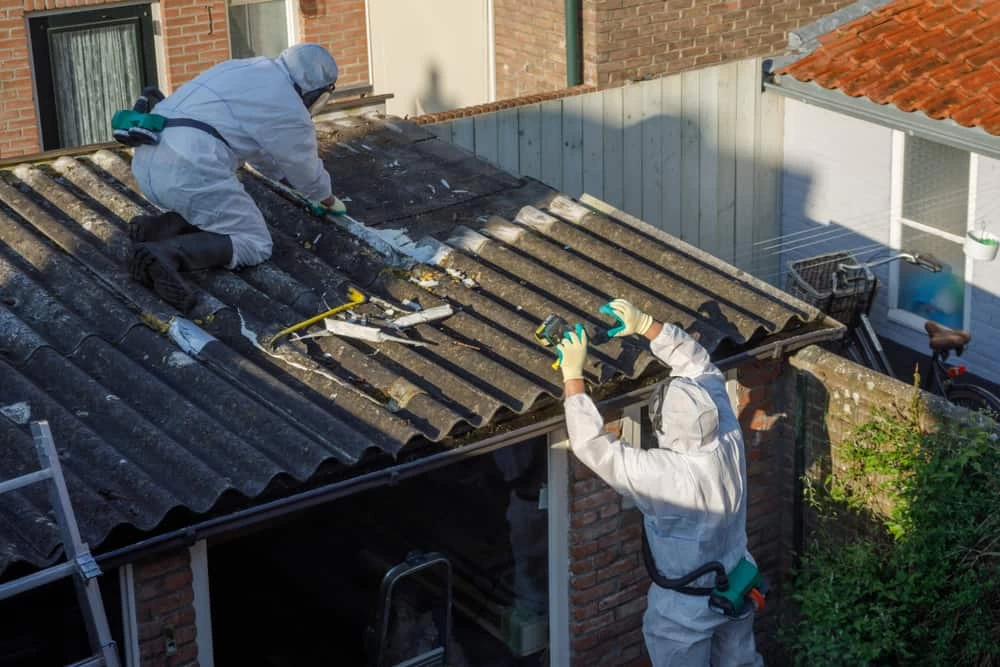
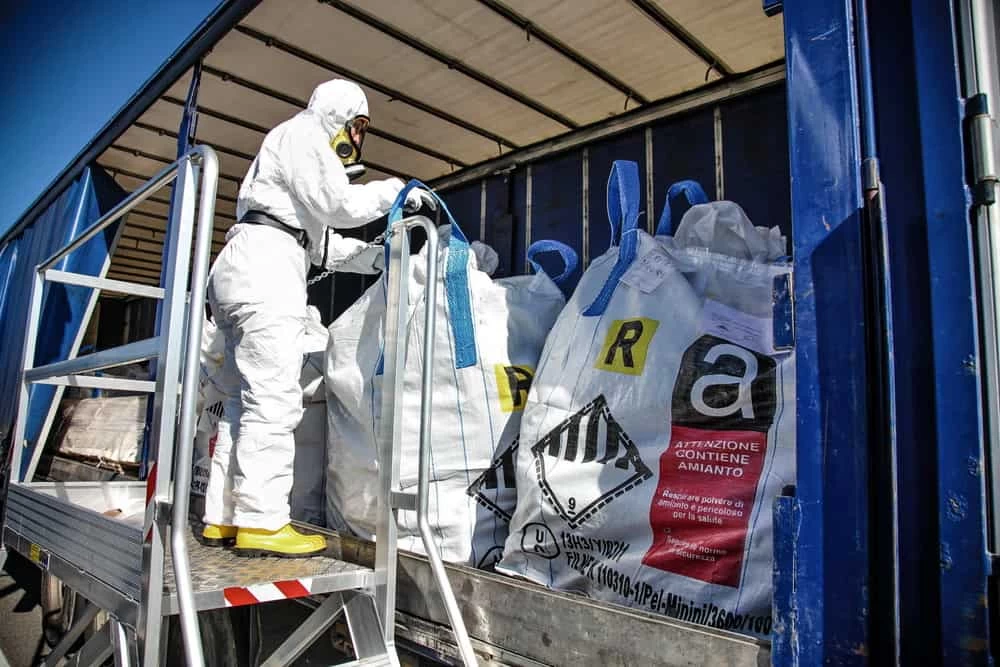
The abatement itself is done under full containment: negative air pressure, sealed work zones, certified workers in proper PPE, and licensed waste disposal. When the work is complete, a final clearance air test is conducted by an independent party to confirm the space is clean. You receive the full documentation package survey, notification confirmations, clearance results, and disposal manifests everything you need for a home sale, a permit sign-off, or your own records.
Asbestos Remediation and Removal in Brightwaters, NY
What's Covered When You Work With Us
Asbestos abatement in Brightwaters isn’t a one-size situation. A 1920s Tudor near the canal has different risk areas than a 1950s Cape Cod near Mirror Lake, and a post-storm basement repair job looks nothing like a pre-listing cleanup before a home sale. The scope of what we do adjusts to what your property actually needs.
That said, most projects in Brightwaters touch at least one of the following: asbestos tile removal particularly the 9×9-inch vinyl asbestos tiles found under carpeting or newer flooring in pre-1960s homes asbestos popcorn ceiling removal for homeowners updating their interiors, pipe and boiler insulation removal in homes with original steam or hot-water heating systems, and full asbestos remediation for properties that have experienced storm-related material disturbance. Given the village’s documented flood vulnerability along the South Shore, that last category comes up more than people expect.
Every engagement includes the certified inspection, proper containment setup, licensed abatement work, waste transport and disposal in compliance with Suffolk County requirements, and final clearance air testing. The documentation we provide at the end is complete enough to satisfy a buyer’s attorney, a title company, or a building inspector because in a real estate market where Brightwaters homes are moving fast and averaging close to $780,000, an incomplete paper trail is a problem you don’t want.
Does my Brightwaters home likely have asbestos if it was built before 1980?
If your home was built before 1980, the honest answer is: probably yes, in at least one location. Brightwaters’ housing stock skews heavily toward the early-to-mid 20th century the T.B. Ackerson Company began developing the village in 1907, and construction continued actively through the 1960s. That means the vast majority of homes here fall squarely within the decades when asbestos was a standard building material.
The most common locations in Brightwaters homes are 9×9-inch vinyl floor tiles (often found under carpeting or newer flooring), pipe and boiler insulation in homes with original steam or hot-water heating systems, textured popcorn ceilings applied through the 1970s, and pre-1980 drywall joint compound. Finding asbestos in one of these spots doesn’t automatically mean you have an emergency but it does mean you need a certified inspection before any renovation or demolition work disturbs those materials. New York State law requires it, and skipping that step creates real liability.
What permits are required for asbestos removal in Brightwaters, NY?
The permitting picture in Brightwaters is a little more layered than in most of the surrounding area, and that’s worth understanding before you start. At the state level, New York’s Industrial Code Rule 56 requires a licensed asbestos contractor and certified workers for all abatement work, along with a mandatory pre-abatement inspection by a certified inspector. For larger projects, a 10-working-day advance notification must be filed with the NYS Department of Environmental Conservation before work begins.
On the local side, building permits for renovation and demolition projects go through the Town of Islip building department, which typically requires asbestos survey documentation and licensed contractor credentials as part of the application. What many homeowners and some contractors miss is that Brightwaters is an incorporated village with its own code enforcement office, separate from the Town of Islip. Depending on the scope of your project, there may be a village-level notification or inspection requirement on top of everything else. We’re familiar with all three layers and handle the filing and coordination so you don’t run into compliance issues mid-project.
Can I remove asbestos tiles myself in New York, or do I need a licensed contractor?
New York State takes a firm position on this. Under Industrial Code Rule 56, asbestos abatement work must be performed by a NYS DOL-licensed contractor using certified workers. There are very limited exceptions for minor residential work, but even those exceptions require the homeowner to follow specific handling, containment, and disposal protocols and any mistake creates personal liability and potential health exposure.
In practical terms, if you’re renovating a Brightwaters home and you’ve uncovered what looks like 9×9-inch vinyl tiles, the safest and legally cleanest path is to stop work and get a certified inspection before proceeding. If those tiles test positive for asbestos, you need a licensed abatement contractor. Attempting to remove them yourself and dispose of them in regular waste is a violation of both state law and Suffolk County waste disposal regulations. The cost of doing it right is real, but it’s a fraction of the cost of a violation, a failed clearance test, or a home sale that falls apart because the paperwork doesn’t hold up.
How does storm damage in Brightwaters create an asbestos risk in older homes?
This is a question that comes up more in Brightwaters than most people expect. The village sits on the South Shore adjacent to the Great South Bay, and it’s in a documented coastal flood zone. Brightwaters’ own mayor has publicly noted that severe storm events have caused basement flooding in homes that had never flooded before events he compared in severity to Hurricane Sandy.
When a basement floods and you’re tearing out drywall, pulling up flooring, or cutting into insulated pipes for repair work, you’re potentially disturbing asbestos-containing materials that were otherwise stable. Friable asbestos insulation that’s become brittle or crumbly, which is accelerated by moisture exposure is especially dangerous in this scenario because disturbance releases fibers into the air. Before you begin any post-storm renovation work in a Brightwaters home built before 1980, a certified asbestos inspection of the affected areas is the right first step. It protects your family and keeps your renovation project on the right side of New York State law.
How long does an asbestos abatement project typically take in a residential home?
The timeline depends on the scope of what was found and where it is. A targeted removal one area of floor tile, or a section of pipe insulation can often be completed in one to two days once the regulatory notifications are in place. A more comprehensive project involving multiple material types across several rooms will take longer, and the NYS DEC advance notification requirement alone adds a minimum of 10 working days to the front end of any larger project.
For Brightwaters homeowners working against a real estate closing deadline, that timeline matters. The earlier you get a certified inspection done after asbestos is suspected, the more runway you have to complete abatement and obtain clearance documentation before your closing date. Homes in Brightwaters are averaging around 43 days on the market right now, and buyers’ attorneys and lenders are looking for complete abatement documentation before they’ll clear a transaction. Getting ahead of the process rather than discovering it mid-deal is almost always the better outcome.
What does asbestos abatement cost for a home in Brightwaters, NY?
Cost varies based on what was found, how much of it there is, and where it’s located. A targeted removal a single area of floor tile or a short run of pipe insulation typically starts in the range of a few hundred to a thousand dollars. A larger project involving multiple material types, several rooms, or a full basement remediation can run several thousand dollars, and projects requiring extensive containment or complex access can go higher.
What’s worth keeping in mind in Brightwaters specifically is the context. With average home values approaching $780,000 and a real estate market that’s been appreciating steadily, the cost of a properly documented abatement project is a small fraction of what’s at stake in a transaction or in the long-term value of a home you’re renovating. An incomplete or improperly handled abatement can derail a sale, trigger regulatory penalties, or create ongoing liability. The better question isn’t just what it costs to do it it’s what it costs if it’s done wrong.