Old Bungalows, Bay Flooding, and Asbestos We Handle All Three
If your Broad Channel home was built before 1940 and you’re renovating, rebuilding, or recovering from flood damage, there’s a real chance asbestos is already in the picture. We’re licensed for asbestos abatement in Broad Channel and know exactly what these homes carry.
I needed a professional consultation explanation of procedure for safe removal of Asbestos in my apartment complex. Without having an account yet, I was very impressed with the caring, knowledgeable and generous advice offered by Jessica, and will look forward to doing business in the future. Thank you so much! I feel much more informed about a sometimes scary endeavor. Peace. Nancy Silva Mineola, NY.
Mia Munoz
Used this company to clean up some water flood in my house. They were fast and easy to work with.very professional, Would recommend to anyone!
Nini Valle
Great company, had a flood and they responded quickly and efficiently. Billed my insurance company directly. I highly recommend this company!
joe colapietro, jr
I had pipe freeze in my basement right before a snow storm and they made to within an hour to help start the clean up process. They we by our side throughout the entire process and even helped with the insurance company. They did such a great job with the cleanup, repair, remidiation, I contracted them to perform the repairs and finishes in the basement. They came with enough manpower and material to get the job done. Leo and Jessica were nothing but a pleasure to deal with!!
Cristian Arredondo c
I had some water damage in my home and Green Island was able to take care of my issue quickly and effectively. I am very pleased with the work they did. They responded quickly and were very professional.
Michael M
Outstanding service! From the office to the field crew everyone was friendly, helpful and responsive. I highly recommend Green Island Group.
You stop guessing. That’s the first thing. When asbestos-containing materials are properly identified, removed, and cleared by a certified contractor, you have documentation that says your home is safe not just a contractor’s word for it. For a Broad Channel family that’s lived in the same bungalow for decades, that piece of paper matters more than most people realize.
Broad Channel’s housing stock is almost entirely pre-1940. Floor tiles, pipe insulation, popcorn ceiling texture, roofing materials these were all installed during the era of peak asbestos use, and most of them have never been touched since. The moment you start a renovation, elevate your home’s foundation, or tear out flood-damaged walls, you’re disturbing materials that may require licensed abatement before any other work can legally continue.
The flood history here makes this more urgent than in most Queens neighborhoods. Sandy pushed six feet of storm surge through this island. Homes were gutted, rebuilt, and in some cases elevated entirely. Every one of those projects had the potential to disturb asbestos. If yours did or if the next storm triggers another round of repairs having a contractor who handles asbestos abatement, mold remediation, and water damage restoration under one license means you’re not starting from scratch every time the bay rises.
Every License You Need. One Company That Knows Broad Channel.
We’re a full-service environmental remediation and restoration contractor. We hold the NYS DOL Asbestos license, NYS DOL Mold certification, IICRC Water and Fire Damage credentials, USEPA Lead/RRP certification, and NYC General Contractor licensing which means we’re legally qualified to do everything a pre-war Broad Channel bungalow might require, from the first asbestos test to the final rebuilt wall.
Working in New York City isn’t the same as working in Nassau or Suffolk. Broad Channel falls under NYC DEP jurisdiction, which adds a layer of approval requirements on top of NYS DOL licensing. We know that process. We file the right paperwork, pull the right permits, and protect you from the regulatory complications that come up when a contractor isn’t properly set up for NYC work.
We serve all five boroughs, and the coastal Queens communities Broad Channel, Howard Beach, the Rockaways are part of our regular service area. We understand the housing stock here, the flood exposure, and what it actually takes to get a pre-1940 island home safely remediated and back in order.
From the First Test to the Final Clearance Here's How We Work
It starts with an inspection. A certified inspector comes to your home, identifies materials that may contain asbestos floor tiles, ceiling texture, pipe wrap, roofing, drywall compound and collects samples for lab testing. You get a clear picture of what’s there before any decisions are made about removal or encapsulation. For Broad Channel homes, this step often turns up more than the homeowner expected, simply because these pre-war bungalows were built with asbestos in places most people don’t think to check.
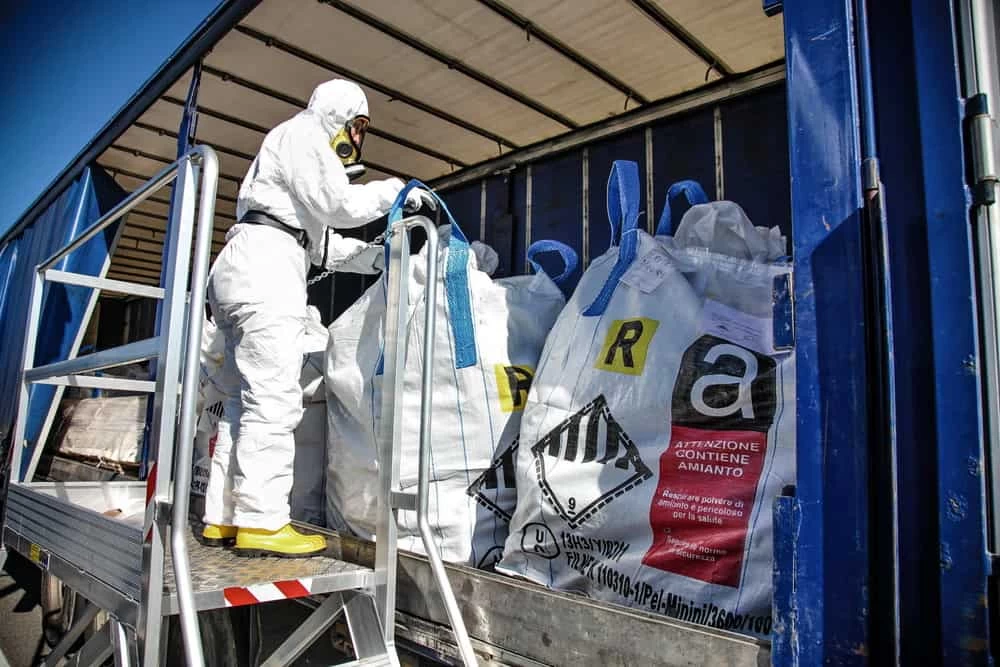
If removal is required, we set up proper containment sealed work areas, negative air pressure, Microtrap air scrubbers running throughout the job. The work is done by our licensed technicians following NYS DOL and NYC DEP protocols. Because Broad Channel is within city limits, we handle the DEP notification and approval process on your behalf before work begins. You don’t need to navigate that yourself.
When the removal is complete, we don’t just pack up and leave. Post-removal air clearance testing is conducted to verify the space is clean. You receive a clearance certificate the documented proof that the work was done correctly. If mold remediation or reconstruction is needed after abatement, we’re already licensed and on-site to handle that too, so the project moves forward without the delays that come from coordinating multiple contractors.
Pre-1940 Homes on an Island Require a Specific Kind of Thorough
Asbestos abatement in Broad Channel isn’t a simple pull-and-go job. The homes here were built as summer bungalows and converted to year-round residences over decades which means layers of renovation on top of original construction, and asbestos-containing materials at multiple levels of the structure. Vinyl asbestos floor tiles are extremely common in these homes. So is asbestos pipe insulation, popcorn ceiling texture applied during 1960s and 70s updates, and roofing materials that were never replaced after the original build.
Our asbestos removal services cover the full range: tile removal, ceiling texture abatement, pipe insulation removal, roofing material abatement, and full interior remediation for flood-damaged homes undergoing gut renovation. We also handle asbestos encapsulation for materials that are intact and undisturbed which can be a more cost-effective option when full removal isn’t required. Every project includes pre-job inspection, proper containment setup, licensed removal by NYS DOL-certified technicians, and post-clearance air testing with a documented certificate.
Because many Broad Channel homeowners are also dealing with mold or water damage especially after storm events we coordinate asbestos abatement directly alongside our mold remediation and water damage restoration services. You get one point of contact, one contract, and a project that moves from discovery to completion without the gaps that come from hiring separate contractors for each issue.
Do pre-1940 bungalows in Broad Channel typically contain asbestos?
Almost certainly, yes in at least one material, and often several. Asbestos was a standard building component through the late 1970s, and homes built before 1940 were constructed during the peak years of its use. In Broad Channel’s cottage-style housing stock, the most common locations are vinyl floor tiles, pipe and boiler insulation, roofing shingles, and ceiling texture that was applied during mid-century renovations. Drywall joint compound is another one people frequently overlook.
The important thing to understand is that asbestos in good condition and left undisturbed doesn’t necessarily require immediate removal. The risk comes when materials are damaged, deteriorating, or disturbed during renovation or repair work. If you’re planning any work on your home flooring replacement, ceiling work, plumbing updates, or anything involving the walls testing before you start is the right move, not an optional one. A licensed inspection will tell you exactly what you’re dealing with before any work begins.
Is asbestos removal in Broad Channel regulated differently than the rest of New York?
Yes, and it’s worth understanding before you hire anyone. Because Broad Channel is within New York City limits, asbestos abatement here falls under NYC DEP jurisdiction in addition to NYS DOL licensing requirements. The NYC Department of Environmental Protection has required prior approval before any asbestos-containing material is disturbed since 1987 and that requirement applies to every home and building in the five boroughs, including Queens Community District 14.
What that means practically is that a contractor licensed for New York State work but unfamiliar with NYC DEP protocols can create real problems for you delayed permits, regulatory fines, or work that has to stop mid-project. Before you hire anyone, confirm they hold NYS DOL Asbestos licensing and have direct experience with the NYC DEP notification and approval process. We handle both, and we manage the DEP paperwork on your behalf so the project doesn’t stall at the permit stage.
My home was flooded during Sandy could the repairs have disturbed asbestos?
It’s a legitimate concern, and one that came up across Broad Channel after Sandy hit in 2012. Storm surge reached six feet on this island, and the rebuilding that followed involved gutting walls, replacing flooring, removing damaged ceilings, and in many cases elevating entire homes on new foundations. Every one of those activities has the potential to disturb asbestos-containing materials in a pre-1940 structure.
If your Broad Channel home was repaired or rebuilt after Sandy and asbestos testing wasn’t part of that process, it doesn’t necessarily mean there’s an ongoing hazard but it does mean you don’t have documentation confirming the work was done safely. If you’re now planning additional renovations, or if you’ve had recurring water intrusion since the storm, an inspection is a reasonable starting point. It gives you a clear picture of what’s present, what condition it’s in, and whether any abatement is needed before the next round of work begins.
How long does asbestos abatement take in a small Broad Channel home?
For a typical Broad Channel bungalow a single-family cottage in the 800 to 1,500 square foot range most asbestos abatement projects take between one and three days for the removal work itself, depending on the scope and number of materials involved. A single-room floor tile removal is faster. A full interior abatement on a flood-gutted home takes longer.
What adds time to any project in Broad Channel specifically is the NYC DEP approval process, which needs to happen before work begins. Federal EPA NESHAP regulations also require 10 working days’ advance notice to state agencies before removing more than 160 square feet of regulated material. We factor both of those into the project timeline from the start so you’re not caught off guard. Post-removal air clearance testing adds a few hours on the back end, but it’s not optional it’s what produces the clearance certificate that documents the job was done correctly.
Can asbestos removal be covered by homeowner's insurance in Broad Channel?
It depends on the circumstances, but it’s more possible than most homeowners realize especially in Broad Channel, where asbestos is frequently discovered as a direct result of a covered event like water damage or storm damage. If flooding or a pipe failure caused damage that exposed or disturbed asbestos-containing materials, there’s a reasonable basis to include abatement costs in the insurance claim for that event.
The key is documentation. Insurance companies want to see that the asbestos was identified by a licensed inspector, that the abatement was performed by a certified contractor, and that post-clearance testing confirmed the work was complete. We bill insurance companies directly and have experience helping homeowners navigate claims that involve both remediation and abatement. If you’re not sure whether your situation qualifies, the inspection report is usually the first document your adjuster will ask for so starting there is the right move regardless of how the claim ultimately goes.
What's the difference between asbestos removal and encapsulation and which does my home need?
Removal means the asbestos-containing material is physically taken out of the building and disposed of according to NYS DOL and EPA protocols. Encapsulation means the material is sealed or coated so that fibers can’t become airborne it stays in place, but it’s no longer a release risk. Both are legitimate abatement methods, and the right choice depends on the condition of the material and what you’re planning to do with the space.
For Broad Channel homes, encapsulation is sometimes the right call for materials that are intact, in good condition, and not being disturbed by renovation work. It typically costs 15 to 25 percent less than full removal. But if the material is damaged, deteriorating, or in an area that will be renovated or rebuilt which is common in homes that went through post-Sandy reconstruction removal is usually the more appropriate path. A licensed inspection is what determines which option applies to your specific situation. We walk through that with every homeowner before any work is scoped or priced, so you’re making an informed decision, not a guessed one.