Old Homes on the Hudson Don't Hide Their Secrets Well
If your Cedar Cliff home was built before 1980, there’s a real chance asbestos is somewhere inside it and we remove it safely, legally, and completely.
I needed a professional consultation explanation of procedure for safe removal of Asbestos in my apartment complex. Without having an account yet, I was very impressed with the caring, knowledgeable and generous advice offered by Jessica, and will look forward to doing business in the future. Thank you so much! I feel much more informed about a sometimes scary endeavor. Peace. Nancy Silva Mineola, NY.
Mia Munoz
Used this company to clean up some water flood in my house. They were fast and easy to work with.very professional, Would recommend to anyone!
Nini Valle
Great company, had a flood and they responded quickly and efficiently. Billed my insurance company directly. I highly recommend this company!
joe colapietro, jr
I had pipe freeze in my basement right before a snow storm and they made to within an hour to help start the clean up process. They we by our side throughout the entire process and even helped with the insurance company. They did such a great job with the cleanup, repair, remidiation, I contracted them to perform the repairs and finishes in the basement. They came with enough manpower and material to get the job done. Leo and Jessica were nothing but a pleasure to deal with!!
Cristian Arredondo c
I had some water damage in my home and Green Island was able to take care of my issue quickly and effectively. I am very pleased with the work they did. They responded quickly and were very professional.
Michael M
Outstanding service! From the office to the field crew everyone was friendly, helpful and responsive. I highly recommend Green Island Group.
You stop guessing. That’s the first thing. When you’re living in an older home near the Hudson River the kind with original hardwood floors, a steam boiler in the basement, and layers of renovation history you didn’t put there you don’t always know what’s underneath. What you do know is that something was found, and now everything’s on hold.
Once the asbestos is properly removed and cleared, the renovation moves forward. The real estate deal closes. The contractor goes back to work. The permit gets issued. Life resumes. That clearance certificate from an independent industrial hygienist isn’t just paperwork in the Hudson Valley market, where Cedar Cliff homes are selling at significant values, it’s the document that makes your transaction legally and financially whole.
The homes in Cedar Cliff are older on average than most of Orange County. The housing stock here reflects a construction era when asbestos was standard in floor tiles, pipe insulation, popcorn ceilings, roofing materials, and joint compound. The freeze-thaw cycles along the river, the seasonal moisture that gets into older basements, the storm damage that disturbs exterior materials all of it accelerates the deterioration of materials that were once stable. Removing them the right way means they stop being a liability and start being a closed chapter.
We’ve been performing asbestos abatement and environmental remediation across New York State for over a decade. We hold a NYS Department of Labor Asbestos Contractor License the credential required to legally remove asbestos anywhere in New York, including Orange County and Cedar Cliff. That license isn’t a formality. It’s what separates a contractor who can hand you a clearance certificate from one who can’t.
Beyond licensing, we carry dual NYS and NYC M/WBE certification a government-audited designation that requires ongoing financial and operational compliance. Our client list includes NYS Office of General Services, DASNY, and the NYS Office of Mental Health. These agencies vet their contractors thoroughly. They don’t hire on price alone.
Cedar Cliff and the surrounding Balmville corridor are already part of our active service area. We maintain a presence in Newburgh, NY Cedar Cliff isn’t a new market, it’s a natural extension of work we’re already doing in this community.
No Surprises Here's Exactly What the Process Looks Like
It usually starts with a phone call often after a contractor has pulled up old flooring or opened a wall and found something that doesn’t look right. From there, the first step is testing. A certified industrial hygienist collects samples and sends them to an accredited lab. You get a clear answer: what material it is, where it is, and what needs to happen next.
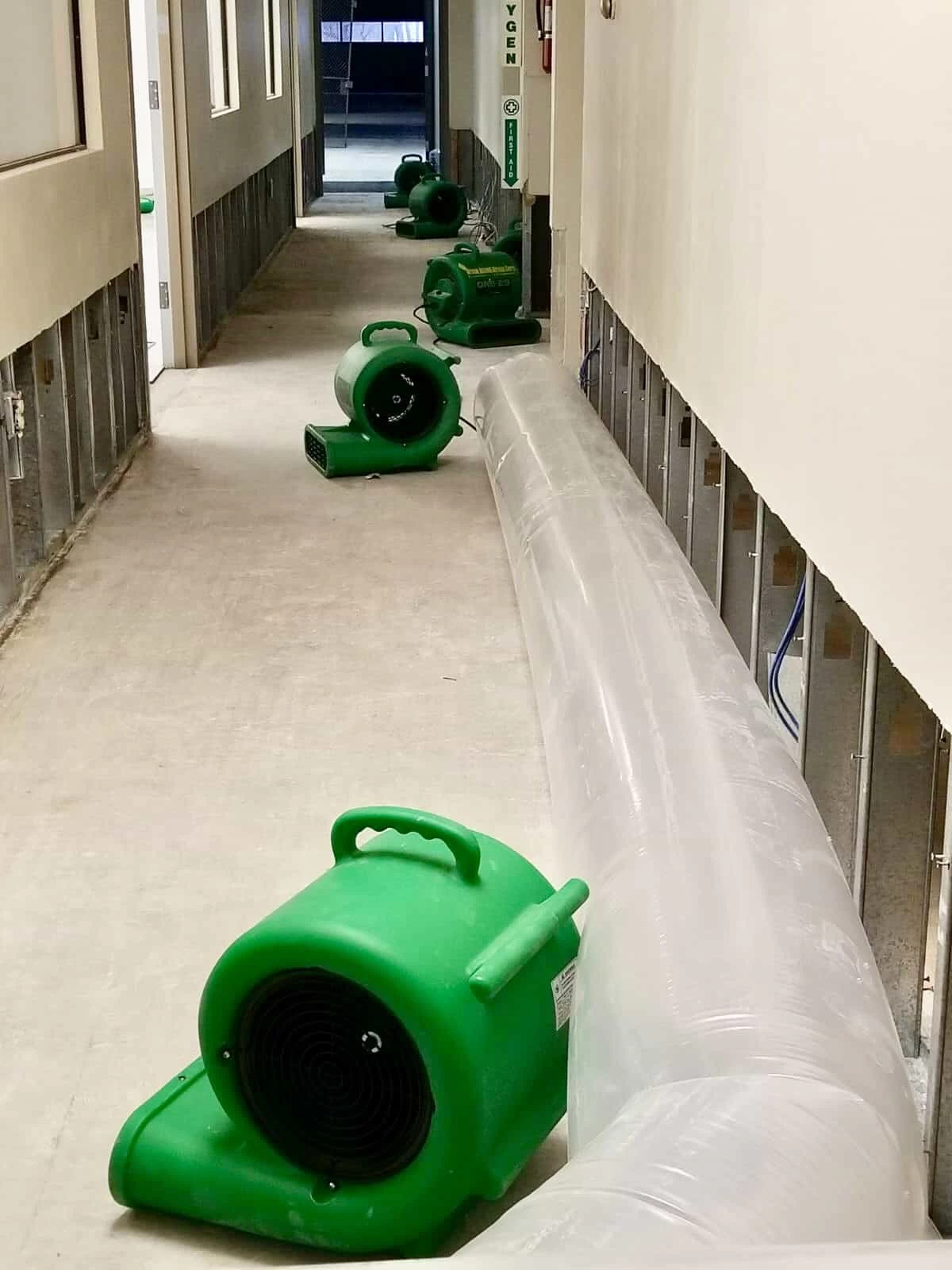
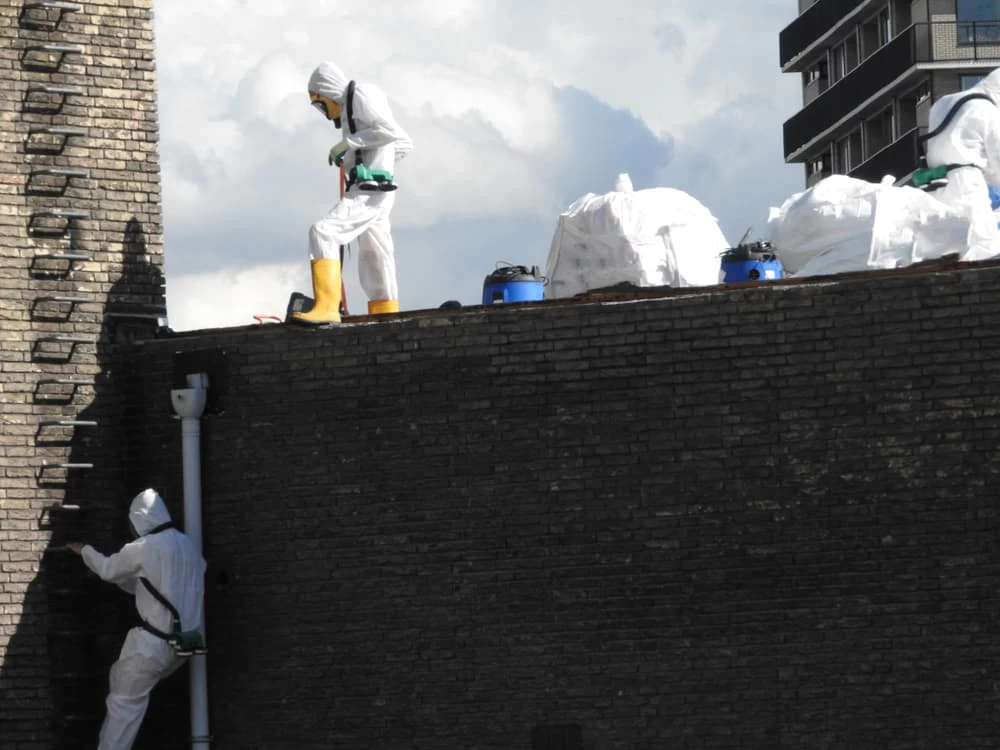
If abatement is required, the work area gets fully contained before anything is touched. Negative air pressure units run continuously throughout the removal to prevent fibers from migrating into the rest of your home. Our workers are NYS DOL-certified, and every step follows 12 NYCRR Part 56 New York State’s asbestos handling regulations. In Cedar Cliff and the Town of Newburgh, that means the work also aligns with local building department requirements, so your permit documentation stays clean.
When the physical removal is done, the containment stays up until post-abatement air monitoring is completed by an independent industrial hygienist not us. That separation matters. Once the air clears and the hygienist signs off, you receive a written clearance certificate. That document is what your real estate attorney, your lender, and your general contractor are waiting for. We don’t consider the job finished until it’s in your hands.
The older homes in Cedar Cliff and the Balmville corridor don’t usually have just one asbestos issue. A home built in the 1950s might have 9×9 vinyl asbestos floor tiles under the hardwood, asbestos pipe insulation wrapped around the boiler lines in the basement, and a popcorn ceiling in the living room that was applied sometime in the 1960s. We handle all of it asbestos tile removal, pipe insulation removal, popcorn ceiling removal, roofing and siding materials, joint compound, and more under a single NYS DOL-licensed contractor.
That matters practically. You’re not coordinating four different companies while your renovation sits idle. One point of contact, one project timeline, one complete documentation package at the end. We also handle mold remediation, lead paint removal, and water damage restoration, which is relevant in older Hudson Valley homes where these hazards tend to show up together.
For Cedar Cliff homeowners managing a renovation or a real estate transaction, the financing option is worth knowing about: we offer 0% APR financing up to $200,000 for qualifying projects. Asbestos discovery is almost never planned. When it lands in the middle of a major project, having a payment option that doesn’t derail everything else is a real advantage. And with 24/7 availability, you’re not waiting until Monday morning to get answers when something is found on a Friday afternoon.
Does my older Cedar Cliff home actually need asbestos testing before I renovate?
If your home was built before 1980, testing before any renovation work is the right move and in many cases, it’s required. New York State’s asbestos regulations under 12 NYCRR Part 56 require that certain renovation and demolition projects include an asbestos survey before work begins. This isn’t optional for contractors who are licensed and insured, and any general contractor worth hiring will ask for it.
In Cedar Cliff specifically, the housing stock skews older than most of Orange County. The northeastern corner of the Town of Newburgh where Cedar Cliff sits along the Hudson River has a high concentration of homes built during the peak asbestos era, roughly 1945 through the mid-1970s. Vinyl floor tiles, pipe insulation, textured ceilings, and roofing materials from that period commonly contain asbestos. Testing before you open walls or pull up floors is the difference between a clean project and a stopped one.
How much does asbestos removal typically cost for a home in Orange County, NY?
Cost depends on what material is involved, how much of it there is, and where it’s located in the home. A single room of vinyl asbestos floor tile removal is a very different scope than a full basement pipe insulation job combined with a popcorn ceiling throughout the house. In Orange County and the Hudson Valley broadly, smaller contained projects can start in the low thousands, while larger or more complex abatement scopes can run significantly higher.
What drives cost up in Cedar Cliff homes the kind common throughout this area is the layering. When you have multiple materials across multiple areas, each requiring its own containment setup and disposal documentation, the project scope grows. The best way to get an accurate number is a site visit and a written estimate. We provide free estimates, and for qualifying projects, we offer 0% APR financing up to $200,000 so cost doesn’t force you into a corner on timing or safety.
What happens if asbestos is found during a home sale in Cedar Cliff?
It slows things down but it doesn’t have to stop them. When asbestos is discovered during a home inspection or buyer-requested testing in Cedar Cliff or the Town of Newburgh, the transaction typically pauses until the issue is addressed. Buyers, lenders, and real estate attorneys will want documentation that the material has been properly removed by a NYS DOL-licensed contractor and cleared by an independent industrial hygienist before closing proceeds.
The clearance certificate is the key document. It’s issued after post-abatement air monitoring confirms that fiber levels are within safe limits, and it’s signed by a certified industrial hygienist who is independent from the abatement contractor. In the Hudson Valley real estate market where Cedar Cliff homes carry significant value this documentation is what allows the transaction to move forward cleanly. Our process is specifically built around producing that documentation efficiently, because a delayed closing has real financial consequences for both sides of the deal.
Is asbestos popcorn ceiling removal something a homeowner can do themselves in New York?
No and attempting it without a licensed contractor creates serious legal and health exposure. In New York State, asbestos abatement must be performed by a contractor holding a NYS DOL Asbestos Contractor License. Individual workers on the job must hold NYS DOL Asbestos Handler Certification, which requires a minimum of 32 hours of initial training. Doing the work yourself, or hiring an unlicensed contractor, is a criminal violation under state law and creates personal liability for the property owner.
Beyond the legal issue, the practical risk is significant. Popcorn ceiling texture from the 1960s and 1970s frequently contains chrysotile asbestos. Scraping it without proper containment, negative air pressure, and wet methods releases fibers into the air throughout the home. In an older Cedar Cliff home especially one with older HVAC ductwork that can distribute airborne particles that exposure can spread well beyond the room where the work was done. Licensed abatement with post-clearance air monitoring is the only way to confirm the work was done safely.
How long does asbestos abatement take, and can my family stay in the house during the work?
The short answer is no your family should not be in the home during active abatement. The work area is under negative air pressure, sealed with plastic containment barriers, and the air inside that containment is being actively filtered. That environment is not compatible with normal household activity. For most residential projects, temporary relocation for the duration of the work which can range from a single day for a small contained area to several days for a larger multi-room or whole-house scope is the standard expectation.
Timeline depends on scope. A single room of floor tile removal in a Cedar Cliff home might be completed in one day. A project involving pipe insulation throughout a basement, popcorn ceilings in multiple rooms, and exterior transite siding will take longer and requires more planning around containment sequencing. After the physical removal is complete, the containment stays in place until post-abatement air monitoring is done and the clearance certificate is issued that process typically adds at least a day to the overall timeline. We’ll walk you through the expected schedule before work begins.
Does Green Island Group handle asbestos abatement for commercial properties near Cedar Cliff?
Yes. We work on both residential and commercial properties throughout Orange County and the broader Hudson Valley region. Our government contract portfolio which includes work for NYS Office of General Services, DASNY, and NYS Office of Mental Health reflects experience with institutional and commercial-scale abatement projects that go well beyond typical residential scope.
For commercial property owners near Cedar Cliff, the regulatory requirements are the same core framework NYS DOL licensing, certified workers, proper containment, and post-abatement clearance but the project scale, notification requirements under NESHAP, and documentation expectations are often more involved. If you’re managing a commercial building, a mixed-use property, or an institutional facility in Cedar Cliff or surrounding Orange County, we have the licensing, insurance, and documented track record to handle it. The same 24/7 availability and direct insurance billing that applies to residential projects applies here as well.