Cedarhurst Homes Hide This — Most Owners Never Know
Most homes in the Five Towns were built before asbestos was phased out. If yours is one of them, asbestos abatement in Cedarhurst, NY starts with knowing what’s actually in your walls, floors, and ceilings — before someone disturbs it.
I needed a professional consultation explanation of procedure for safe removal of Asbestos in my apartment complex. Without having an account yet, I was very impressed with the caring, knowledgeable and generous advice offered by Jessica, and will look forward to doing business in the future. Thank you so much! I feel much more informed about a sometimes scary endeavor. Peace. Nancy Silva Mineola, NY.
Mia Munoz
Used this company to clean up some water flood in my house. They were fast and easy to work with.very professional, Would recommend to anyone!
Nini Valle
Great company, had a flood and they responded quickly and efficiently. Billed my insurance company directly. I highly recommend this company!
joe colapietro, jr
I had pipe freeze in my basement right before a snow storm and they made to within an hour to help start the clean up process. They we by our side throughout the entire process and even helped with the insurance company. They did such a great job with the cleanup, repair, remidiation, I contracted them to perform the repairs and finishes in the basement. They came with enough manpower and material to get the job done. Leo and Jessica were nothing but a pleasure to deal with!!
Cristian Arredondo c
I had some water damage in my home and Green Island was able to take care of my issue quickly and effectively. I am very pleased with the work they did. They responded quickly and were very professional.
Michael M
Outstanding service! From the office to the field crew everyone was friendly, helpful and responsive. I highly recommend Green Island Group.
When asbestos-containing materials are properly removed and documented, you get something most homeowners in Cedarhurst don’t realize they’ve been missing — certainty. Your renovation can move forward. Your real estate transaction doesn’t stall at the inspection table. Your family isn’t breathing something that was quietly deteriorating behind a baseboard or under thirty-year-old carpet.
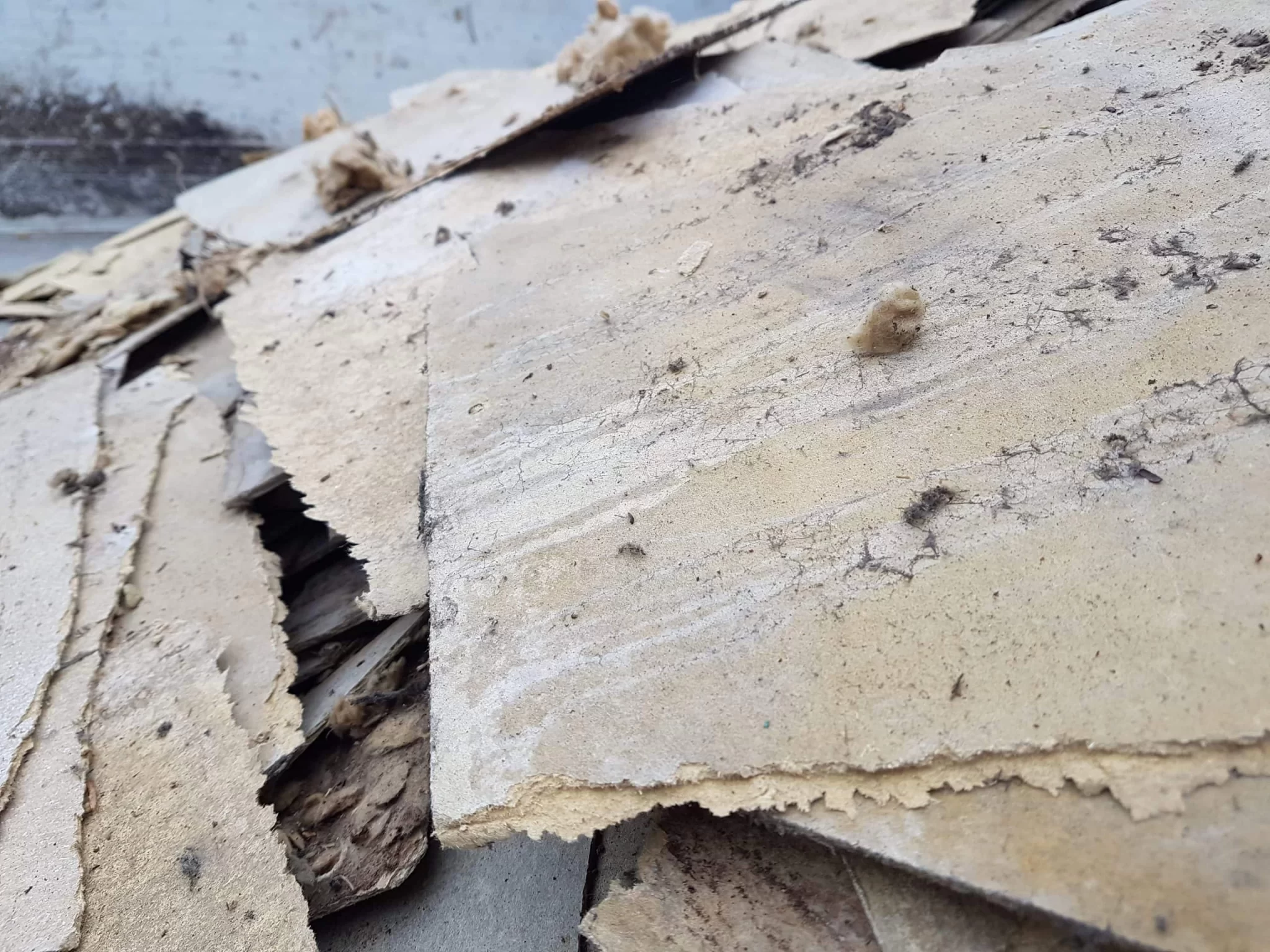
Cedarhurst’s housing stock is older than most people account for. A significant portion of homes in this village were built in the 1920s through the 1960s — which means floor tiles, ceiling textures, pipe insulation, and adhesive mastics from that era are likely still present in many of them. The coastal humidity off Jamaica Bay doesn’t help. Moisture accelerates the breakdown of older building materials, and once asbestos-containing material starts to crumble, the risk profile changes entirely.
For homeowners managing renovations — especially the gut-level kitchen and bathroom overhauls common in this market — or preparing a home for sale at the kind of price points Cedarhurst commands, having a clean asbestos clearance report isn’t just peace of mind. It’s a practical requirement that keeps your project and your transaction moving.
Licensed Asbestos Contractor Serving Cedarhurst, NY
We Know Cedarhurst's Older Homes Better Than Most
We’ve been serving homeowners and contractors across Nassau County’s South Shore for years. We’re licensed under New York State Industrial Code Rule 56 — the governing standard for all asbestos abatement work in this state — and every member of our crew is individually certified through approved NYS Department of Labor training programs. That’s not optional in New York. It’s the law, and it’s the first thing you should verify before hiring anyone for this kind of work.
We work regularly throughout the Five Towns, including Cedarhurst, Lawrence, Woodmere, and the surrounding communities. We know what a pre-war Tudor on Washington Avenue typically contains. We know what’s usually hiding under the hardwood in a 1950s center-hall colonial. That familiarity isn’t marketing — it’s just what happens when you’ve spent real time working in these neighborhoods.
When you call us, you’re not getting a national call center routing a crew that’s never been to Nassau County. You’re getting a team that understands the local housing stock, the local permit process, and what your specific situation actually requires.
No Guesswork — Here's Exactly What the Process Looks Like
It starts with an inspection. A certified NYS DOL inspector surveys the areas in question — floors, ceilings, walls, mechanical systems, whatever applies to your project — and identifies any asbestos-containing materials. In Cedarhurst, that often means checking for 9×9 vinyl floor tiles and their adhesive mastic, textured popcorn ceilings, pipe and boiler insulation, and older roofing materials. If you’re pulling a permit through the Village of Cedarhurst’s building department for a renovation, this survey documentation is something you’ll need before the project moves forward.
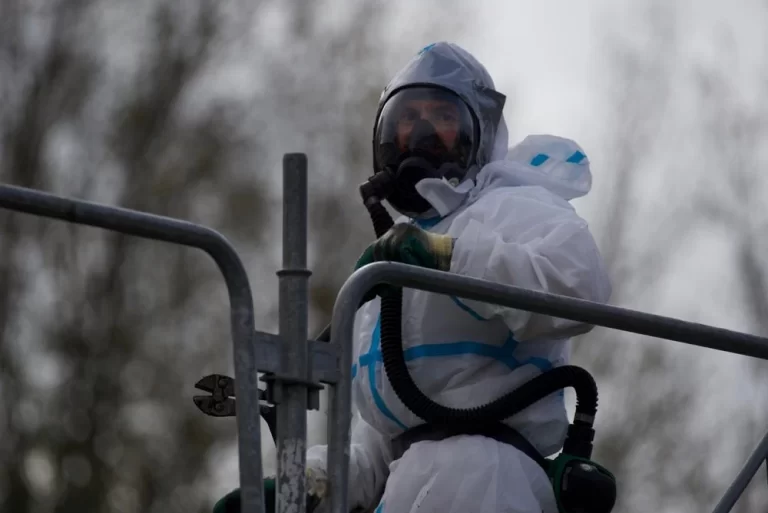
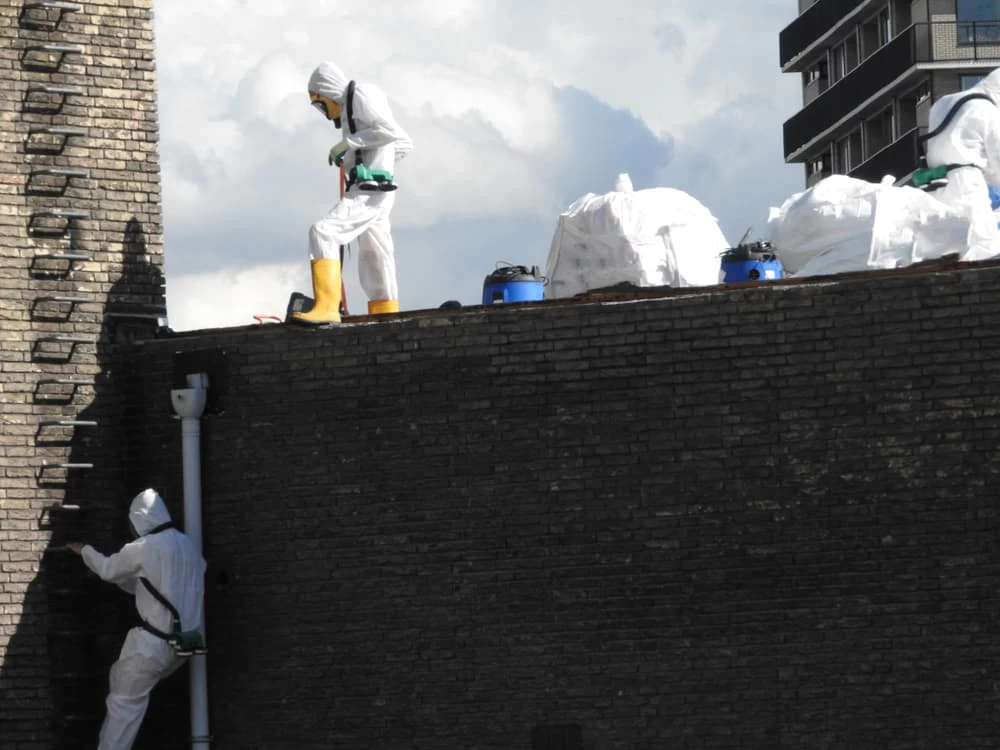
Once the scope is confirmed, we set up proper containment. That means sealing off the work area so fibers can’t migrate into the rest of your home, establishing negative air pressure, and making sure the space is genuinely isolated before any removal begins. Asbestos tile removal and popcorn ceiling removal are handled by our certified workers using the right equipment — not shortcuts.
After the material is removed, it goes to a licensed disposal facility. That part matters legally and practically. Then comes air clearance testing — independent verification that fiber levels are within safe limits. When that clears, you get the documentation. That’s the paperwork your contractor, your real estate attorney, or your buyer’s agent will ask for, and it’s what closes the loop on the whole project cleanly.
Asbestos Tile and Popcorn Ceiling Removal, Cedarhurst
What's Included When You're Dealing With the Real Thing
Asbestos abatement isn’t one-size-fits-all, and in Cedarhurst’s housing stock, the materials involved vary significantly depending on when and how a home was built. The most common scenarios we handle here include asbestos floor tile removal — particularly the 9×9-inch vinyl tiles installed in thousands of Long Island homes from the 1950s through the 1970s, often found under hardwood, under carpet, or in basements — along with the contaminated mastic adhesive underneath them. We also handle asbestos popcorn ceiling removal, which is common in bedrooms, hallways, and finished basements in homes built before the early 1980s.
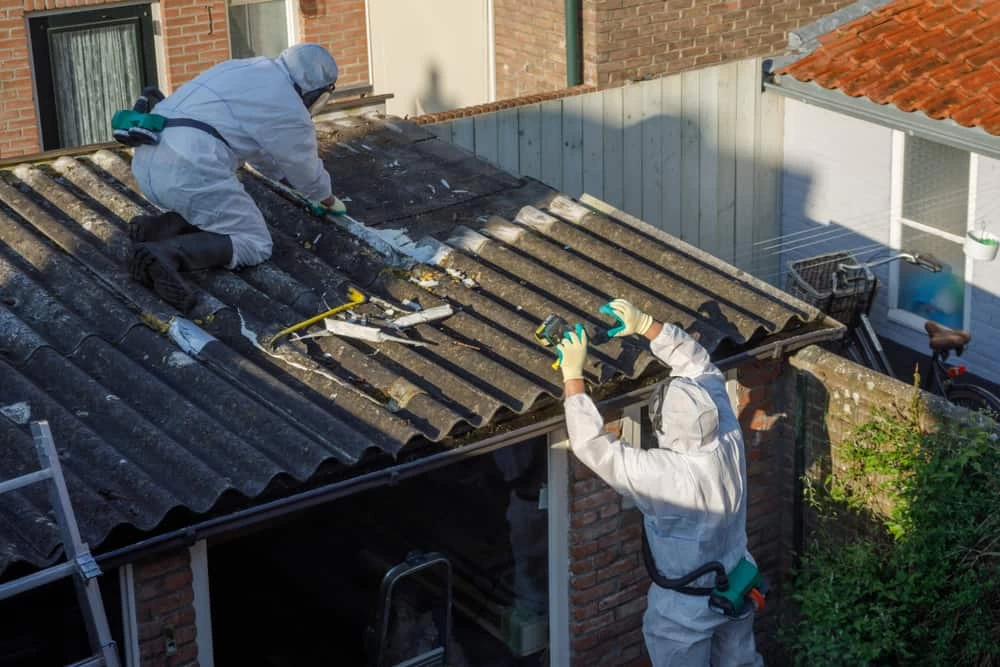
Beyond tiles and ceilings, we handle pipe insulation, boiler wrap, roofing materials, joint compound, and any other ACMs identified during the inspection. Every project includes certified removal, proper containment, licensed disposal, and post-abatement air clearance testing with written documentation. That documentation is what matters most when you’re selling a home in a market where buyers and their attorneys are paying close attention — and in Cedarhurst, where homes are transacting at $800,000 to well over a million dollars, no one can afford a loose end at closing.
If your renovation involves a kosher kitchen overhaul, a basement conversion, or a full gut of an older structure, we coordinate directly with your contractor so the abatement phase doesn’t become the bottleneck that pushes your timeline back.
Do I need an asbestos survey before renovating my Cedarhurst home?
In New York State, yes — and it’s not optional when a contractor is involved. Under Industrial Code Rule 56, any renovation, demolition, or repair project in a pre-1980 building that may disturb building materials requires an asbestos survey conducted by a certified NYS DOL inspector before work begins. The owner-occupied exemption that sometimes comes up in conversation only applies when the homeowner is doing all the work themselves — the moment you hire a licensed contractor, ICR 56 applies in full.
In Cedarhurst specifically, the Village’s building department can require asbestos survey documentation before issuing a permit. If you’re pulling permits for a gut renovation, a kitchen overhaul, or a basement conversion in a home built before 1980 — which describes a large portion of Cedarhurst’s residential stock — you’ll want to have this handled before you’re standing at the building department counter without the right paperwork. Getting the survey done upfront keeps your project on schedule and keeps your contractor protected.
How do I know if my floor tiles or popcorn ceiling contain asbestos?
You can’t tell by looking. The only way to know for certain is to have a sample collected by a certified inspector and sent to an accredited laboratory for analysis. The 9×9-inch vinyl floor tiles that are extremely common in Cedarhurst homes from the 1950s and 1960s have a high likelihood of containing asbestos — but even tiles that look different can test positive. The same applies to popcorn ceiling texture applied before the early 1980s. Chrysotile asbestos was a standard ingredient in that product for decades.
What matters most is that you don’t scrape, sand, or disturb the material to find out. Intact asbestos-containing material that’s in good condition is generally stable. The risk comes when it’s disturbed — during a renovation, during demo, or when it starts to deteriorate on its own from age or moisture exposure. If you’re not sure, the right move is to call a certified inspector before anyone touches it.
How long does asbestos abatement typically take in a Nassau County home?
It depends on the scope. A single room with asbestos floor tile removal can often be completed in one to two days. A larger project — multiple rooms, ceiling texture, pipe insulation, or a combination of materials — may take several days. The timeline also includes post-abatement air clearance testing, which has to happen before the area is reopened and before your contractor can re-enter to continue the renovation.
In Nassau County, the permitting and notification requirements under ICR 56 also factor into scheduling. Certain projects require advance notification to the NYS Department of Labor’s Asbestos Control Bureau before work begins. We handle that process on your behalf, so you’re not navigating state agency paperwork on top of everything else your renovation already involves. If you’re working against a real estate closing date or a contractor’s start date, let us know upfront — we build our schedule around the constraints that actually matter to you.
Is asbestos abatement required before selling a home in Cedarhurst, NY?
There’s no blanket legal requirement that forces a seller to abate asbestos before listing a home in New York. But the practical reality in Cedarhurst’s real estate market is a different story. Home inspectors in the Five Towns routinely flag potential asbestos-containing materials in older homes, and buyers’ attorneys — especially in transactions at $800,000 and above — increasingly push for clearance as a condition of sale. A flagged asbestos issue can delay closing, reduce the final sale price, or give a buyer grounds to renegotiate or walk away.
Handling abatement before you list eliminates that leverage entirely. You go to closing with a clean clearance report, no open questions, and no last-minute scramble to find a contractor under deadline pressure. Given what homes in Cedarhurst are worth, the cost of professional abatement is a small line item compared to what an unresolved issue can cost you at the negotiating table.
What's the difference between asbestos encapsulation and full removal?
Encapsulation means treating the asbestos-containing material with a sealant that binds the fibers and prevents them from becoming airborne — without physically removing the material. Full removal means the material is extracted, contained, and disposed of at a licensed facility. Both are recognized abatement methods under New York State’s ICR 56, but they’re not interchangeable for every situation.
Encapsulation is typically appropriate when the material is in good condition, is not going to be disturbed by renovation work, and is accessible for ongoing monitoring. If you’re planning a renovation that requires removing or cutting into the material — pulling up floor tiles, opening walls, demoing a ceiling — encapsulation is not the right answer, because the work itself will disturb what was sealed. For most renovation-driven projects in Cedarhurst’s older homes, full removal is the more practical and permanent solution. During the inspection phase, we’ll tell you clearly which approach applies to your specific situation and why.
How much does asbestos abatement cost for a typical Cedarhurst home?
Cost depends on the type and amount of material involved, the accessibility of the work area, and the overall scope of the project. For a single room of asbestos floor tile removal in a Cedarhurst home, you’re typically looking at somewhere in the range of $1,500 to $3,000. Popcorn ceiling removal in a standard bedroom or hallway runs in a similar range. Larger projects — multiple rooms, combined materials, or full-floor tile removal across a whole level — can run $5,000 to $10,000 or more depending on square footage and complexity.
What drives cost in the Five Towns specifically is the age and layering of the housing stock. It’s common to find asbestos floor tiles under hardwood, under a second layer of vinyl, or in areas that require more careful containment setup because of how the home is laid out. The inspection phase clarifies all of this before any work is priced, so you’re not getting a quote based on assumptions. We give you a clear, itemized estimate after the scope is confirmed — no surprises when the job is done.