Most homes in Chappaqua were built in the 1950s right when asbestos was standard. We give you licensed asbestos abatement and documented clearance, so you know the job was done right.
I needed a professional consultation explanation of procedure for safe removal of Asbestos in my apartment complex. Without having an account yet, I was very impressed with the caring, knowledgeable and generous advice offered by Jessica, and will look forward to doing business in the future. Thank you so much! I feel much more informed about a sometimes scary endeavor. Peace. Nancy Silva Mineola, NY.
Mia Munoz
Used this company to clean up some water flood in my house. They were fast and easy to work with.very professional, Would recommend to anyone!
Nini Valle
Great company, had a flood and they responded quickly and efficiently. Billed my insurance company directly. I highly recommend this company!
joe colapietro, jr
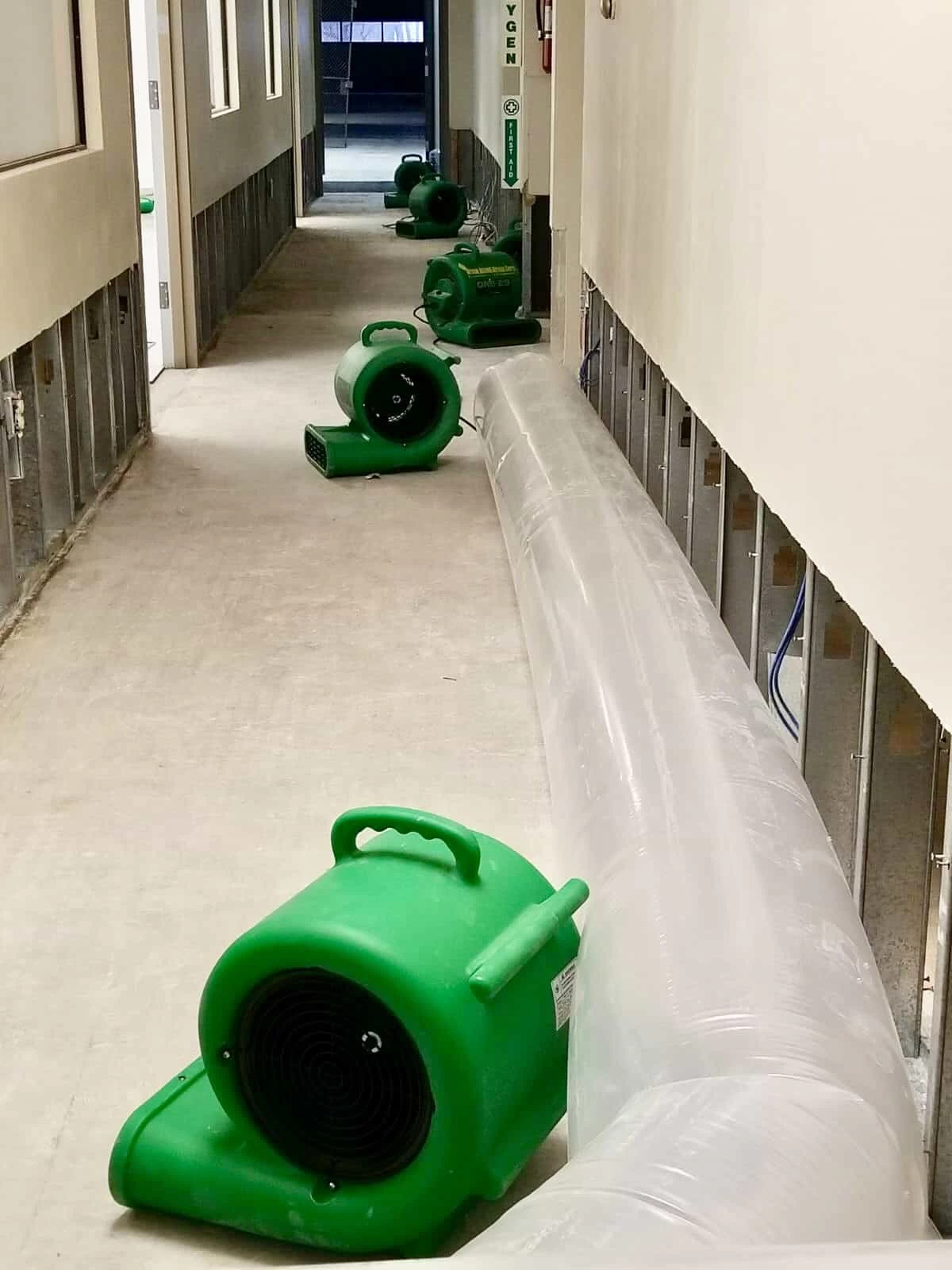
I had pipe freeze in my basement right before a snow storm and they made to within an hour to help start the clean up process. They we by our side throughout the entire process and even helped with the insurance company. They did such a great job with the cleanup, repair, remidiation, I contracted them to perform the repairs and finishes in the basement. They came with enough manpower and material to get the job done. Leo and Jessica were nothing but a pleasure to deal with!!
Cristian Arredondo c
I had some water damage in my home and Green Island was able to take care of my issue quickly and effectively. I am very pleased with the work they did. They responded quickly and were very professional.
Michael M
Outstanding service! From the office to the field crew everyone was friendly, helpful and responsive. I highly recommend Green Island Group.
When you’re renovating a 1950s kitchen off NY-117 or preparing to list a postwar colonial near the Saw Mill Parkway, the last thing you want is a contractor who treats asbestos as a side task. The homes in Chappaqua were built during the peak era of asbestos use floor tiles, pipe insulation, popcorn ceilings, drywall joint compound and when renovation or water damage disturbs those materials, you need someone who handles this as a primary specialty, not an afterthought.
What you get on the other side of a properly completed abatement is clarity. Your renovation contractor can get back to work. Your real estate closing can move forward. Your home is documented as clean, not just assumed to be. In a market where Chappaqua homes are selling above $1.4 million, that clearance documentation isn’t just paperwork it’s protection for your most significant financial asset.
The anxiety that comes with discovering a potential asbestos issue doesn’t have to sit with you for weeks. A free on-site inspection gives you real answers fast what you have, what it means, and what needs to happen next. No commitment, no pressure, just a clear picture so you can make an informed decision.
We are a licensed asbestos abatement contractor serving Westchester County and the greater New York area. We hold the NYS Department of Labor Asbestos Handling License, EPA certification, and NYS M/WBE certification from the Office of General Services credentials that are government-issued, publicly verifiable, and not something every contractor operating in Chappaqua can say they hold.
With more than 5,000 completed abatement projects, we have worked in the exact type of pre-1980 single-family homes that make up the majority of Chappaqua’s housing stock from older properties near the historic Quaker district to mid-century ranches and colonials throughout the Town of New Castle. Every worker on your property carries individual NYS DOL certification, not just a company umbrella license.
This isn’t a general contractor who handles asbestos on the side. Abatement is the work done correctly, documented thoroughly, and closed out with post-clearance air testing that gives you something permanent to stand on.
No Surprises Here's Exactly What the Process Looks Like
It starts with a free on-site inspection. One of our specialists visits your Chappaqua property, assesses the materials in question, and walks you through what we’re seeing in plain language. If testing is warranted, samples are collected and sent to an accredited lab. You get real results not a guess.
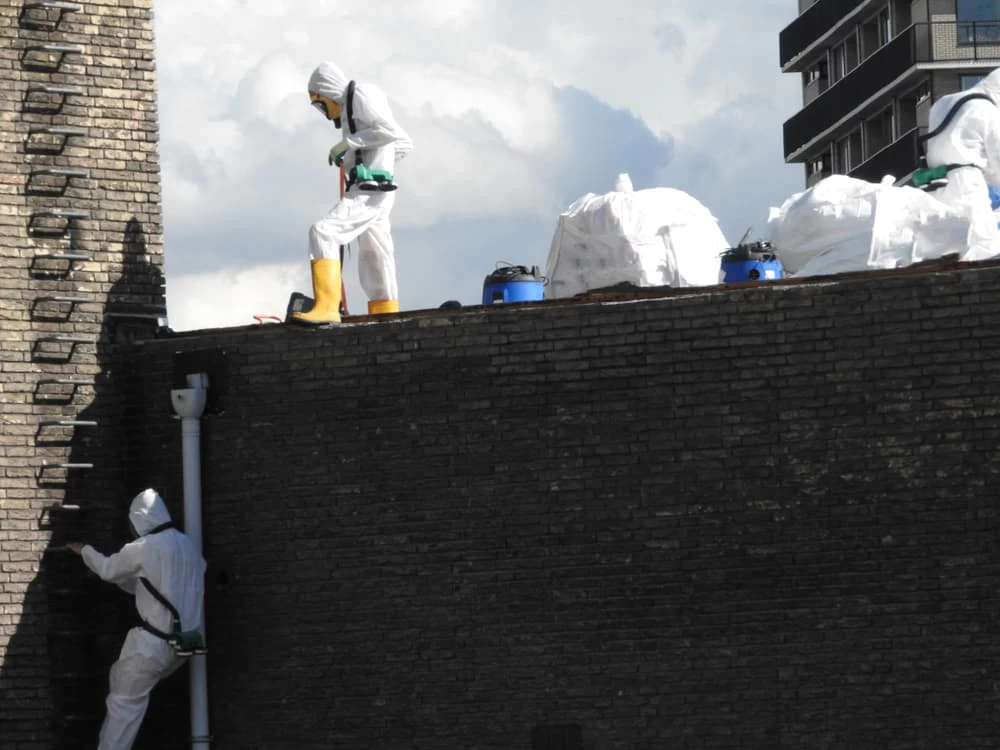
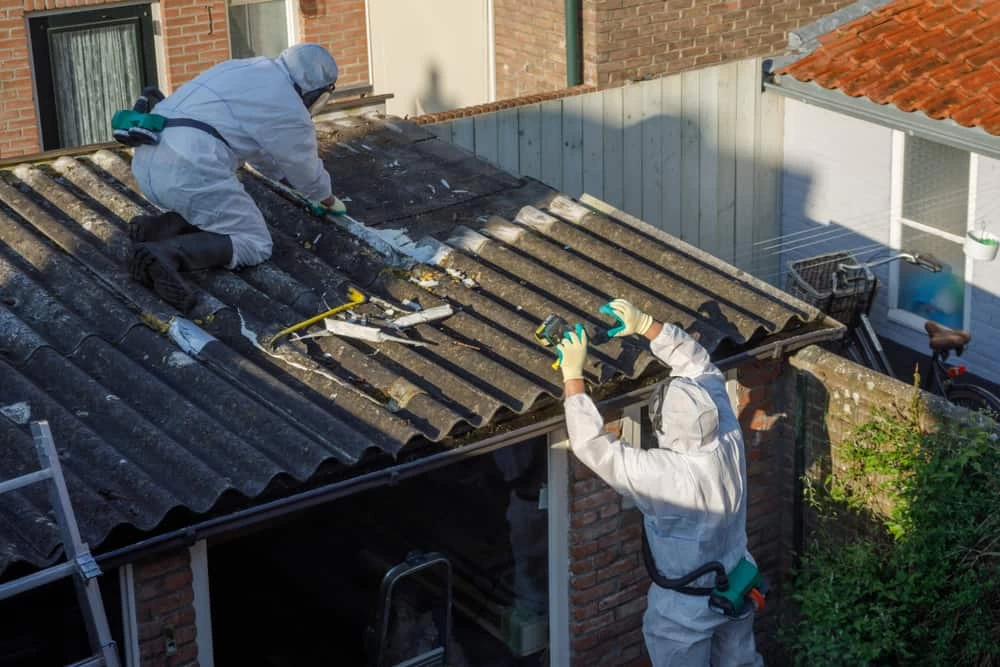
If abatement is needed, the project is filed in compliance with NYS Industrial Code Rule 56, which governs all asbestos work in New York State including the Town of New Castle. That means proper notification to the NYS Department of Labor Asbestos Control Bureau, full containment setup with negative air pressure, wet removal methods to prevent fiber release, and certified disposal through an approved waste facility. Every step follows the regulatory framework that applies specifically to Westchester County not NYC DEP requirements, which don’t apply here and which some contractors mistakenly apply to projects outside the five boroughs.
When the physical work is complete, independent post-abatement air clearance testing is conducted. Once the results confirm fiber counts are below the required threshold, you receive formal clearance documentation. That document is your permanent record useful for your renovation contractor, your real estate attorney, your lender, and any future buyer of the property.
Asbestos Tile and Popcorn Ceiling Removal Chappaqua
Every Material Type Found in Chappaqua Homes, Handled In-House
Chappaqua’s postwar and mid-century housing stock tends to contain more than one type of asbestos-containing material, and the most common ones show up in predictable places. The 9×9-inch vinyl asbestos floor tiles found in basements and kitchens of 1940s and 1950s homes. The acoustic ceiling texture popcorn ceilings applied in bedrooms and living areas through the 1970s. Pipe and boiler insulation wrapped around heating systems in older mechanical rooms. Drywall joint compound in walls that predate modern building standards. We handle all of it under one roof, with a single chain of custody for all compliance documentation.
There’s no subcontracting, no hand-off mid-project, and no situation where one crew handles one material type and another crew handles the rest. For a whole-home renovation, a pre-sale abatement, or a water damage event that disturbs multiple materials simultaneously, that matters. We also work directly with insurance carriers when abatement is triggered by a covered event pipe freeze, storm damage, or water intrusion so you’re not managing the billing back-and-forth on top of everything else.
If you’re not sure what you have, that’s exactly what the free inspection is for. You don’t need to know whether your 1958 Chappaqua home has asbestos before you call figuring that out is the first step.
Does my Chappaqua home likely have asbestos if it was built before 1980?
If your home was built before 1980 and in Chappaqua, the median construction year is 1955 there’s a meaningful probability that at least one building material contains asbestos. During that era, asbestos was used routinely in floor tiles, ceiling texture, pipe insulation, roofing materials, and drywall joint compound. It wasn’t a corner-cutting measure; it was standard practice across the industry.
That doesn’t mean every material in your home is a problem. Asbestos-containing materials that are in good condition and left undisturbed generally don’t pose an immediate risk. The issue arises when those materials are disturbed during a renovation, a pipe burst, or a demolition and fibers become airborne. If you’re planning any work on a pre-1980 Chappaqua home, an inspection and testing before you start is the only way to know what you’re actually dealing with.
What does asbestos abatement actually cost in Chappaqua, NY?
Cost varies based on the material type, the quantity, the location within the home, and the complexity of the containment required. For a straightforward single-material removal say, asbestos floor tile in a basement or a popcorn ceiling in one room you’re typically looking at a range that reflects the regulatory requirements specific to New York State: licensed workers, proper containment, certified disposal, and post-abatement air clearance testing. Projects involving multiple material types or larger square footage will run higher.
In a market like Chappaqua, where the average home is worth well over $1 million, most homeowners are less focused on finding the lowest quote and more focused on getting the job done correctly with documentation they can use. A clearance certificate from a properly licensed contractor is worth more at a real estate closing or during a renovation than the money saved by cutting corners. We provide free on-site estimates so you have a specific number before committing to anything.
Can I renovate my Chappaqua home without an asbestos inspection first?
Under New York State law, renovation work that disturbs asbestos-containing materials above certain threshold quantities requires a licensed abatement contractor not a general contractor, not a handyman, and not the homeowner. NYS Industrial Code Rule 56 is the governing regulation, and it applies throughout Westchester County including the Town of New Castle. Skipping the inspection doesn’t eliminate the risk; it just means you may not know you’ve disturbed asbestos until after the fact.
Beyond the legal requirement, there’s a practical reality. If a renovation contractor opens a wall or pulls up flooring in a 1950s Chappaqua home and discovers what appears to be asbestos, work has to stop. The project goes on hold until a licensed abatement contractor can assess the situation, complete the abatement, and provide clearance documentation. Getting an inspection before the renovation starts is almost always faster and less disruptive than dealing with a mid-project discovery.
How does asbestos abatement affect a real estate transaction in Chappaqua?
In Chappaqua’s active real estate market where pre-1980 homes regularly change hands at seven-figure prices asbestos has become a more visible issue in transactions. Buyers’ attorneys are increasingly aware of the disclosure requirements, and lenders sometimes require documentation that known asbestos-containing materials have been properly addressed before a loan closes.
If you’re selling a pre-1980 home and a buyer’s inspection flags potential ACMs, you have a few options: disclose and negotiate, address it before closing, or risk losing the deal. Pre-sale abatement with formal post-clearance documentation gives you something concrete to hand to the buyer’s attorney proof that the work was done by a licensed contractor, to the standard required by New York State law, with independent air testing confirming the result. In a market where buyers have options and deals can fall apart over unresolved contingencies, that documentation has real value.
What happens if a pipe bursts and disturbs asbestos insulation in my Chappaqua home?
This is a more common scenario in Chappaqua than most homeowners expect. Older homes with aging pipe infrastructure particularly those built in the 1940s and 1950s are vulnerable to pipe freeze events during cold snaps, and the insulation wrapped around those pipes frequently contains asbestos. When a pipe bursts and that insulation is disturbed, you’re dealing with a water damage event and a mandatory abatement situation simultaneously.
The important thing to know is that asbestos abatement triggered by a covered water damage event is often an insurance claim. We work directly with insurance carriers and handle the billing on your behalf, so you’re not managing the paperwork between your insurer and your abatement contractor while also dealing with displacement and repairs. The abatement work proceeds under the same NYS DOL compliance framework regardless of how it was triggered proper containment, certified disposal, and post-clearance air testing before the restoration work continues.
How long does asbestos abatement typically take for a Chappaqua residential project?
For a single-material, single-room residential project asbestos tile removal in a basement or popcorn ceiling abatement in a bedroom the physical work typically takes one to two days. Multi-material projects covering larger areas of the home will take longer, and the overall timeline also includes the post-abatement air clearance testing period, which requires that the contained area be tested and results confirmed before it’s reopened.
In Chappaqua, where many homeowners are working around a renovation contractor’s schedule or a real estate closing date, timeline matters. Our process is built around the reality that our clients often have a second contractor waiting or a hard deadline approaching. The free inspection and estimate phase is where a realistic project timeline gets established before any work begins, you’ll know what the scope looks like, how long it will take, and what the clearance process involves so there are no surprises on the back end.